

Made byBobr AI

Understanding India's Parliament: Rajya Sabha vs Lok Sabha

Explore the structure of the Indian Parliament, comparing Lok Sabha and Rajya Sabha roles, membership, powers, and legislative processes for students.

#indian-parliament#lok-sabha#rajya-sabha#civics-education#indian-government#constitutional-law#upsc-notes

The Parliament of India

Structure, Composition, and Functions of Sansad - A Comprehensive Overview for Students

Made byBobr AI

Parliament Overview

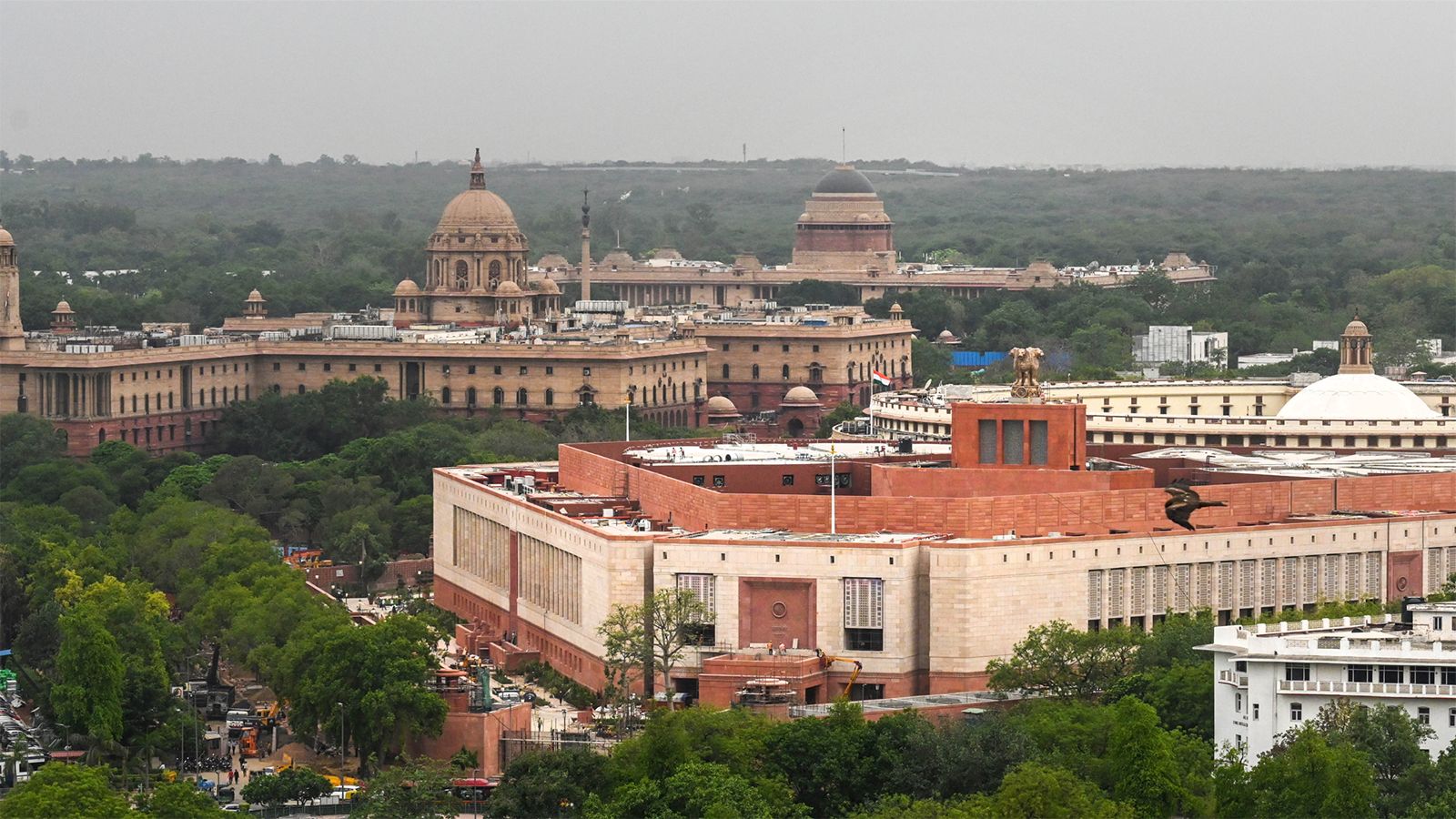
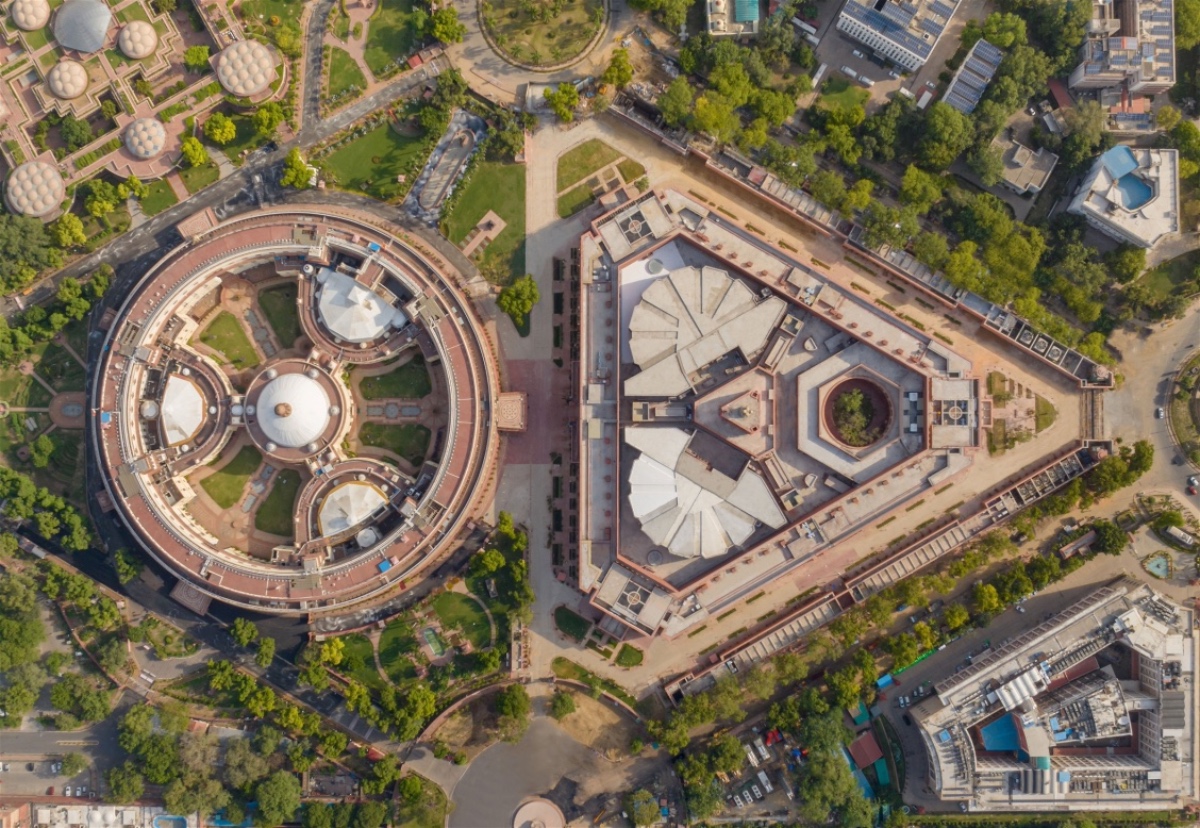
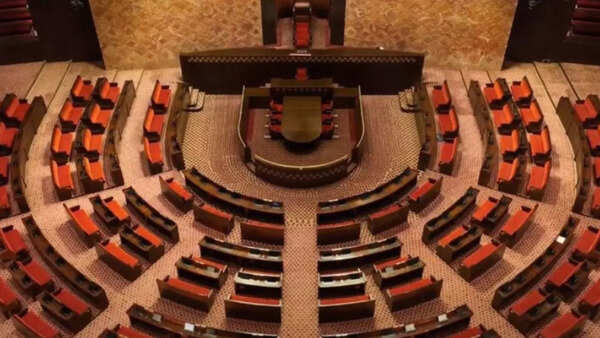
  • India follows a Bicameral Legislature system consisting of the President and two houses.
  • It is the supreme legislative body of the Republic of India.
  • Consists of the President, the Council of States (Rajya Sabha), and the House of the People (Lok Sabha).
Made byBobr AI

Sessions of Parliament

  • Budget Session: The longest session, typically held from February to May, focusing on the annual financial statement.
  • Monsoon Session: Usually held in July and August to discuss legislation and pressing national issues.
  • Winter Session: The shortest session, held in November and December to conclude the parliamentary year.
Made byBobr AI

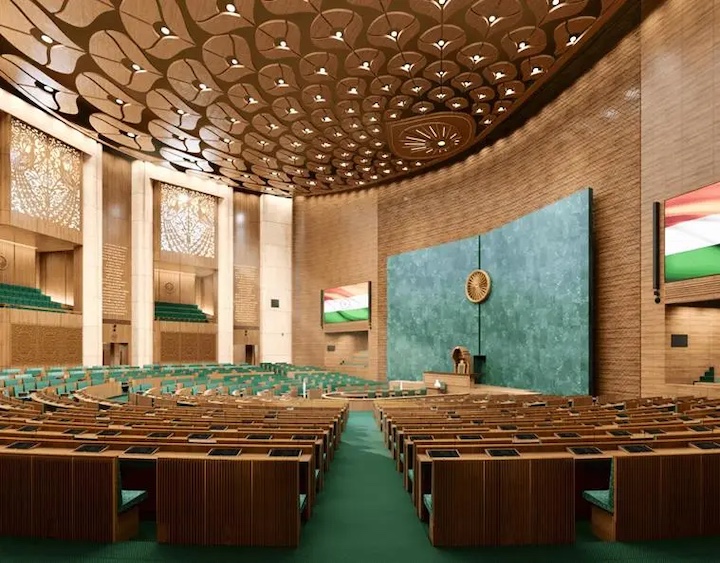
Lok Sabha: The Lower House

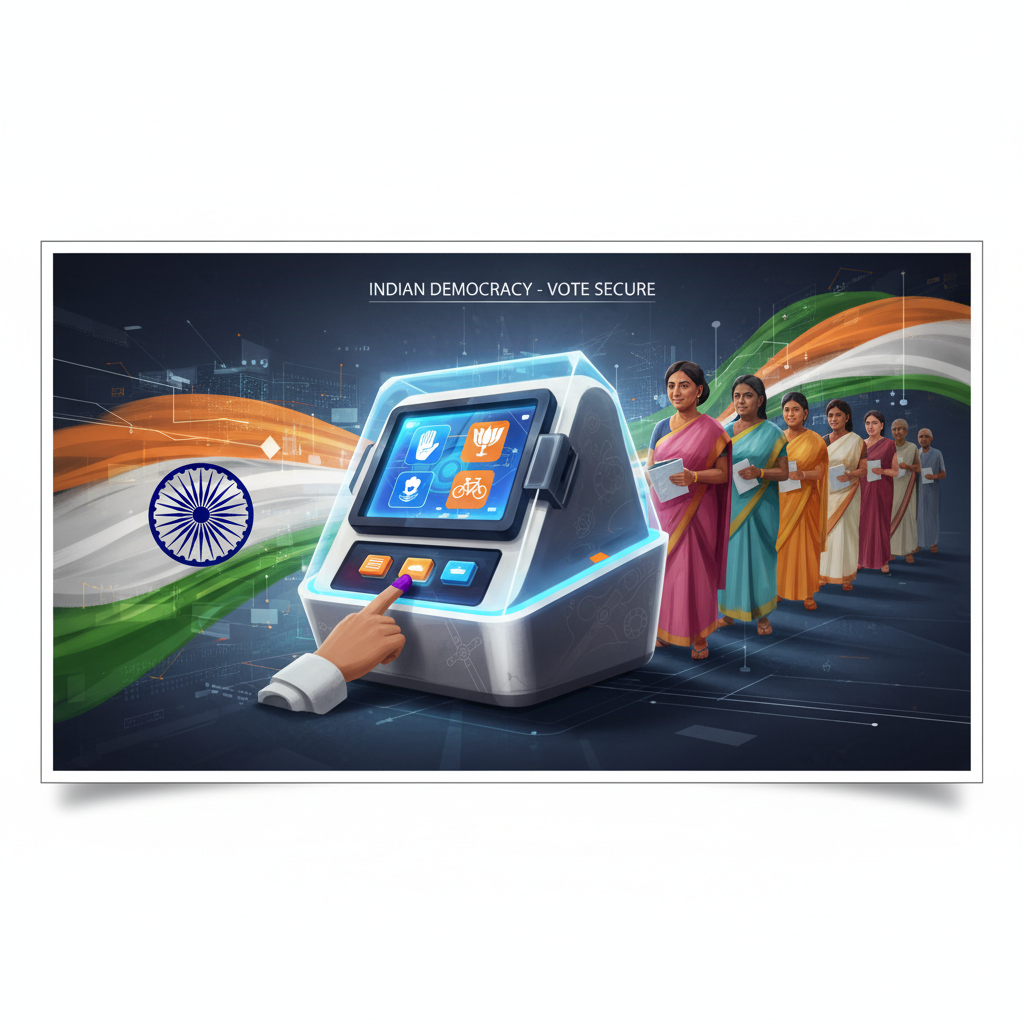
Known as the 'House of the People', the Lok Sabha is composed of representatives of the people chosen by direct election on the basis of universal adult suffrage. It is the real center of power in the Indian democratic system. The Speaker presides over its sessions.
Made byBobr AI

Lok Sabha: Composition & Tenure

550
Maximum Permissible Members
5 Years
Normal Term Duration
25 Years
Minimum Age to Contest
Made byBobr AI

Powers of Lok Sabha

  • Money Bills can only be introduced in the Lok Sabha.
  • Vote of No-Confidence against the government can only be passed here.
  • Decides the financial direction of the nation through the Budget.
  • Participates effectively in the election and impeachment of the President and Judges.
Made byBobr AI

Qualifications for Membership (Lok Sabha)

  • Citizenship: Must be a citizen of India.
  • Age: Must be at least 25 years of age.
  • Legal Standing: Must not hold any office of profit and must possess other qualifications as prescribed by Parliament.
Made byBobr AI

Rajya Sabha: The Upper House

The 'Council of States' represents the federal character of the nation. It is a permanent body and is not subject to dissolution. The Vice-President of India acts as the ex-officio Chairman of the Rajya Sabha.
Made byBobr AI

Rajya Sabha: Composition

Members are elected by the Legislative Assemblies of States and Union Territories. 12 members are nominated by the President for their expertise in Art, Literature, Science, and Social Service.

Chart
Made byBobr AI

Special Powers of Rajya Sabha

State List Legislation: Can authorize Parliament to make a law on a subject enumerated in the State List.

All India Services: Exclusive power to authorize the creation of new All India Services common to both the Centre and States.

Can approve the proclamation of Emergency if the Lok Sabha acts dissolution.

Made byBobr AI

Election & Composition of Rajya Sabha

  • Indirect Election: Members are elected by elected members of State Legislative Assemblies.
  • Proportional Representation: The election follows the system of proportional representation by means of a single transferable vote.
  • Term: It is a permanent body; one-third of its members retire every two years.
Made byBobr AI

Similarities Between Houses

  • Ordinary Bills can be introduced in either House.
  • Equal power in the impeachment of the President.
  • Equal power in amending the Constitution.
  • Both maintain the same privileges and immunities for members.
Made byBobr AI

Differences: Part I

FeatureLok SabhaRajya Sabha
Election ModeDirectly by PeopleIndirectly by MLAs
Minimum Age25 Years30 Years
Presiding OfficerSpeakerChairman (Vice-President)
Made byBobr AI

Differences: Part II

FeatureLok SabhaRajya Sabha
Tenure5 Years (can dissolve)6 Years (Permanent Body)
Money BillsCan Introduce & Vote14 Days to Suggest, No Vote
Executive ControlCouncil responsible to itNo Motion of No-confidence
Made byBobr AI

Conclusion

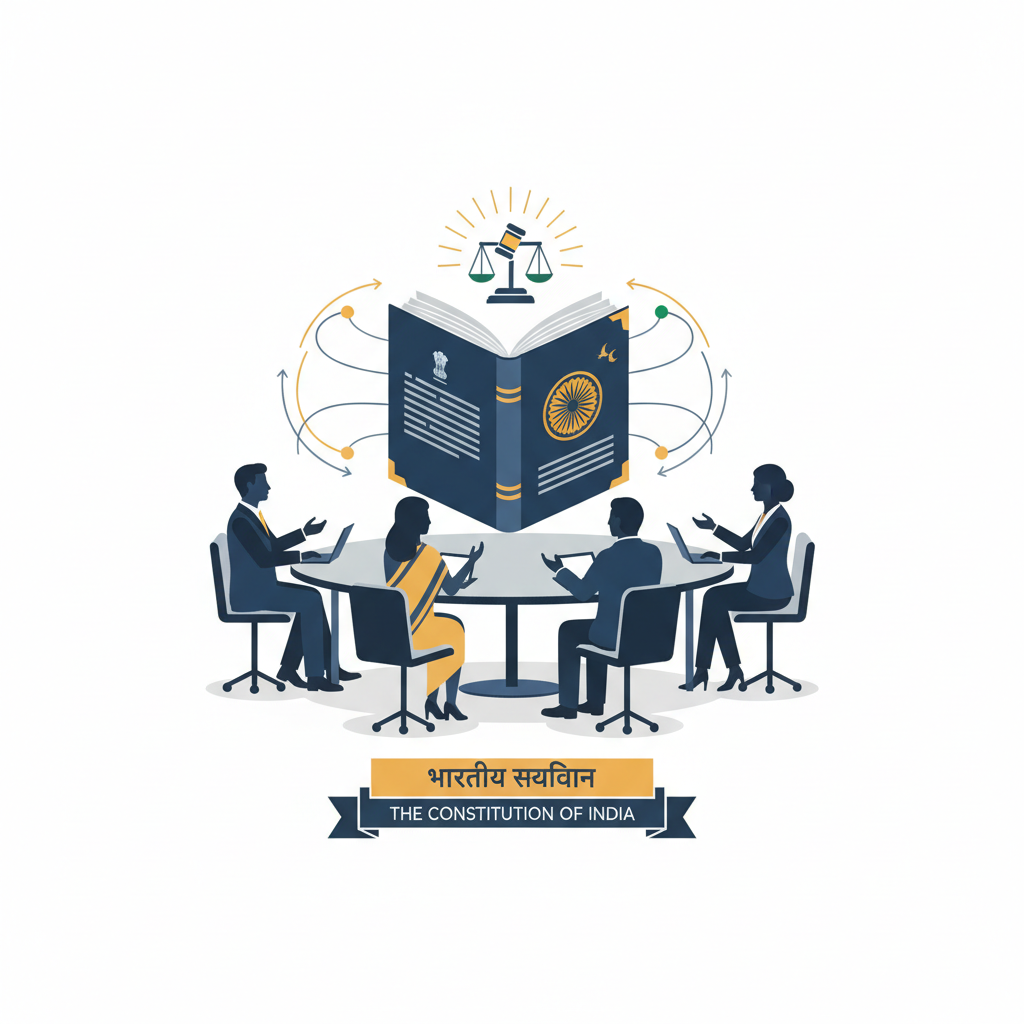
  • The Parliament stands as the supreme legislative body, ensuring democratic representation and accountability in India.
  • The bicameral system effectively balances the direct mandate of the people (Lok Sabha) with the representation of states (Rajya Sabha).
  • It acts as a vital check on executive power through questions, debates, and committees.
  • Ultimately, Parliament remains the custodian of the Constitution, reflecting the diverse aspirations of the Indian citizenry.
Made byBobr AI

Bibliography

Primary Sources:

  • The Constitution of India (Bare Act)
  • Official Website of Lok Sabha (loksabha.nic.in)
  • Official Website of Rajya Sabha (rajyasabha.nic.in)

Secondary Sources:

  • Laxmikanth, M. (2020). Indian Polity. McGraw Hill Education.
  • Basu, D.D. Introduction to the Constitution of India. LexisNexis.
  • Subhash C. Kashyap. Our Parliament. National Book Trust.
Made byBobr AI
Bobr AI

DESIGNER-MADE
PRESENTATION,
GENERATED FROM
YOUR PROMPT

Create your own professional slide deck with real images, data charts, and unique design in under a minute.

Generate For Free

Understanding India's Parliament: Rajya Sabha vs Lok Sabha

Explore the structure of the Indian Parliament, comparing Lok Sabha and Rajya Sabha roles, membership, powers, and legislative processes for students.

The Parliament of India

Structure, Composition, and Functions of Sansad - A Comprehensive Overview for Students

Parliament Overview

India follows a Bicameral Legislature system consisting of the President and two houses.

It is the supreme legislative body of the Republic of India.

Consists of the President, the Council of States (Rajya Sabha), and the House of the People (Lok Sabha).

Sessions of Parliament

Budget Session: The longest session, typically held from February to May, focusing on the annual financial statement.

Monsoon Session: Usually held in July and August to discuss legislation and pressing national issues.

Winter Session: The shortest session, held in November and December to conclude the parliamentary year.

Lok Sabha: The Lower House

Known as the 'House of the People', the Lok Sabha is composed of representatives of the people chosen by direct election on the basis of universal adult suffrage. It is the real center of power in the Indian democratic system. The Speaker presides over its sessions.

Lok Sabha: Composition & Tenure

550

Maximum Permissible Members

5 Years

Normal Term Duration

25 Years

Minimum Age to Contest

Powers of Lok Sabha

Money Bills can only be introduced in the Lok Sabha.

Vote of No-Confidence against the government can only be passed here.

Decides the financial direction of the nation through the Budget.

Participates effectively in the election and impeachment of the President and Judges.

Qualifications for Membership (Lok Sabha)

Citizenship: Must be a citizen of India.

Age: Must be at least 25 years of age.

Legal Standing: Must not hold any office of profit and must possess other qualifications as prescribed by Parliament.

Rajya Sabha: The Upper House

The 'Council of States' represents the federal character of the nation. It is a permanent body and is not subject to dissolution. The Vice-President of India acts as the ex-officio Chairman of the Rajya Sabha.

Rajya Sabha: Composition

Members are elected by the Legislative Assemblies of States and Union Territories. 12 members are nominated by the President for their expertise in Art, Literature, Science, and Social Service.

Special Powers of Rajya Sabha

State List Legislation: Can authorize Parliament to make a law on a subject enumerated in the State List.

All India Services: Exclusive power to authorize the creation of new All India Services common to both the Centre and States.

Can approve the proclamation of Emergency if the Lok Sabha acts dissolution.

Election & Composition of Rajya Sabha

Indirect Election: Members are elected by elected members of State Legislative Assemblies.

Proportional Representation: The election follows the system of proportional representation by means of a single transferable vote.

Term: It is a permanent body; one-third of its members retire every two years.

Similarities Between Houses

Ordinary Bills can be introduced in either House.

Equal power in the impeachment of the President.

Equal power in amending the Constitution.

Both maintain the same privileges and immunities for members.

Differences: Part I

Election Mode

Directly by People

Indirectly by MLAs

Minimum Age

25 Years

30 Years

Presiding Officer

Speaker

Chairman (Vice-President)

Differences: Part II

Tenure

5 Years (can dissolve)

6 Years (Permanent Body)

Money Bills

Can Introduce & Vote

14 Days to Suggest, No Vote

Executive Control

Council responsible to it

No Motion of No-confidence

  • indian-parliament
  • lok-sabha
  • rajya-sabha
  • civics-education
  • indian-government
  • constitutional-law
  • upsc-notes