


Made byBobr AI

Revolutions of the 18th Century: American, French, Haitian

Explore the causes, leaders, and outcomes of the American, French, and Haitian revolutions and their roots in Enlightenment thinking.

#world-history#american-revolution#french-revolution#haitian-revolution#enlightenment#educational#social-studies
Watch
Pitch

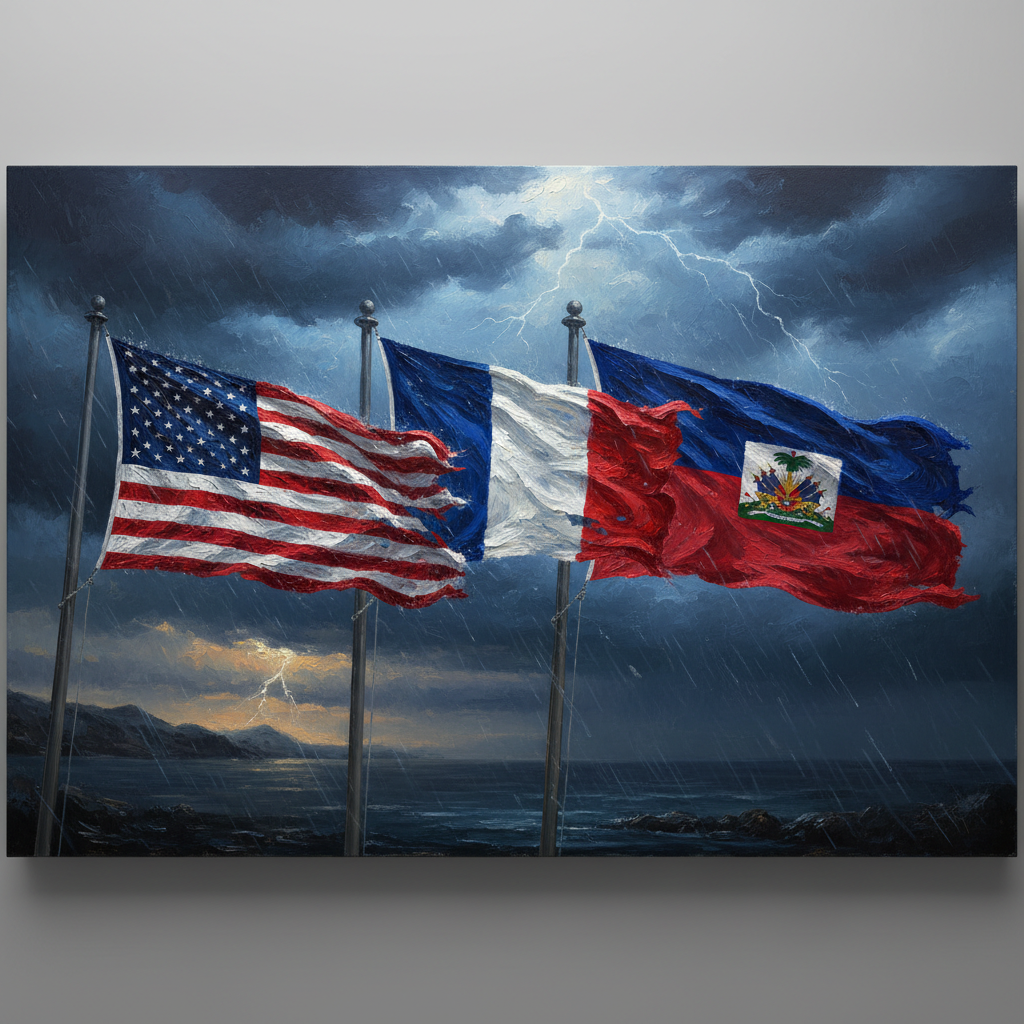
Revolutions of the 18th Century

American • French • Haitian

Made byBobr AI

Part 1: The American Revolution

Started: 1775

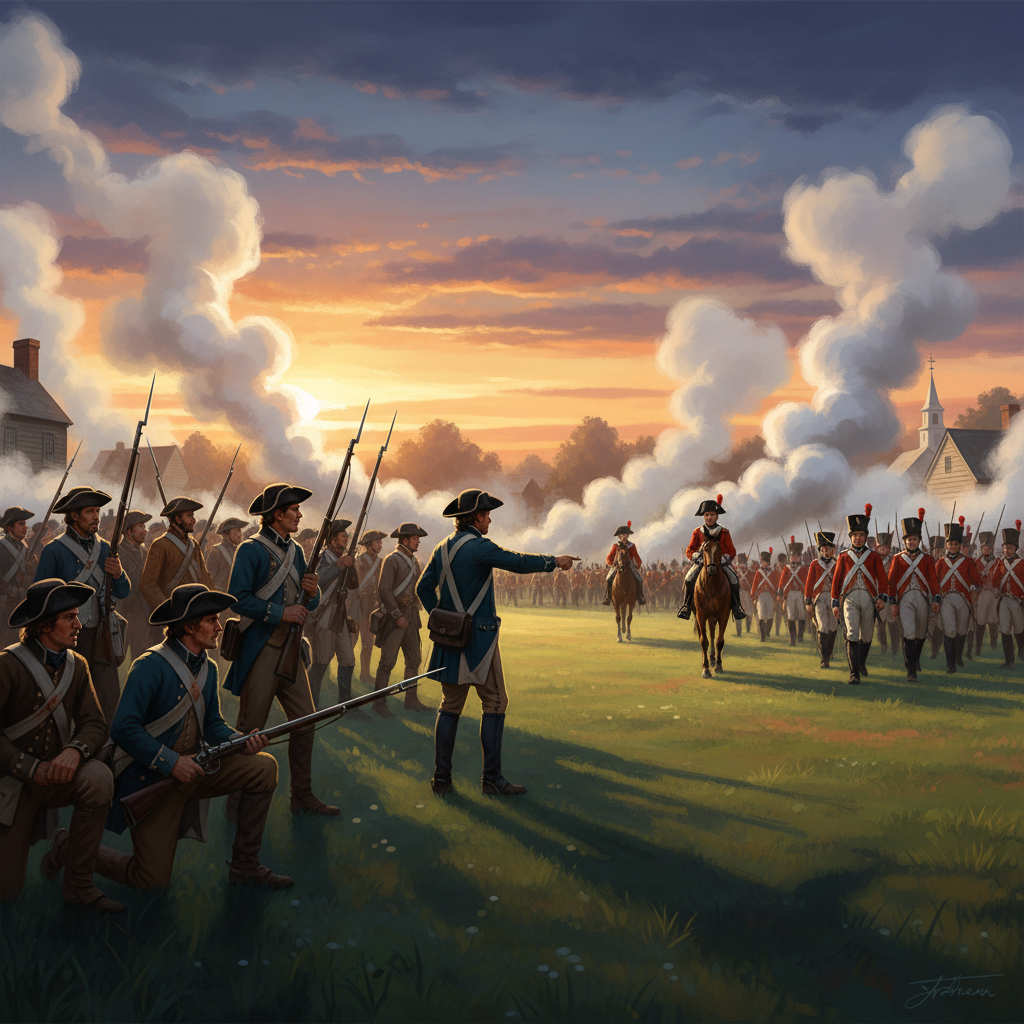
  • Tensions boiled over at Lexington and Concord.
  • The 'Shot Heard 'Round the World' sparked the war.
Made byBobr AI

Major Issues: Why Rebel?

British Debt: King George III needed money after French & Indian War.
'No Taxation Without Representation': Colonists had no vote in Parliament.
Unfair Acts: Stamp Act (paper), Tea Act, and Quartering Act.
Loss of Freedom: Colonists felt treated like second-class citizens.
Made byBobr AI

Enlightenment Influence

  • John Locke's Natural Rights: Life, Liberty, and Property.
  • The Social Contract: If a ruler breaks the contract, people can revolt.
  • Influence on Rulers: King George III rejected these ideas, seeing himself as divinely chosne.
  • Thomas Jefferson used these exact ideas to write the Declaration of Independence.
Made byBobr AI

Major Leaders of the Revolution

George Washington

Commander of the Continental Army.

Thomas Jefferson

Author of the Declaration of Independence.

Benjamin Franklin

Diplomat who secured vital French alliance.

Made byBobr AI

Roles of the Leaders

  • Strategic Leadership: Washington kept the army together during freezing winters (Valley Forge).
  • Intellectual Power: Jefferson and Adams articulated WHY they were fighting.
  • Global Networking: Franklin charmed France into sending money, ships, and troops.
  • Radical Agitation: Sam Adams and the Sons of Liberty organized protests.
Made byBobr AI

Roles of Women

1. Boycotts: Daughters of Liberty: Organized boycotts of British goods (homespun cloth).

2. Support: Camp Followers: Nurses, cooks, and caretakers for the army.

3. Espionage: Spies: Women like Agent 355 used their access to British officers to gather intel.

4. Combat: Soldiers: Deborah Sampson disguised herself as a man to fight.

Made byBobr AI

Outcome: Independence Won

Ended: 1783 with the Treaty of Paris
Britain recognized the United States as an independent nation.
Establishment of a Republic: No King. A government by the people.
Inspiration reflects: It proved Enlightenment ideas could work in real life.
Limit: Slavery remained legal, contradicting 'all men created equal'.
Made byBobr AI

Part 2: The French Revolution

Started: 1789

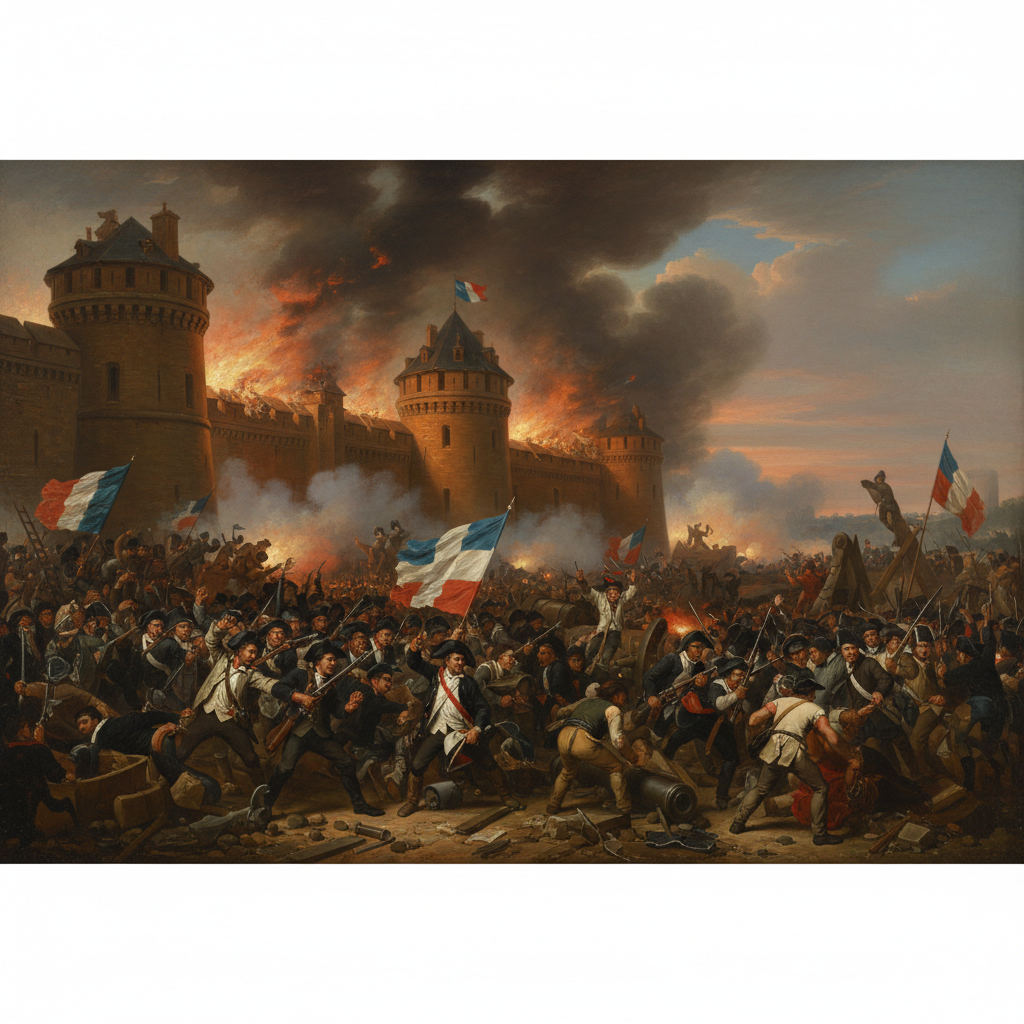
The Storming of the Bastille (July 14) ignited the revolution.

Made byBobr AI

Major Issue: Inequality

  • The Three Estates: 97% of people paid 100% of the taxes.
  • Starvation: Bad harvests meant no bread, while the King feasted.
  • National Debt: France was broke from funding the American Revolution.
Chart
Made byBobr AI

Enlightenment Influence

⚫ Slogan: 'Liberté, Égalité, Fraternité' (Liberty, Equality, Fraternity).
⚫ Rousseau's Popular Sovereignty: Power comes from the PEOPLE, not God.
⚫ Declaration of the Rights of Man: Guaranteed equal justice and free speech.
⚫ Influence on Rulers: It totally stripped the King and Church of their power.
Made byBobr AI

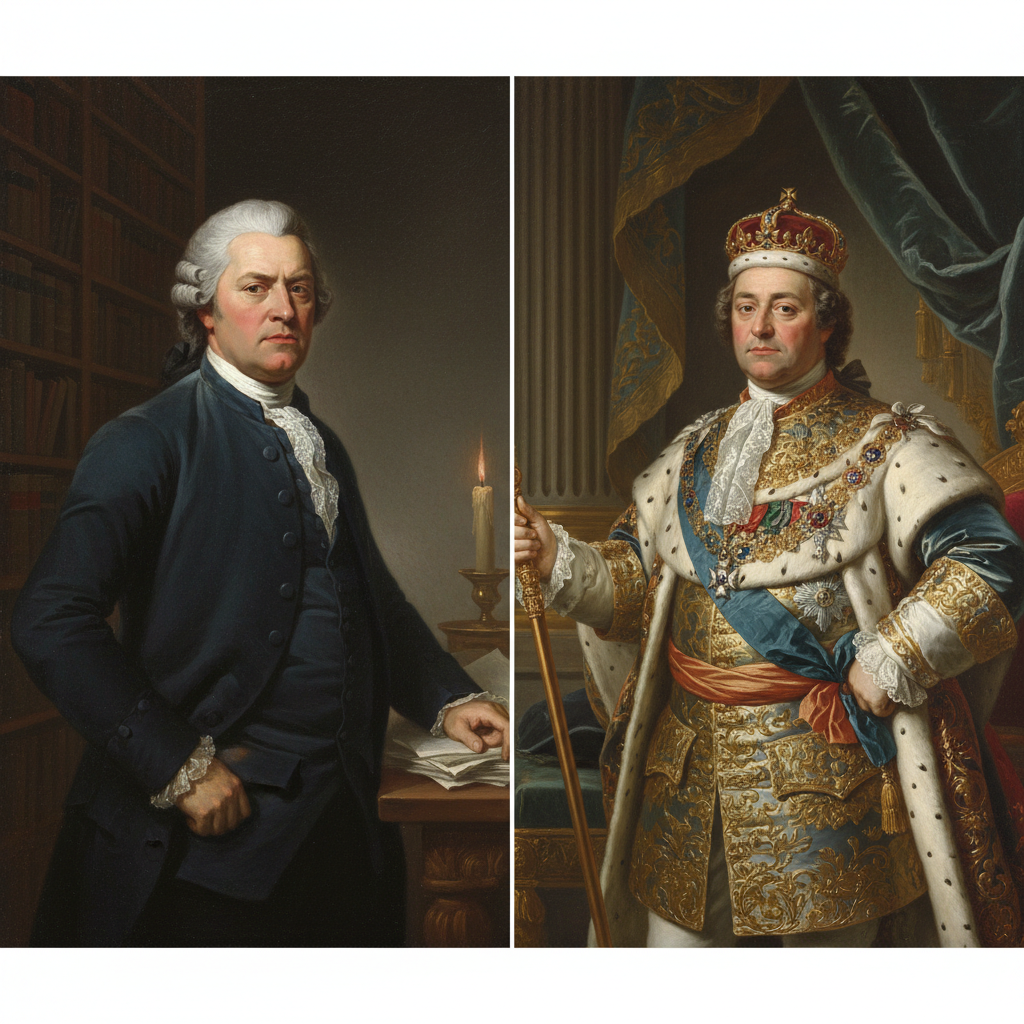
Major Leaders

Maximilien Robespierre

The 'Incorruptible' lawyer who became a radical dictator.

King Louis XVI

The indecisive King who was eventually executed.

Made byBobr AI

Roles of the Leaders

🔥 Robespierre: Led the 'Committee of Public Safety'. Ironically killed anyone who disagreed with 'Safety'.
🗞️ Marat: Published angry newspapers urging violence against nobles (Propaganda).
🗣️ Danton: A powerful speaker who rallied the people, then was killed by Robespierre.
⚔️ Transition from Reform to Terror: They started wanting rights, but ended up wanting revenge.
Made byBobr AI

Roles of Women


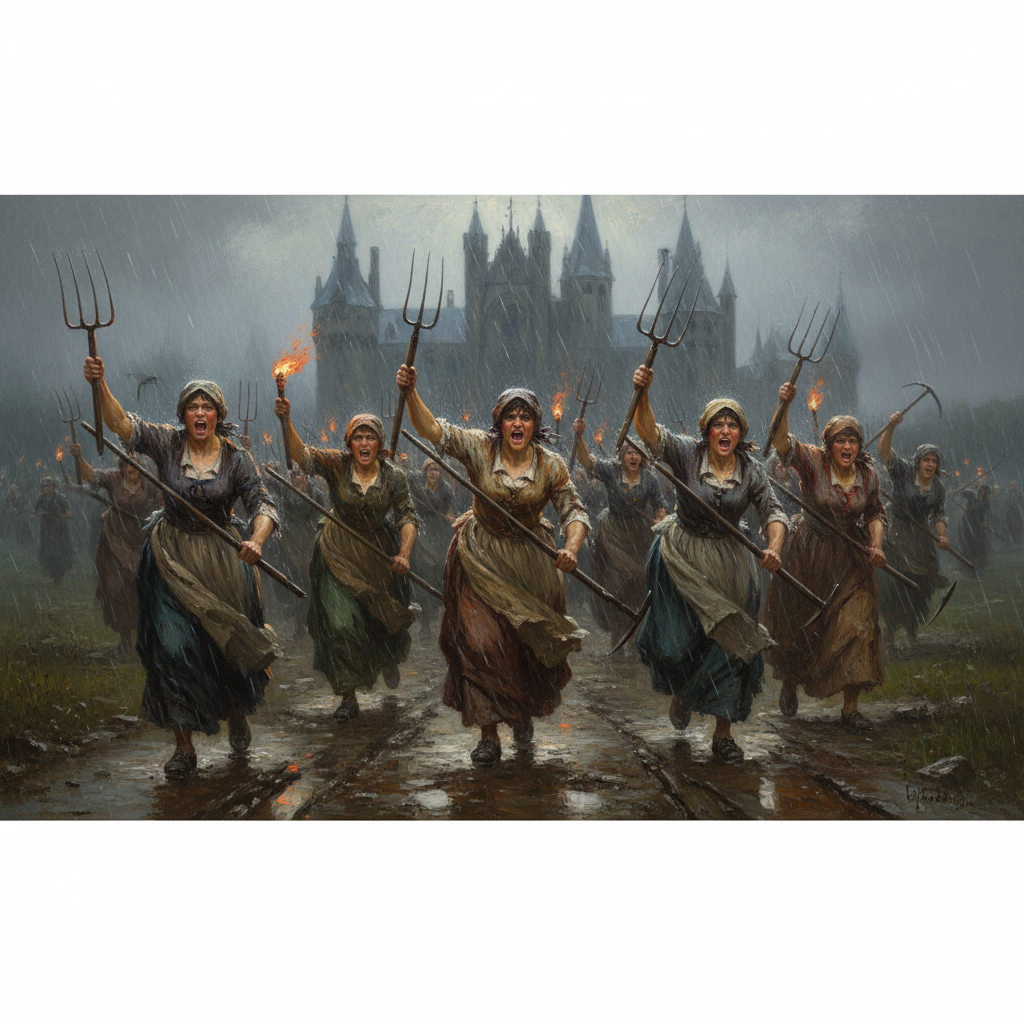
March on Versailles (1789): 7,000 women marched 12 miles to demand bread from the King.

They forced the King & Queen to move back to Paris (house arrest).

Olympe de Gouges: Wrote 'Declaration of the Rights of Woman'.

Outcome for Women: Revolutionaries ignored them. De Gouges was executed.

Made byBobr AI

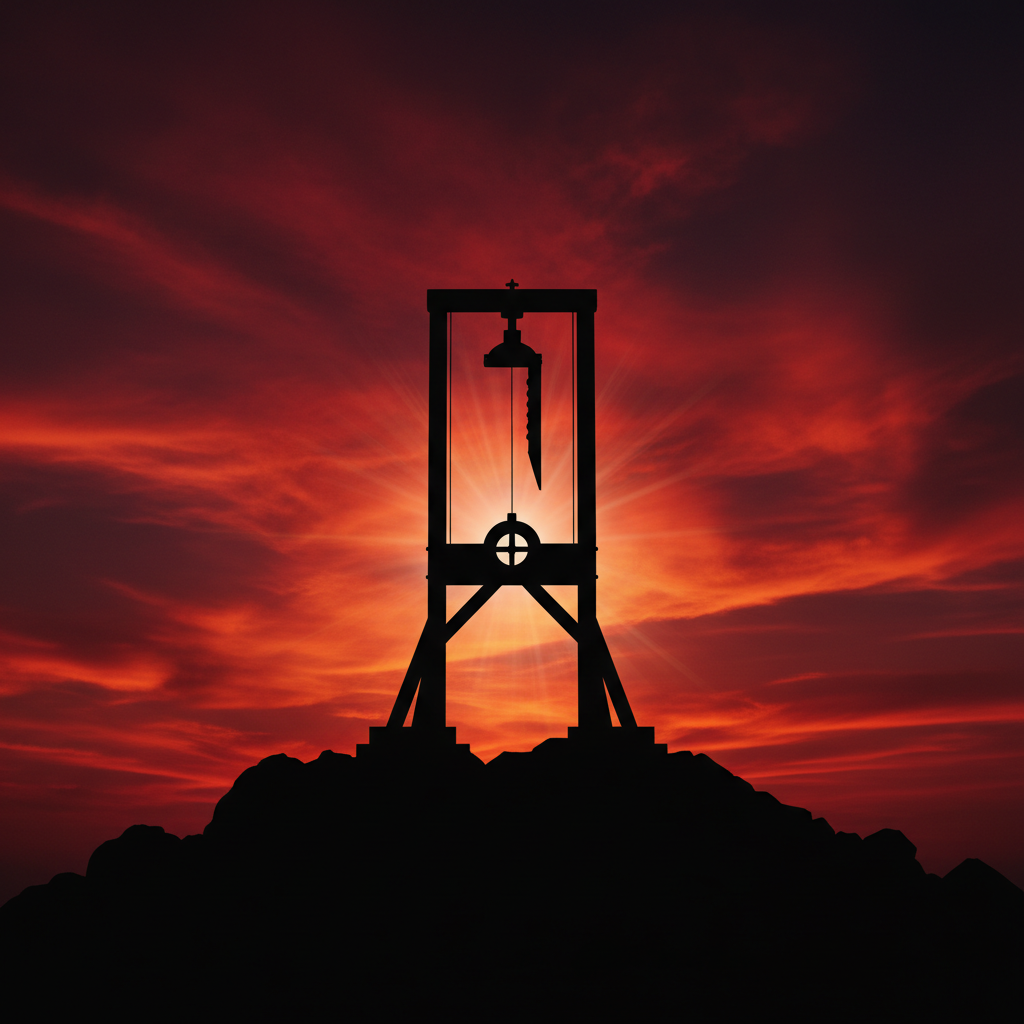
The Reign of Terror

To 'protect' the revolution, Robespierre suspended rights. Fear ruled France.

40,000 Executed

Symbol: The Guillotine

Made byBobr AI

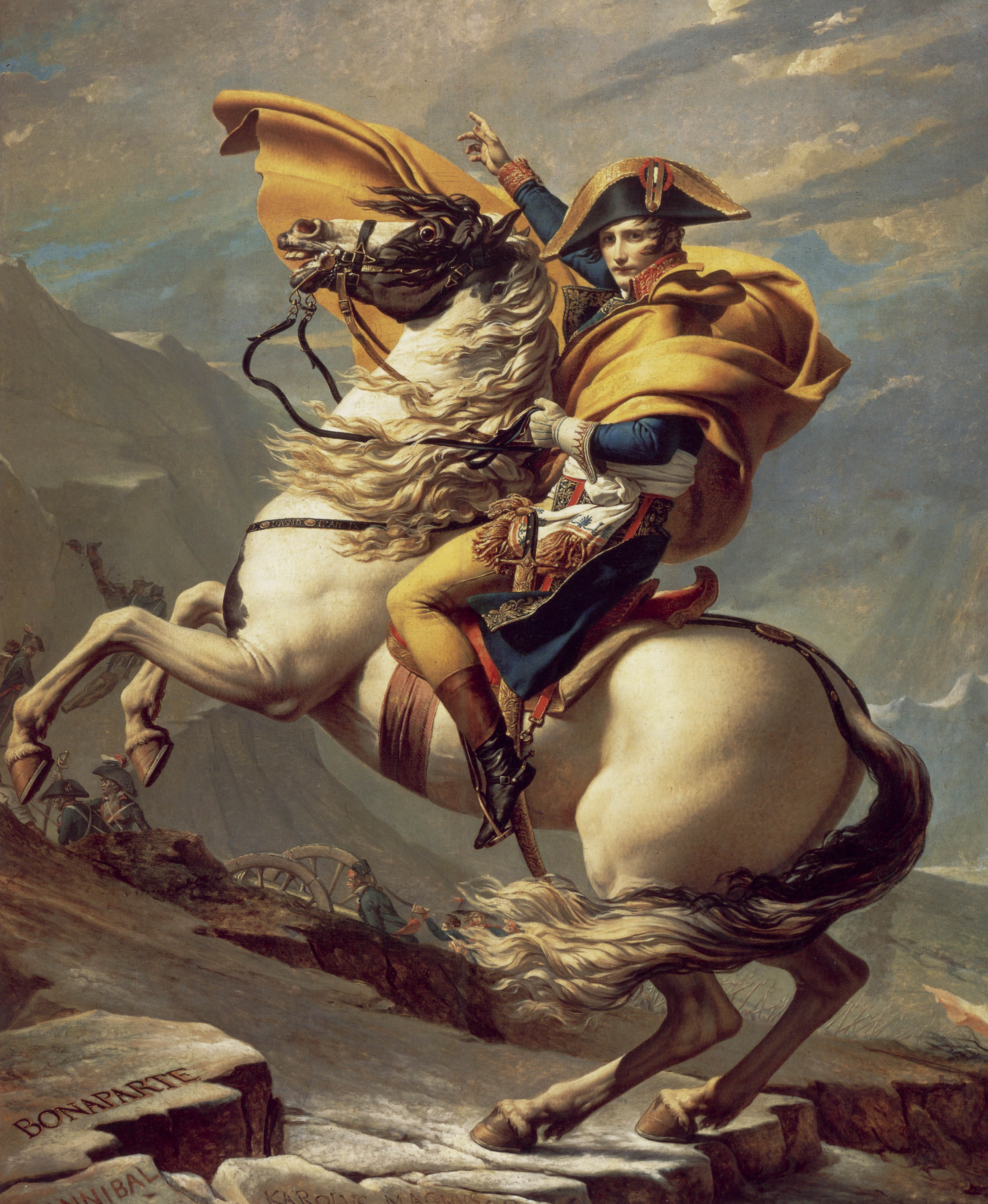
Outcome: Rise of Napoleon

Ended: 1799 (Coup d'État)

  • Chaos caused people to crave stability over liberty.
  • Napoleon Bonaparte seized power and declared himself Emperor.
  • Irony: They killed a King to end up with an Emperor.
Made byBobr AI

Part 3: The Haitian Revolution

Started: 1791

The only successful slave revolt in history.

Made byBobr AI

Major Issues: Slavery

⛓️ Saint-Domingue (Haiti) was the richest colony in the world (Sugar/Coffee).

⛓️ Britality: 500,000 enslaved people vs. 30,000 white owners.

⛓️ Death Rate: Conditions were so bad, most enslaved people died within a few years.

chains Social Caste: Wealthy Free People of Color also wanted rights but ignored the enslaved.

Made byBobr AI
Enlightenment Influence
  • 🗣️ News from France: They heard about 'Liberty, Equality, Fraternity'.
  • 💡 Logic Gap: If 'All Men Are Created Equal', why are we in chains?
  • 😨 Influence on Rulers: Colonial masters were terrified the ideas would spread.
  • ✨ Result: The enslaved took the Enlightenment to its truest conclusion – universal freedom.
Made byBobr AI

Major Leaders

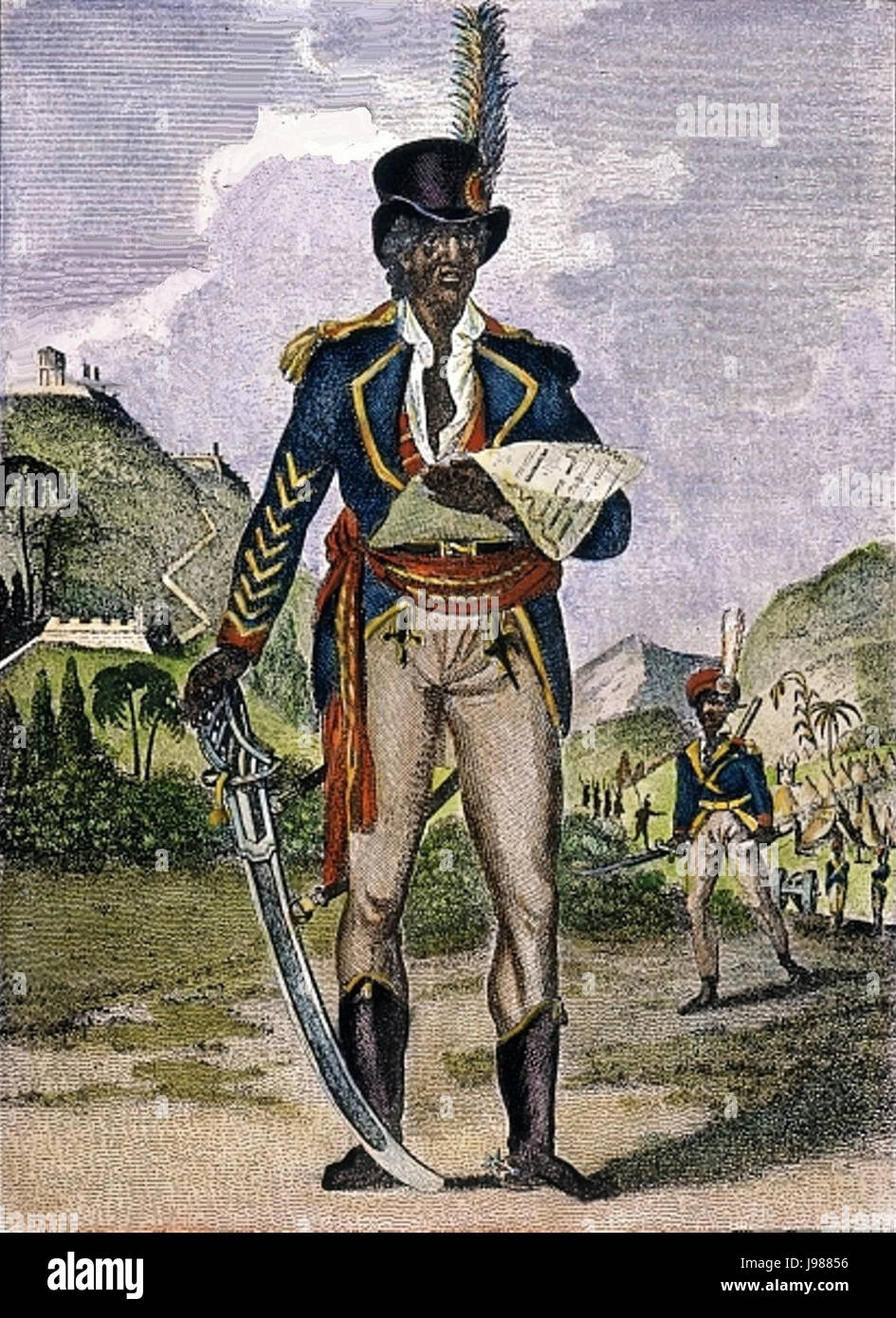
Toussaint Louverture

Formerly enslaved, he became a brilliant general.

Jean-Jacques Dessalines

Toussaint's lieutenant who fought fiercely for total independence.

Made byBobr AI

Roles of the Leaders

⚔️ Military Genius: Toussaint trained an untrained army to beat Spain, Britain, AND France.

🤝 Diplomacy: Toussaint switched sides when convenient to help his people (Strategy).

📜 Constitution: Toussaint wrote a constitution declaring himself governor for life (Controversial).

🔥 Scorched Earth: Dessalines used 'burn it down' tactics to drive the French out.

Made byBobr AI

Roles of Women

🌺 Spiritual Leaders: Cécile Fatiman (Voodoo priestess) kickstarted the revolution.
🗡️ Warriors: Sanité Bélair was a lieutenant who fought in direct combat.
🗣️ Defiance: When captured, Sanité refused a blindfold and shouted 'Viv Libète!' (Live Free).
⛰️ Network: Women organized supply lines and intelligence networks in the mountains.
Made byBobr AI

Outcome: Freedom

Ended: 1804 (Independence Declared)

✅ Formation of Haiti: The first Black Republic in the world.
✅ Total Abolition: The only place where slavery was permanently ended by the enslaved.
⚠️ Cost: France forced Haiti to pay a massive 'debt' for lost property (people), hurting its economy for centuries.
Made byBobr AI

Comparing the Revolutions

American

Political change: Got rid of King, kept slavery.

French

Social change: Overturned class system, ended in Dictatorship.

Haitian

Total change: Political independence AND ended social slavery.

Made byBobr AI
Bobr AI

DESIGNER-MADE
PRESENTATION,
GENERATED FROM
YOUR PROMPT

Create your own professional slide deck with real images, data charts, and unique design in under a minute.

Generate For Free

Revolutions of the 18th Century: American, French, Haitian

Explore the causes, leaders, and outcomes of the American, French, and Haitian revolutions and their roots in Enlightenment thinking.

Revolutions of the 18th Century

American • French • Haitian

Part 1: The American Revolution

Started: 1775

Tensions boiled over at Lexington and Concord.

The 'Shot Heard 'Round the World' sparked the war.

Major Issues: Why Rebel?

British Debt: King George III needed money after French & Indian War.

'No Taxation Without Representation': Colonists had no vote in Parliament.

Unfair Acts: Stamp Act (paper), Tea Act, and Quartering Act.

Loss of Freedom: Colonists felt treated like second-class citizens.

Enlightenment Influence

John Locke's Natural Rights: Life, Liberty, and Property.

The Social Contract: If a ruler breaks the contract, people can revolt.

Influence on Rulers: King George III rejected these ideas, seeing himself as divinely chosne.

Thomas Jefferson used these exact ideas to write the Declaration of Independence.

Major Leaders of the Revolution

George Washington

Commander of the Continental Army.

Thomas Jefferson

Author of the Declaration of Independence.

Benjamin Franklin

Diplomat who secured vital French alliance.

Roles of the Leaders

Strategic Leadership: Washington kept the army together during freezing winters (Valley Forge).

Intellectual Power: Jefferson and Adams articulated WHY they were fighting.

Global Networking: Franklin charmed France into sending money, ships, and troops.

Radical Agitation: Sam Adams and the Sons of Liberty organized protests.

Roles of Women

Daughters of Liberty: Organized boycotts of British goods (homespun cloth).

Camp Followers: Nurses, cooks, and caretakers for the army.

Spies: Women like Agent 355 used their access to British officers to gather intel.

Soldiers: Deborah Sampson disguised herself as a man to fight.

Outcome: Independence Won

Ended: 1783 with the Treaty of Paris

Britain recognized the United States as an independent nation.

Establishment of a Republic: No King. A government by the people.

Inspiration reflects: It proved Enlightenment ideas could work in real life.

Limit: Slavery remained legal, contradicting 'all men created equal'.

Part 2: The French Revolution

Started: 1789

The Storming of the Bastille (July 14) ignited the revolution.

Major Issue: Inequality

The Three Estates: 97% of people paid 100% of the taxes.

Starvation: Bad harvests meant no bread, while the King feasted.

National Debt: France was broke from funding the American Revolution.

Enlightenment Influence

Slogan: 'Liberté, Égalité, Fraternité' (Liberty, Equality, Fraternity).

Rousseau's Popular Sovereignty: Power comes from the PEOPLE, not God.

Declaration of the Rights of Man: Guaranteed equal justice and free speech.

Influence on Rulers: It totally stripped the King and Church of their power.

Major Leaders

Maximilien Robespierre

The 'Incorruptible' lawyer who became a radical dictator.

King Louis XVI

The indecisive King who was eventually executed.

Roles of the Leaders

Robespierre: Led the 'Committee of Public Safety'. Ironically killed anyone who disagreed with 'Safety'.

Marat: Published angry newspapers urging violence against nobles (Propaganda).

Danton: A powerful speaker who rallied the people, then was killed by Robespierre.

Transition from Reform to Terror: They started wanting rights, but ended up wanting revenge.

Roles of Women

March on Versailles (1789): 7,000 women marched 12 miles to demand bread from the King.

They forced the King & Queen to move back to Paris (house arrest).

Olympe de Gouges: Wrote 'Declaration of the Rights of Woman'.

Outcome for Women: Revolutionaries ignored them. De Gouges was executed.

The Reign of Terror

To 'protect' the revolution, Robespierre suspended rights. Fear ruled France.

40,000 Executed

Symbol: The Guillotine

Outcome: Rise of Napoleon

Ended: 1799 (Coup d'État)

Chaos caused people to crave stability over liberty.

Napoleon Bonaparte seized power and declared himself Emperor.

Irony: They killed a King to end up with an Emperor.

Part 3: The Haitian Revolution

Started: 1791

The only successful slave revolt in history.

Major Issues: Slavery

Saint-Domingue (Haiti) was the richest colony in the world (Sugar/Coffee).

Britality: 500,000 enslaved people vs. 30,000 white owners.

Death Rate: Conditions were so bad, most enslaved people died within a few years.

Social Caste: Wealthy Free People of Color also wanted rights but ignored the enslaved.

Enlightenment Influence

News from France: They heard about 'Liberty, Equality, Fraternity'.

Logic Gap: If 'All Men Are Created Equal', why are we in chains?

Influence on Rulers: Colonial masters were terrified the ideas would spread.

Result: The enslaved took the Enlightenment to its truest conclusion – universal freedom.

Major Leaders

Toussaint Louverture

Formerly enslaved, he became a brilliant general.

Jean-Jacques Dessalines

Toussaint's lieutenant who fought fiercely for total independence.

Roles of the Leaders

Military Genius: Toussaint trained an untrained army to beat Spain, Britain, AND France.

Diplomacy: Toussaint switched sides when convenient to help his people (Strategy).

Constitution: Toussaint wrote a constitution declaring himself governor for life (Controversial).

Scorched Earth: Dessalines used 'burn it down' tactics to drive the French out.

Roles of Women

Spiritual Leaders: Cécile Fatiman (Voodoo priestess) kickstarted the revolution.

Warriors: Sanité Bélair was a lieutenant who fought in direct combat.

Defiance: When captured, Sanité refused a blindfold and shouted 'Viv Libète!' (Live Free).

Network: Women organized supply lines and intelligence networks in the mountains.

Outcome: Freedom

Ended: 1804 (Independence Declared)

Formation of Haiti: The first Black Republic in the world.

Total Abolition: The only place where slavery was permanently ended by the enslaved.

Cost: France forced Haiti to pay a massive 'debt' for lost property (people), hurting its economy for centuries.

Comparing the Revolutions

American

Political change: Got rid of King, kept slavery.

French

Social change: Overturned class system, ended in Dictatorship.

Haitian

Total change: Political independence AND ended social slavery.

  • world-history
  • american-revolution
  • french-revolution
  • haitian-revolution
  • enlightenment
  • educational
  • social-studies