


Nursing Care for Vascular Disorders & Patient Management
Comprehensive nursing guide to vascular care, covering hypertension, PAD, VTE, and aneurysms. Learn diagnostic tools, risk factors, and interventions.
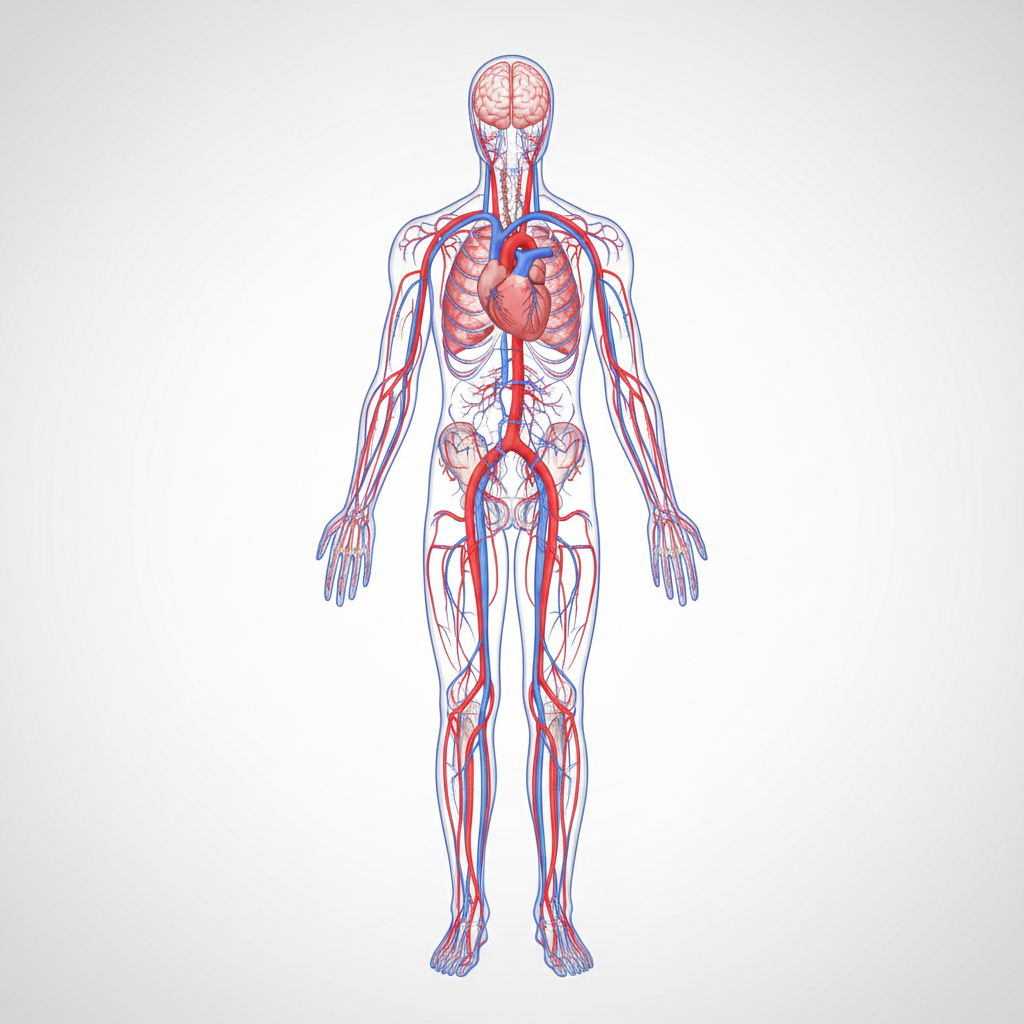
Vascular Disorders: Nursing Concepts of Care
From Hypertension to Vascular Emergencies
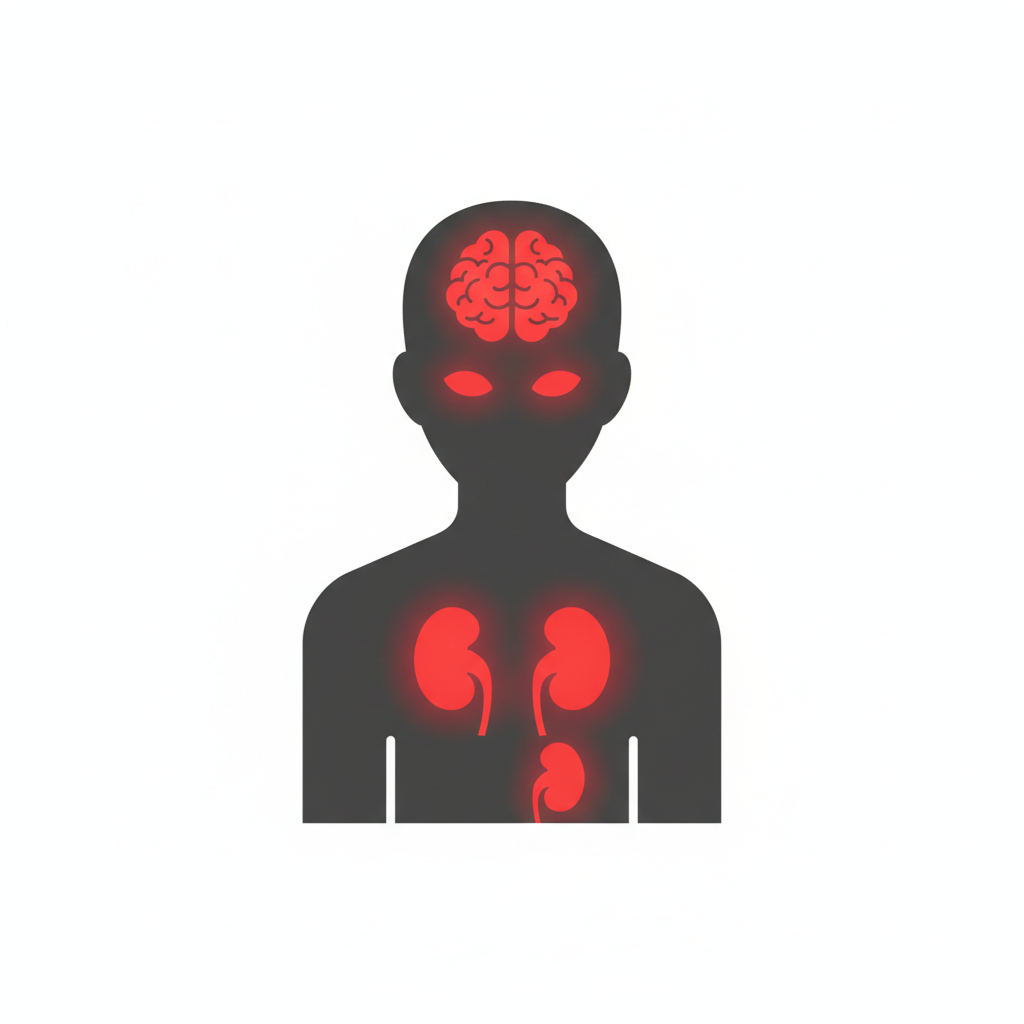
The Problem: Hypertension (HTN)
"The Silent Killer"
Pathology: Increased SNS activity & fluid retention (RAAS)
Symptoms: Often asymptomatic until organ damage occurs
Target Organs: Eyes, Brain, Heart, Kidneys
Risk Factors: Modifiable vs. Non-Modifiable
Modifiable (Changeable)
• Smoking • Sedentary Lifestyle • Obesity / Dyslipidemia • Excessive Alcohol/Stress • Low K+, Ca++, Mg++
Non-Modifiable (Fixed)
• Age • Gender • Family History • Ethnic Background • Kidney Damage
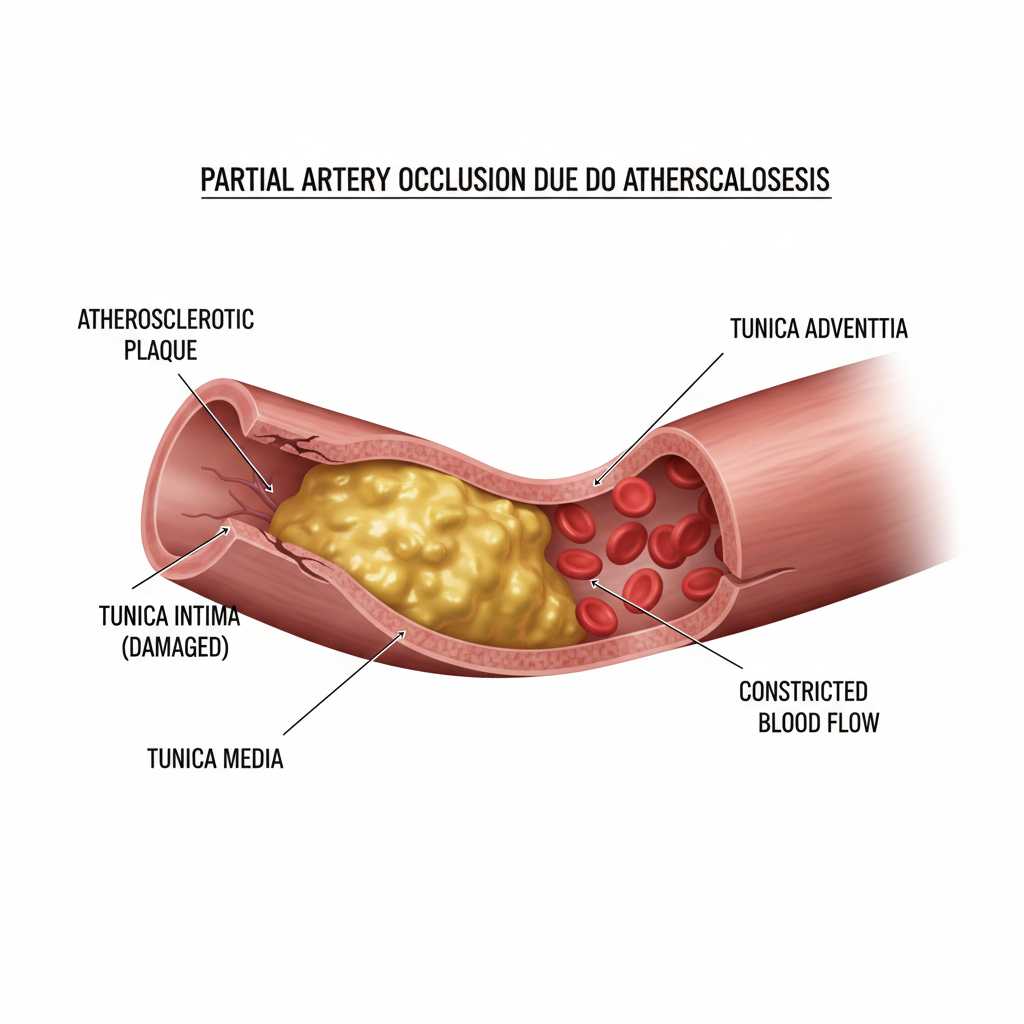
Atherosclerosis: The Root Cause
Thickening and hardening of arterial walls due to lipid deposits.
1. Endothelial Injury
2. Lipid/Plaque Accumulation
3. Narrowed Lumen (Ischemia)
Peripheral Arterial Disease (PAD)
Intermittent Claudication
Muscle pain during exercise (oxygen demand > supply). Relieved by rest.
Decreased/Absent Pulses
Loss of hair on lower legs
Dependent Rubor (Red when down)
Elevation Pallor (Pale when up)
Impact of Walking Exercise on PAD
Walking to the point of pain 3x/week significantly improves walking distance.
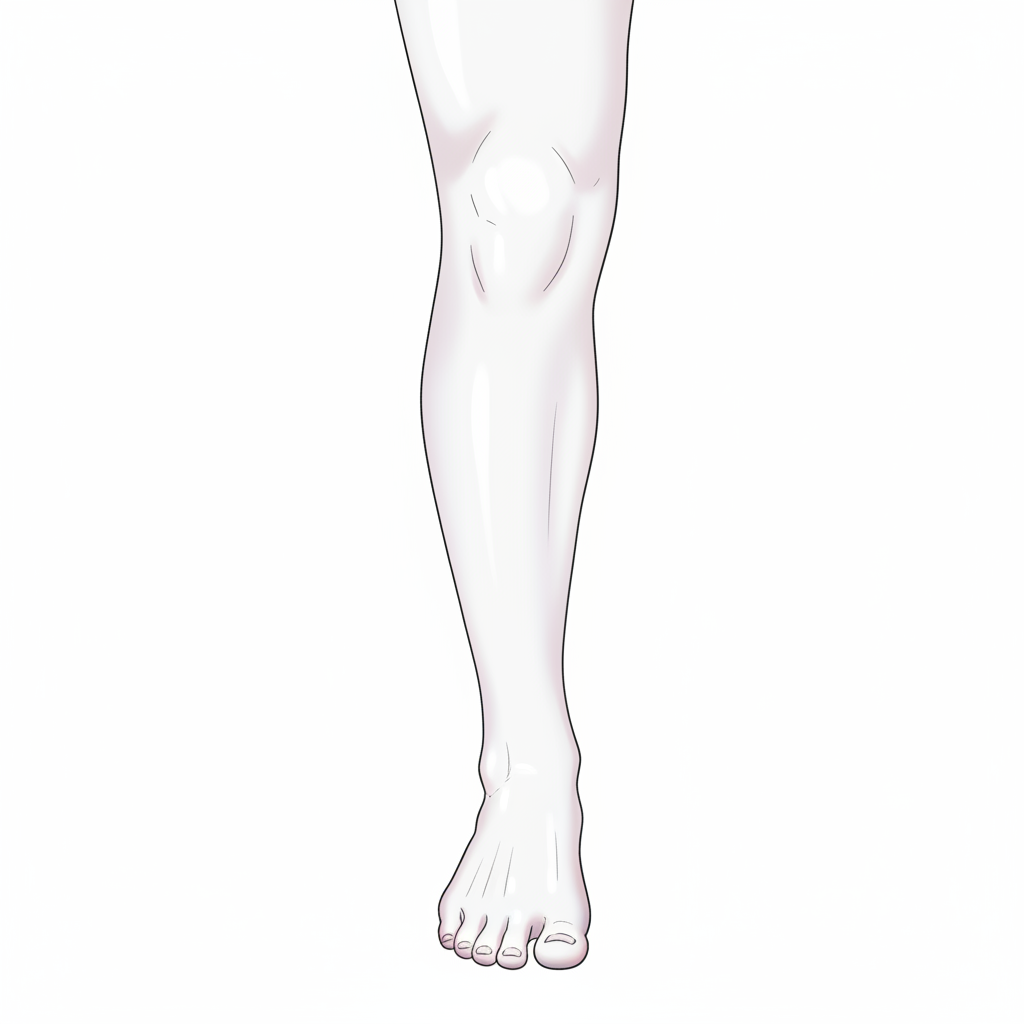
Etiology of Leg Ulcers
Venous: Large, weeping, irregular borders.
Arterial: Small, deep, circular, dry (necrosis).
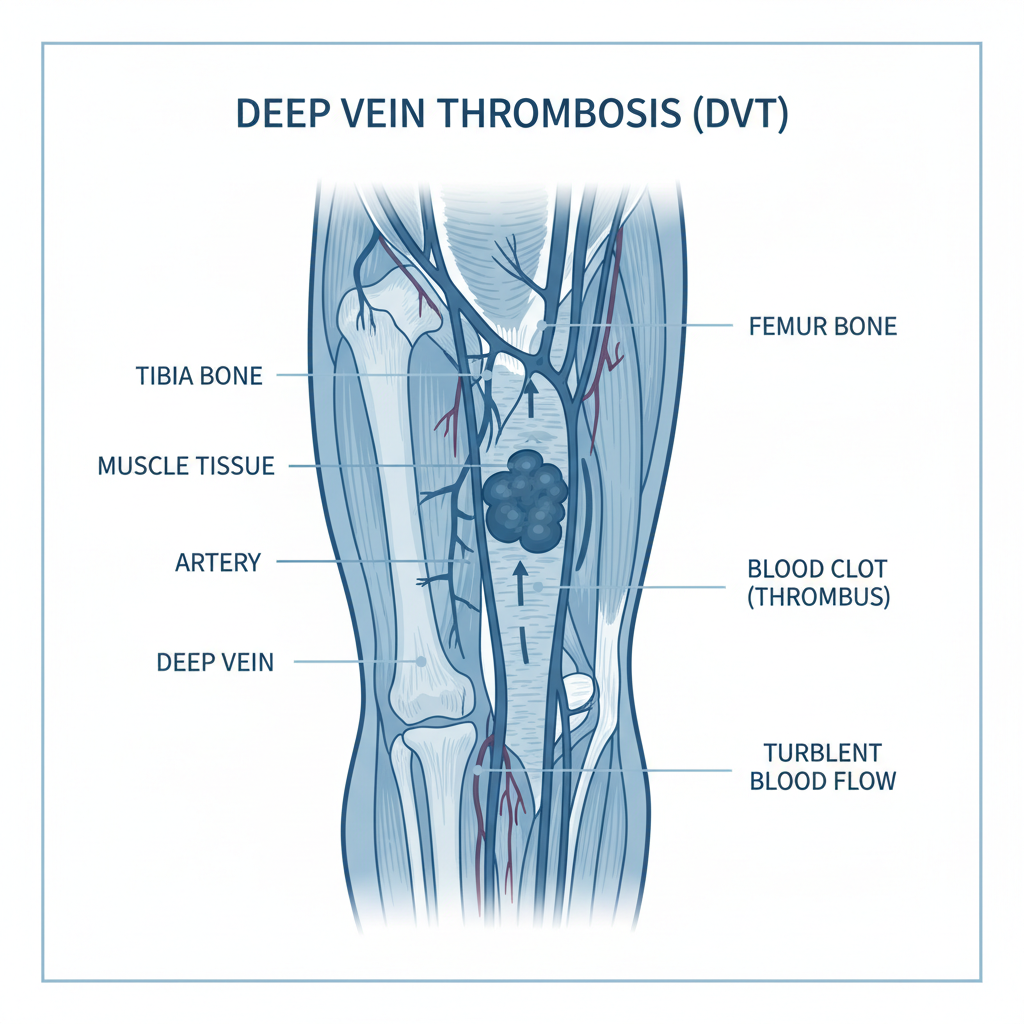
Venous Disease & Thromboembolism (VTE)
Virchow's Triad (Causes)
1. Stasis of blood (Immobility)
2. Vessel wall injury (Surgery/Trauma)
3. Altered coagulation (Thick blood)
S/S: Unilateral swelling, calf tenderness, warmth, redness.
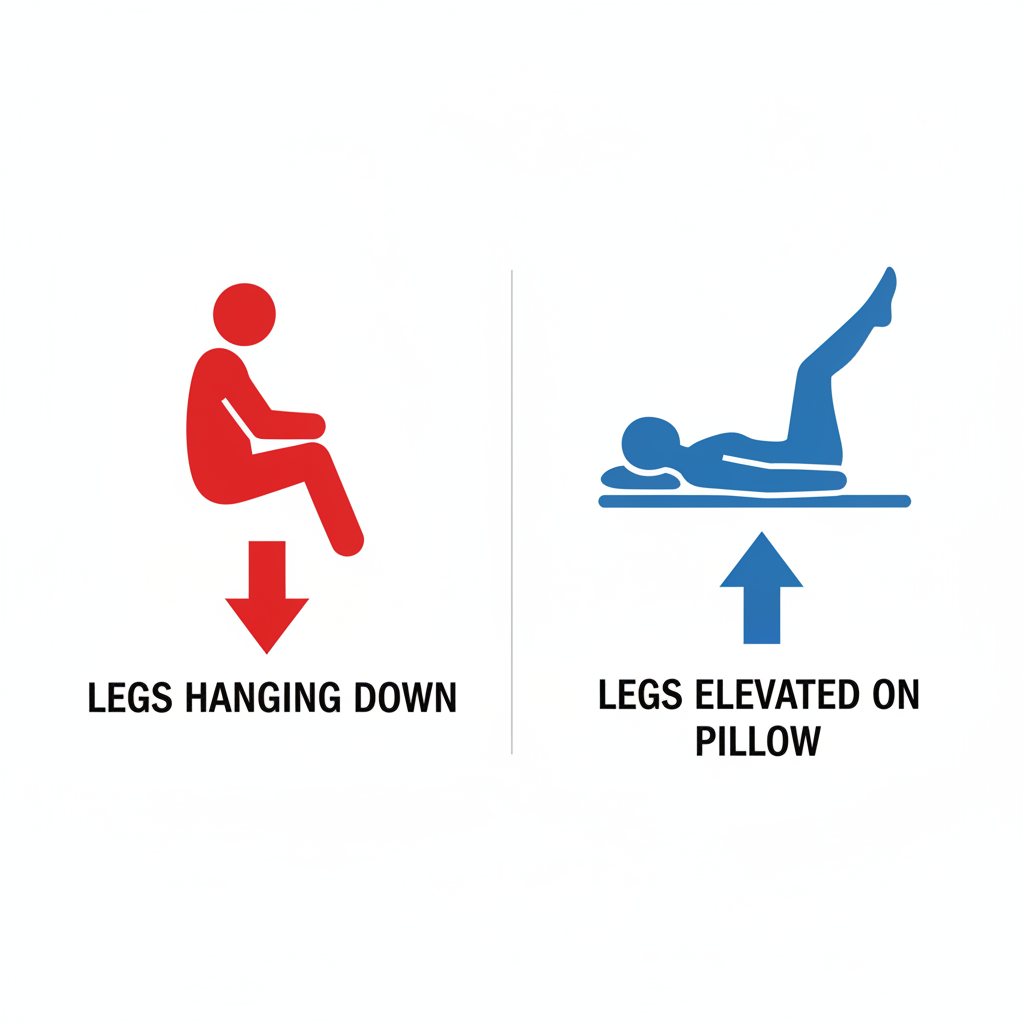
Critical Nursing Intervention: Positioning
ARTERIAL = LEGS DOWN
Gravity helps blood flow to the feet.
VENOUS = LEGS UP
Gravity drains blood back to the heart.
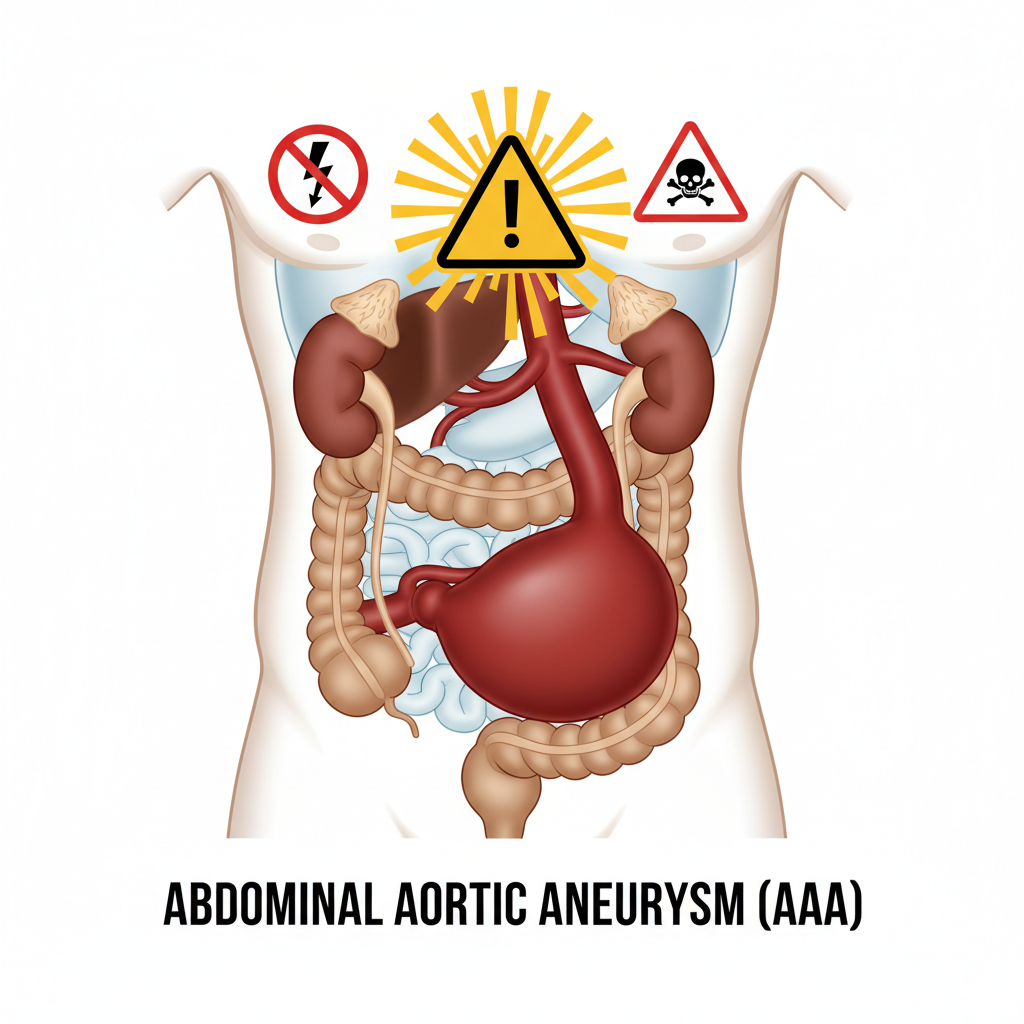
Aneurysm Safety & Emergencies
Weakness in vessel wall causing ballooning.
Abdominal Aortic Aneurysm (AAA): Pulsing mass in abdomen, bruit. DO NOT PALPATE.
Signs of Rupture (Emergency):
• Severe back/abdominal pain • Hypotension (Shock) • Diaphoresis
Diagnostic Evaluation
Ankle-Brachial Index (ABI)
Ratio of ankle systolic BP to arm systolic BP. <0.9 indicates PAD.
Doppler Ultrasound
Mapping blood flow and identifying blockages or clots (DVT).
Angiography (CTA/MRA)
Visualizing blood vessels with contrast dye to pinpoint occlusion location.
Collaborative Management Strategies
Lifestyle Check
Smoking Cessation (Priority #1)
Exercise (Walking Program)
Weight Management / Diet
Medications
Antiplatelets (Aspirin/Clopidogrel)
Statins (Lipid lowering)
Antihypertensives (ACE/Beta)
Surgical / Interventional
Angioplasty (PTA) with Stenting
Bypass Grafting
Endarterectomy
Takeaway: Vascular Health Impact
Perfusion is Life
Lack of flow (Arterial) leads to tissue death.
Prevention is Key
Manage HTN, Lipids, and Mobility to prevent crisis.
- vascular-nursing
- hypertension-care
- peripheral-arterial-disease
- vte-prevention
- nursing-education
- patient-care-framework