

Made byBobr AI

Introduction to Psilocybin: Effects and Medical Research

An academic overview of psychedelic mushrooms, covering psilocybin's chemical properties, neurological effects, and therapeutic uses in modern psychiatry.

#psilocybin#neuroscience#psychopharmacology#mental-health#medical-research#therapy
Watch
Pitch

Psychedelic Mushrooms

An Introduction to Psilocybin and Its Effects

Academic Overview | Psychopharmacology
Made byBobr AI

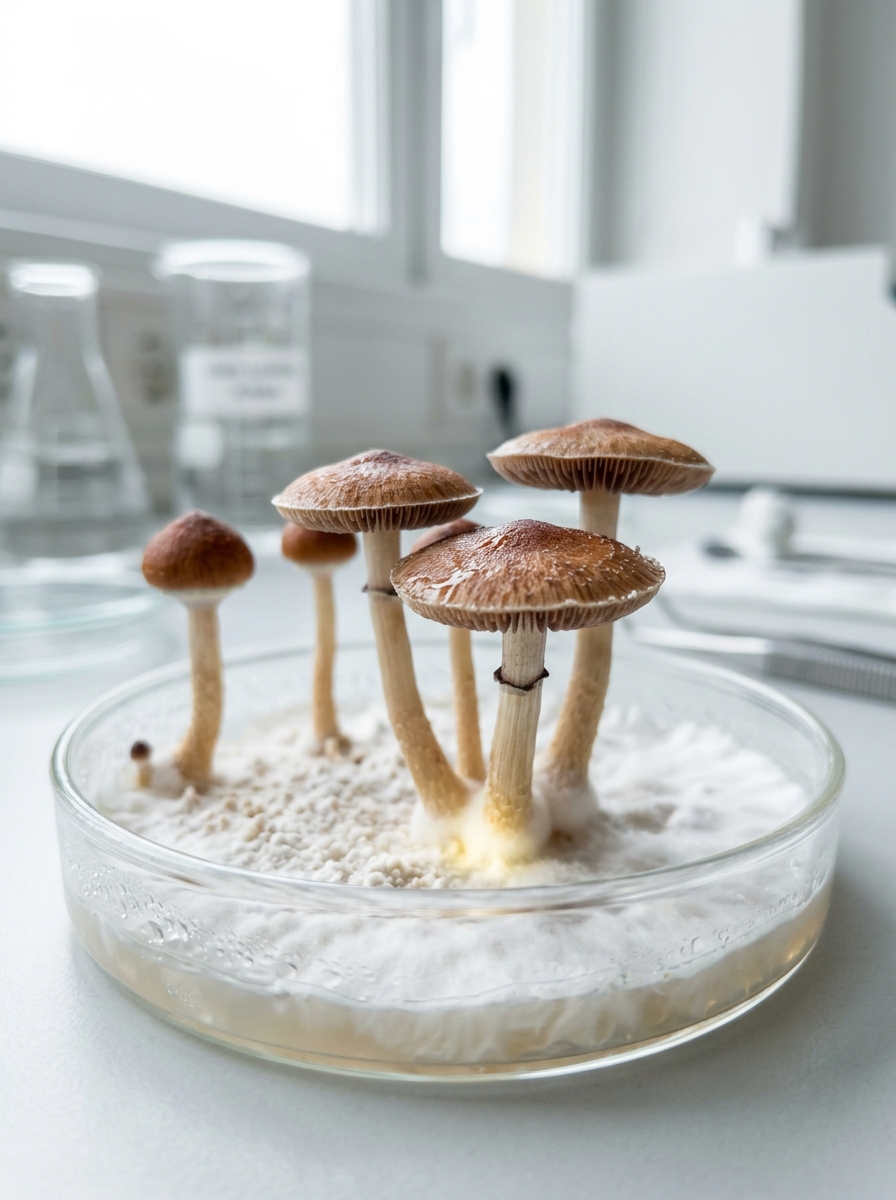
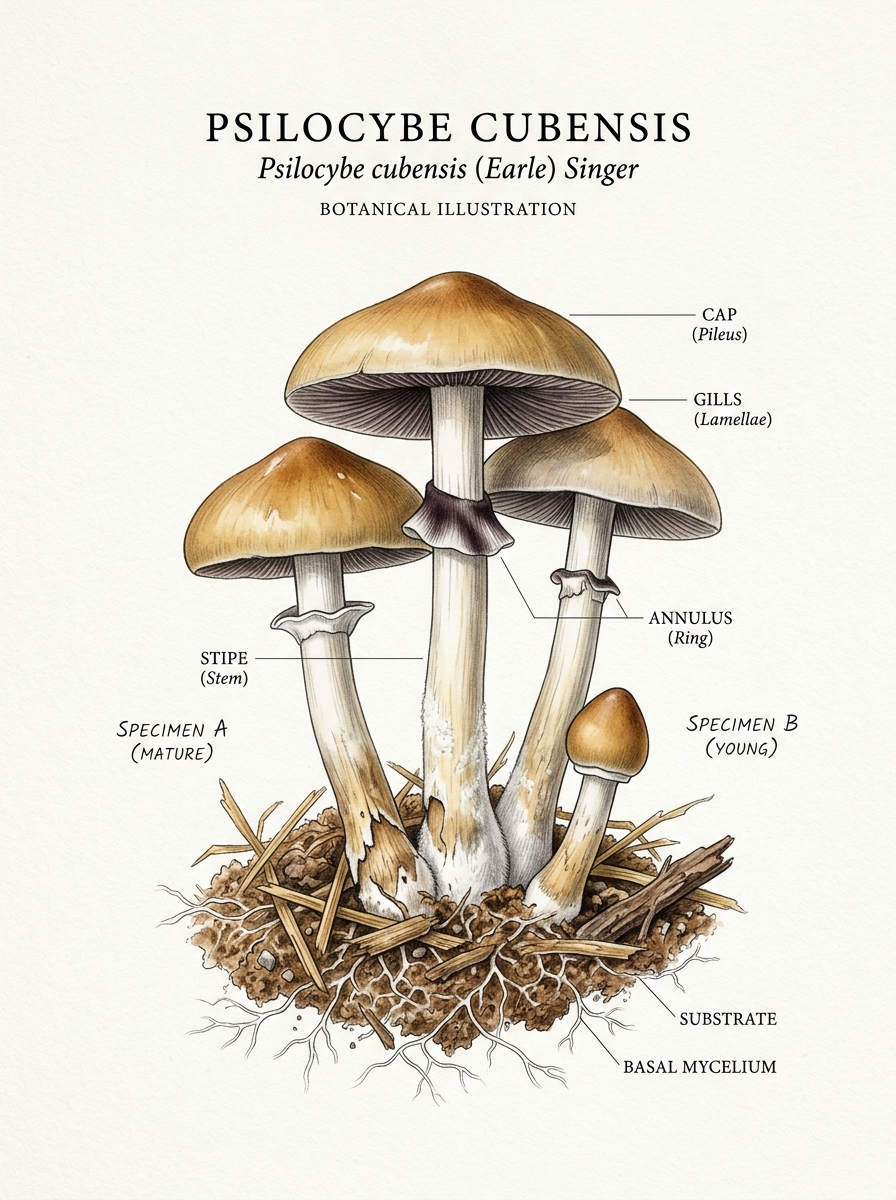
What Are Psychedelic Mushrooms?

Fungi containing psychoactive compounds, primarily psilocybin and psilocin.

Over 200 species identified globally, most in genus Psilocybe.

Used for centuries in indigenous spiritual and healing ceremonies.

Now studied in modern neuroscience and psychiatry.

Did You Know?

Psilocybe mushrooms are found on every continent except Antarctica.

Made byBobr AI
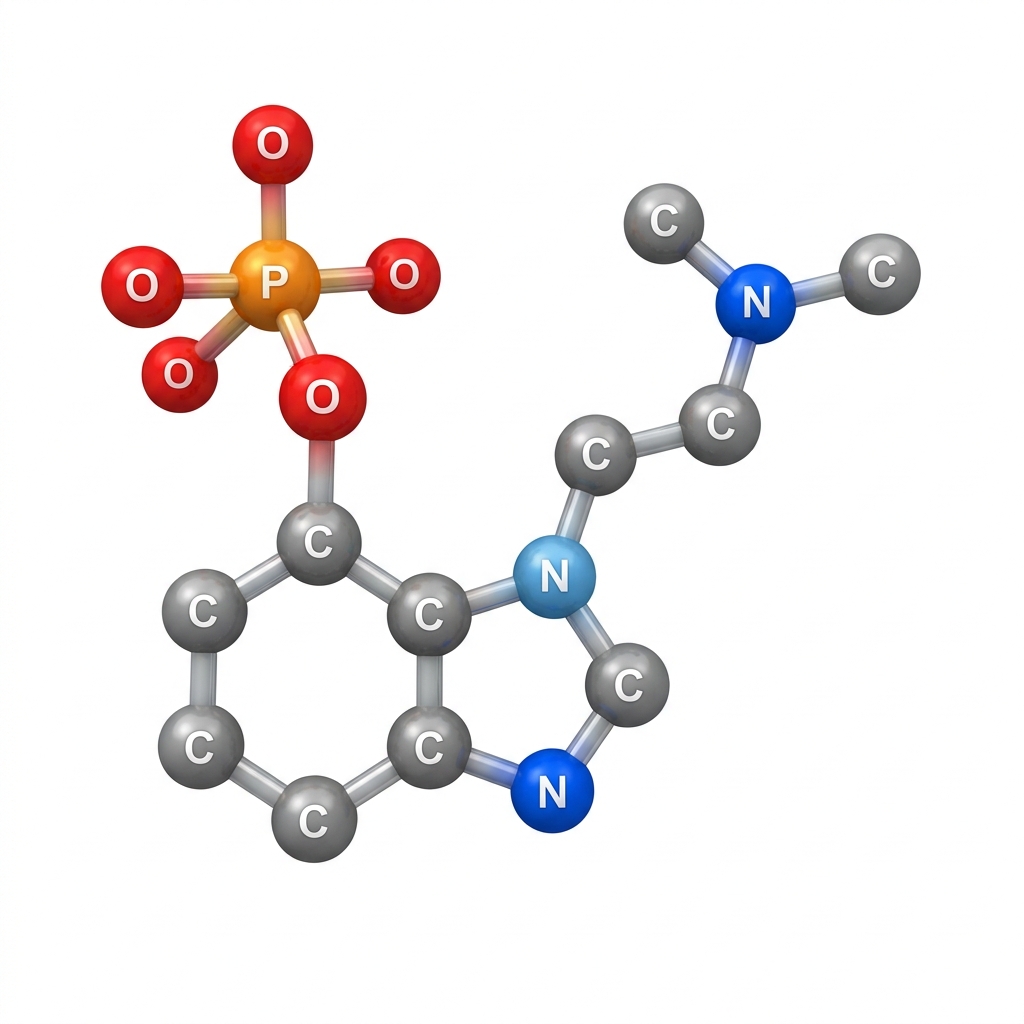
C₁₂H₁₇N₂O₄P

The Active Compound: Psilocybin

Metabolic Pathway

1
Psilocybin
2
Psilocin
(via dephosphorylation)
3
Crosses Blood-Brain Barrier
4
Binds to Serotonin 5-HT₂A Receptors
Half-life: ~3 hours
Non-addictive
Non-toxic at standard doses
Schedule I substance (US)
Academic Overview | Psychopharmacology
Made byBobr AI

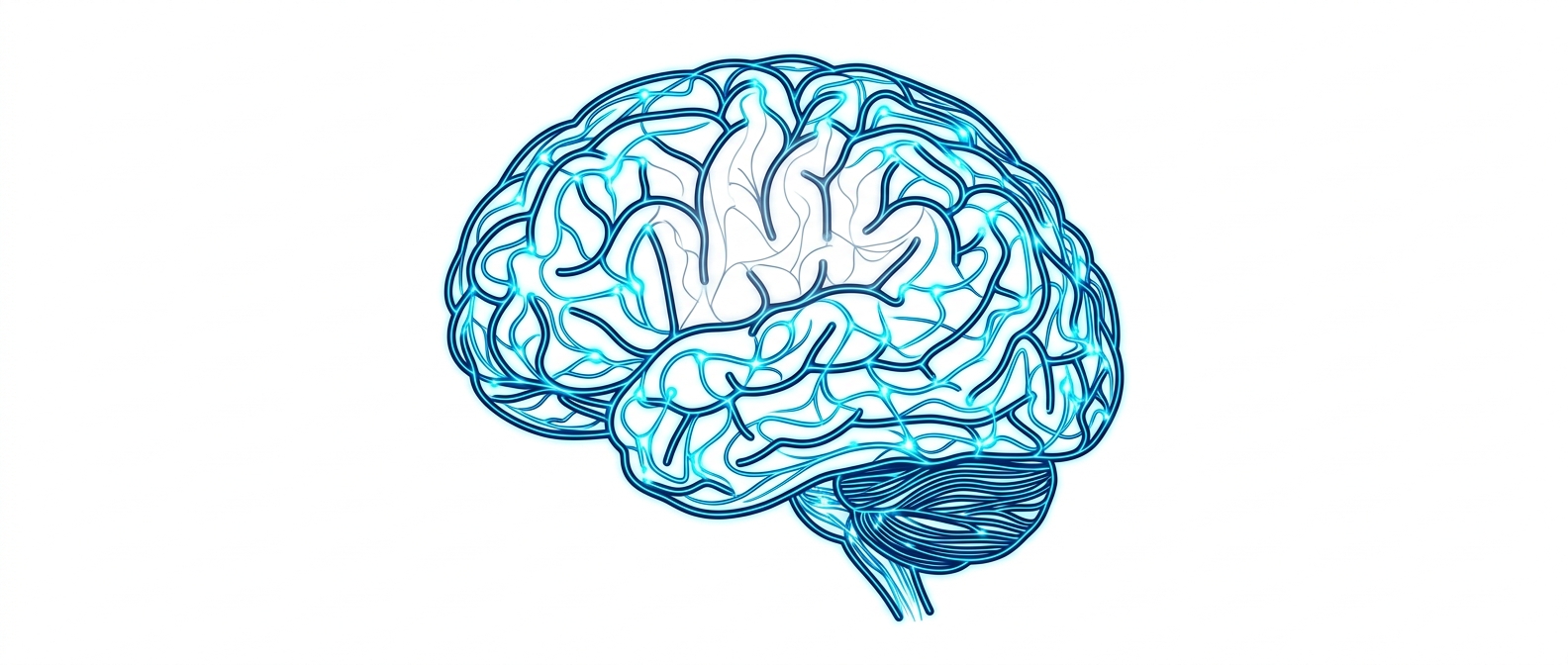
Effects on the Brain & Body

Psychological Effects

  • Visual and auditory hallucinations
  • Altered sense of time and self
  • Mystical or transcendent experiences
  • Increased emotional openness
  • Ego dissolution (at high doses)

Physiological Effects

  • Pupil dilation
  • Increased heart rate and blood pressure
  • Mild nausea (onset)
  • No respiratory depression
  • No physical addiction
Key Neuroscience Finding

Default Mode Network (DMN) Suppression

Reduced activity in the DMN is a primary indicator for states of ego dissolution, enabling therapeutic resets and increased emotional plasticity.

Made byBobr AI

Therapeutic Applications

Depression

Johns Hopkins trials show 71% response rate in treatment-resistant depression after 2 sessions.

PTSD

Psilocybin assists trauma processing by reducing fear response and enabling emotional reprocessing.

Addiction

Studies at NYU show significant reduction in alcohol and nicotine dependence.

End-of-Life Anxiety

Reduces existential distress in terminal cancer patients; effects lasting up to 6 months.

Sources: Johns Hopkins, NYU, Imperial College London
Made byBobr AI

Legal Status & Risks

Legal Landscape

Schedule I (Prohibited)

USA, UK, Canada. Strictly prohibited without special research licenses.

Decriminalized / Deprioritized

Oregon, Colorado, Netherlands. Enforcement is deprioritized or possession is decriminalized.

Legal Therapeutic Use

Australia. Since 2023, authorized psychiatrists can legally prescribe for specific conditions.

* Evolving landscape: Growing global movement toward clinical research and medicalization.

Risks & Considerations

Psychological Distress

Vulnerability to "bad trips," acute anxiety, or panic attacks during the peak of the experience.

Psychosis Contraindication

Strictly contraindicated for individuals with a personal or family history of psychotic disorders.

Risk of HPPD

A rare risk of Hallucinogen Persisting Perception Disorder, involving lingering visual disturbances.

Set and Setting

The individual's mindset and the physical environment fundamentally dictate safety and outcomes.

Dangerous Interactions

High risks when combined with certain medications; absolutely should not be mixed with SSRIs or lithium.

Responsible research and clinical supervision are essential.
Made byBobr AI

Key Takeaways & Future Outlook

01

Psilocybin is a safe, non-addictive compound with measurable therapeutic benefits when used in controlled settings.

02

Research from top institutions supports psilocybin's efficacy for depression, PTSD, addiction, and end-of-life care.

03

Legal reform is underway globally, marking a new era of psychedelic-assisted therapy.

Future Research Directions

Phase III clinical trials underway
WHO review of scheduling status
Growing interest in micro-dosing protocols
Sources: MAPS, Johns Hopkins Center for Psychedelic Research, Imperial College London, NIDA.
Made byBobr AI
Bobr AI

DESIGNER-MADE
PRESENTATION,
GENERATED FROM
YOUR PROMPT

Create your own professional slide deck with real images, data charts, and unique design in under a minute.

Generate For Free

Introduction to Psilocybin: Effects and Medical Research

An academic overview of psychedelic mushrooms, covering psilocybin's chemical properties, neurological effects, and therapeutic uses in modern psychiatry.

Psychedelic Mushrooms

An Introduction to Psilocybin and Its Effects

Academic Overview | Psychopharmacology

What Are Psychedelic Mushrooms?

Fungi containing psychoactive compounds, primarily <strong>psilocybin</strong> and <strong>psilocin</strong>.

Over 200 species identified globally, most in genus <em>Psilocybe</em>.

Used for centuries in indigenous spiritual and healing ceremonies.

Now studied in modern neuroscience and psychiatry.

Did You Know?

Psilocybe mushrooms are found on every continent except Antarctica.

C₁₂H₁₇N₂O₄P

The Active Compound: Psilocybin

Psilocybin

Psilocin

(via dephosphorylation)

Crosses Blood-Brain Barrier

Binds to Serotonin 5-HT₂A Receptors

Half-life: ~3 hours

Non-addictive

Non-toxic at standard doses

Schedule I substance (US)

Academic Overview | Psychopharmacology

Effects on the Brain & Body

Psychological Effects

Physiological Effects

Therapeutic Applications

Depression

Johns Hopkins trials show 71% response rate in treatment-resistant depression after 2 sessions.

PTSD

Psilocybin assists trauma processing by reducing fear response and enabling emotional reprocessing.

Addiction

Studies at NYU show significant reduction in alcohol and nicotine dependence.

End-of-Life Anxiety

Reduces existential distress in terminal cancer patients; effects lasting up to 6 months.

Sources: Johns Hopkins, NYU, Imperial College London

Legal Status & Risks

Responsible research and clinical supervision are essential.

Key Takeaways & Future Outlook

01

Psilocybin is a safe, non-addictive compound with measurable therapeutic benefits when used in controlled settings.

02

Research from top institutions supports psilocybin's efficacy for depression, PTSD, addiction, and end-of-life care.

03

Legal reform is underway globally, marking a new era of psychedelic-assisted therapy.

Future Research Directions

Phase III clinical trials underway

WHO review of scheduling status

Growing interest in micro-dosing protocols

Sources: MAPS, Johns Hopkins Center for Psychedelic Research, Imperial College London, NIDA.

  • psilocybin
  • neuroscience
  • psychopharmacology
  • mental-health
  • medical-research
  • therapy