

Mastering Prototype Development: From Concept to Reality
Learn the essentials of product prototyping, including fidelity levels, the Build-Measure-Learn cycle, and Boehm's Cost of Change Curve.
Prototype Essentials
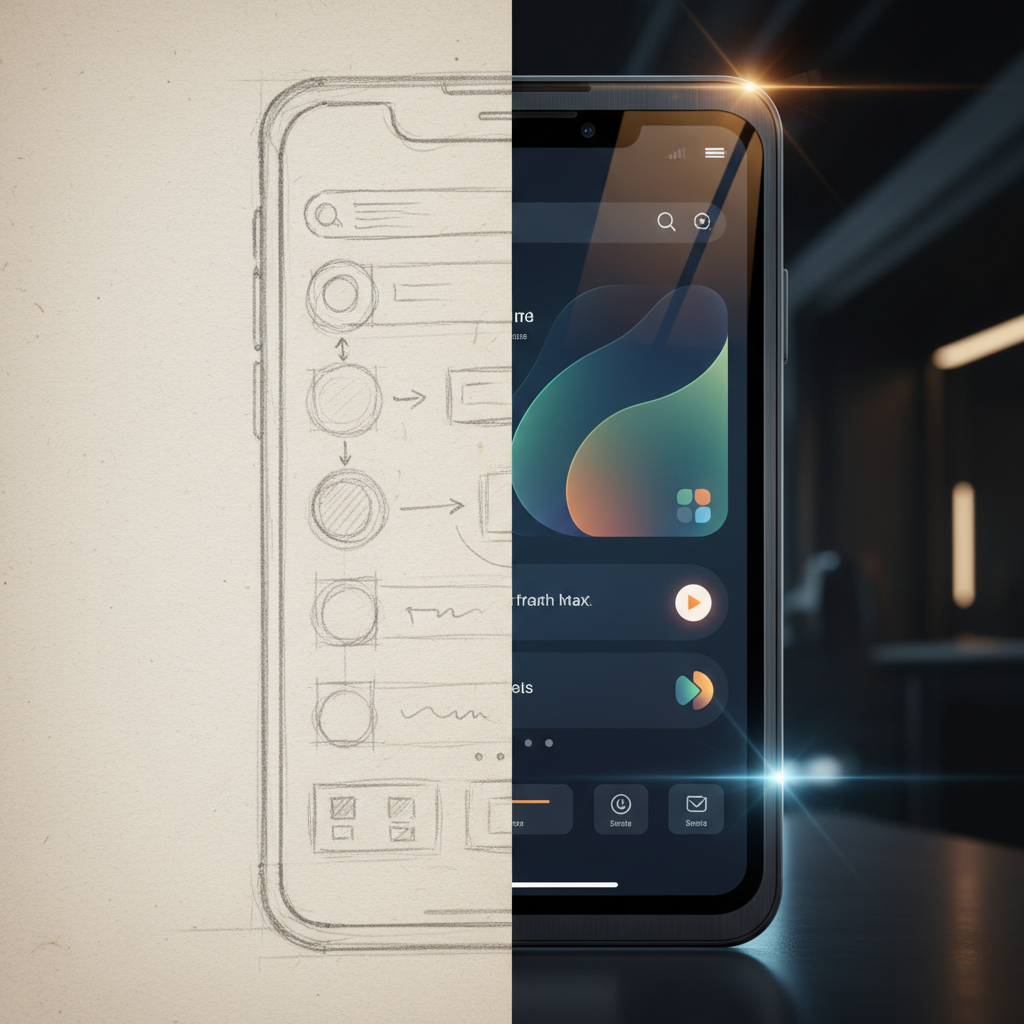
From Conceptual Sketches to Functional Reality
What is a Prototype?
A prototype is an early sample, model, or release of a product built to test a concept or process. It serves as a tangible bridge between an initial idea and the final product, allowing designers and stakeholders to validate requirements and explore solutions before full-scale production begins.
Core Objectives
Validate design concepts and user flows effectively.
Identify technical feasibility issues early in development.
Gather immediate feedback from stakeholders and users.
Fidelity Levels
Prototypes range from low-fidelity (such as paper sketches or wireframes) which are quick and cheap, to high-fidelity (interactive digital models) that closely mimic the final product's look and feel, commonly used for user testing.
The Cost of Change Curve
Identifying errors during the prototyping phase is practically free compared to fixing them post-release. This chart (Boehm's Curve) illustrates the exponential cost increase of fixing defects as a project progresses.
The Iterative Cycle
Prototyping is not a one-time event but a cycle. The 'Build-Measure-Learn' loop allows teams to create a prototype, test it with real users, measure the results, and iterate on the design. This reduces the risk of market failure.
Types of Prototypes
Proof of Concept (PoC): Validates technical feasibility.
Visual Prototype: Focuses on size, look, and feel.
Functional Prototype: Matches final functionality.
If a picture is worth a thousand words, a prototype is worth a thousand meetings.
IDEO
Rapid Prototyping
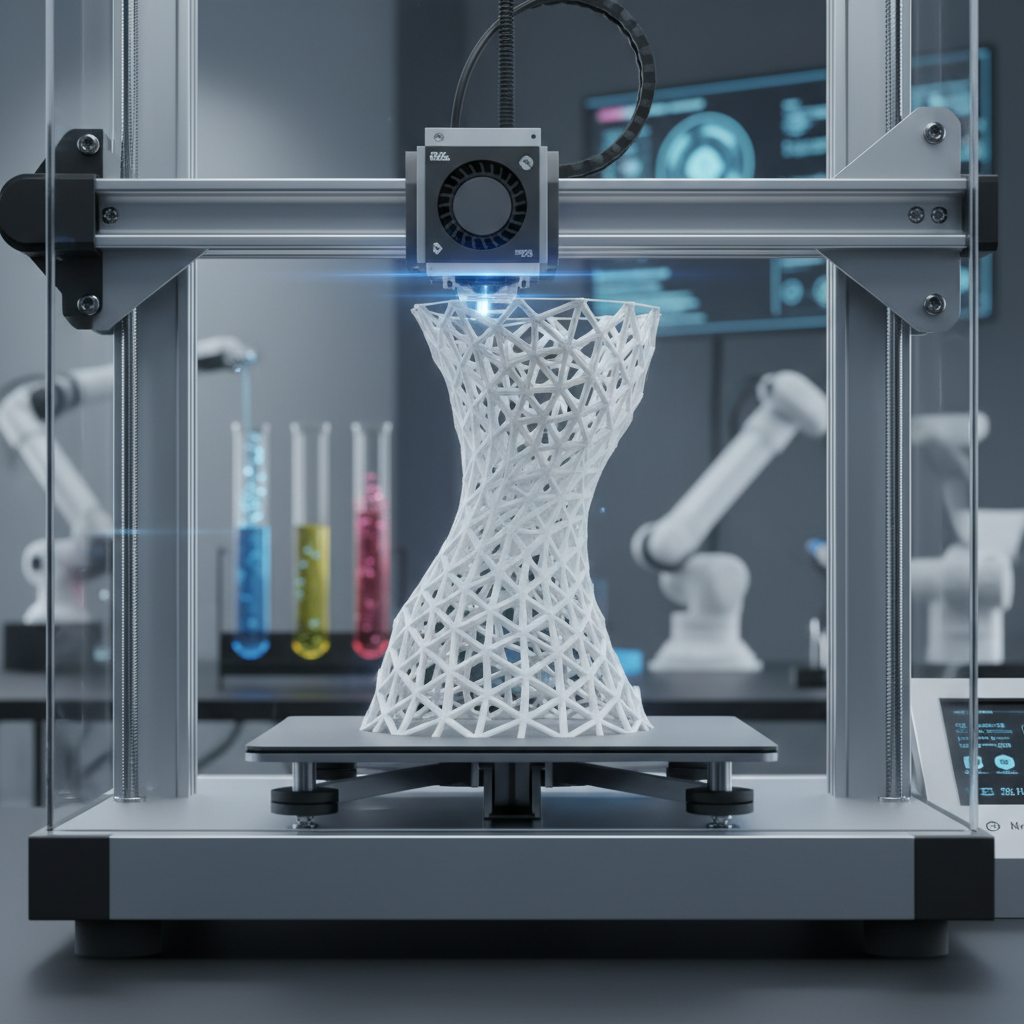
With the advent of 3D printing and advanced UI/UX tools like Figma, rapid prototyping allows teams to fail fast and learn faster. This speed is critical in Agile methodology, enabling almost daily updates to the model.
Summary
Prototypes bridge the gap between abstract ideas and concrete products.
Testing early reduces the exponential cost of changes later.
Iterative feedback loops ensure the final product meets user needs.
- prototyping
- product-design
- ux-design
- agile-methodology
- rapid-prototyping
- product-management