




Untouchability & Social Reform: India's Historical Journey
Explore the history of the fight against untouchability in India, featuring leaders like Dr. B.R. Ambedkar, Jyotirao Phule, and Mahatma Gandhi.
Untouchability & Social Reform
A Historical Journey from Oppression to Dignity
Defining the Plight
Untouchability was not merely a social practice but a systemic exclusion sanctioned by rigid caste hierarchies. For centuries, millions were relegated to the lowest rung of society, labeled 'Atishudra' or 'Avarna'. They were physically segregated, denied access to shared resources, and forced into menial occupations.
Social Restrictions & Injustices
Denial of access to public wells, tanks, and bathing ghats.
Strict prohibition from entering temples or participating in religious festivals.
Segregated housing, often forced to live outside village limits in 'cheris' or 'bastis'.
Restrictions on clothing, ornaments, and even the use of footwear in the presence of upper castes.
Jyotirao Phule
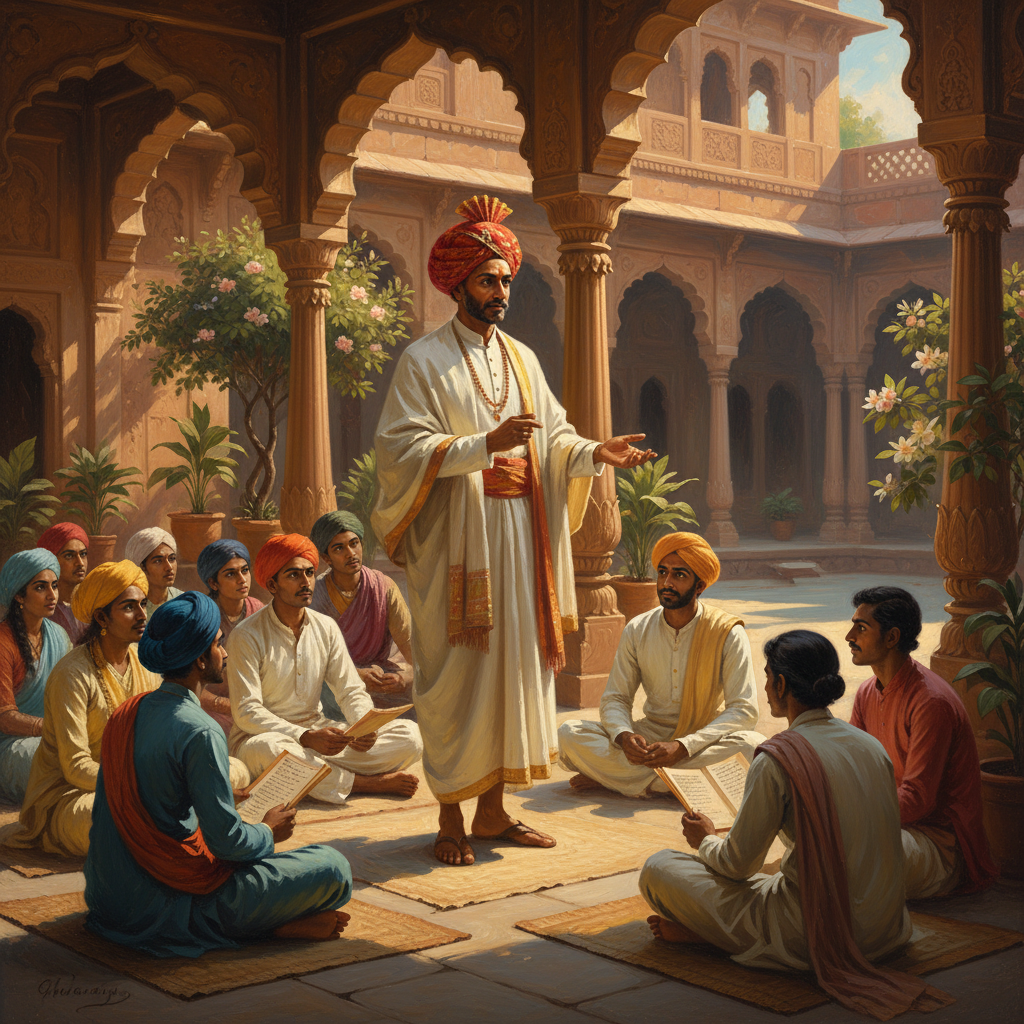
Mahatma Jyotirao Phule was a pioneer in the fight against caste discrimination in the 19th century. He opened the first school for 'untouchable' girls in 1848 in Pune. Along with his wife Savitribai Phule, he founded the 'Satyashodhak Samaj' (Society of Truth Seekers) to liberate the oppressed classes from religious and social slavery.
Caste is not just a division of labor, it is a division of laborers.
Dr. B.R. Ambedkar
The Crusader: Dr. Ambedkar
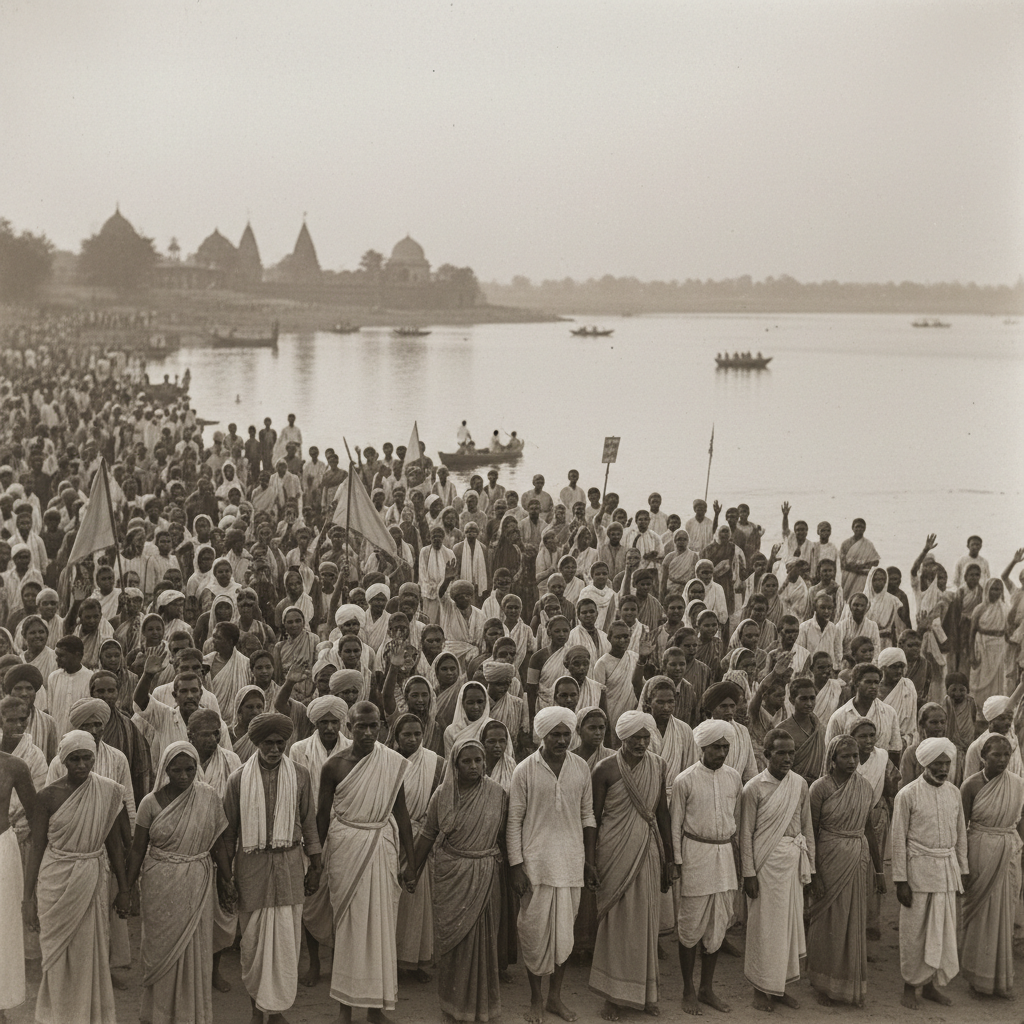
Babasaheb Ambedkar dedicated his life to the annihilation of caste. He led the Mahad Satyagraha in 1927 to assert the right of untouchables to use water from a public tank. As the Chairman of the Drafting Committee, he ensured constitutional safeguards against discrimination and later embraced Buddhism to escape the caste hierarchy.
Impact of Reform: Literacy Growth
Significant progress has been made due to reservation policies and social reform, narrowing the gap between Scheduled Castes (SC) and the General population, though disparities remain.
Mahatma Gandhi & Harijans
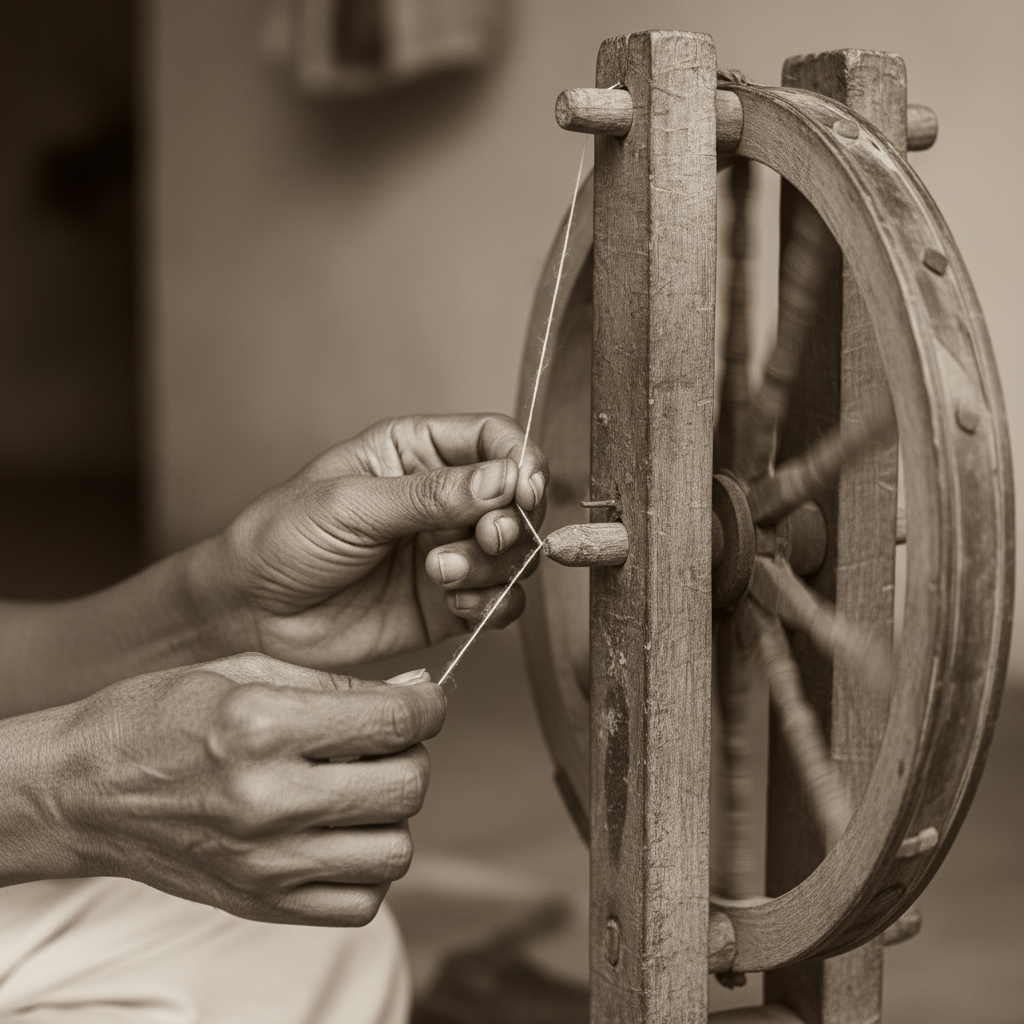
Mahatma Gandhi campaigned against untouchability, calling it a 'blot on Hinduism'. He coined the term 'Harijan' (Children of God) and established the Harijan Sevak Sangh in 1932. He famously undertook the 'Harijan Tour' and personally cleaned latrines to break the stigma associated with sanitation work.
Regional Reformers
<strong>Periyar E.V. Ramasamy:</strong> Led the 'Self-Respect Movement' in Tamil Nadu. He fiercely opposed caste dominance and advocated for equal rights for the oppressed and women.
<strong>Sree Narayana Guru:</strong> A philosopher from Kerala who gave the slogan 'One Caste, One Religion, One God for All.' He consecrated the Shiva idol at Aruvippuram to defy caste restrictions on worship.
Constitutional Safeguards
Post-independence, the Indian Constitution legally curbed the plight of the marginalized. Article 17 formally abolished 'Untouchability' and forbade its practice in any form. The Protection of Civil Rights Act (1955) and the Prevention of Atrocities Act (1989) provide legal recourse against violence and discrimination.
The journey continues towards true equality.
- social-reform
- indian-history
- dr-b-r-ambedkar
- caste-system
- jyotirao-phule
- mahatma-gandhi
- civil-rights
- education