



Made byBobr AI

Introduction to Composite Materials: Structure & Uses

Learn about the constituents, structure, and applications of composite materials, including matrix phases, reinforcements, and engineering advantages.

#composite-materials#mechanical-engineering#matrix-phase#fiber-reinforced#materials-science#aerospace-engineering
Watch
Pitch

Composite Materials

Introduction & Constituents

Shashidhara S N | Computer Science and Engineering

Kalpatur Institute of Technology, Tiptur | Mechanical Engineering Subject

Made byBobr AI

Introduction to Composite Materials

  • â–ªEngineered materials combining two or more distinct materials.
  • â–ªEach constituent retains its individual identity within the mix.
  • â–ªThe combination yields superior properties compared to individual components.
  • â–ªEssential usage in modern engineering and technology sectors.
Made byBobr AI

Definition of Composite Material

1. Matrix (Continuous Phase)

2. Reinforcement (Discontinuous Phase)

Note: Materials are physically mixed, not chemically combined.

Example: Fiberglass

Made byBobr AI

Need for Composite Materials

⚖️ High strength-to-weight ratio
⚙️ Better mechanical properties compared to base materials
🛡️ Improved corrosion resistance
🪶 Significantly reduced weight
🧩 Tailor-made properties for specific applications
Made byBobr AI

Basic Structure of a Composite

1. Matrix
Matrix: Contains the reinforcement
2. Reinforcement
Reinforcement: Strengthens the matrix
3. Interface
Interface: The crucial bonding zone between matrix and reinforcement
Made byBobr AI

Constituents: The Matrix

Functions of the Matrix

• Forms continuous phase • Holds reinforcement together • Transfers load to reinforcement • Protects reinforcement from damage

Common Materials

• Polymers (Epoxy, Polyester) • Metals (Aluminum) • Ceramics
Made byBobr AI

Constituents: Reinforcement

Provides strength and stiffness to the composite.

Primary Forms:

Fibers, Particles, Flakes

Common Examples:

Glass fibers, Carbon fibers, Kevlar fibers

Made byBobr AI

Types of Reinforcement

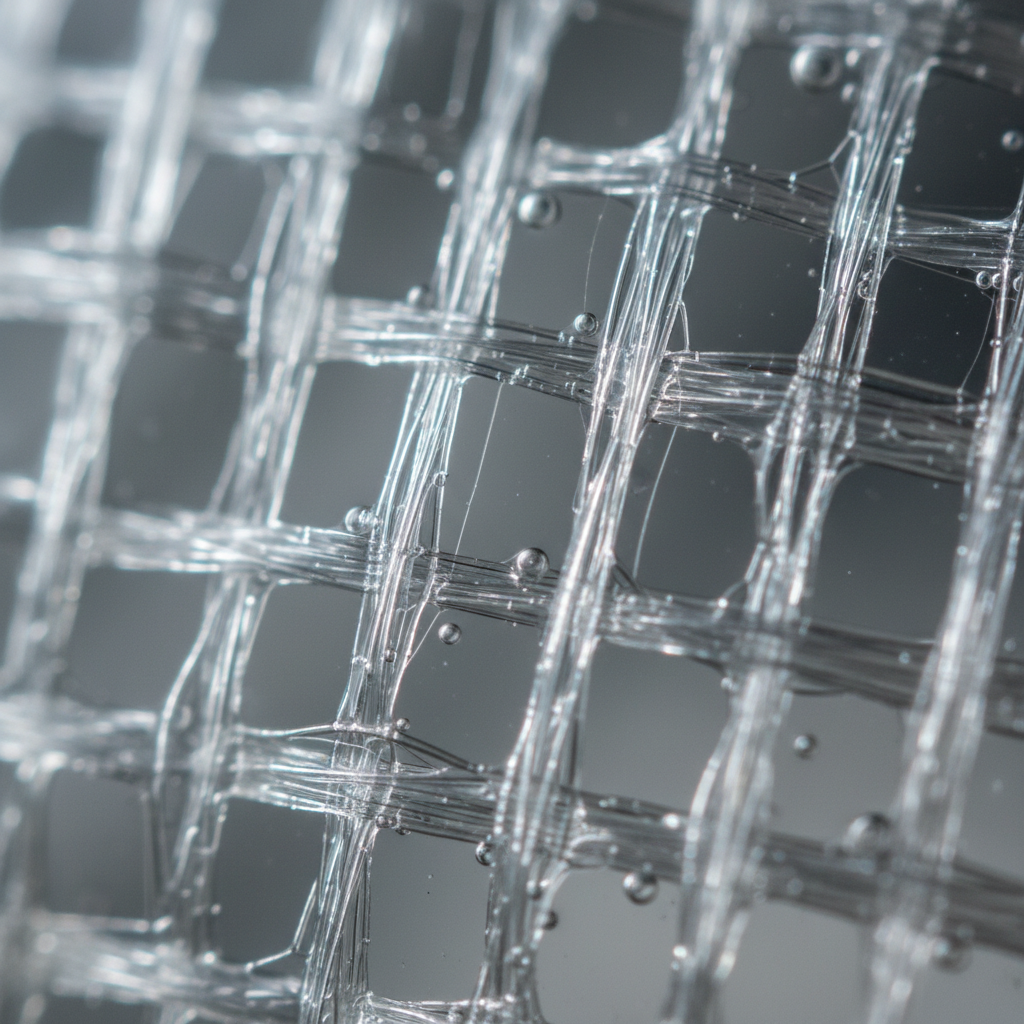
Fiber Reinforced Composites

Glass fiber, Carbon fiber

Particle Reinforced Composites

Concrete

Laminar Composites

Plywood

Made byBobr AI

Advantages of Composite Materials

  • ✓Lightweight & High Strength
  • ✓Good Fatigue Resistance
  • ✓Corrosion Resistant
  • ✓Long Service Life
  • ✓Design Flexibility
Made byBobr AI

Applications of Composite Materials

Aerospace (Aircraft Bodies) | Automotive Industry | Construction (Bridges) | Sports Equipment | Marine Industry | Electronics

Made byBobr AI
Bobr AI

DESIGNER-MADE
PRESENTATION,
GENERATED FROM
YOUR PROMPT

Create your own professional slide deck with real images, data charts, and unique design in under a minute.

Generate For Free

Introduction to Composite Materials: Structure & Uses

Learn about the constituents, structure, and applications of composite materials, including matrix phases, reinforcements, and engineering advantages.

Composite Materials

Introduction & Constituents

Shashidhara S N | Computer Science and Engineering

Kalpatur Institute of Technology, Tiptur | Mechanical Engineering Subject

Introduction to Composite Materials

Engineered materials combining two or more distinct materials.

Each constituent retains its individual identity within the mix.

The combination yields superior properties compared to individual components.

Essential usage in modern engineering and technology sectors.

Definition of Composite Material

Matrix (Continuous Phase)

Reinforcement (Discontinuous Phase)

Note: Materials are physically mixed, not chemically combined.

Example: Fiberglass

Need for Composite Materials

High strength-to-weight ratio

Better mechanical properties compared to base materials

Improved corrosion resistance

Significantly reduced weight

Tailor-made properties for specific applications

Basic Structure of a Composite

Matrix: Contains the reinforcement

Reinforcement: Strengthens the matrix

Interface: The crucial bonding zone between matrix and reinforcement

Constituents: The Matrix

Functions of the Matrix

• Forms continuous phase • Holds reinforcement together • Transfers load to reinforcement • Protects reinforcement from damage

Common Materials

• Polymers (Epoxy, Polyester) • Metals (Aluminum) • Ceramics

Constituents: Reinforcement

Provides strength and stiffness to the composite.

Primary Forms:

Fibers, Particles, Flakes

Common Examples:

Glass fibers, Carbon fibers, Kevlar fibers

Types of Reinforcement

Fiber Reinforced Composites

Glass fiber, Carbon fiber

Particle Reinforced Composites

Concrete

Laminar Composites

Plywood

Advantages of Composite Materials

Lightweight & High Strength

Good Fatigue Resistance

Corrosion Resistant

Long Service Life

Design Flexibility

Applications of Composite Materials

Aerospace (Aircraft Bodies) | Automotive Industry | Construction (Bridges) | Sports Equipment | Marine Industry | Electronics

  • composite-materials
  • mechanical-engineering
  • matrix-phase
  • fiber-reinforced
  • materials-science
  • aerospace-engineering