
History of Smallpox and Fictional Brandt Virus Study
Explore the history of smallpox eradication and the fictional Case Study of the Brandt Virus, covering viral structure, symptoms, and pandemic preparedness.
VIRUS PROJECT
PART 1
History of Smallpox
PART 2
The Brandt Virus
PART 1
The History of Smallpox
How a deadly virus shaped civilization & modern medicine
~1500 BCE
Ancient Egypt
1796
Jenner's Vaccine
1967
WHO Eradication Program
1977
Last Natural Case
1980
Officially Eradicated
What Is Smallpox?
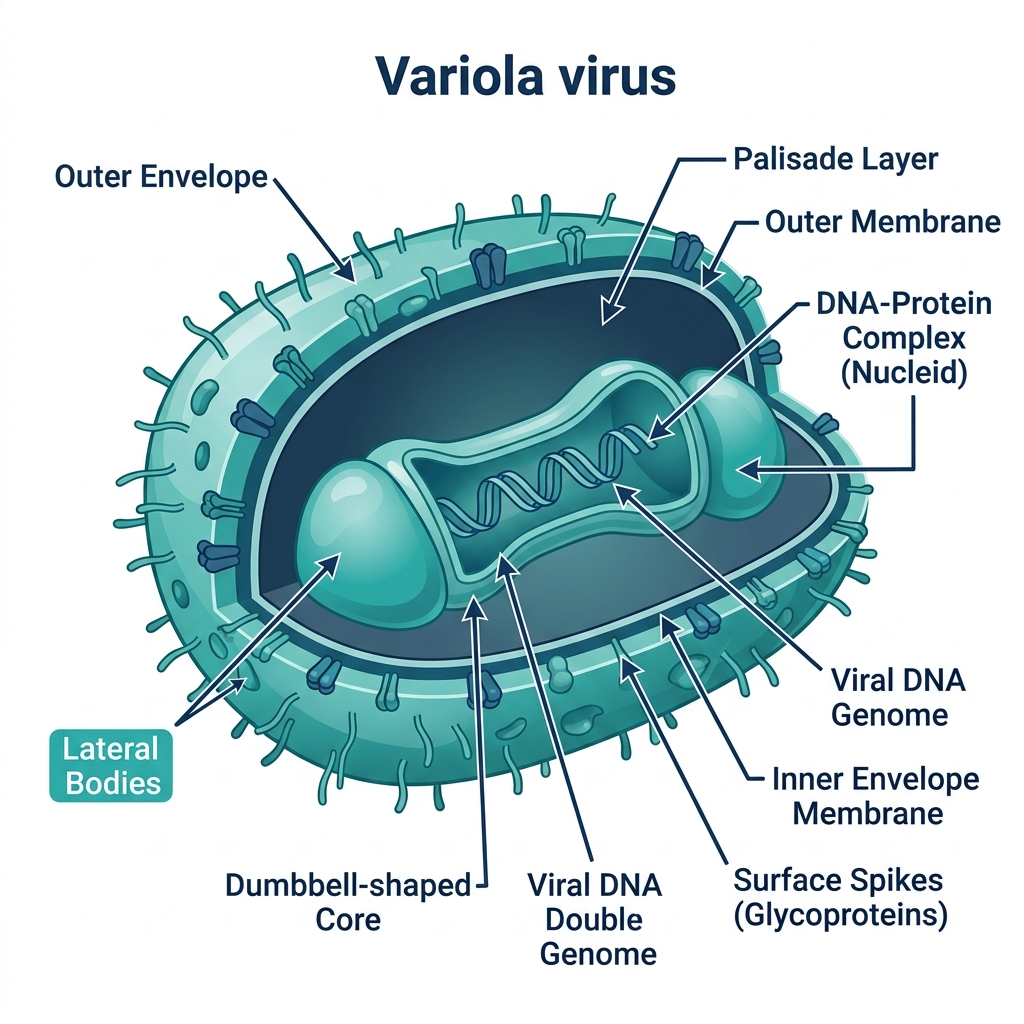
Caused by the Variola virus — a member of the Orthopoxvirus family
Two strains: Variola Major (30% fatality) and Variola Minor (<1% fatality)
Spread via respiratory droplets or contact with infected materials
Incubation period: 7–17 days
Ancient Origins & Early Spread
<strong>Earliest evidence:</strong> Egyptian mummies (~1500 BCE) — Ramesses V showed telltale pockmarks
<strong>Written records:</strong> Appear in 4th century China and 7th century India
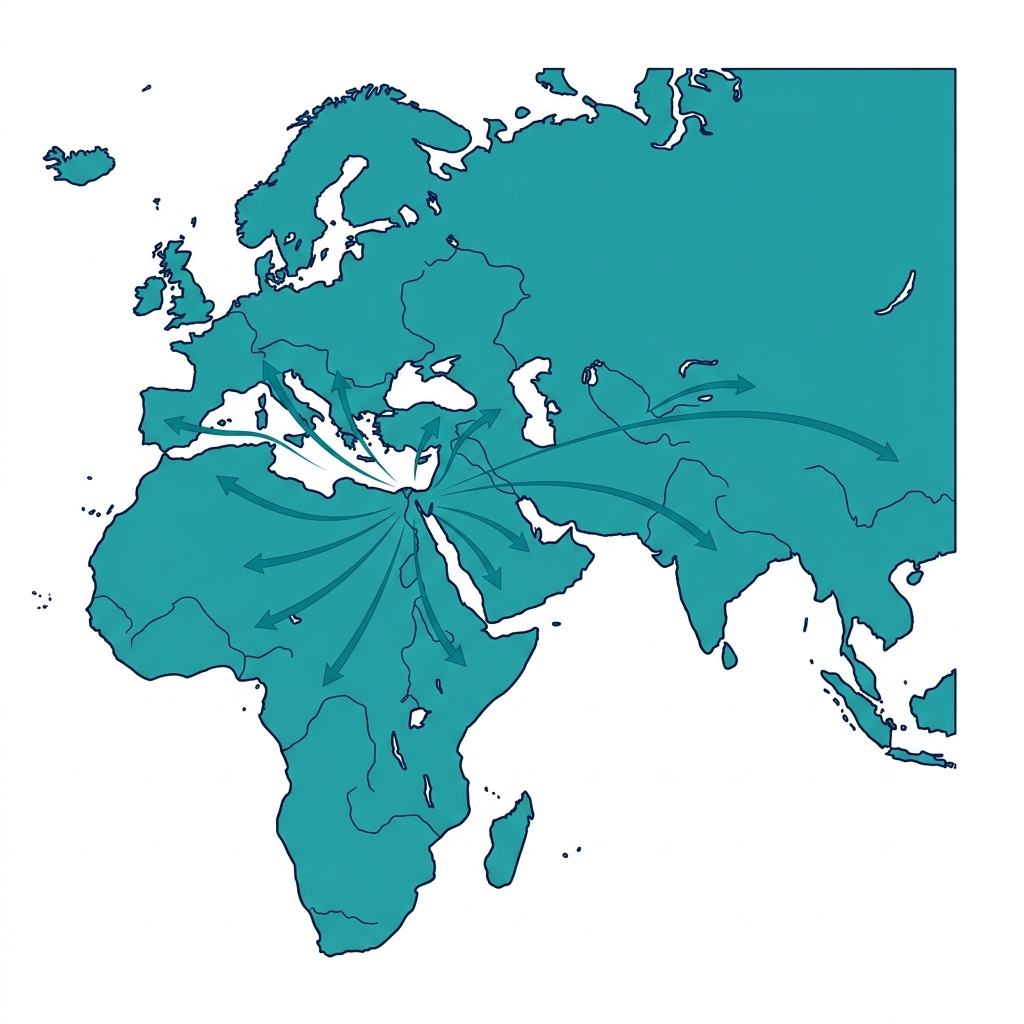
<strong>Trade Routes:</strong> Spread across Europe via Arab trade routes in the 7th century
<strong>The Crusades:</strong> (11th–13th centuries) further spread the virus across continents
Smallpox & Colonization
A weapon of unintentional genocide
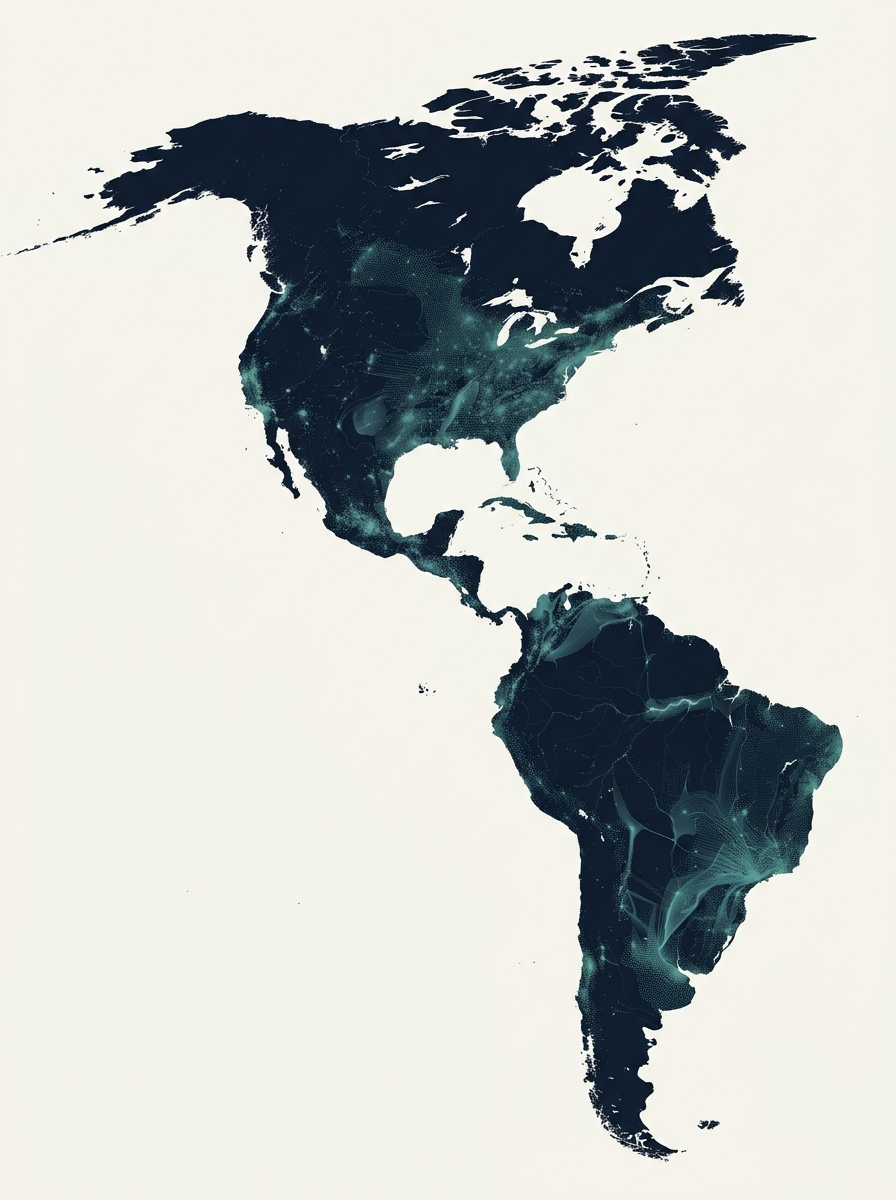
<span style="font-size: 32px; font-weight: 800; color: #1a2e4a;">90%</span> of some Native American populations were wiped out by smallpox after European contact
The Aztec Empire fell partly due to a devastating smallpox epidemic in <span style="font-size: 32px; font-weight: 800; color: #1a2e4a;">1520</span>
Colonizers inadvertently (and sometimes intentionally) used smallpox as a <span style="font-size: 32px; font-weight: 800; color: #1a2e4a;">biological weapon</span>
SYMPTOMS & PROGRESSION
Incubation
Days 1–17
No symptoms, highly contagious
Early Rash
Days 1–4
Flat red spots on face and body, fever 101–104°F
Pustules
Days 7–10
Deep, hard, fluid-filled bumps covering the entire body
Crusting
Days 14–20
Scabs form, patient still contagious
Outcome
FINAL STAGE
Death (30%) or survival with severe permanent scarring, possible blindness
Impact on Society & Culture
Political Power
Smallpox killed kings, emperors, and altered the course of royal succession across Europe and Asia
Economic Collapse
Decimated labor forces, halted trade routes, and cost over $1 billion/year in economic losses in developing nations
Religious & Social Fear
Seen as divine punishment; caused mass social isolation, stigma, and orphaned millions of children
Population Decline
Killed an estimated 300–500 million people in the 20th century alone
Variolation
The World's First Immunization Technique
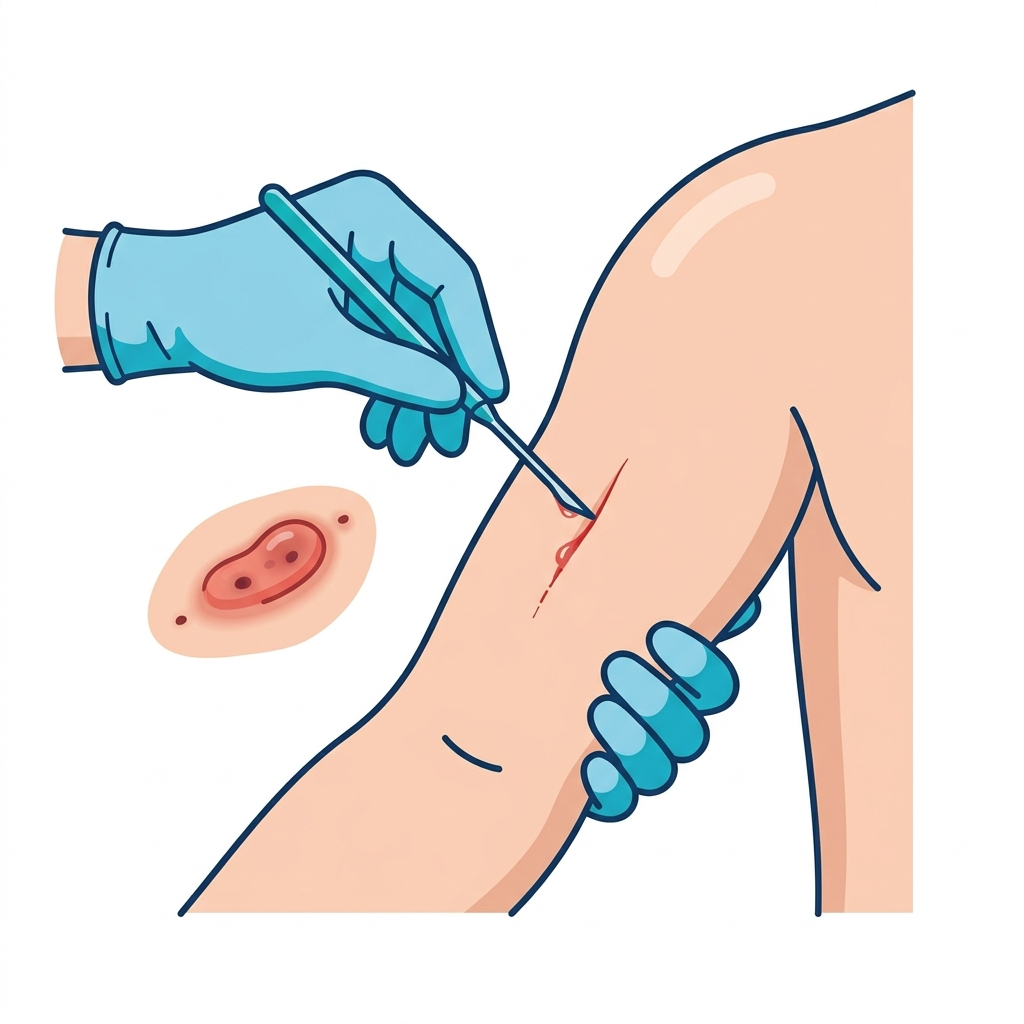
Originated in China (~1000 AD) and Ottoman Empire — dried smallpox scabs were inhaled or scratched into skin
Introduced to Europe by Lady Mary Wortley Montagu in 1721 after observing the practice in Turkey
Reduced death rate from ~30% to ~1–2% — a huge improvement, but still risky
Edward Jenner & The First Vaccine
1796
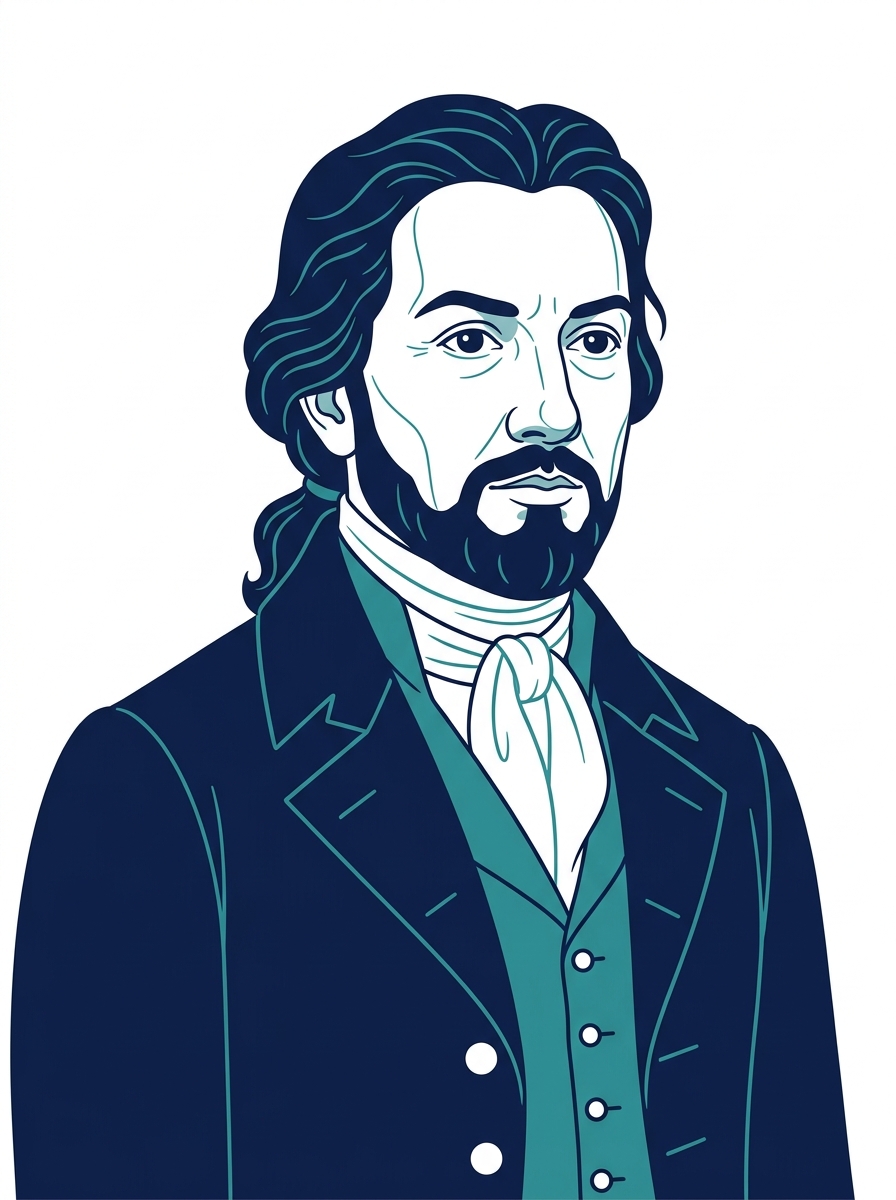
Jenner noticed milkmaids who caught cowpox never got smallpox
He inoculated 8-year-old James Phipps with cowpox material on May 14, 1796
Then exposed him to smallpox — James did not get sick. The vaccine worked.
The word 'vaccine' comes from 'vacca' — Latin for cow
The WHO Eradication Campaign
1967 — The Mission Begins
WHO launched the Intensified Eradication Program. Goal: eliminate smallpox worldwide. Used ring vaccination — vaccinating all known contacts of infected people.
The Strategy
Surveillance + containment. Bifurcated needle invention allowed easier vaccination. Freeze-dried vaccines could survive in hot climates. Cost: ~$300 million total.
1977 — Victory
Last natural case: Ali Maow Maalin in Somalia, October 26, 1977. In 1980 WHO officially declared smallpox ERADICATED — the only human disease ever fully eradicated.
1980 — ERADICATED
How Smallpox Changed Medicine Forever
Medical Advances
Created the concept of vaccination and immunology
Proved that disease could be prevented, not just treated
Established global health cooperation (WHO)
Spawned modern epidemiology and contact tracing
Lasting Legacy
Routine vaccination ended in 1980 after eradication
Remaining virus samples kept at CDC (USA) and VECTOR (Russia) under strict UN oversight
Inspired eradication efforts for polio, measles
Bioterrorism preparedness programs still active today
Smallpox is the only infectious disease ever completely eradicated from the Earth.
PART 2
THE BRANDT VIRUS
A Fictional Virus — Structure, Spread, Symptoms & Treatment
The Brandt Virus: Overview
Classification
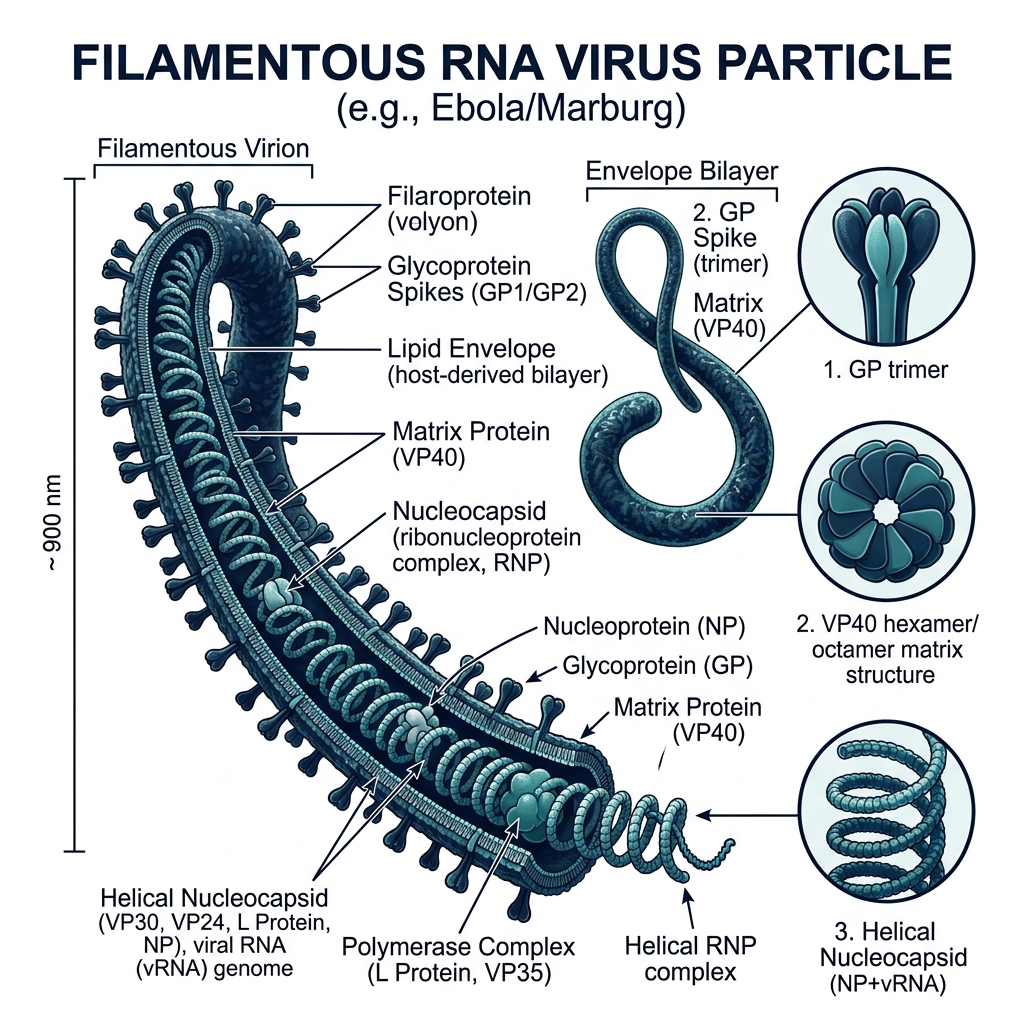
RNA virus, Filoviridae family (similar to Ebola)
Discovered
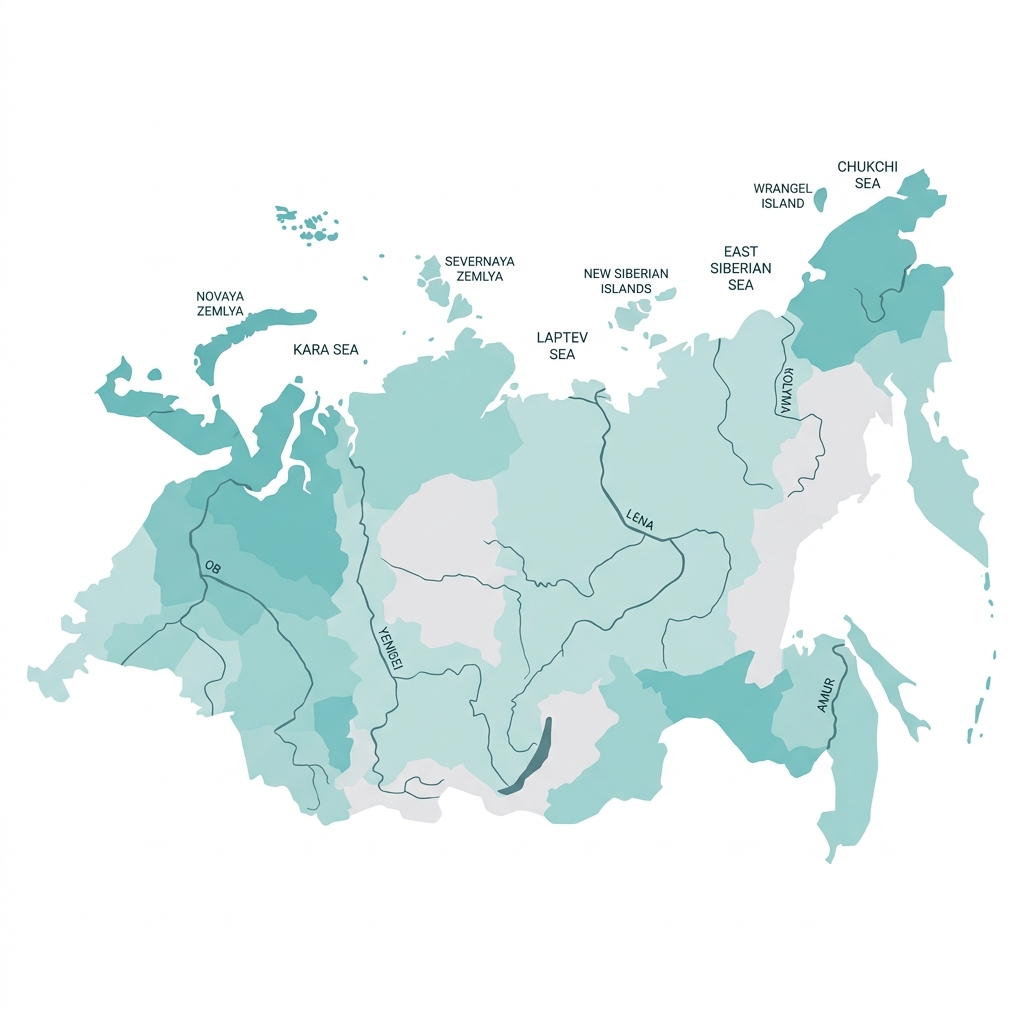
2031 (fictional) in a remote cave system in Northern Siberia
Named after
Dr. Elena Brandt, the virologist who first isolated it
Nickname
'The Frost Plague' due to its cold-adapted origin
Danger Level
EXTREME — BSL-4 pathogen
The Brandt Virus
Viral Structure
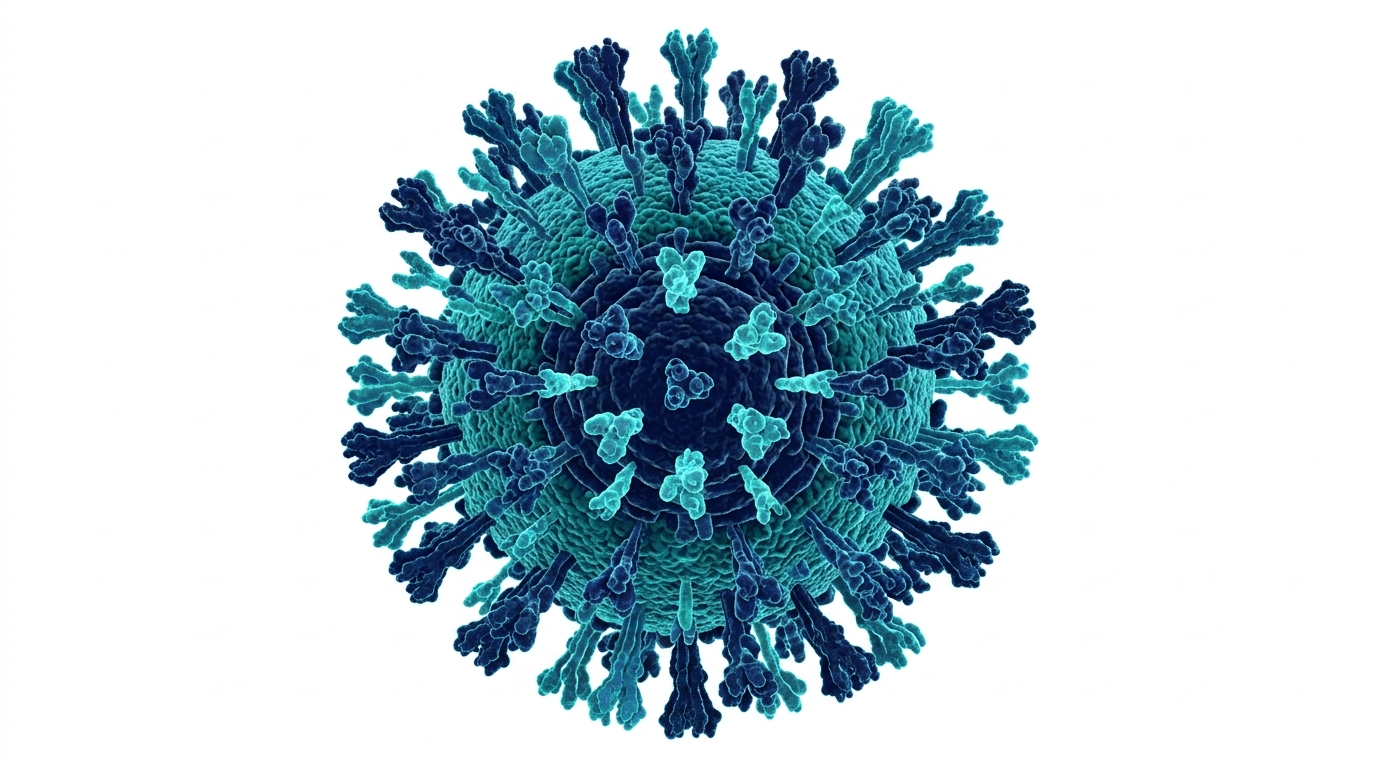
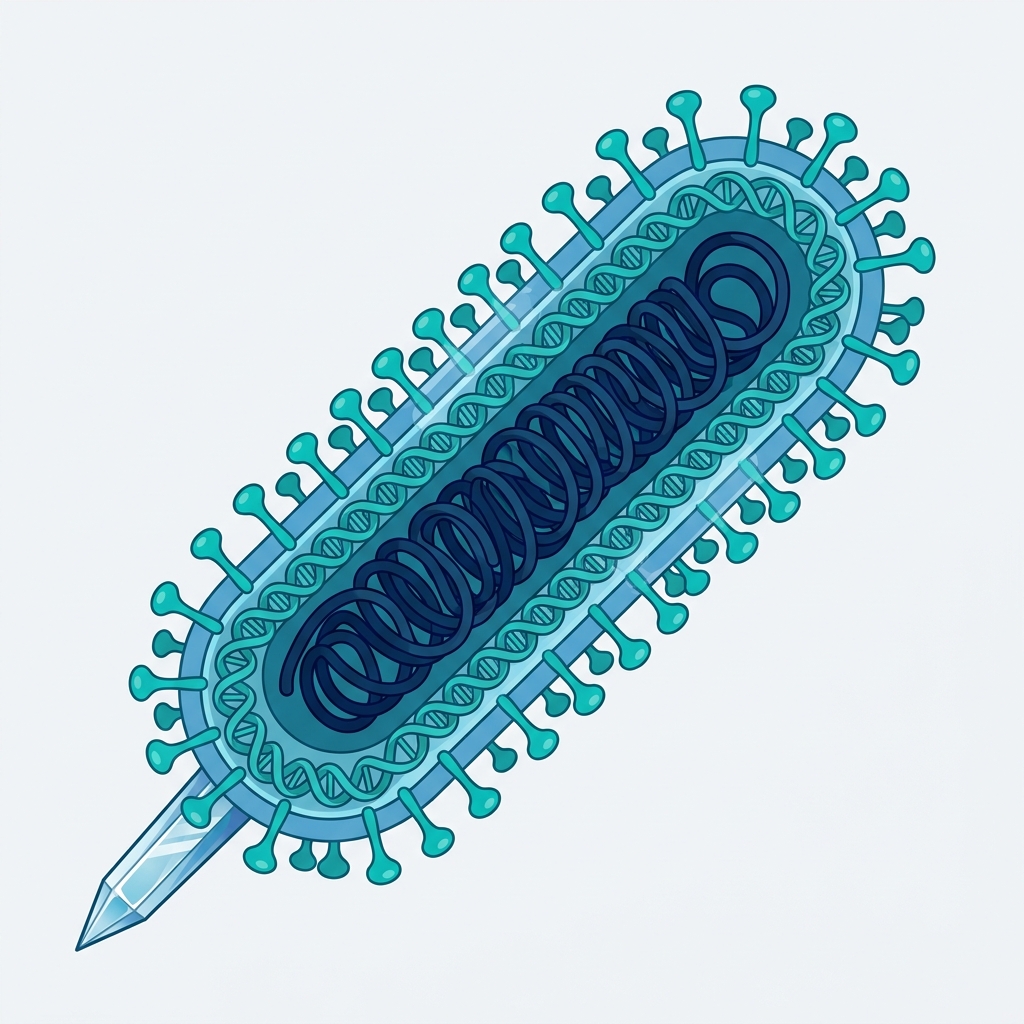
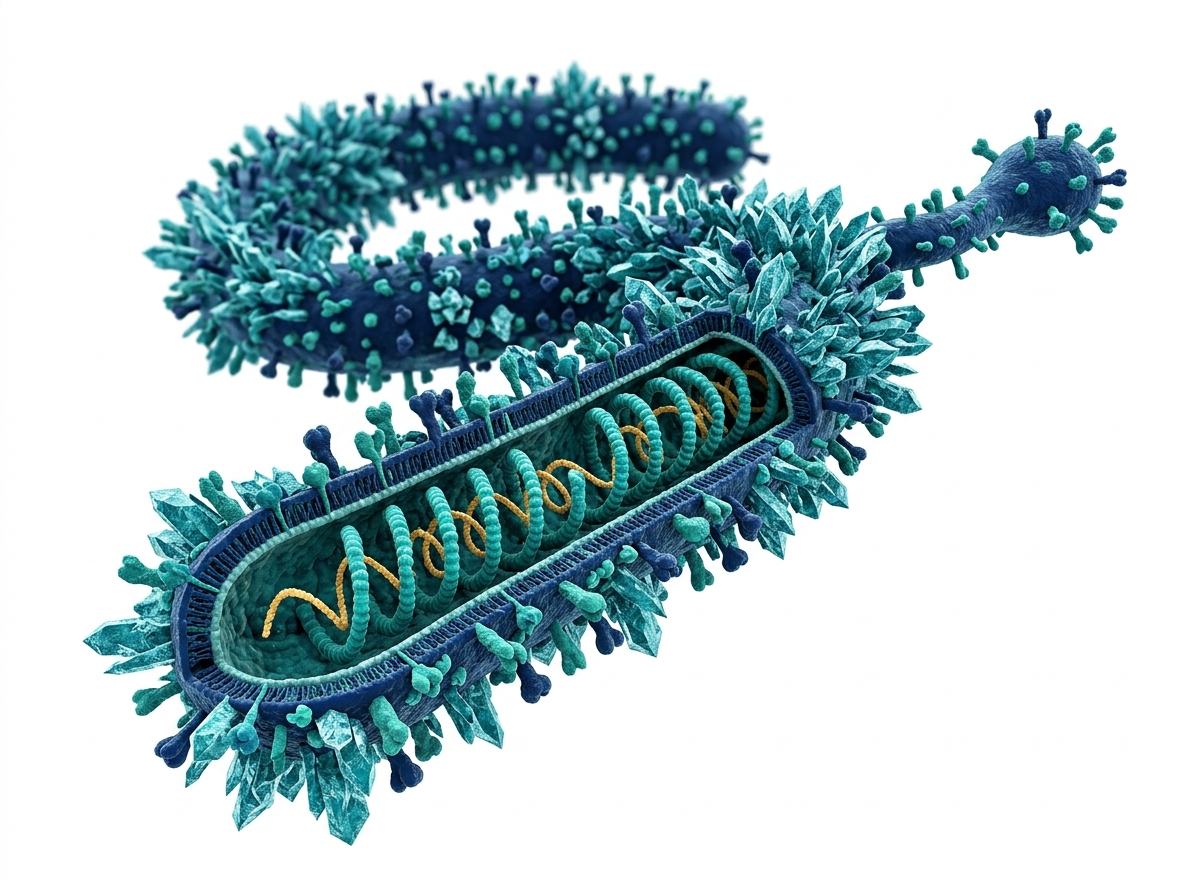
An elongated filamentous RNA virus measuring ~900nm in length. It features a dark navy nucleocapsid core encased in an outer lipid envelope with teal glycoprotein spikes. Unique adaptations include a double-helix cryo-protein lattice and a distinct ice-tail appendage, equipping the virus for extreme cold environments.
Glycoprotein Spikes (BV-G)
Lipid Envelope
Ice-Tail Appendage
RNA Genome
Nucleocapsid Core
Cryo-Protein Lattice
How The Brandt Virus Spreads
Airborne Droplets
Spreads via respiratory droplets when an infected person coughs or sneezes. Range: up to 6 meters. Survives in cold air for up to 48 hours.
Direct Contact
Transmission through broken skin or mucous membranes. Contact with infected blood, saliva, or bodily fluids.
Fomite Transmission
Survives on frozen surfaces for up to 2 weeks due to its cryo-protein lattice. Can be picked up from contaminated objects in cold environments.
R0: 4.7
Basic Reproduction Number
3–10 Days
Incubation Period
SYMPTOMS
PHASE 1
Days 1-3
Early Stage
Mild fever (99-101°F), fatigue, chills, blue-tinged fingertips (cyanosis) — unique to Brandt Virus
PHASE 2
Days 4-7
Acute Stage
High fever (104°F+), severe muscle pain, black-and-blue skin discoloration spreading from extremities, confusion
PHASE 3
Days 8-12
Critical Stage
Internal hemorrhaging, organ failure beginning with kidneys, neurological symptoms — tremors, hallucinations, vision loss
PHASE 4
Days 13+
Outcome
Without treatment: 68% fatality rate. Survivors face permanent nerve damage and skin scarring.
What Makes It So Dangerous?
Cold Survival
Uniquely adapted to survive and remain infectious in freezing temperatures — most viruses die in cold. Can live 2 weeks on frozen surfaces. Thrives in winter outbreaks.
Rapid Mutation
High RNA mutation rate means immunity from one strain doesn't guarantee protection from the next. Could evade vaccines within 6–8 months.
Neurological Invasion
Unlike most filoviruses, Brandt Virus crosses the blood-brain barrier, causing severe neurological damage even in survivors.
Fatality Rate: 68%
R0: 4.7 (more contagious than Ebola)
Treatment & Containment
Treatment Options
BV-Inhibitor (BVX-7)
Experimental antiviral that blocks the cryo-protein lattice from binding to host cells. 74% effective if administered in Phase 1.
Supportive Care
IV fluids, kidney dialysis, fever management, neurological monitoring.
Experimental Monoclonal Antibody Therapy
Targets BV-G glycoprotein spikes — still in trials.
Vaccine Status
No approved vaccine yet — research ongoing for mRNA-based solution.
Containment Protocol
Immediate BSL-4 isolation
Full hazmat PPE required
Contact tracing within 72 hours
Quarantine zones in affected cold-climate regions
Destroy contaminated frozen materials
The Brandt Virus — Infographic / Model
Cryo-Protein Lattice Shell
Glycoprotein Spikes (BV-G)
Lipid Envelope
Single-Stranded RNA Genome
Nucleocapsid
Ice-Tail Appendage
~900nm
Pleomorphic filamentous
Fictional Outbreak Scenario
A geological survey team in Siberia disturbs a permafrost cave.
All 7 team members show symptoms.
The nearest town reports 140 cases. Cold winter conditions accelerate airborne spread.
The WHO declares a Public Health Emergency of International Concern (PHEIC).
Day 1: Cave discovery site
Day 14: Nearest town (Pop. 3,200)
Day 45: Regional spread — 6 cities
Day 90: International airports — global alert
2.4 Million
< 10,000
CONCLUSION
Key Takeaways
Part 1 — Smallpox
Killed 300–500 million in the 20th century alone
Shaped vaccination and modern immunology
First and only disease fully eradicated (1980)
Legacy: inspired global health systems
Part 2 — The Brandt Virus
Cold-adapted fictional filovirus with 68% fatality
Unique cryo-protein lattice structure
Spreads via air, contact, and frozen surfaces
Highlights importance of pandemic preparedness
"Viruses have shaped human history — and understanding them is our greatest defense."
- smallpox-history
- virology
- vaccination-history
- who-eradication
- filovirus
- epidemiology
- pandemic-preparedness