


Mastering Tattoo Design: Function, Form, and Longevity
Learn the engineering behind great tattoos: anatomical flow, ink spread over 20 years, and professional design workflows for lasting body art.
WHAT DESIGN REALLY MEANS IN TATTOOING
Problem Solving, Longevity, and Body Flow
DESIGN VS. DRAWING
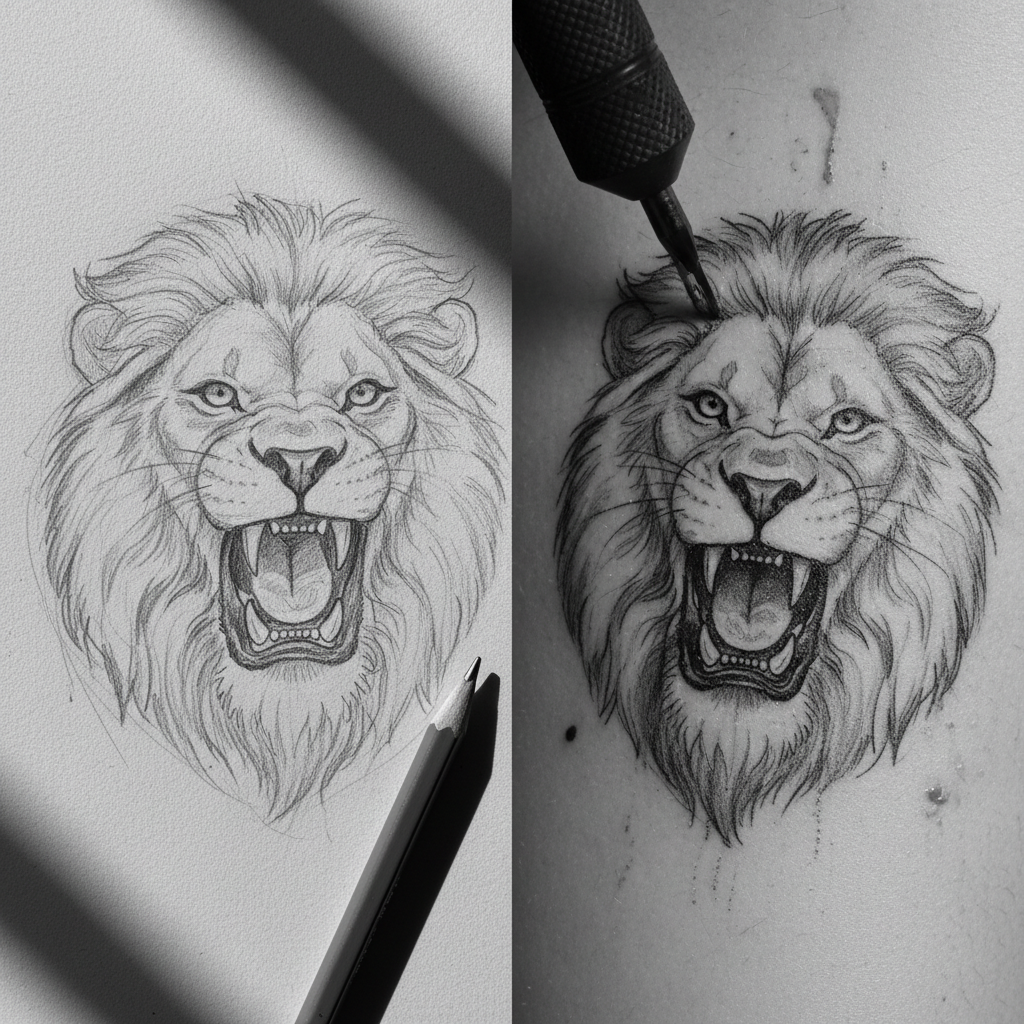
Drawing is creating art on a static, 2D flat surface like paper. Design is engineering art for a living, moving, 3D canvas. A beautiful drawing can make a terrible tattoo if it ignores the medium's limitations.
Design is not decoration. It is problem-solving.
Purpose: Optimization for Anatomy & Longevity
3 PILLARS OF DESIGN
FUNCTION: Placement, aging considerations, body movement, and longevity.
FORM: Composition, balance, negative space, contrast, and visual flow.
MEANING: Storytelling, emotion, and intended impact.
MORPHOLOGY & FLOW
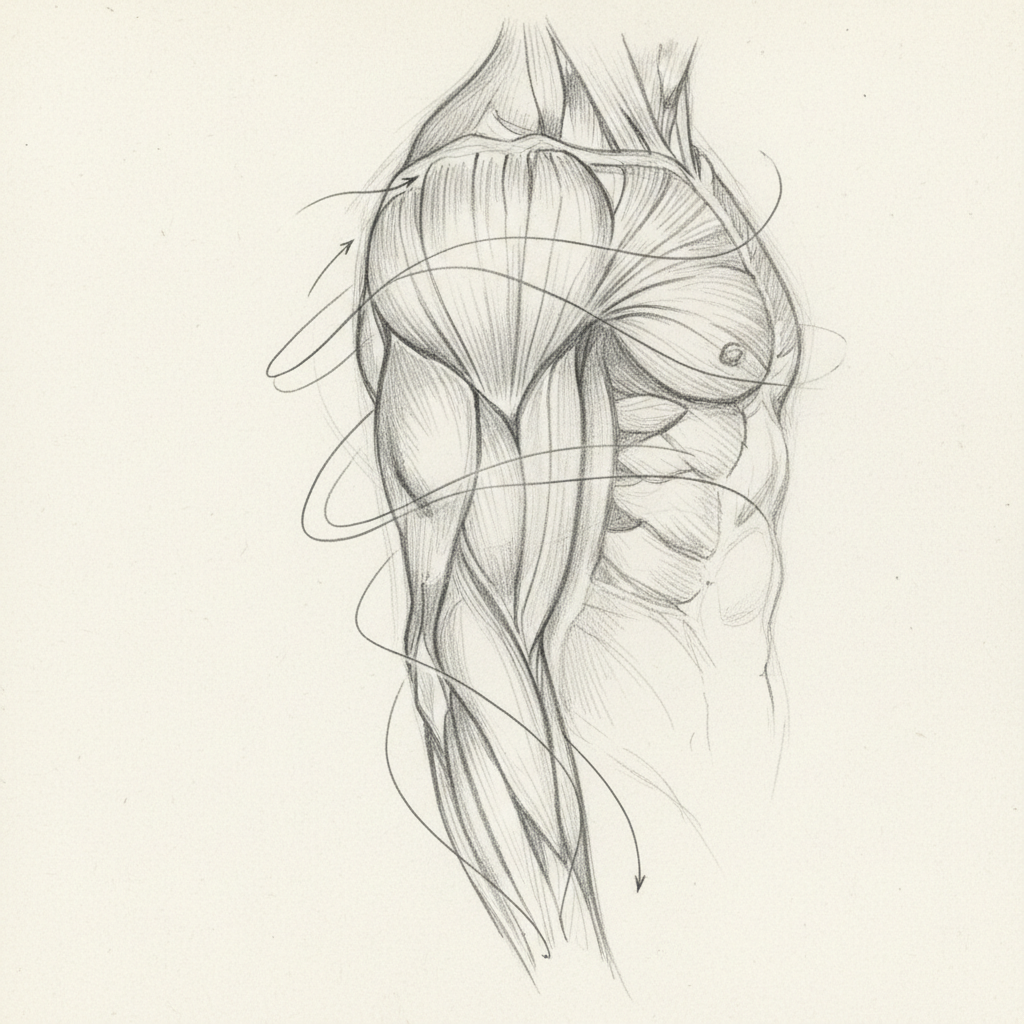
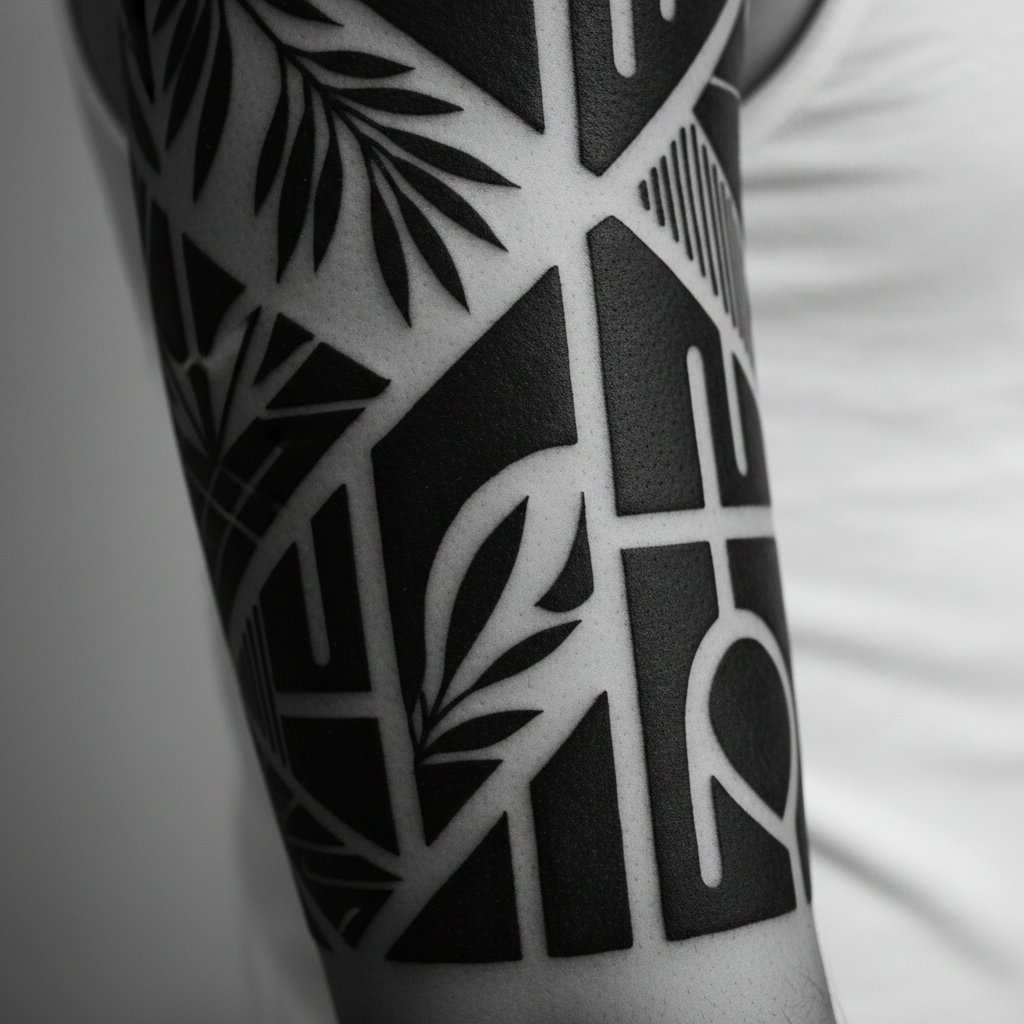
Anatomical flow dictates the design. Tattoos on a cylinder (arm) or sphere (shoulder) distort differently than on paper. Design must follow the muscle structure to look dynamic, rather than static decal placement.
AGING FACTOR: INK SPREAD
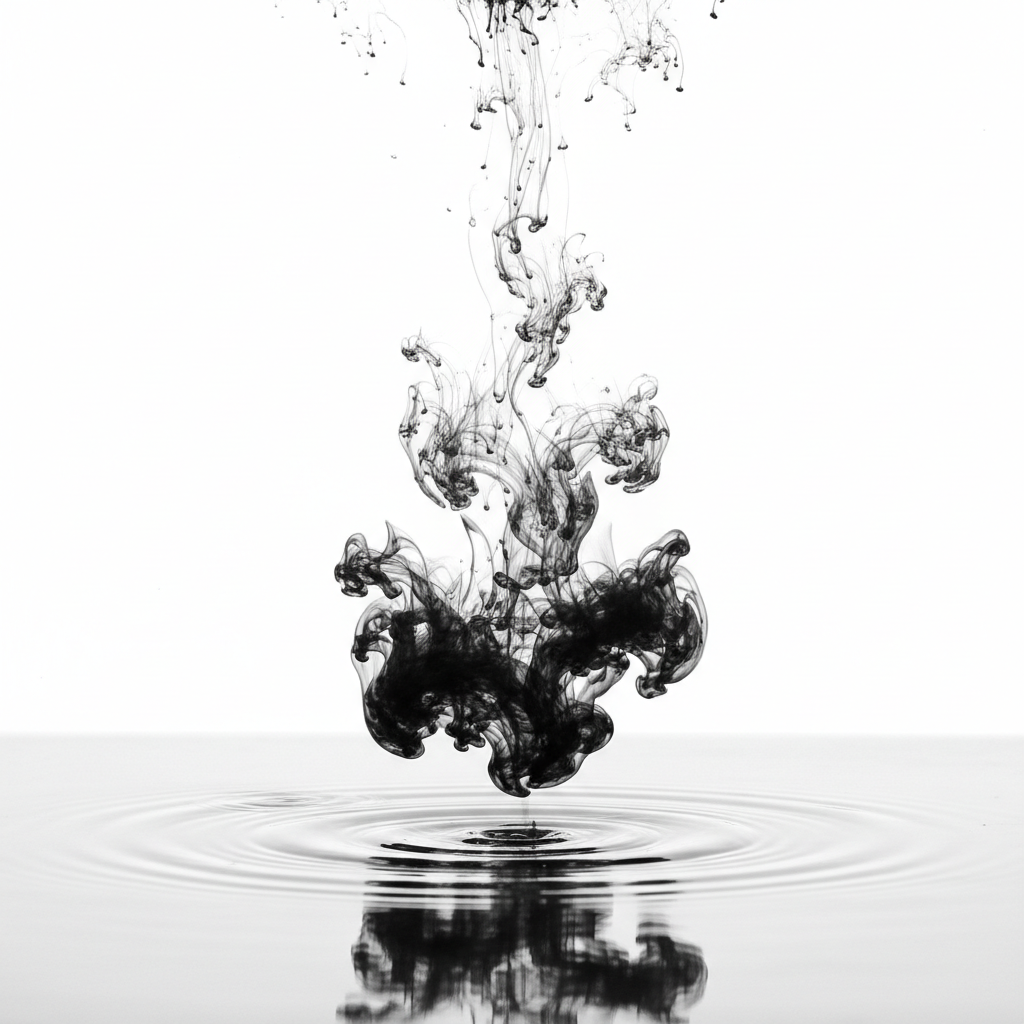
All tattoos migrate over time as macrophages cycle the pigment. Fine details merge; bold lines survive. This chart estimates line width expansion over 20 years.
DISTANCE READABILITY
• The 'Squint Test': Does the design hold up when blurred? • High contrast prevents the 'bruise effect'. • Design must prioritize value structure over tiny details.
WHY DESIGN DECIDES LONGEVITY
SKIN TYPES: Thin skin requires lighter application; sun-damaged skin holds less detail.
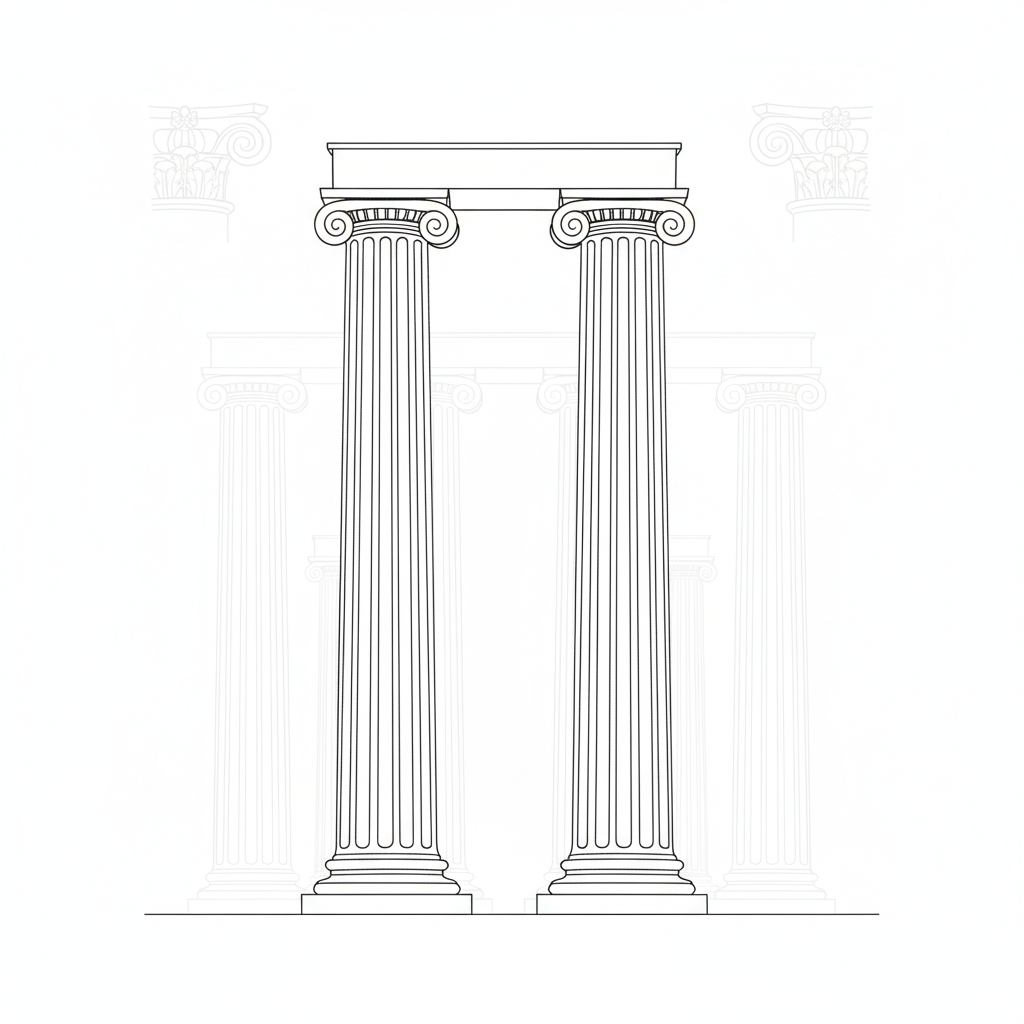
EXPANSION ROOM: Designs need 'breathing room' (negative space) for line expansion.
SIMPLICITY: Complex micro-tattoos often become unreadable in 5 years.
PROFESSIONAL WORKFLOW
Professionals design before they draw. They inspect the canvas first—analyzing scarring, moles, and muscle shape. Only after understanding these constraints does the drawing process begin.
GREAT TATTOOS ARE ENGINEERED
Kaal-Chakkra Tattoo Academy
- tattoo-design
- tattoo-artist
- art-education
- body-anatomy
- tattoo-longevity
- art-theory