


Made byBobr AI

AI Made Simple: A Beginner's Guide to How AI Works

Learn the basics of Artificial Intelligence, including machine learning, generative AI, daily life examples, and its benefits in healthcare and education.

#artificial-intelligence#machine-learning#generative-ai#tech-education#ai-basics#future-technology
Watch
Pitch

Understanding Artificial Intelligence

A Simple Guide to How Computers Think

Made byBobr AI

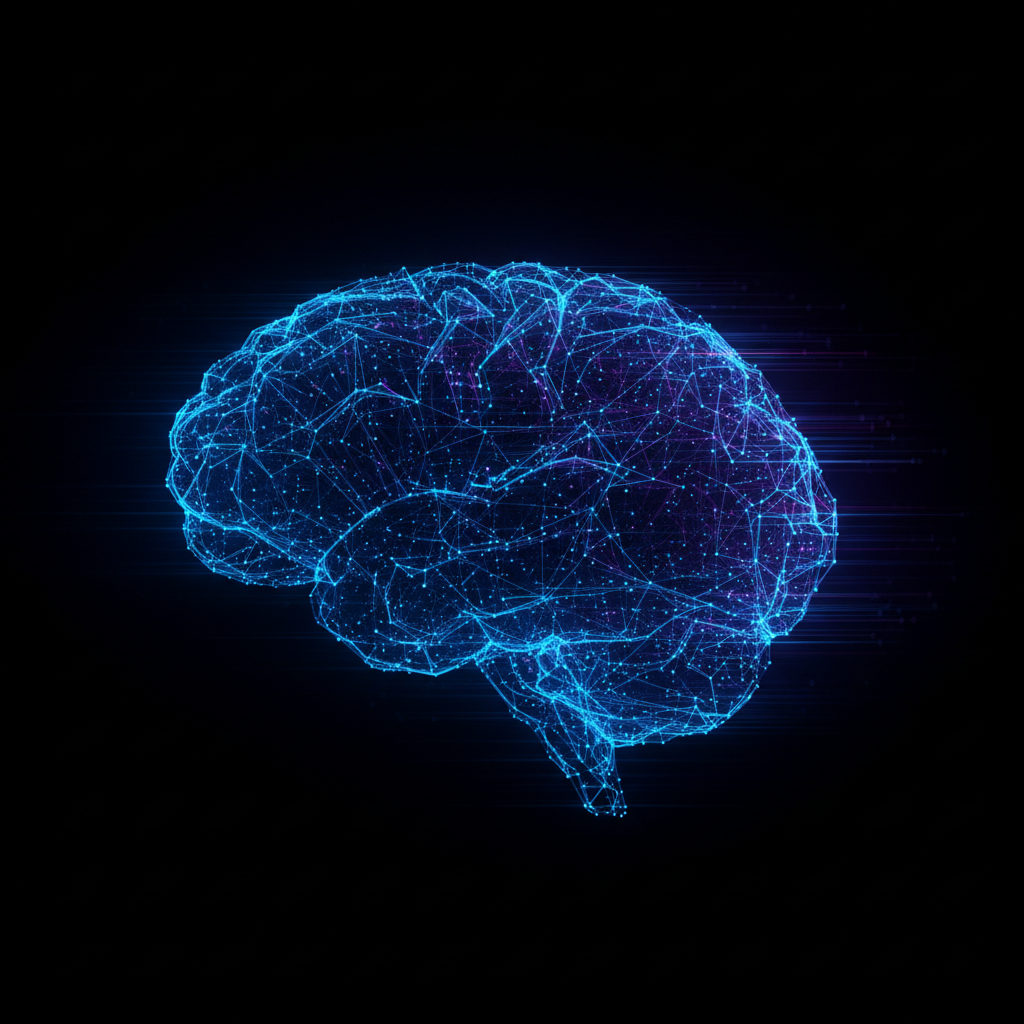
What is AI?

Artificial Intelligence, or AI, is when computers act smart. Normally, computers only do exactly what we tell them to do. But with AI, they can learn, solve problems, and make decisions almost like a human brain.

Made byBobr AI

AI in Our Daily Lives

Smartphones: Face ID and voice assistants like Siri or Alexa.

Streaming: Netflix or YouTube recommending movies you might like.

Social Media: Filters that change how your face looks in photos.

Navigation: Maps finding the fastest route to avoid traffic.

Made byBobr AI

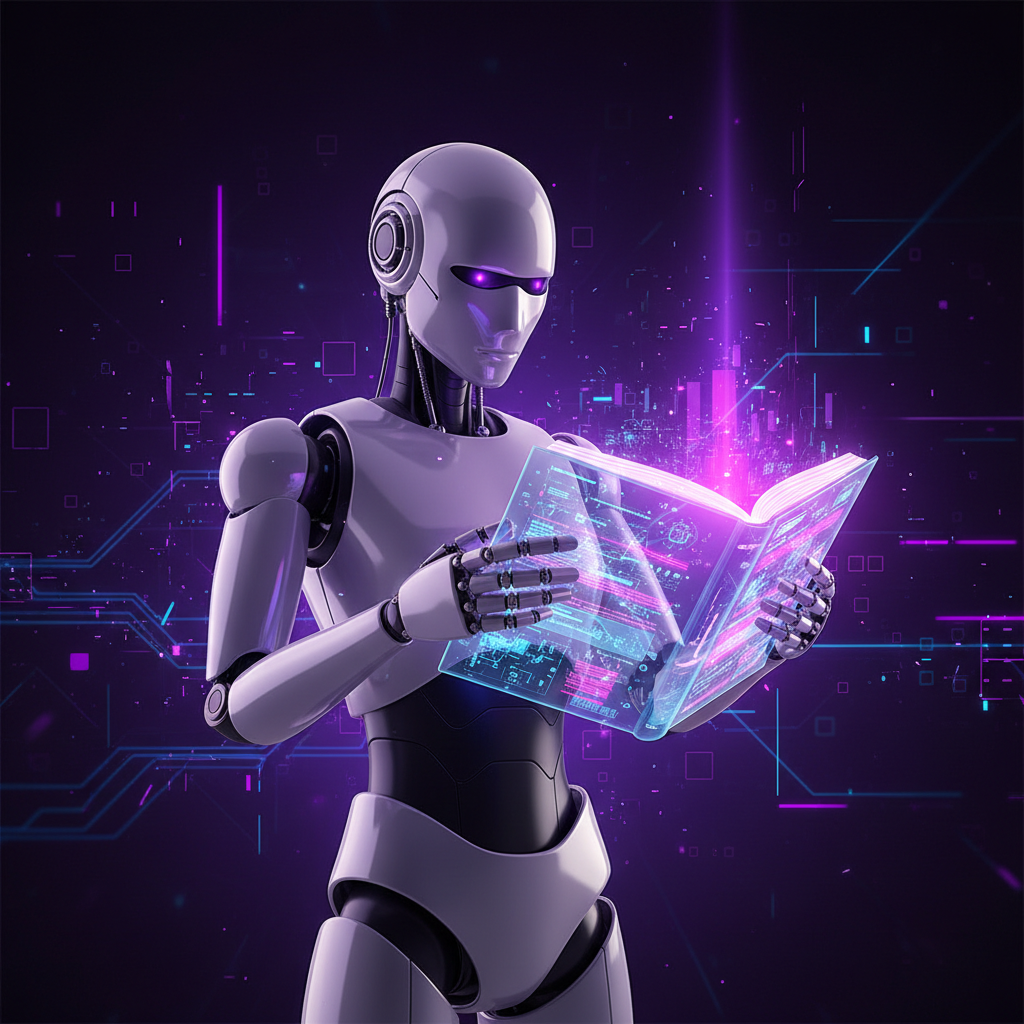
How Does AI Learn?

Humans learn by experience. We touch fire, it hurts, we learn not to touch it. AI learns from data. If we show a computer one million pictures of a cat, it starts to understand the pattern of what a 'cat' looks like. This is called Machine Learning.

Made byBobr AI

Adoption of AI

More and more companies are using AI every year. This chart shows the percentage of big companies using AI in their business operations.

Chart
Made byBobr AI

What is Generative AI?

Older AI could only categorize things (like knowing a picture is a dog). Generative AI is new. It can create things. It can write emails, create art, compose music, and even write computer code.

Made byBobr AI

AI Makes Complex Tasks Simple

Made byBobr AI

Major Benefits of AI

01

Healthcare: Helping doctors interpret X-rays faster.

02

Efficiency: Doing boring, repetitive office work automatically.

03

Education: Personal tutors that adapt to how a student learns.

04

Safety: Self-driving cars reacting faster than human drivers.

Made byBobr AI

Limitations of AI

AI is smart, but not perfect. It can make mistakes if it learns from bad data. It also lacks human feelings, empathy, and common sense. We still need humans to check AI's work.

Made byBobr AI

The question is not whether machines will think, but what will we do with them?

Looking to the Future

Made byBobr AI
Bobr AI

DESIGNER-MADE
PRESENTATION,
GENERATED FROM
YOUR PROMPT

Create your own professional slide deck with real images, data charts, and unique design in under a minute.

Generate For Free

AI Made Simple: A Beginner's Guide to How AI Works

Learn the basics of Artificial Intelligence, including machine learning, generative AI, daily life examples, and its benefits in healthcare and education.

Understanding Artificial Intelligence

A Simple Guide to How Computers Think

What is AI?

Artificial Intelligence, or AI, is when computers act smart. Normally, computers only do exactly what we tell them to do. But with AI, they can learn, solve problems, and make decisions almost like a human brain.

AI in Our Daily Lives

Smartphones: Face ID and voice assistants like Siri or Alexa.

Streaming: Netflix or YouTube recommending movies you might like.

Social Media: Filters that change how your face looks in photos.

Navigation: Maps finding the fastest route to avoid traffic.

How Does AI Learn?

Humans learn by experience. We touch fire, it hurts, we learn not to touch it. AI learns from data. If we show a computer one million pictures of a cat, it starts to understand the pattern of what a 'cat' looks like. This is called Machine Learning.

Adoption of AI

More and more companies are using AI every year. This chart shows the percentage of big companies using AI in their business operations.

What is Generative AI?

Older AI could only categorize things (like knowing a picture is a dog). Generative AI is new. It can create things. It can write emails, create art, compose music, and even write computer code.

AI Makes Complex Tasks Simple

Major Benefits of AI

Healthcare: Helping doctors interpret X-rays faster.

Efficiency: Doing boring, repetitive office work automatically.

Education: Personal tutors that adapt to how a student learns.

Safety: Self-driving cars reacting faster than human drivers.

Limitations of AI

AI is smart, but not perfect. It can make mistakes if it learns from bad data. It also lacks human feelings, empathy, and common sense. We still need humans to check AI's work.

The question is not whether machines will think, but what will we do with them?

Looking to the Future

  • artificial-intelligence
  • machine-learning
  • generative-ai
  • tech-education
  • ai-basics
  • future-technology