


Introduction to Materials: Natural vs. Synthetic Fibres
Learn about common materials like cotton, wool, leather, metal, plastic, and cork in this Grade 7 Science guide to everyday objects and textiles.
Grade 7 Science
They Are
Made of...
What?
Clothing Materials & Everyday Objects
Natural Fabrics
Shiny Metals
Hard Polymers
Textiles & Materials
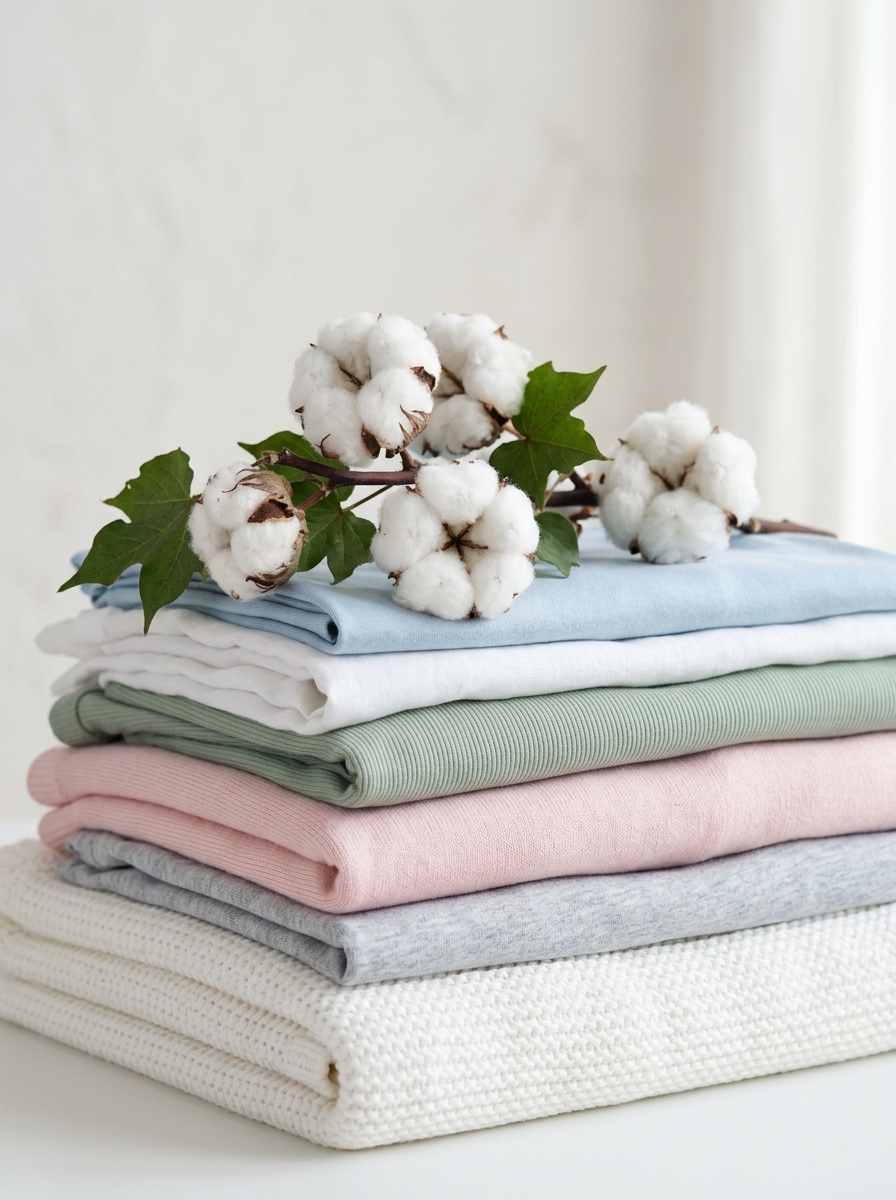
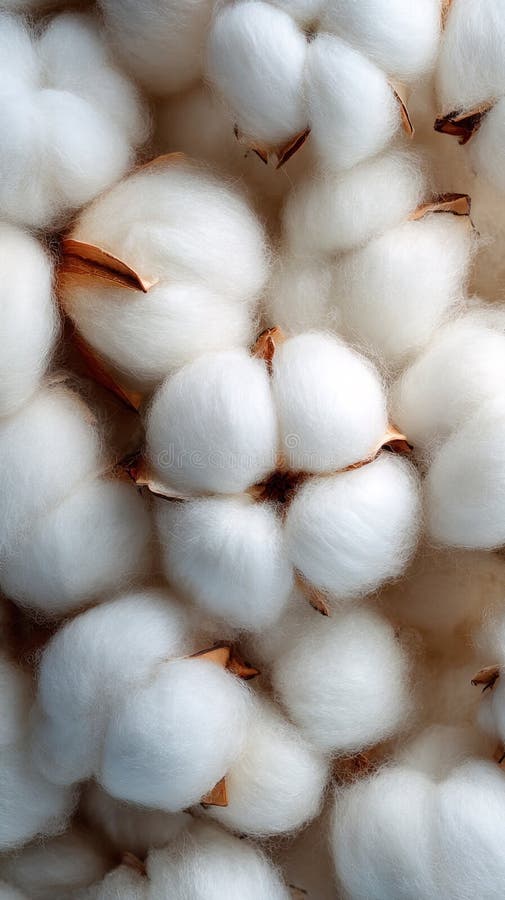
COTTON
A Natural Plant Fibre
Comes from the cotton plant (Gossypium)
Soft, breathable, and absorbent
Used in T-shirts, jeans, towels, and bed sheets
100% Pure
Wool & Leather
Animal-Based Materials
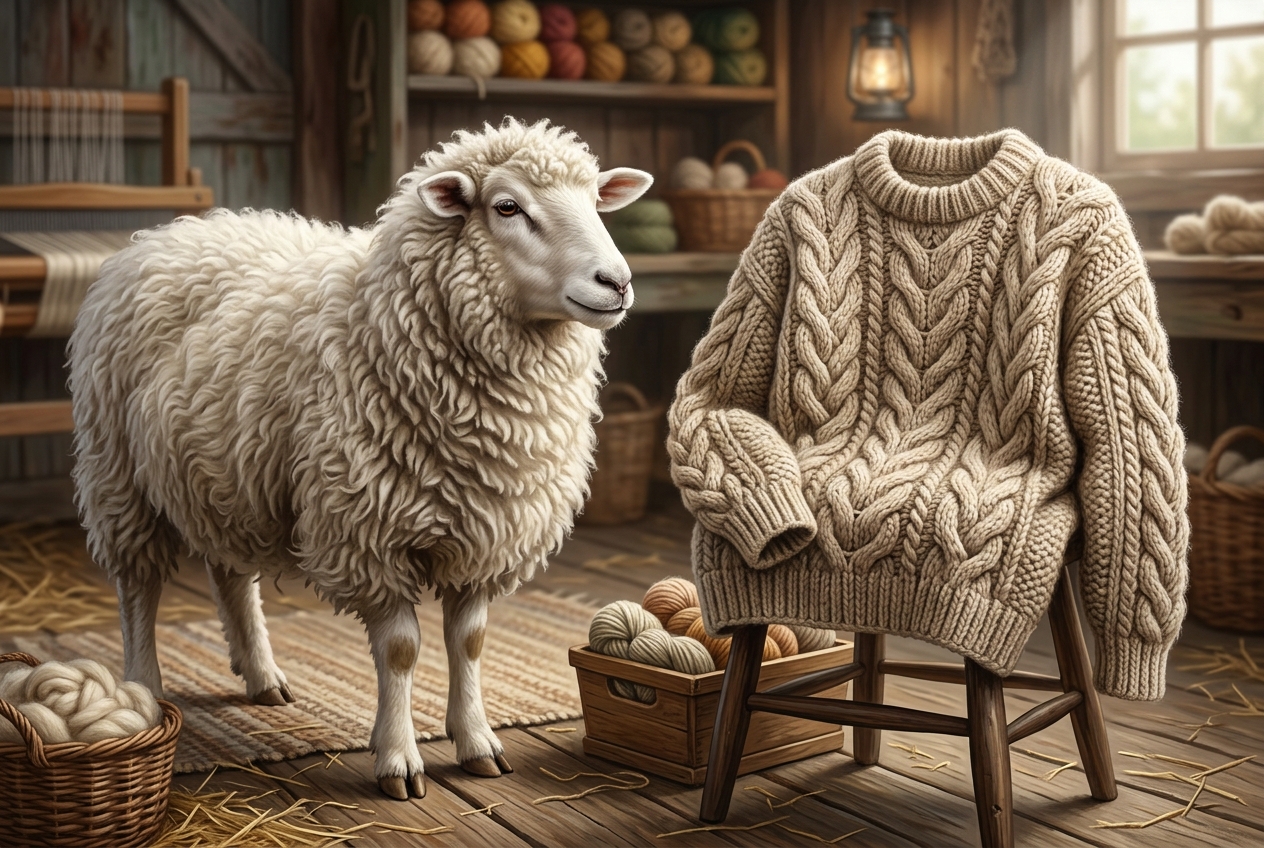
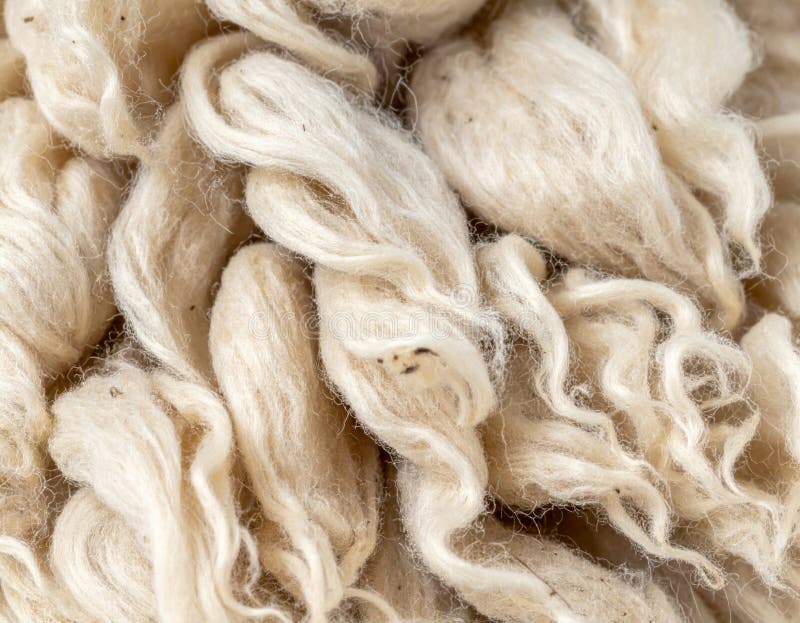
WOOL
Comes from sheep fleece
Warm, elastic, and insulating
Used in sweaters, scarves, blankets
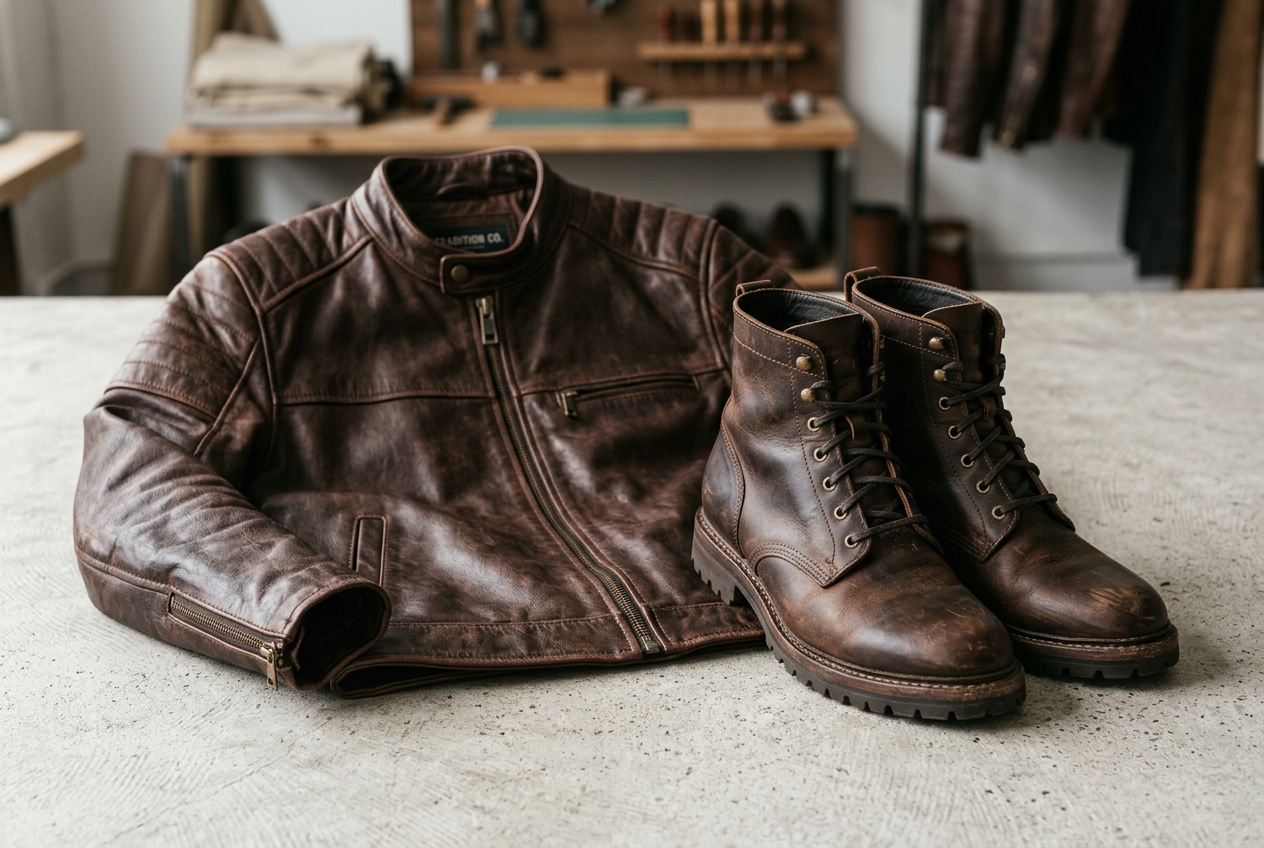
LEATHER
Made from animal skin (cow, pig, sheep)
Strong, durable, water-resistant
Used in shoes, bags, belts, jackets
Metal & Plastic
Manufactured Materials
METAL
Natural resource (iron, aluminium, copper)
Hard, strong, conducts heat & electricity
Used in coins, cutlery, bikes, cans
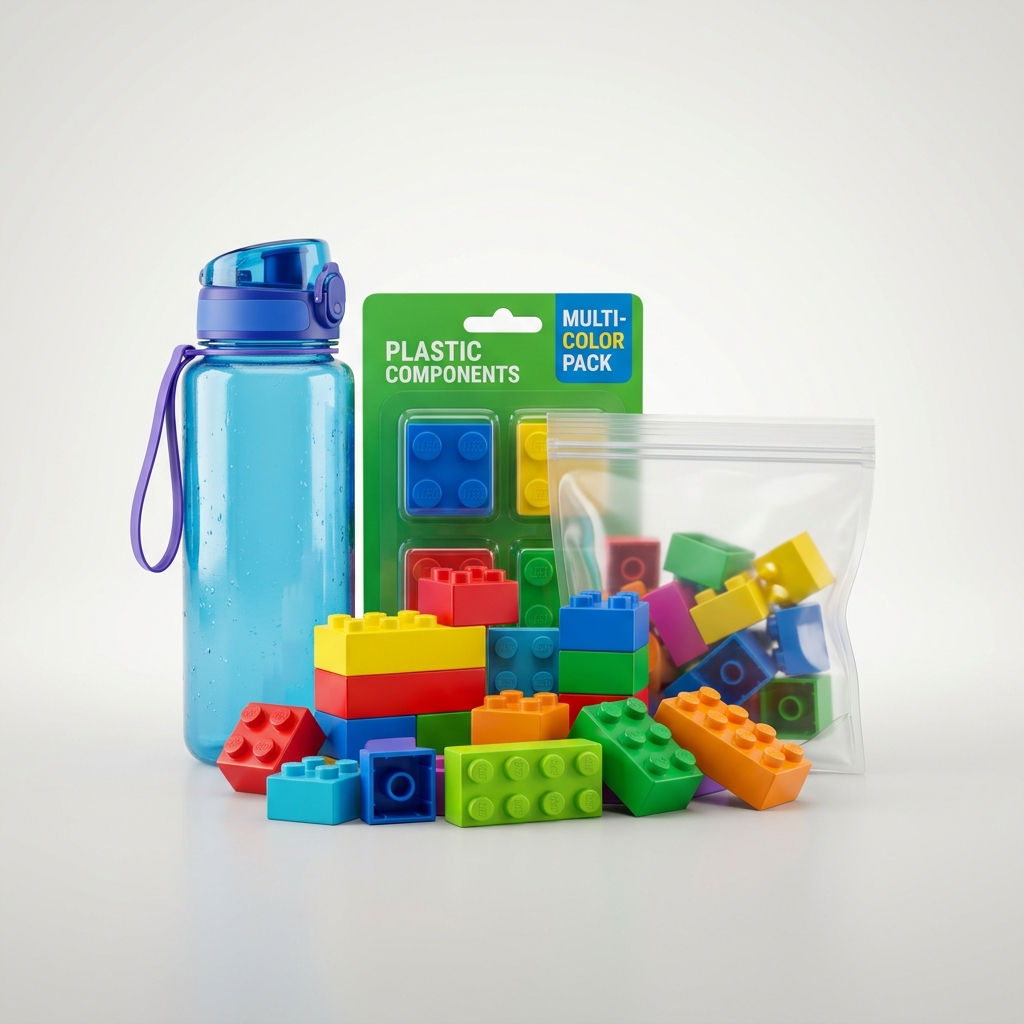
PLASTIC
Man-made from oil/petroleum
Lightweight, waterproof, moldable
Used in bottles, packaging, toys, pipes
Material Science
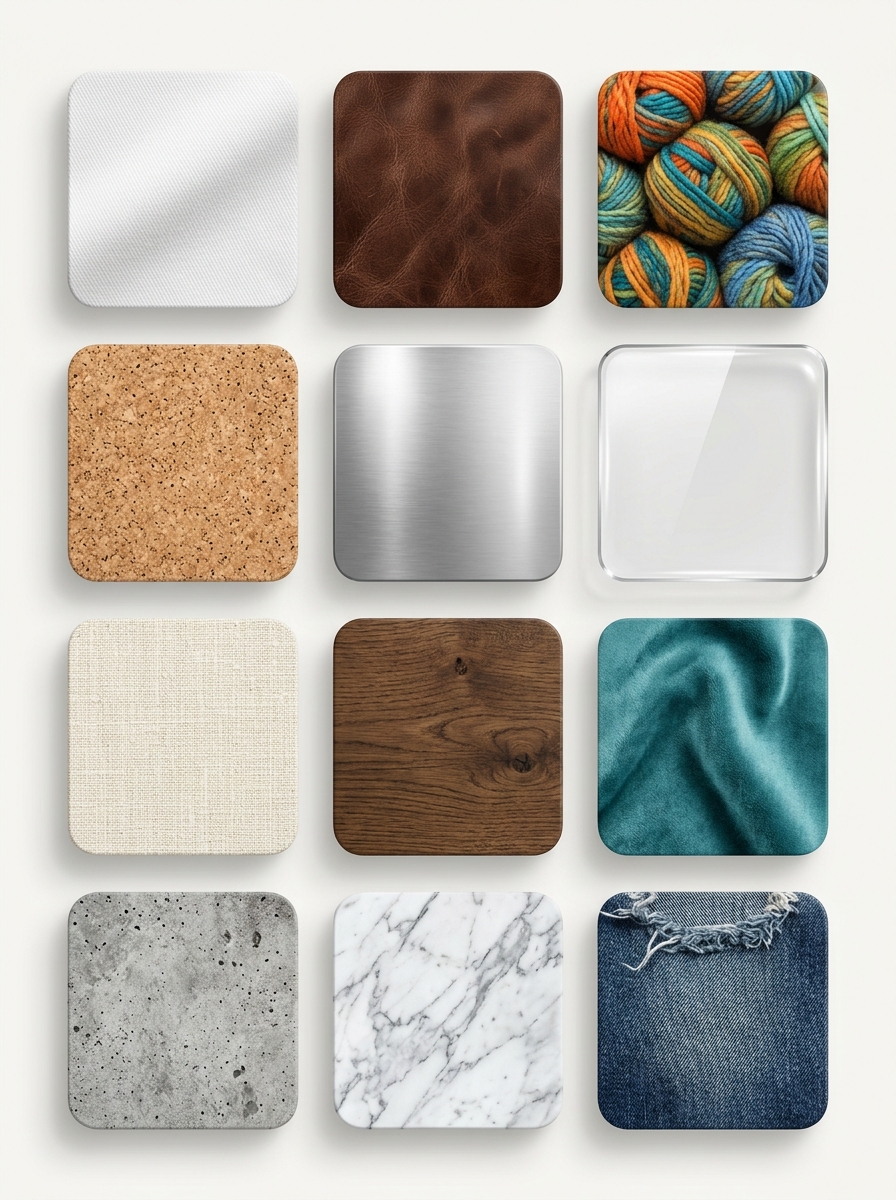
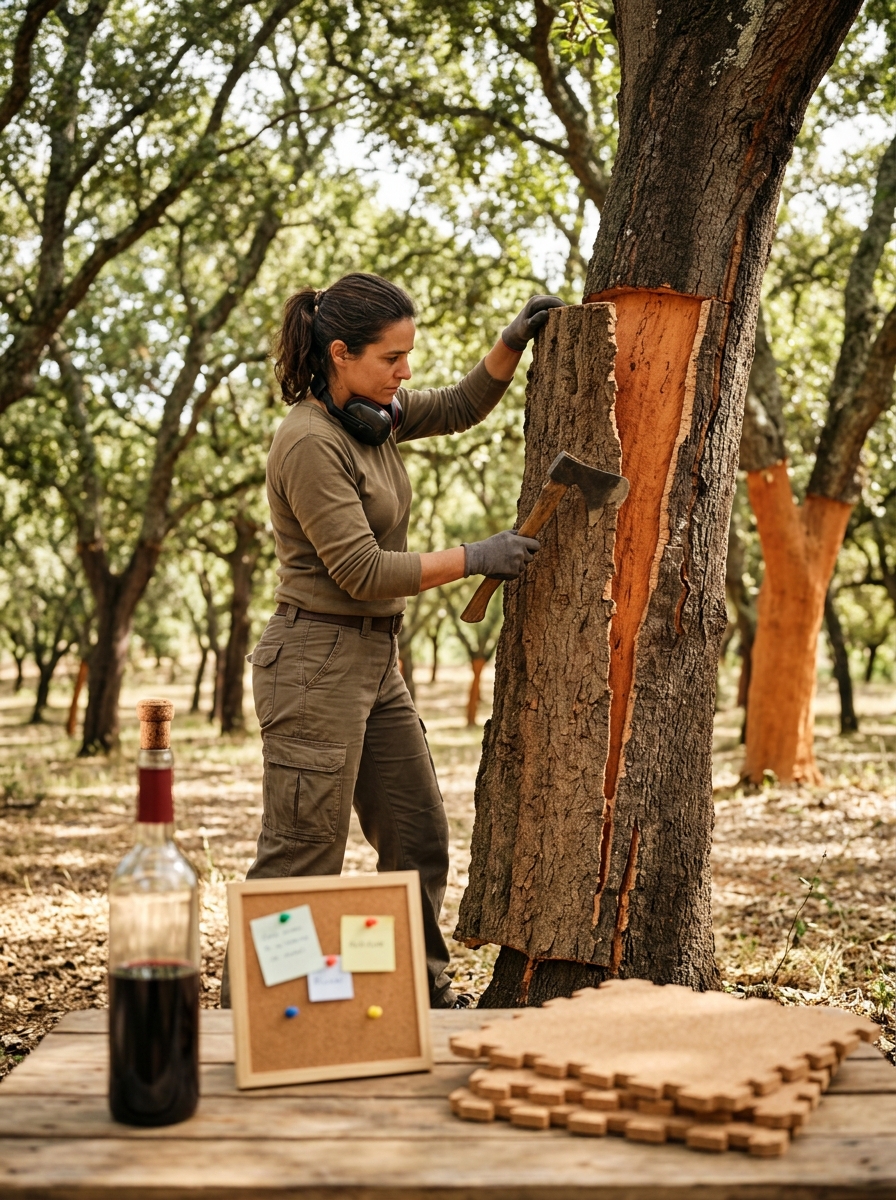
Cork
A Surprising Natural Material
Harvested from the bark of cork oak trees
Lightweight, waterproof, and insulating
Eco-friendly and biodegradable
Used in wine bottle stoppers, flooring, noticeboards, insulation
Cork trees can live up to 200 years!
Natural Bark
Insulating
Sustainable
What Have We Learned?
🌿 Cotton
Plant fibre, breathable
🐑 Wool
Animal fibre, warm
🐄 Leather
Animal skin, durable
🔩 Metal
Mined, strong & conductive
♻️ Plastic
Man-made, lightweight
🌳 Cork
Tree bark, eco-friendly
Can you think of 3 objects at home and what they're made of?
- science-education
- materials
- textiles
- natural-fibres
- polymers
- middle-school-science
- sustainability