

Manufacturing Excellence: Large Motor Assembly Best Practices
Learn lean manufacturing techniques from Japan, including 5S implementation, KY safety systems, and shop floor operational configuration for motor assembly.
Japan Visit Learnings & Best Practices
Large Motor Assembly & Manufacturing Excellence
Daily Work Start-Up Activities
Morning Exercise: Physical preparation for the shift.
Tool Box Meeting (TBM): Safety, Quality & 5S briefing.
Safety Checks: OPL (One Point Lesson) & Checkpoint reading.
KY Sheet System: 'Kiken Yochi' (Danger Prediction) forms filled before work starts.
The Group Building Structure
A structured hierarchy ensures clear communication and accountability on the shop floor. The workflow cascades from the Team Leader down to Trainees, ensuring every operator knows their role in the assembly of large motors.
Shop Floor Operational Configuration
The shop floor is divided into 5-6 specialized groups. Each group consists of 5 members working in separate workstations. The operational target for each group is to complete 5 motors per week, contributing to a total factory capacity of 100+ motors per month.
5S Implementation: Discipline Driven Culture
Effective 5S (Sort, Set in Order, Shine) creates a safe, efficient workspace. Key practices include clearing unwanted materials immediately after a shift, removing empty pallets, and maintaining visual control through transparent containers.
Material Management Excellence
Segregation: Materials are segregated process-wise before work start-up.
Kits & Trays: Use of color-coded (pink/orange) trays for small part separation.
Drawings & BOM: A3/A1 drawings and categorized serial numbers provided at each station.
Warehouse Handoff: Materials moved efficiently on pallets by the warehouse team.
Specialized Assembly Tools
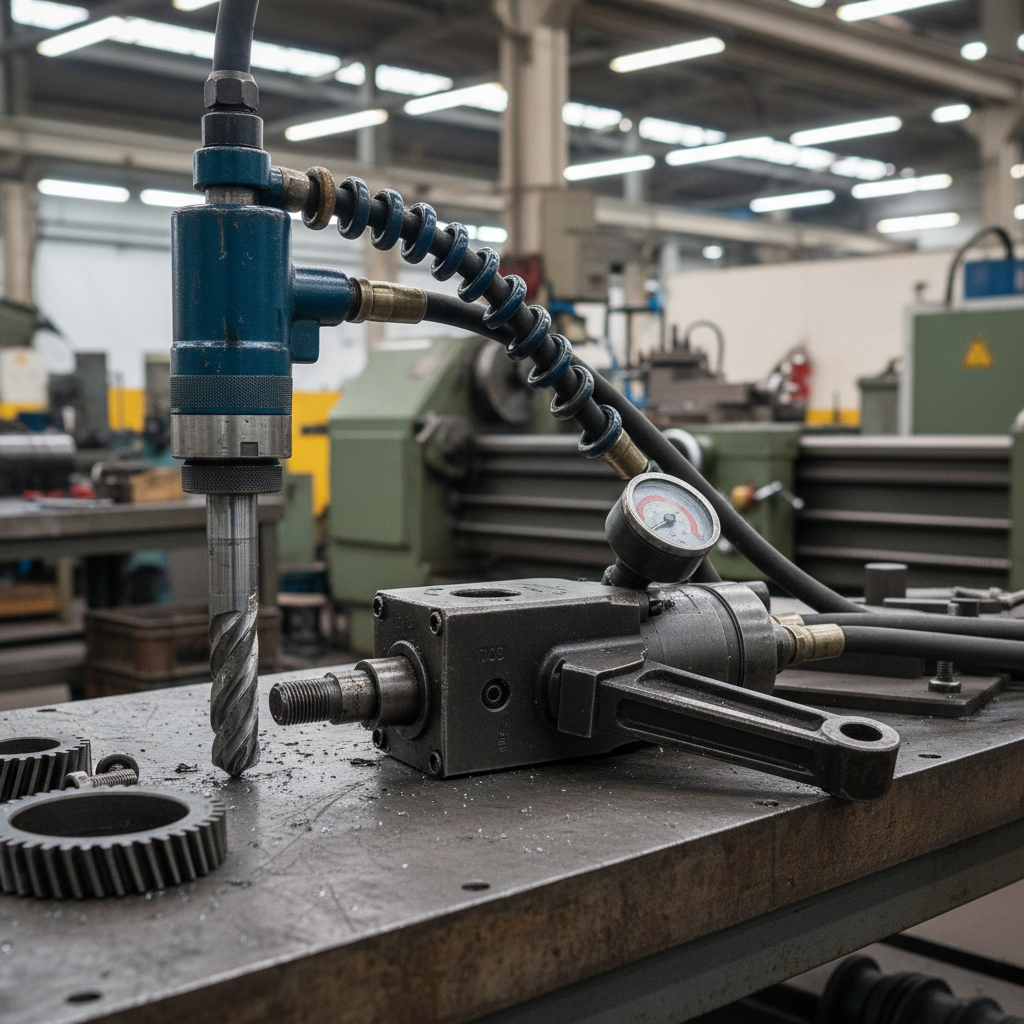
Efficiency is driven by task-specific tools. Examples include the Pneumatic Tapping Gun (auto-reverse rotation), Hydraulic Torque Wrenches for precise bolt elongation, and custom fixtures for rotor rotation and coupling cooling.
KY Sheet System (Kiken Yochi): Filled before work start, displayed near the workstation, and verified daily by the Production Head to improve safety awareness.
Safety & Hazard Prevention Strategy
Overtime Administration
Overtime is strictly regulated to prevent burnout and ensure efficiency. It is only permitted in cases of material delay and must be approved by the Production Head. Limits are set at 5 hours per week and capped at 60 hours over 3 months.
Key Takeaways
Discipline Builds Safety: Strict adherence to KY sheets, TBM, and 5S protocols minimizes risks.
Visual Management: Shadow boards, clear signage, and designated material zones reduce search time.
Ownership Improves Productivity: The group system empowers operators to manage cleanliness and workflow.
Small Practices, Big Results: Simple habits like morning exercise and proper tool storage drive operational excellence.
- lean-manufacturing
- 5s-methodology
- kiken-yochi
- manufacturing-excellence
- shop-floor-management
- industrial-engineering
- operational-excellence