
Tattoo Styles & Artistry: Evolution and Techniques
Discover the art of tattooing, from American Traditional to Realism. Learn about tattoo history, various styles, aftercare, and the concept of visual balance.
Tattoo Types & Artistry
Exploring Body Ink as a Form of Expression
The Evolution of Tattoo Art
Tattooing has evolved from ancient tribal rituals to a sophisticated modern art form. Today, it encompasses a wide range of styles, techniques, and cultural significances, recognized globally as a legitimate and powerful medium of artistic expression.
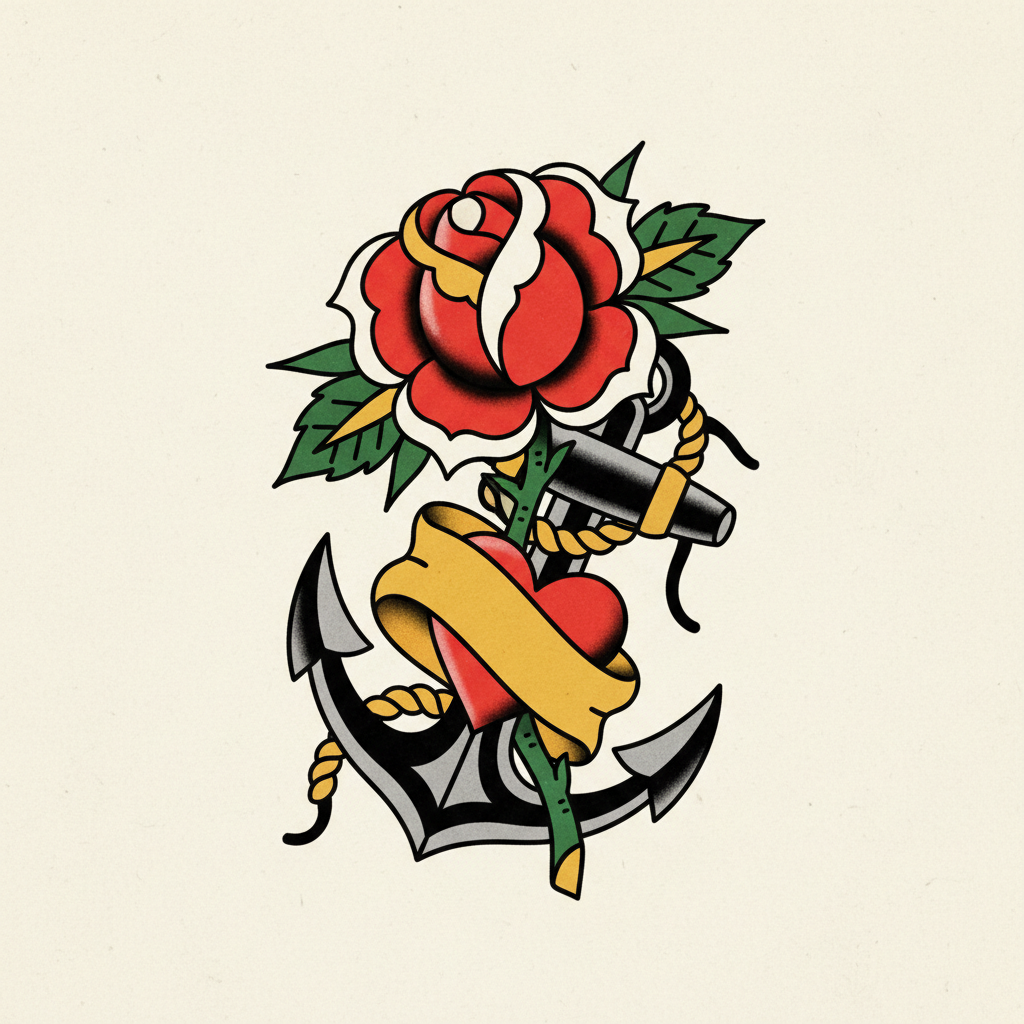
American Traditional
Characterized by bold black outlines and a limited color palette of red, green, yellow, and blue. This iconic style features classic imagery like anchors, eagles, roses, and pin-up girls.
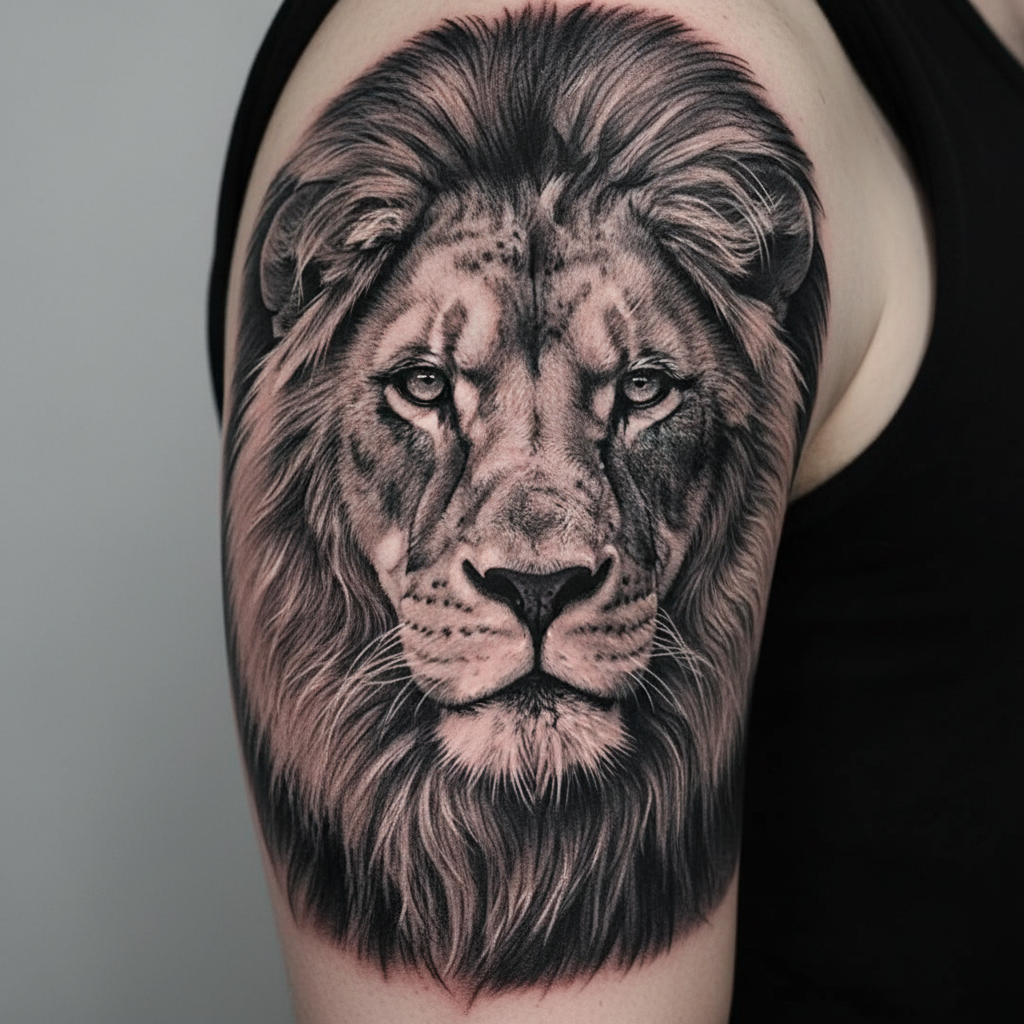
Realism & Portraiture
Realism focuses on accurate representation, creating tattoos that look like photographs on the skin. This heavily detailed style requires mastery of shading and depth to bring portraits and nature scenes to life.
Other Popular Styles
Neo-Traditional: Expands on American Traditional with more complex details and colors.
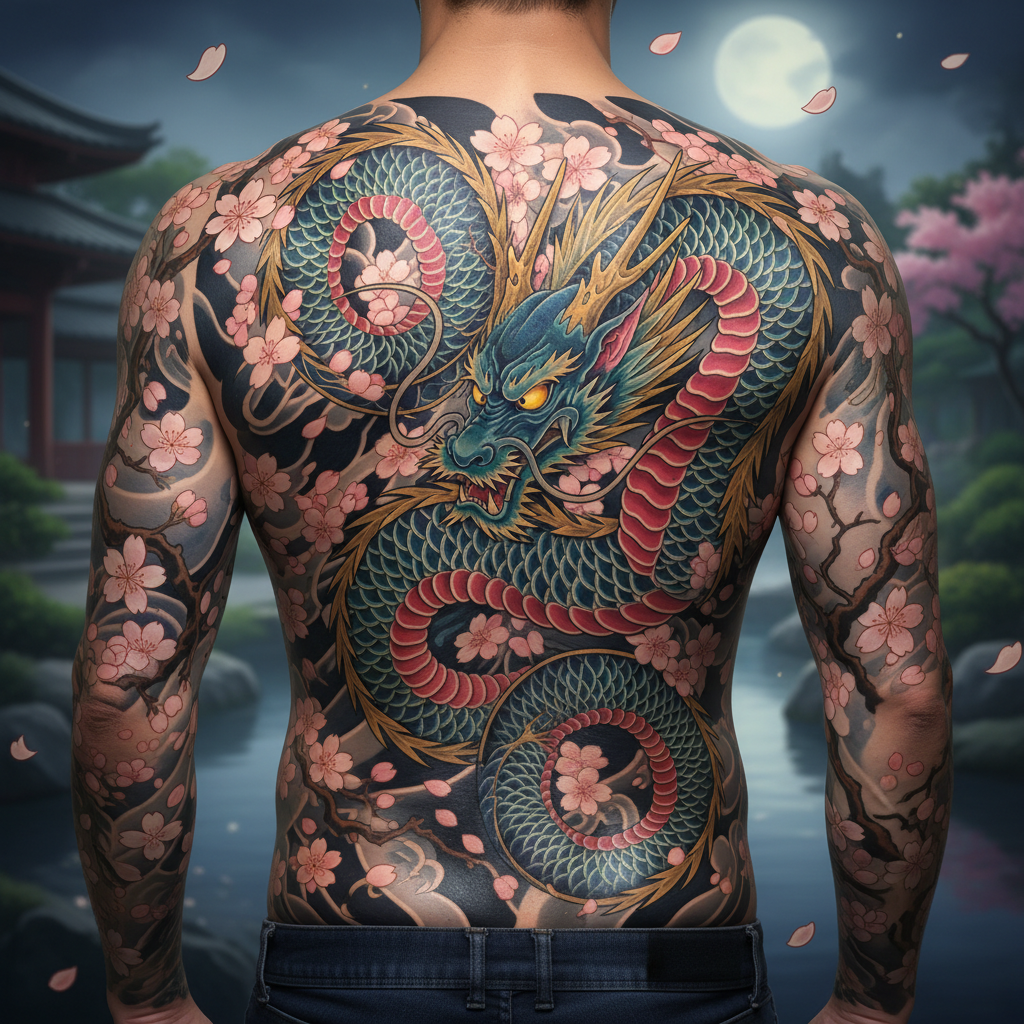
Japanese (Irezumi): Features mythological beasts, koi fish, and waves in full-body suits.
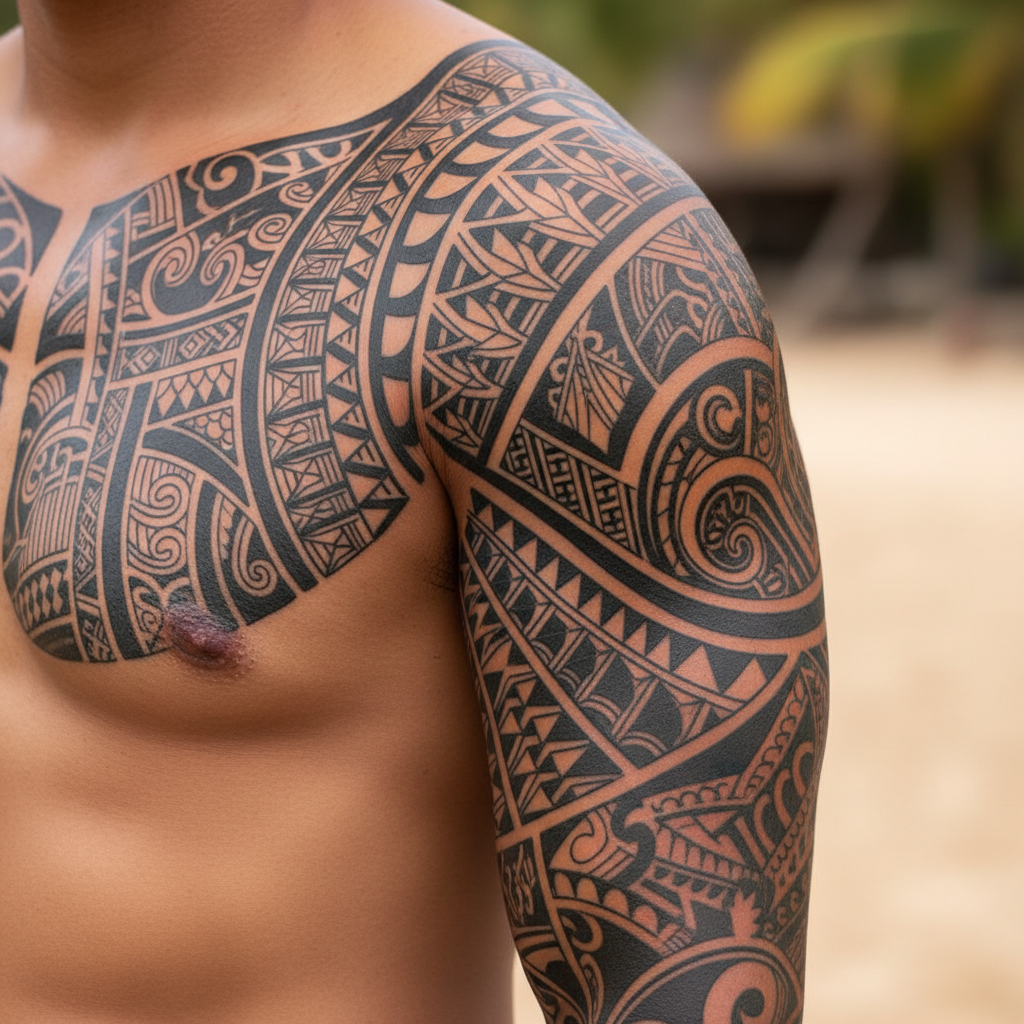
Blackwork: Utilizes bold black ink for geometric patterns and tribal designs.
Masterpieces on Skin
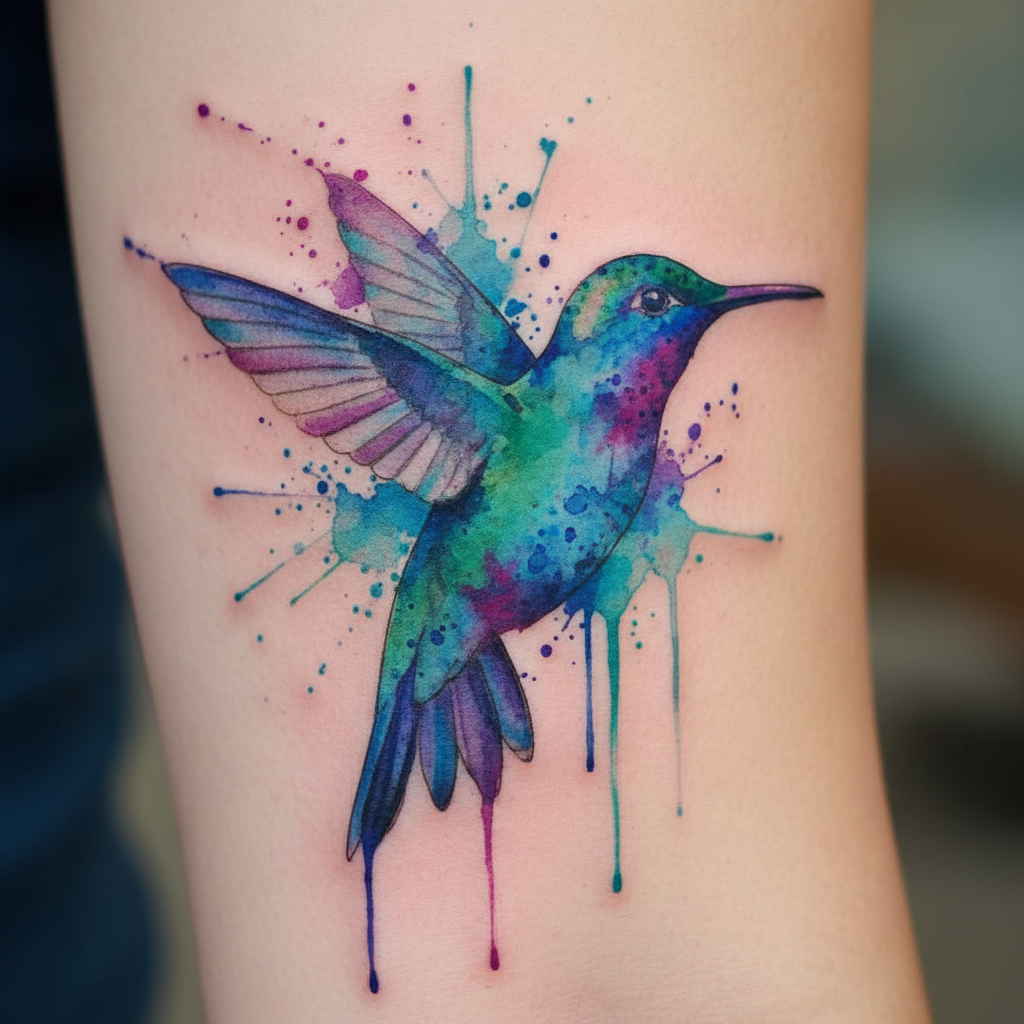
Watercolor & Abstract
Breaking away from outlines, these styles use splashes of color and unconventional shapes to mimic paint on canvas. They often look softer and more ephemeral.
Show me a man with a tattoo and I'll show you a man with an interesting past.
Jack London
Cultural Significance
From the Maori Ta Moko to intricate henna designs (though temporary), body art has served as a rite of passage, status symbol, and protective talisman across cultures for millennia.
Looking After Your Art
Aftercare: Keep it clean and moisturized during healing.
Sun Protection: UV rays fade ink, so always use sunscreen.
Touch-ups: Even the best work may need refreshing over time.
Balance in Tattooing
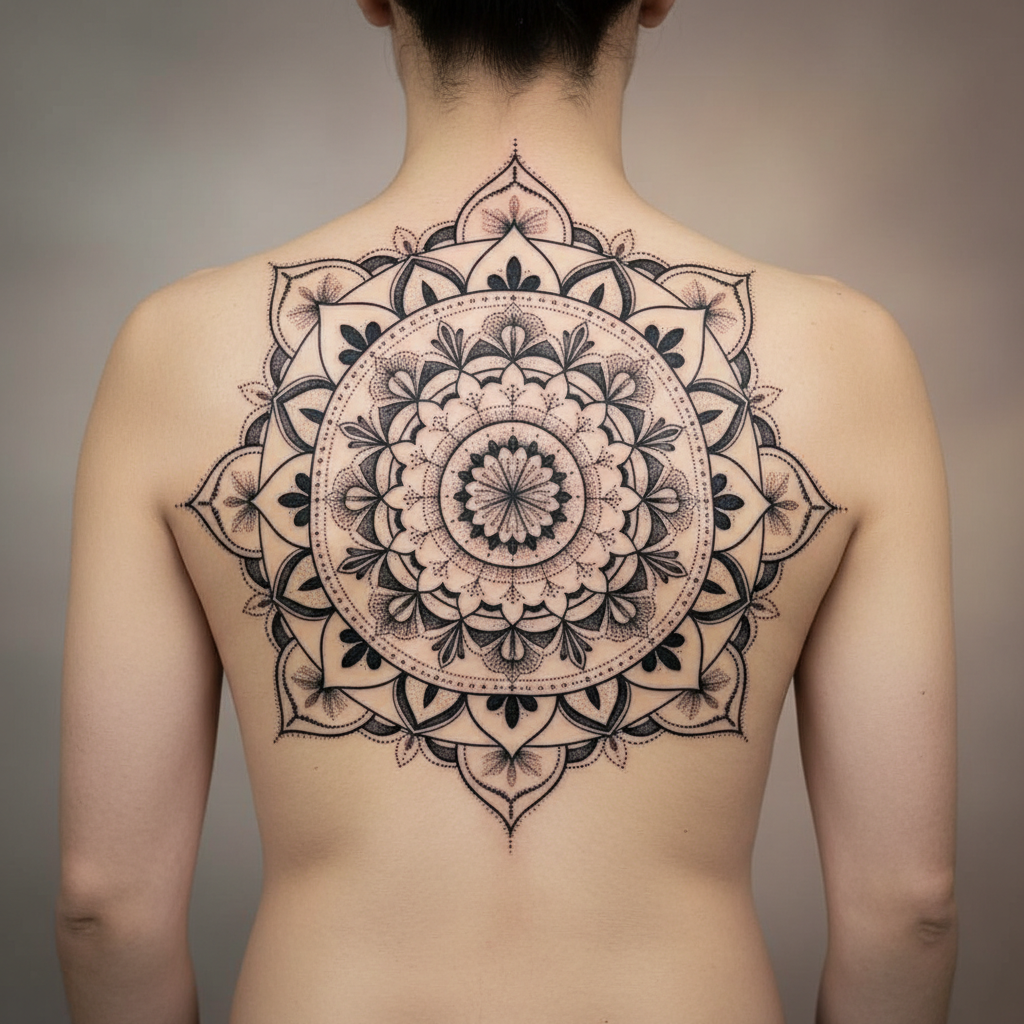
In tattoo art, balance ensures the design fits the body's natural flow. It involves distributing visual weight through symmetry or asymmetry, ensuring the artwork complements muscle structure and movement rather than fighting against it.
Balance in Photography
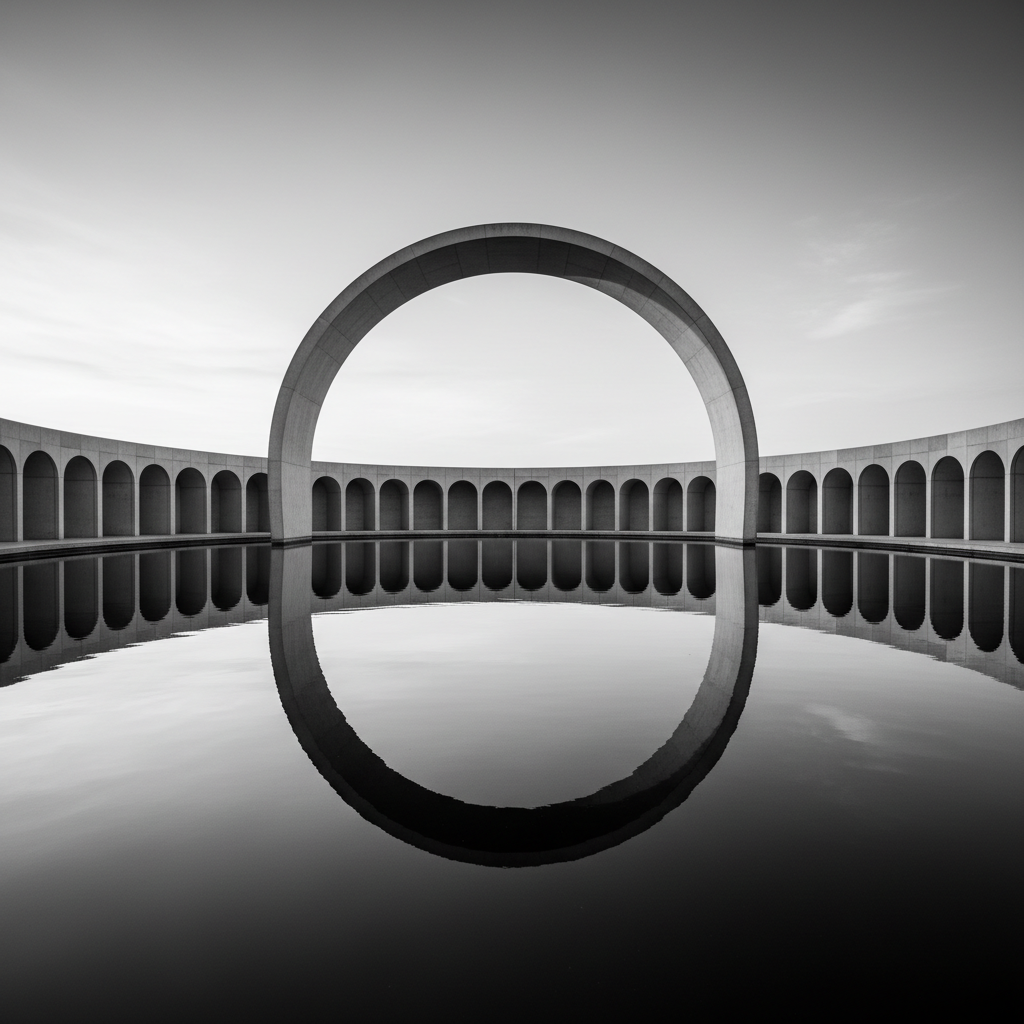
Photographic balance arranges elements so no single part overpowers the whole. Techniques like symmetrical composition or balancing negative space create visual stability, guiding the viewer's eye harmoniously across the frame.
- tattoo-art
- body-ink
- art-styles
- tattoo-aftercare
- visual-design
- cultural-history
- realism-tattoo