



Made byBobr AI

School of Computing: Innovation & Career Outcomes

Discover the School of Computing's academic process, from theory to capstone innovation, with a 95% career placement rate in AI, Cloud, and Fintech.

#computer-science#higher-education#software-engineering#data-science#career-outcomes#it-curriculum
Watch
Pitch

School of Computing

Introduction, Academic Process, and Educational Outcomes

Made byBobr AI

Introduction to the School

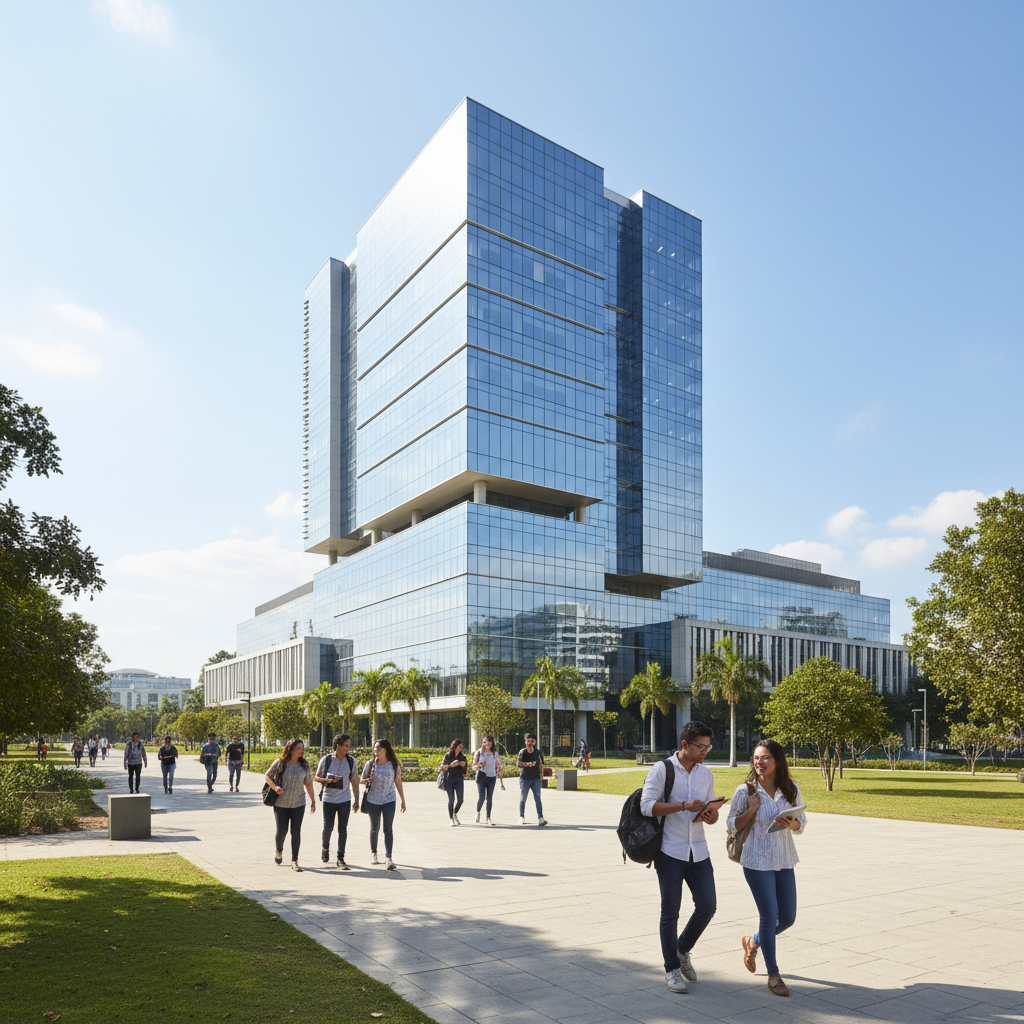
The School of Computing is a premier hub for technological innovation and digital literacy. We bridge the gap between theoretical computer science and real-world application, fostering a culture of problem-solving and ethical engineering.

Made byBobr AI

Our Vision & Mission

  • To serve as a global leader in computational research and education.
  • Empowering students with industry-relevant skills in AI, Cloud, and Security.
  • Fostering an inclusive environment that encourages technological entrepreneurship.
  • Collaborating with industry partners to solve complex societal challenges.
Made byBobr AI

Academic Focus Areas

Our curriculum is balanced across four critical pillars of modern computing, ensuring students receive a holistic technical education.

Chart
Made byBobr AI

The Learning Process

From Theory to Practice

Our pedagogical process moves beyond traditional lectures. We employ specific stages: Conceptual Foundation (Year 1), Applied Laboratories (Year 2), Collaborative Project-Based Learning (Year 3), and Capstone Innovation (Year 4). This ensures that knowledge is not just memorized, but engineered into solutions.

Made byBobr AI

Hands-On Methodology

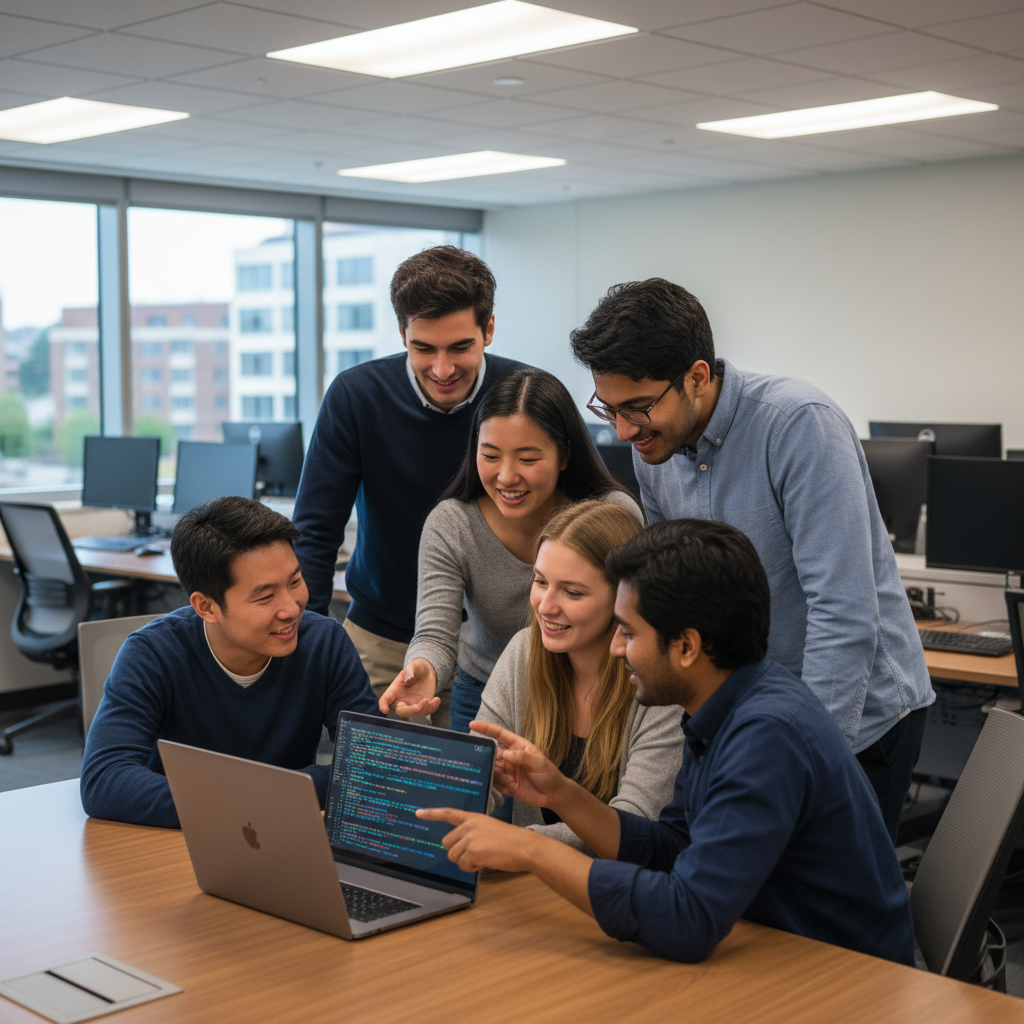
The school emphasizes 'Learning by Doing'. Students spend 40% of their time in labs working on code sprints, hackathons, and hardware integration. We utilize industry-standard tools like GitHub, AWS, and Agile Scrum boards to simulate professional environments.

Made byBobr AI

Rising Enrollment Trends

The demand for our computing programs has grown steadily, reflecting the quality of our educational process and the relevance of our curriculum in the job market.

Chart
Made byBobr AI

Outcomes: Graduate Attributes

Technical Proficiency: Mastery of algorithms, data structures, and system design.
Innovation: Ability to design novel solutions for undefined problems.
Professional Ethics: Understanding the social impact of technology.
Communication: Translating complex technical concepts for non-technical stakeholders.
Made byBobr AI

Career Placement Success

Our graduates secure positions in diverse, high-growth sectors. The outcome of our rigorous process is a 95% placement rate within 6 months of graduation, spanning Fintech, Healthcare, and Big Tech.

Chart
Made byBobr AI

“The School of Computing does not just teach code; we create the architects of tomorrow's digital reality.”

— Dr. Alan Turing (Honorary Referent)

Made byBobr AI

Determine Your Future with Us

Made byBobr AI
Bobr AI

DESIGNER-MADE
PRESENTATION,
GENERATED FROM
YOUR PROMPT

Create your own professional slide deck with real images, data charts, and unique design in under a minute.

Generate For Free

School of Computing: Innovation & Career Outcomes

Discover the School of Computing's academic process, from theory to capstone innovation, with a 95% career placement rate in AI, Cloud, and Fintech.

School of Computing

Introduction, Academic Process, and Educational Outcomes

Introduction to the School

The School of Computing is a premier hub for technological innovation and digital literacy. We bridge the gap between theoretical computer science and real-world application, fostering a culture of problem-solving and ethical engineering.

Our Vision & Mission

To serve as a global leader in computational research and education.

Empowering students with industry-relevant skills in AI, Cloud, and Security.

Fostering an inclusive environment that encourages technological entrepreneurship.

Collaborating with industry partners to solve complex societal challenges.

Academic Focus Areas

Our curriculum is balanced across four critical pillars of modern computing, ensuring students receive a holistic technical education.

The Learning Process

From Theory to Practice

Our pedagogical process moves beyond traditional lectures. We employ specific stages: Conceptual Foundation (Year 1), Applied Laboratories (Year 2), Collaborative Project-Based Learning (Year 3), and Capstone Innovation (Year 4). This ensures that knowledge is not just memorized, but engineered into solutions.

Hands-On Methodology

The school emphasizes 'Learning by Doing'. Students spend 40% of their time in labs working on code sprints, hackathons, and hardware integration. We utilize industry-standard tools like GitHub, AWS, and Agile Scrum boards to simulate professional environments.

Rising Enrollment Trends

The demand for our computing programs has grown steadily, reflecting the quality of our educational process and the relevance of our curriculum in the job market.

Outcomes: Graduate Attributes

Technical Proficiency: Mastery of algorithms, data structures, and system design.

Innovation: Ability to design novel solutions for undefined problems.

Professional Ethics: Understanding the social impact of technology.

Communication: Translating complex technical concepts for non-technical stakeholders.

Career Placement Success

Our graduates secure positions in diverse, high-growth sectors. The outcome of our rigorous process is a 95% placement rate within 6 months of graduation, spanning Fintech, Healthcare, and Big Tech.

The School of Computing does not just teach code; we create the architects of tomorrow's digital reality.

Dr. Alan Turing (Honorary Referent)

Determine Your Future with Us

  • computer-science
  • higher-education
  • software-engineering
  • data-science
  • career-outcomes
  • it-curriculum