










Tourism Seasonality: Challenges and Sustainable Solutions
Explore how to manage tourism seasonality, from economic impacts to innovative solutions like MICE tourism, event scheduling, and niche product development.
Tourism Seasonality
Navigating Peaks and Troughs: Problems & Solutions
Defining Seasonality
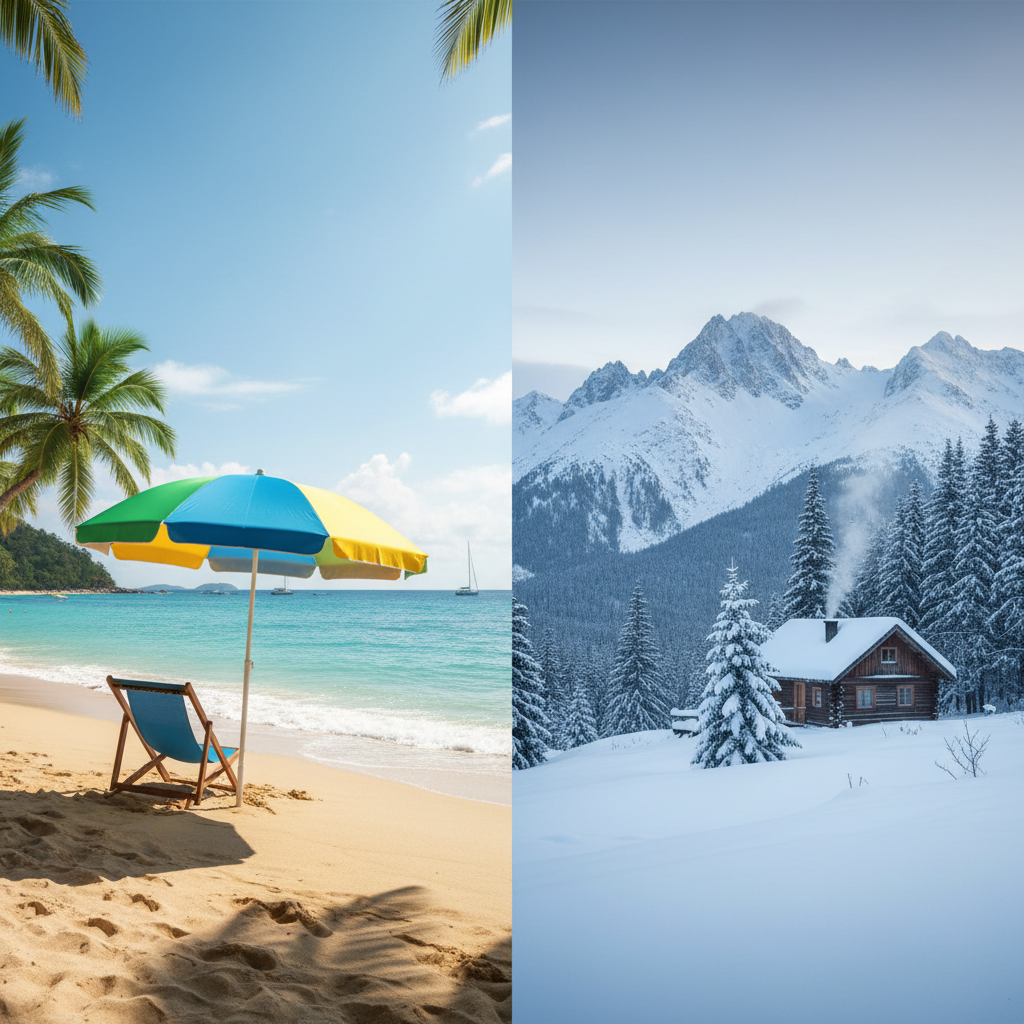
Tourism seasonality refers to the temporal imbalance in the phenomenon of tourism. It manifests as the concentration of tourist flows in short periods of the year creating inefficiencies in resource usage.
Natural seasonality (Climate, Weather)
Institutional seasonality (School holidays, Festivals)
The Root Causes
Weather Patterns: Dependence on sunshine (beach) or snow (ski).
Holiday Schedules: Fixed school breaks and industrial shutdowns.
Social Tradition: Habitual travel periods ingrained in culture.
Event Calendars: Major festivals or sports events dictating flow.
The Economic Rollercoaster
Typical revenue curve for a Mediterranean coastal resort showing the drastic inequality between summer months and the rest of the year.
Impact on Employment
Seasonal tourism creates instability in the labor market. Workers often face precarious contracts during peak season and unemployment during the off-season. This leads to a lack of skilled staff retention and reduced service quality.
The Problem of Overcrowding
Environmental Stress
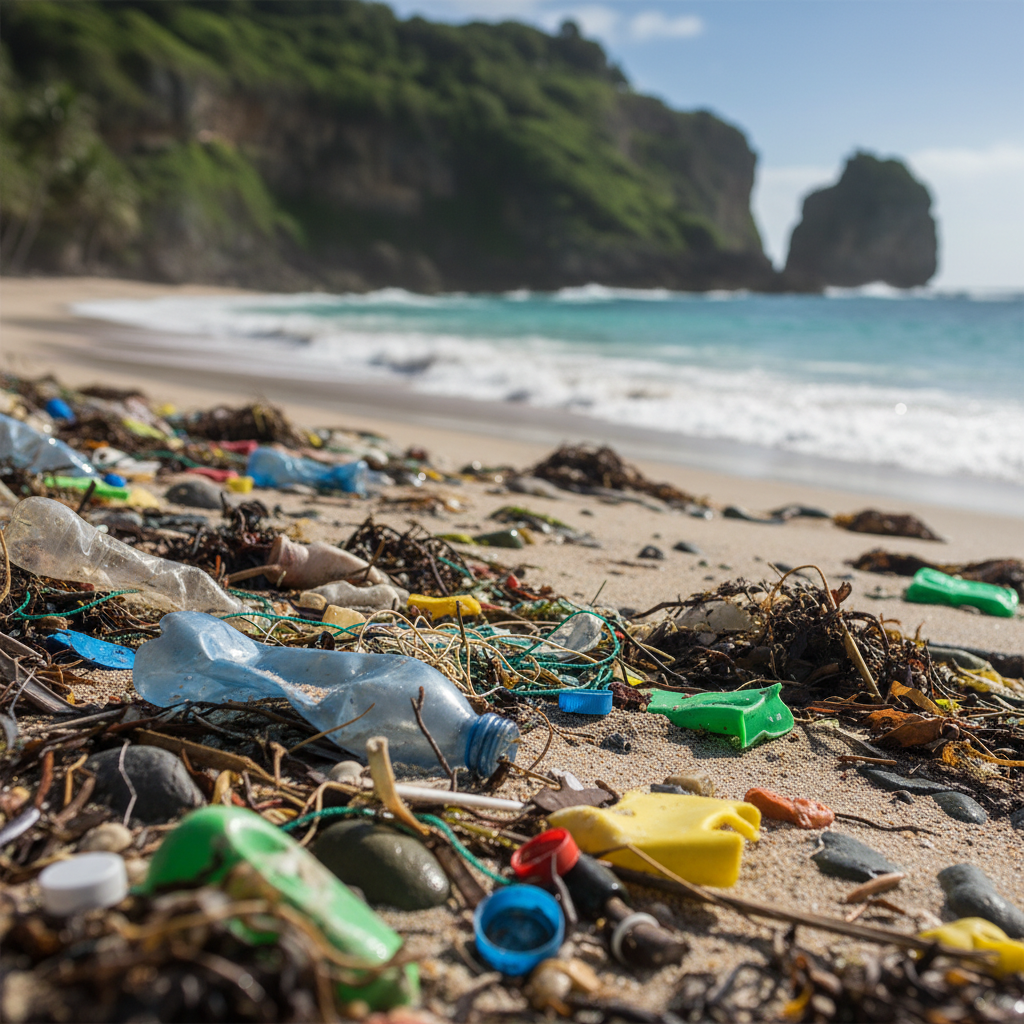
Peak periods place immense strain on local infrastructure. Water consumption skyrockets, waste management systems fail, and fragile ecosystems are trampled by sheer footfall volume exceeding carrying capacity.
The 'Ghost Town' Effect
In the off-season, tourism-dependent regions suffer from economic hibernation. Shops close, public transport reduces frequency, and the local vibrance disappears, leading to depopulation trends.
The challenge of the future is not to stop tourism, but to spread it evenly across time and space.
Sustainable Tourism Strategy
Solution 1: Event Tourism
Strategically scheduling cultural, gastronomic, or sporting events during shoulder seasons (Spring/Autumn).
Examples: Christmas markets in December, Food Festivals in October, or Marathons in early Spring.
Solution 2: The MICE Sector
Meetings, Incentives, Conferences, and Exhibitions
Business travelers are less weather-dependent than leisure tourists.
Conferences usually occur in spring or autumn, filling the shoulder season gaps.
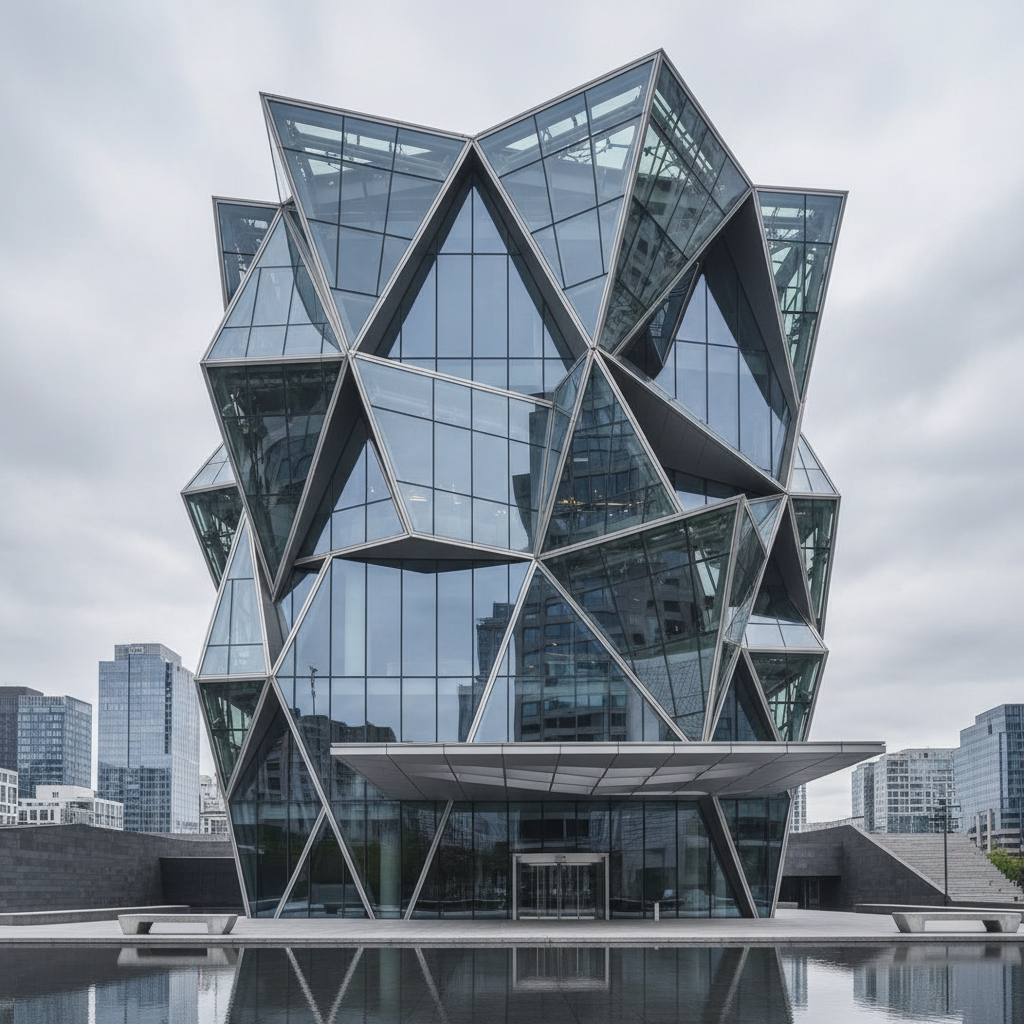
Requires investment in convention centers and high-speed connectivity.
Solution 3: Dynamic Pricing Impact
By implementing aggressive off-peak pricing strategies, specific hotels maintain higher occupancy during low seasons compared to the regional average.
Solution 4: Niche Product Development
Wellness & Spa: Indoor focused, works perfectly in cold weather.
Gastronomy Tourism: Focus on harvest seasons (Autumn wine/grape harvest).
Dark Skies Tourism: Winter offers longer nights for stargazing.
Case Study: The Alps in Summer
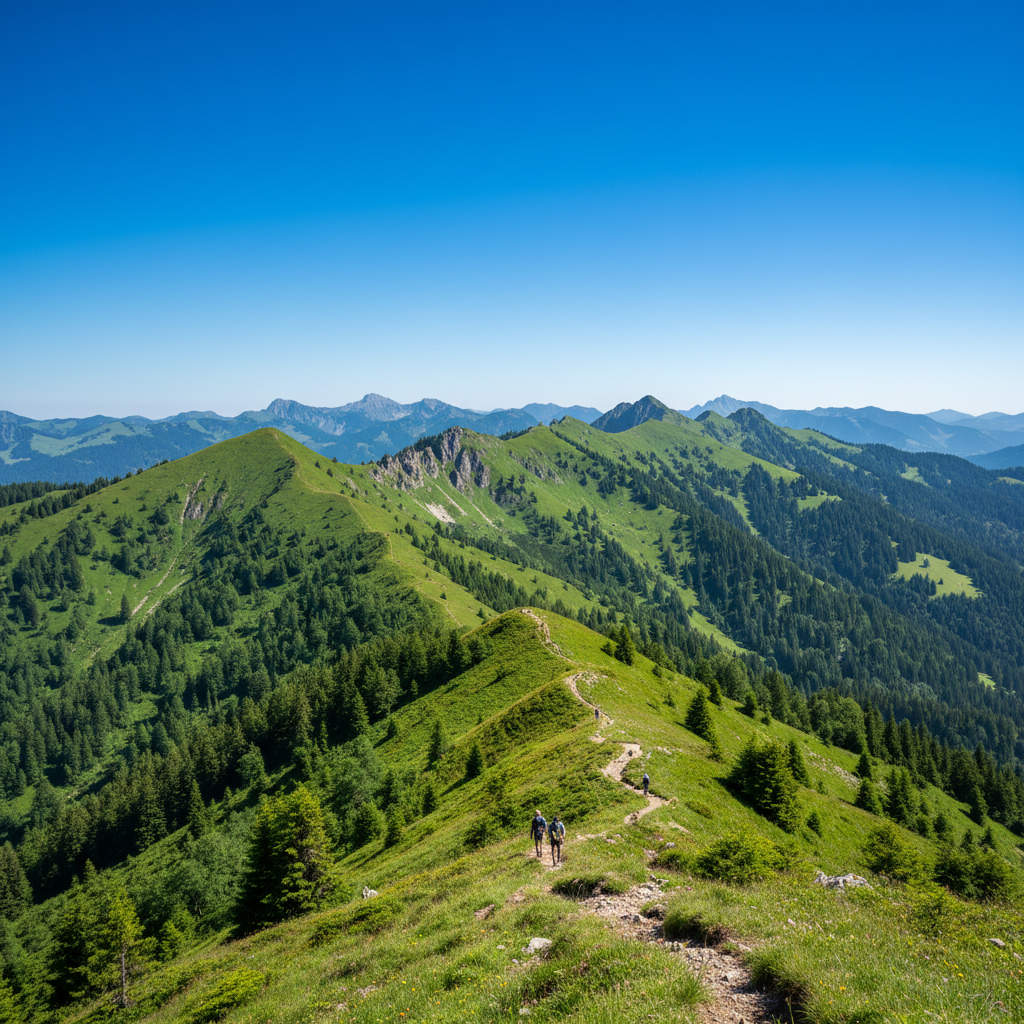
Traditionally a winter destination, Alpine resorts have successfully rebranded as summer hubs for hiking, mountain biking, and fresh-air retreats. This 'Four-Season Resort' model maximizes infrastructure ROI year-round.
Digital Nomads: A New Market
With the rise of remote work, 'Digital Nomad Visas' attract long-stay visitors who do not adhere to traditional holiday calendars. They occupy accommodation for months at a time, often favoring off-season periods for lower costs and quieter environments.
Infrastructure & Investment
Developing all-weather facilities (Museums, Aquariums, Indoor Sports).
Improving transport connectivity during winter months.
Public-Private partnerships to subsidize off-season operations.
Conclusion: A Balanced Future
Seasonality is a natural challenge but can be mitigated through diversification.
Policy makers must prioritize year-round employment stability.
The goal is sustainable revenue, not just peak volume.
Thank You
Questions & Discussion
- tourism-management
- sustainable-tourism
- business-strategy
- marketing
- hospitality
- economic-impact
- digital-nomads