


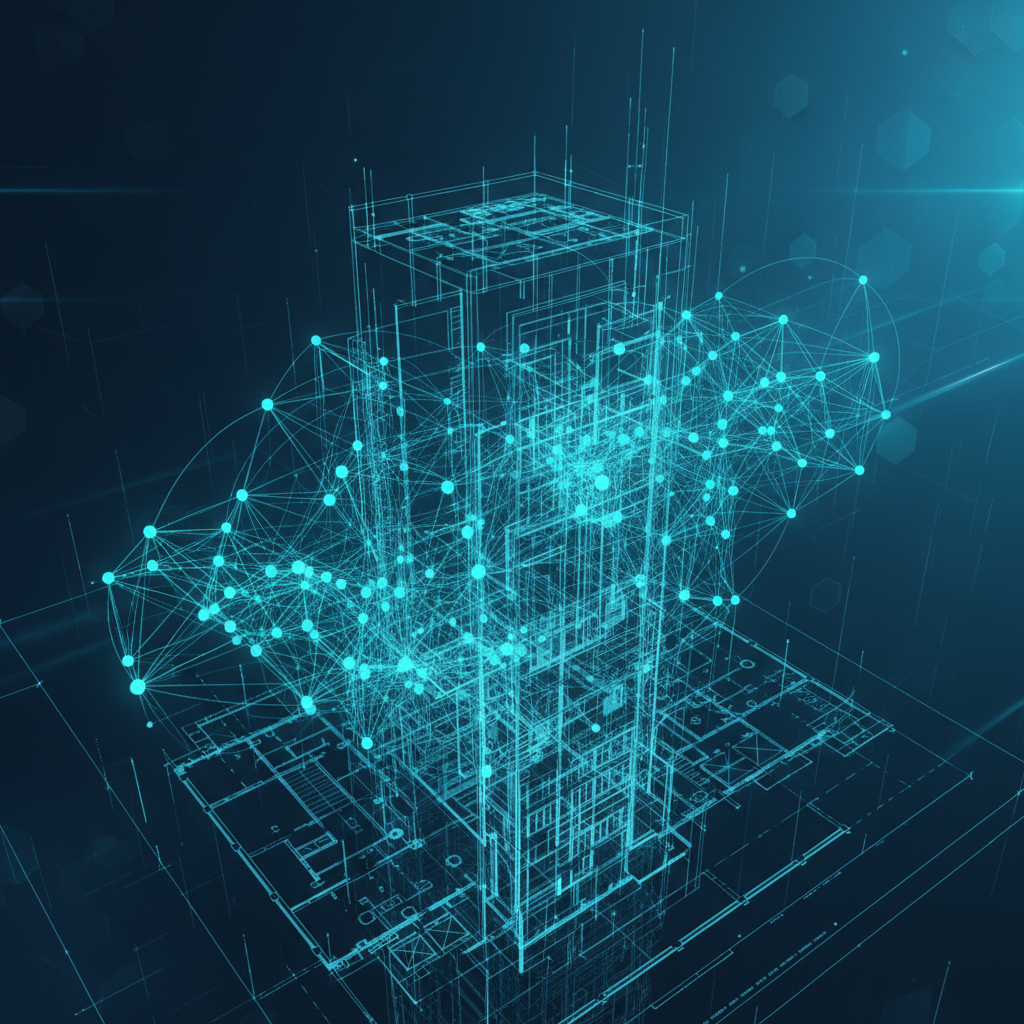

AI-Driven Elevator Control: Optimizing Traffic with Verilog
Learn how Adaptive Distributed Dispatch Control (ADDC) and Verilog HDL reduce elevator wait times by 45% using AI-driven traffic prediction.
AI-Driven Elevator Control
Optimizing Vertical Traffic with ADDC & Verilog
Introduction
Modern skyscrapers face a critical bottleneck: vertical transportation efficiency. This presentation explores a novel approach to elevator control systems by integrating Adaptive Distributed Dispatch Control (ADDC) with hardware-level implementation using Verilog HDL. By predicting traffic patterns before they occur, we can significantly reduce wait times and energy consumption.
The Problem: Peak Traffic Congestion
Traditional dispatch algorithms (like Round Robin or simple Collective Control) are reactive, not proactive. During peak morning and evening hours, this leads to excessive wait times, overcrowding in lobbies, and inefficient routing where elevators serve floors with low priority while high-demand floors wait.
The Problem: Energy Inefficiency
Unnecessary Stops: Elevators stopping for a single passenger when a nearby car could have served effectively.
Ghost Runs: Moving empty cabins to floors based on outdated logic.
High Start-Stop Currents: Frequent acceleration and deceleration consume peak energy.
Lack of Sleep Mode: Traditional controllers fail to efficiently park cabs during off-peak hours.
The core of the methodology lies in Adaptive Distributed Dispatch Control (ADDC), replacing static rules with dynamic decision-making.
System Architecture Principle
Method: AI Traffic Prediction
Using historical localized data, our AI model (typically an LSTM or Neural Network) predicts floor demand probabilities. The system anticipates traffic bursts—sending cars to the lobby before 8 AM surges or to cafeteria floors during lunch—reducing 'Hall Call' wait times significantly.
Method: Verilog Implementation
The optimized control logic is synthesized into hardware using Verilog HDL. • High Speed: FPGA-based execution is faster than microprocessor software. • Reliability: Hardwired logic reduces system crashes. • FSM Design: Finite State Machines handle specific elevator states (Idle, Moving Up, Moving Down, Door Open) with zero latency.
System Architecture Flow
Input Layer: Floor sensors and call buttons feed real-time status to the FPGA.
Processing Layer (AI): The traffic prediction module calculates the 'Cost Function' for each elevator to answer the call.
Decision Layer (ADDC): The elevator with the lowest cost factor is dispatched.
Execution Layer (Verilog): The hardware controller drives the motor and door logic seamlessly.
Performance Results: Average Wait Time
Simulated results show a drastic reduction in passenger waiting times. During peak loads, the ADDC with AI prediction outperforms standard Collective Control by approximately 45%.
Conclusion & Future Scope
Summary: Implementing AI-driven ADDC on Verilog hardware successfully reduces wait times and improves energy efficiency.
Scalability: The Verilog modular design allows for easy scaling to multi-elevator systems.
IoT Integration: Future iterations can connect to Building Management Systems (BMS) for real-time remote monitoring.
- elevator-control
- ai-traffic-prediction
- verilog-hdl
- fpga-design
- smart-building
- addc
- engineering