

Made byBobr AI

Understanding Indian Parliament: Structure and Functions

Learn about the Parliament of India, including Lok Sabha, Rajya Sabha powers, the law-making process, and its role in a democracy.

#indian-parliament#civics#lok-sabha#rajya-sabha#indian-constitution#political-science#government-structure
Watch
Pitch

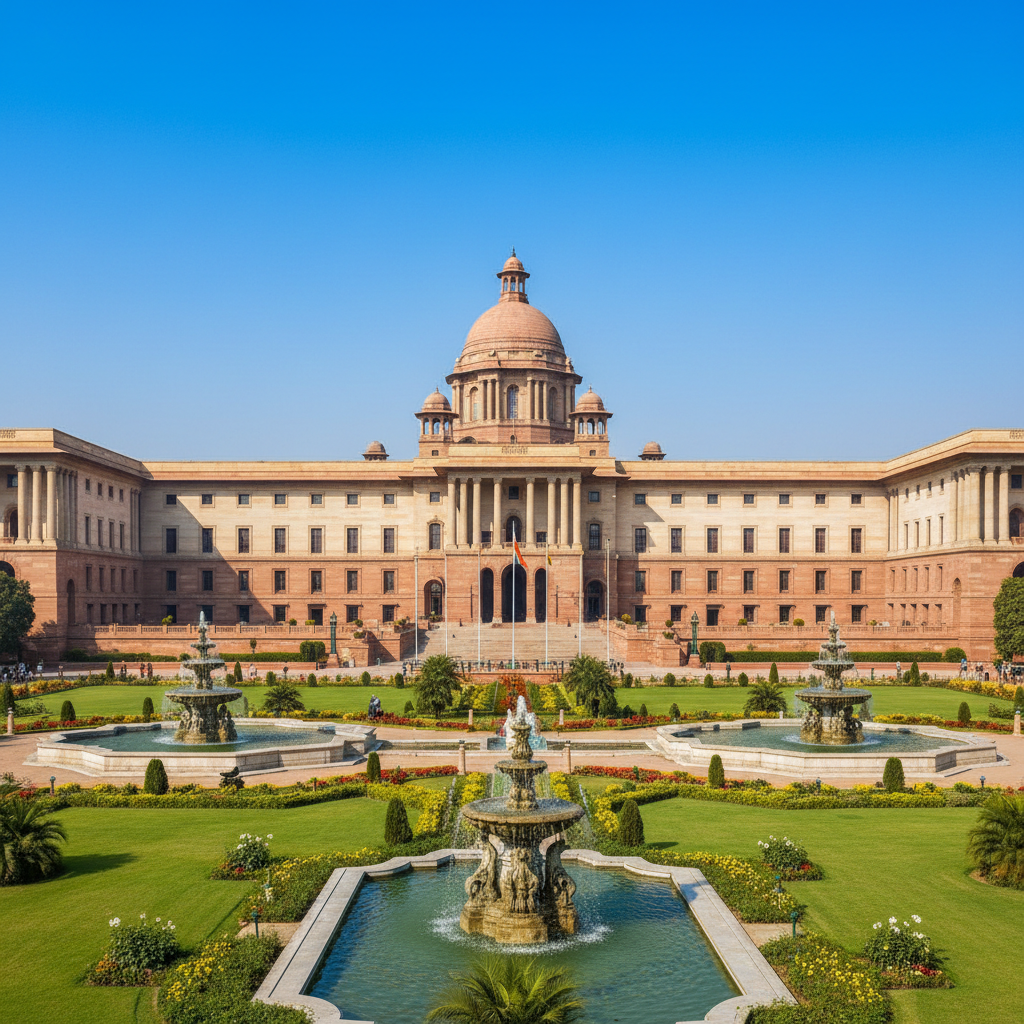
Parliament of India

Structure, Functions, and Role in Democracy

Indian Civics & Administration

Made byBobr AI

Introduction: What is Parliament?

  • The Parliament is the supreme legislative body of India.
  • It acts as the highest law-making institution in the country.
  • India follows a Bicameral Legislature (Two Houses).
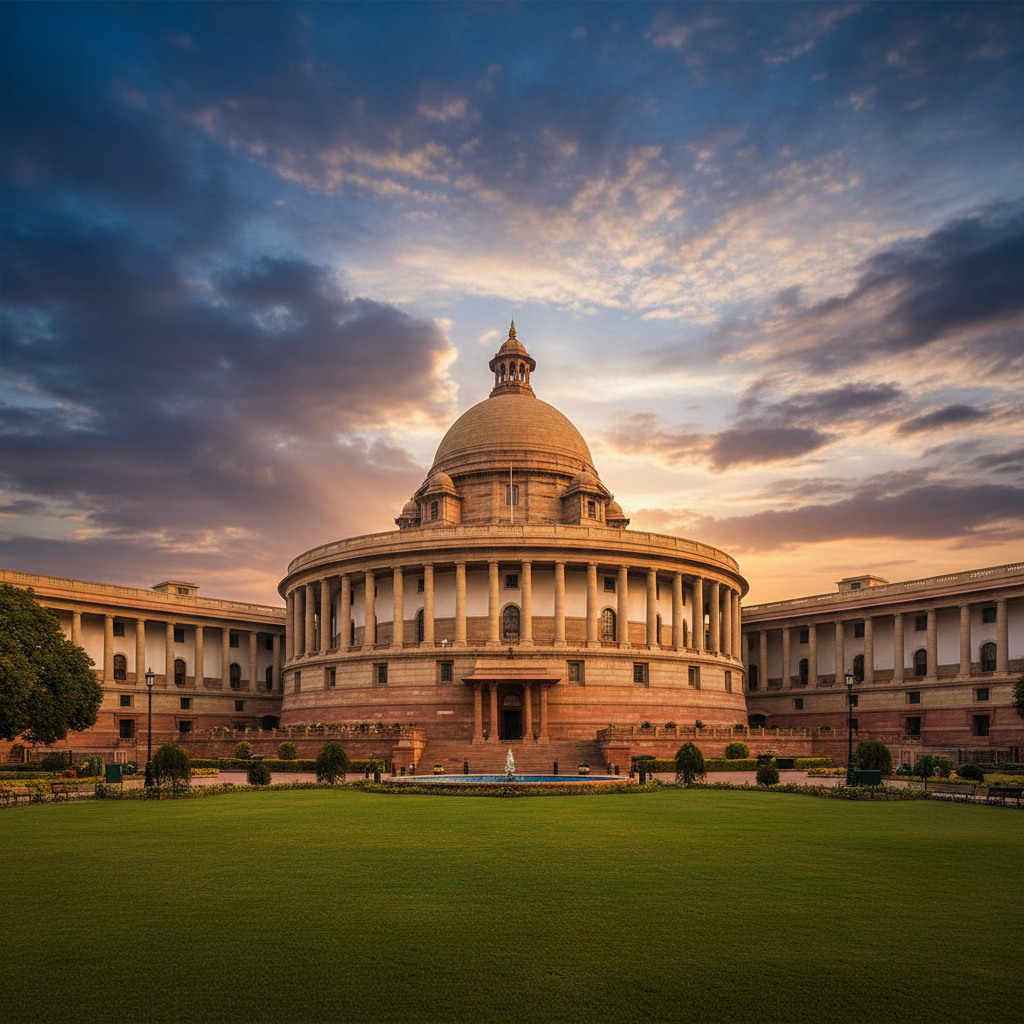
  • It is located at Sansad Bhavan in New Delhi.
Made byBobr AI

Meaning of Parliament

  • The word 'Parliament' is derived from the French word 'Parler'.
  • 'Parler' means 'to speak' or to discuss.
  • It is a place where elected representatives discuss national issues.
  • It serves as the voice of the people in a democracy.
Made byBobr AI

Importance in Democracy

  • Law Making: It frames laws for the entire country.
  • Representation: Citizens govern themselves through representatives.
  • Financial Control: Approves the government budget and taxes.
  • Accountability: The government is answerable to the Parliament.
  • Debate Platform: Forum to discuss matters of public importance.
Made byBobr AI

Structure of Indian Parliament

  • Defined under Article 79 of the Indian Constitution.
  • The structure is 'Bicameral' (Two Chambers).
  • Inspired by the British Parliamentary Model.
  • Consists of the President and two Houses.
Made byBobr AI

Three Organs of Parliament

President of India: Integral part of Parliament; gives assent to bills.

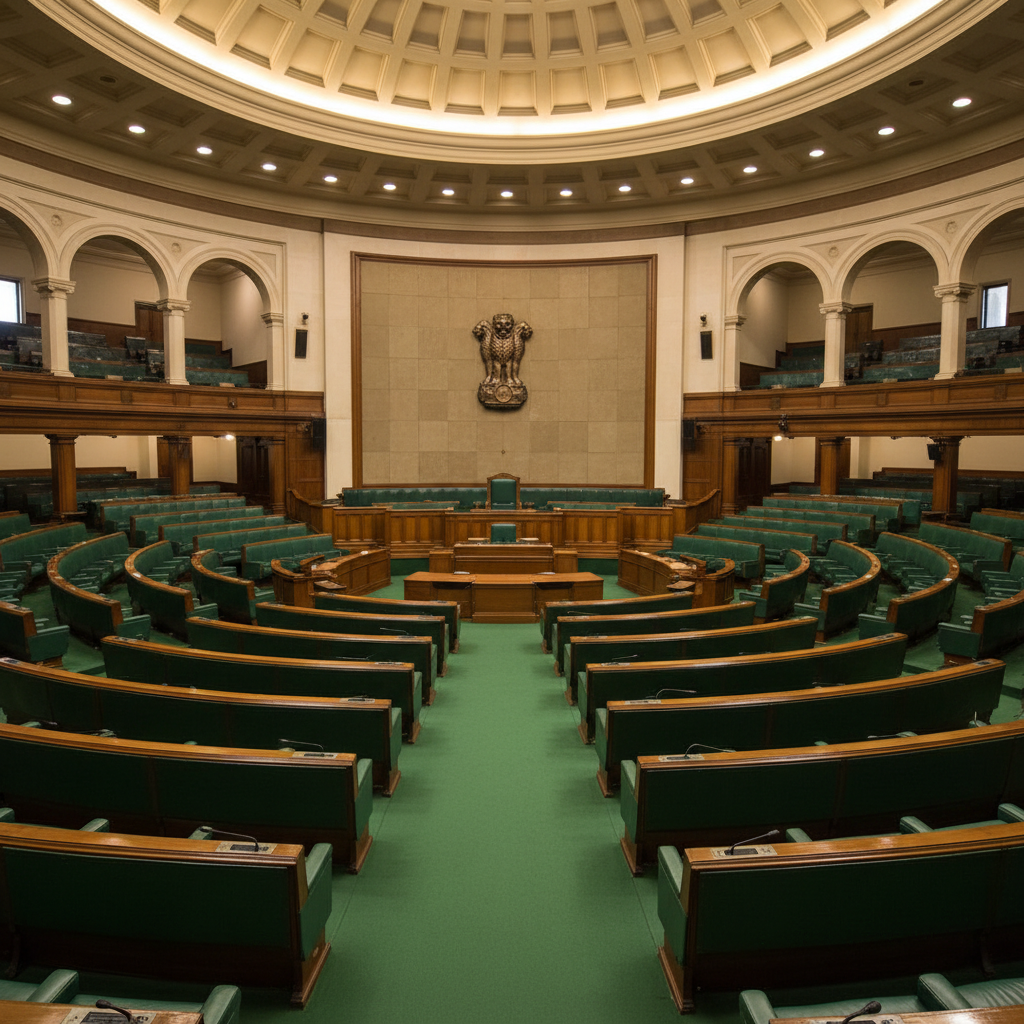
Lok Sabha (House of the People): The Lower House representing the citizens.

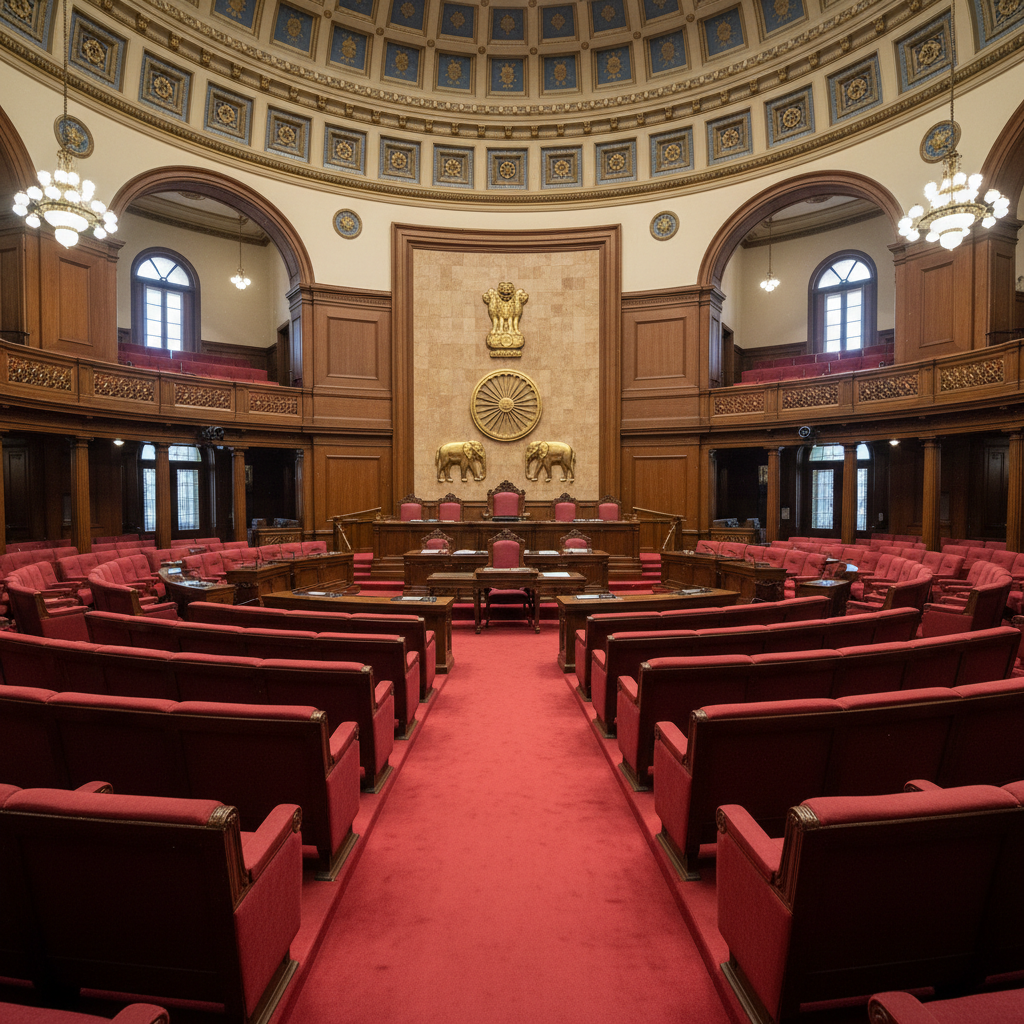
Rajya Sabha (Council of States): The Upper House representing States and UTs.

Made byBobr AI

Lok Sabha: Composition & Tenure

  • Members are directly elected by the people.
  • Maximum Strength: 550 members | Current Strength: 543.
  • Tenure: 5 years (unless dissolved earlier).
  • Eligibility: Citizen of India, minimum 25 years old.
Made byBobr AI

Lok Sabha Powers

  • Makes laws on subjects in the Union and Concurrent Lists.
  • Money Bills can ONLY be introduced in Lok Sabha.
  • Can pass a 'Vote of No Confidence' to remove the government.
  • Participates in the election of President and Vice President.
Made byBobr AI

Rajya Sabha: Composition & Tenure

  • Members elected indirectly by State Legislative Assemblies.
  • Also includes 12 members nominated by the President.
  • Is a Permanent House (cannot be dissolved).
  • Member Tenure: 6 years (1/3rd retire every 2 years).
Made byBobr AI

Rajya Sabha Powers

  • Reviews and alters laws initiated by the Lok Sabha.
  • Represents the interests of States.
  • Can authorize Parliament to make laws on State List subjects.
  • Can create new All India Services.
Made byBobr AI

Role of President in Parliament

  • He/She is not a member of either House but is integral to Parliament.
  • Summons and prorogues the sessions of Parliament.
  • Can dissolve the Lok Sabha.
  • No bill becomes Act without the President's assent.
Made byBobr AI

Major Functions of Parliament

Legislative: Making and amending laws (Union/Concurrent list).
Executive: Controlling government via questions and motions.
Financial: Passing the Annual Budget and approving taxes.
Judicial: Impeachment of President and removal of Judges.
Electoral: Electing the President and Vice President.
Made byBobr AI

Law-Making Process

1. Introduction: A Bill is introduced in either House.
2. Readings: The Bill goes through three readings (Debate/Vote).
3. Other House: Passed bill goes to the second House for approval.
4. President's Assent: President signs the approved Bill.
5. Law/Act: The Bill officially becomes a Law.
Made byBobr AI

Interesting Facts

Zero Hour: An Indian innovation allowing MPs to raise urgent issues.
Languages: Proceedings can be translated into 22 scheduled languages.
Shape: The old Parliament was circular; the new one is triangular.
Discipline: No member can remain standing when the Speaker stands.
Made byBobr AI

Conclusion

  • The Parliament acts as the 'Temple of Democracy'.
  • It ensures the government remains accountable to the people.
  • It is the guardian of the Constitution and citizens' rights.
  • A strong Parliament is essential for a healthy democracy.
Made byBobr AI
Bobr AI

DESIGNER-MADE
PRESENTATION,
GENERATED FROM
YOUR PROMPT

Create your own professional slide deck with real images, data charts, and unique design in under a minute.

Generate For Free

Understanding Indian Parliament: Structure and Functions

Learn about the Parliament of India, including Lok Sabha, Rajya Sabha powers, the law-making process, and its role in a democracy.

Parliament of India

Structure, Functions, and Role in Democracy

Indian Civics & Administration

Introduction: What is Parliament?

The Parliament is the supreme legislative body of India.

It acts as the highest law-making institution in the country.

India follows a Bicameral Legislature (Two Houses).

It is located at Sansad Bhavan in New Delhi.

Meaning of Parliament

The word 'Parliament' is derived from the French word 'Parler'.

'Parler' means 'to speak' or to discuss.

It is a place where elected representatives discuss national issues.

It serves as the voice of the people in a democracy.

Importance in Democracy

Law Making: It frames laws for the entire country.

Representation: Citizens govern themselves through representatives.

Financial Control: Approves the government budget and taxes.

Accountability: The government is answerable to the Parliament.

Debate Platform: Forum to discuss matters of public importance.

Structure of Indian Parliament

Defined under Article 79 of the Indian Constitution.

The structure is 'Bicameral' (Two Chambers).

Inspired by the British Parliamentary Model.

Consists of the President and two Houses.

Three Organs of Parliament

President of India: Integral part of Parliament; gives assent to bills.

Lok Sabha (House of the People): The Lower House representing the citizens.

Rajya Sabha (Council of States): The Upper House representing States and UTs.

Lok Sabha: Composition & Tenure

Members are directly elected by the people.

Maximum Strength: 550 members | Current Strength: 543.

Tenure: 5 years (unless dissolved earlier).

Eligibility: Citizen of India, minimum 25 years old.

Lok Sabha Powers

Makes laws on subjects in the Union and Concurrent Lists.

Money Bills can ONLY be introduced in Lok Sabha.

Can pass a 'Vote of No Confidence' to remove the government.

Participates in the election of President and Vice President.

Rajya Sabha: Composition & Tenure

Members elected indirectly by State Legislative Assemblies.

Also includes 12 members nominated by the President.

Is a Permanent House (cannot be dissolved).

Member Tenure: 6 years (1/3rd retire every 2 years).

Rajya Sabha Powers

Reviews and alters laws initiated by the Lok Sabha.

Represents the interests of States.

Can authorize Parliament to make laws on State List subjects.

Can create new All India Services.

Role of President in Parliament

He/She is not a member of either House but is integral to Parliament.

Summons and prorogues the sessions of Parliament.

Can dissolve the Lok Sabha.

No bill becomes Act without the President's assent.

Major Functions of Parliament

Legislative: Making and amending laws (Union/Concurrent list).

Executive: Controlling government via questions and motions.

Financial: Passing the Annual Budget and approving taxes.

Judicial: Impeachment of President and removal of Judges.

Electoral: Electing the President and Vice President.

Law-Making Process

1. Introduction: A Bill is introduced in either House.

2. Readings: The Bill goes through three readings (Debate/Vote).

3. Other House: Passed bill goes to the second House for approval.

4. President's Assent: President signs the approved Bill.

5. Law/Act: The Bill officially becomes a Law.

Interesting Facts

Zero Hour: An Indian innovation allowing MPs to raise urgent issues.

Languages: Proceedings can be translated into 22 scheduled languages.

Shape: The old Parliament was circular; the new one is triangular.

Discipline: No member can remain standing when the Speaker stands.

Conclusion

The Parliament acts as the 'Temple of Democracy'.

It ensures the government remains accountable to the people.

It is the guardian of the Constitution and citizens' rights.

A strong Parliament is essential for a healthy democracy.

  • indian-parliament
  • civics
  • lok-sabha
  • rajya-sabha
  • indian-constitution
  • political-science
  • government-structure