



Made byBobr AI

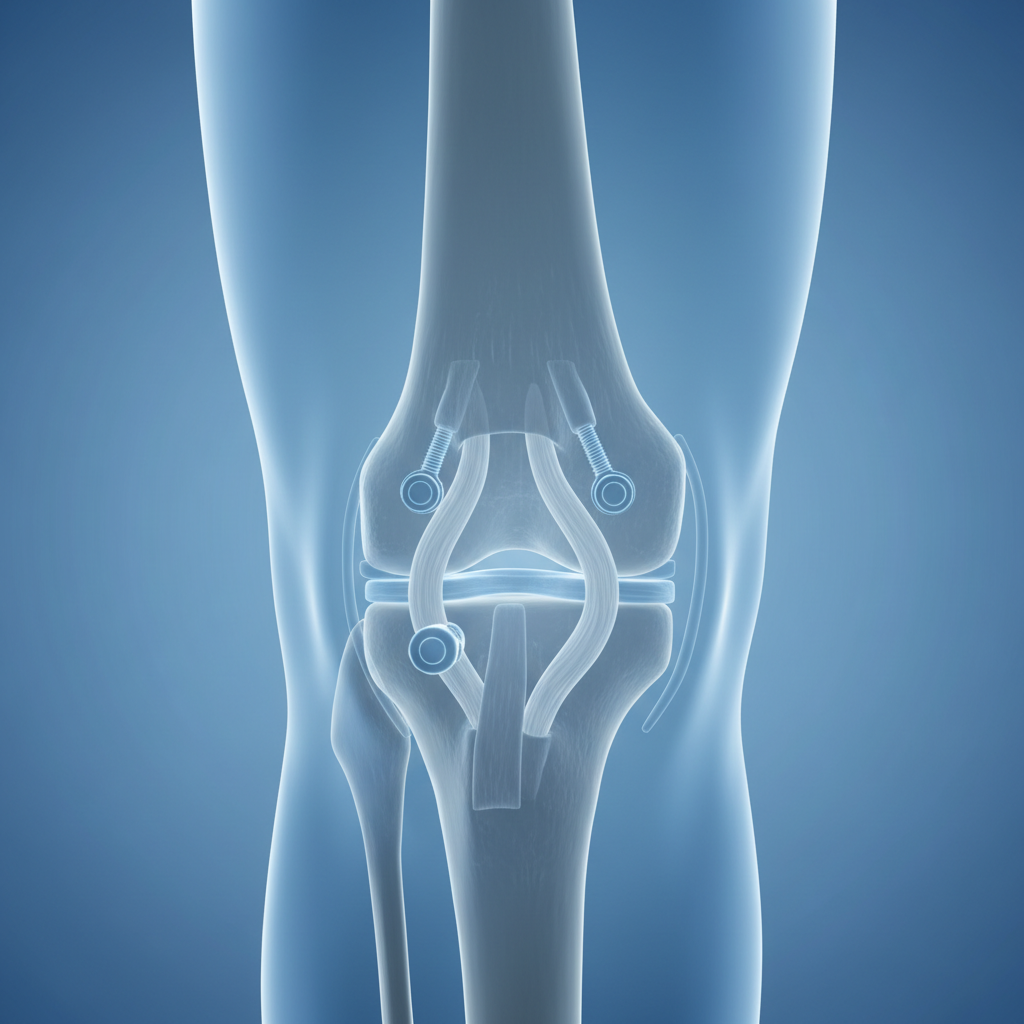
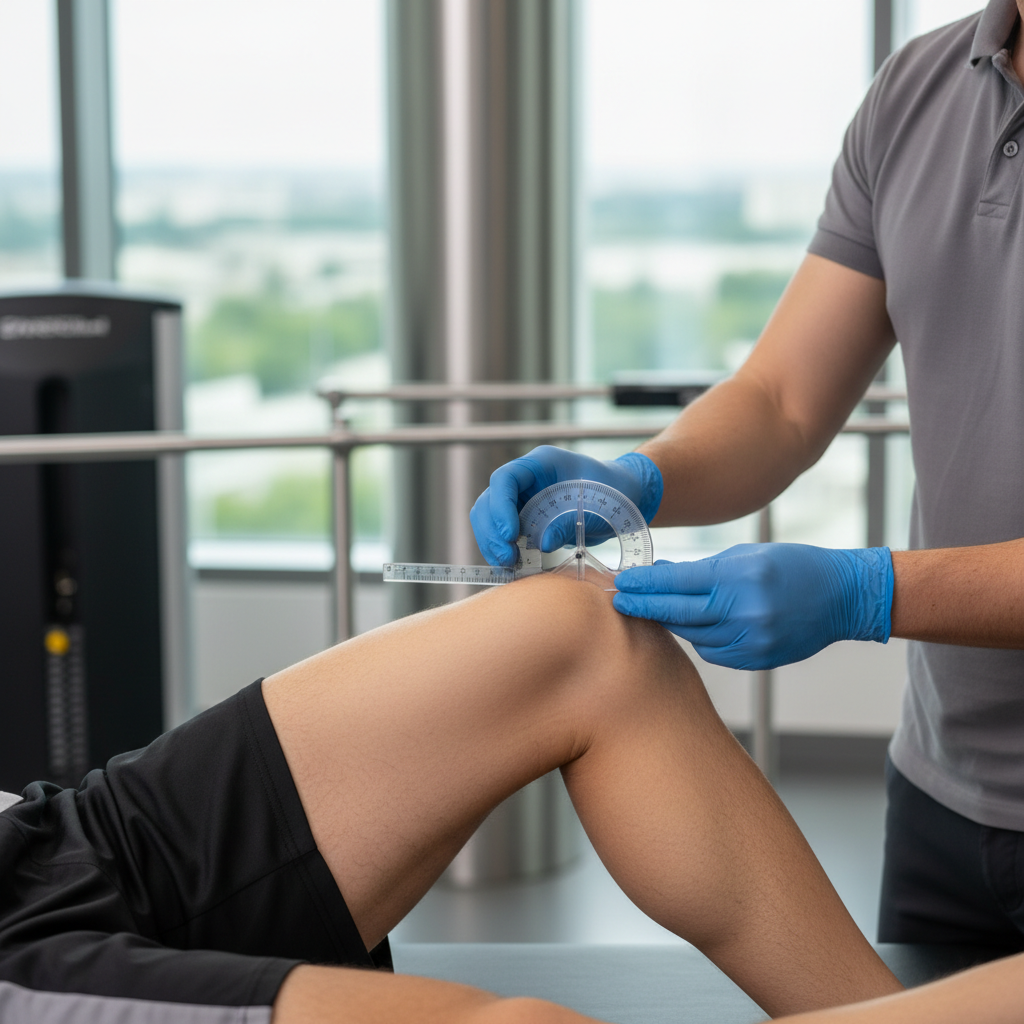
Early vs. Delayed PT Post-ACL Reconstruction: 2025 Study

Discover if early physical therapy (within 2 weeks) improves ACL recovery. Comparison of functional scores, proprioception, and return to sport outcomes.

#acl-reconstruction#physical-therapy#sports-medicine#rehabilitation#orthopedics#functional-recovery#proprioception
Watch
Pitch

Impact of Early vs. Delayed Physical Therapy Following ACL Reconstruction

Analysis of Functional Recovery, Proprioception, and Return to Sport Outcomes (2025 Evidence)

Presentation Based on Alqahtani et al. (2025)

Made byBobr AI

Presentation Agenda

  • Introduction to ACL Rehabilitation Timing
  • 2025 Study Overview & Demographics
  • Functional Recovery Results (IKDC, Strength, ROM)
  • Proprioceptive Outcomes
  • Return to Sport & Safety Data
  • Clinical Implications & Conclusions
Made byBobr AI

Defining the Rehabilitation Debate

The optimal timing for initiating physical therapy (PT) post-ACL reconstruction is debated. 'Early' PT is defined as initiating a structured program within 2 weeks of surgery, focusing on early weight-bearing and mobilization. 'Delayed' PT begins at or after 4 weeks to prioritize initial graft protection.

Made byBobr AI

Study Design (Alqahtani et al., 2025)

  • ➤ Methods: Cross-sectional study evaluating 132 participants (66 Early PT, 66 Delayed PT).
  • ➤ Timeline: Assessed 6-12 months post-operatively.
  • ➤ Objective: Compare functional recovery, proprioception, RTS success, and graft integrity.
  • ➤ Assessments: IKDC scores, Dynamometry, Inclinometer, JPS, Force Platform.
Made byBobr AI

Participant Demographics: Average Age

The Early PT group was significantly younger than the delayed group (p < 0.001). This baseline difference is a notable characteristic of the study population.

Chart
Made byBobr AI

Assesssing Functional Recovery: IKDC

The International Knee Documentation Committee (IKDC) score is a valid subjective measure of symptoms, function, and sports activity. Higher scores indicate better functional recovery and lower symptom burden.

Made byBobr AI

Result: Superior IKDC Scores in Early PT

Participants in the Early PT group achieved significantly higher functional scores (p < 0.001) compared to the Delayed PT group.

Chart
Made byBobr AI

Quadriceps Strength Outcomes

Early PT facilitated greater muscle recovery. Normalized peak torque was significantly higher (p = 0.001) in the early intervention group.

Chart
Made byBobr AI

Knee Range of Motion (ROM)

Early joint mobilization prevented stiffness effectively. The Early PT group achieved greater overall knee flexion (135.2°) compared to the delayed group (130.8°, p < 0.001).

Chart
Made byBobr AI

Outcomes: Proprioception & Stability

Evaluating Joint Position Sense, Y-Balance, and Postural Control

Made byBobr AI

What is Joint Position Sense (JPS)?

  • JPS is the ability of the body to perceive the position of a joint without visual input.
  • Critical for injury prevention and complex athletic movements.
  • Measured by 'Error Degrees' - Lower error indicates better proprioception.
Made byBobr AI
Chart

Joint Position Sense (JPS) Error

Early PT resulted in significantly lower error rates in active angle reproduction at 25° flexion (p < 0.001), indicating superior proprioceptive recovery.

Made byBobr AI

Dynamic Stability: Y-Balance Test

The Y-Balance Test evaluates dynamic postural control. Early PT led to significantly higher composite scores (p = 0.001).

Chart
Made byBobr AI

Postural Control: Limits of Stability

Assessed via force platform, limits of stability (LoS) scores were higher in the Early PT group, indicating better ability to shift center of mass without losing balance.

Chart
Made byBobr AI

Return to Sport (RTS) Rates

While the Early PT group showed a higher percentage of successful return to sport (78.8% vs 65.2%), the difference was statistically non-significant (p = 0.121).

Chart
Made byBobr AI

RTS Rate Comparison

Comparing the raw rates of return to sport. Despite the trend favoring early PT, statistical significance was not reached, likely due to sample size or multifactorial nature of RTS.

Chart
Made byBobr AI

Safety: Graft Integrity Outcomes

  • Crucial Finding: Early PT did NOT increase graft failure rates.
  • Graft Failure Rate: Early (4.5%) vs. Delayed (7.5%), p = 0.715.
  • Knee Stability tests (Lachman, Pivot-Shift) showed no significant differences.
  • Conclusion: Accelerated rehabilitation is safe for the graft.
Made byBobr AI

Mechanism: Why Early PT Works

Early movement leverages neuroplasticity, enhancing sensorimotor integration. By minimizing immobilization, it prevents disuse atrophy and joint stiffness, leading to better somatosensory feedback from the knee to the brain.

Made byBobr AI

"Regression analysis revealed that IKDC scores significantly predicted RTS success (β=0.62) and proprioception (β=0.49), confirming that functional recovery determines readiness."

- Study Analysis

Made byBobr AI

Clinical Implications

  • ✔ Clinics should adopt safe early mobilization protocols (initiation <= 2 weeks).
  • ✔ Early loading promotes quadriceps strength without risking graft laxity.
  • ✔ Proprioceptive training must be integral from the acute phase.
  • ✔ Monitoring IKDC scores can help predict Return to Sport readiness.
Made byBobr AI

Study Limitations

1. Non-randomized Cross-Sectional Design. 2. Demographic Differences: Early PT group was younger and had higher pre-injury activity levels. 3. Lack of psychological readiness assessment (e.g., fear of re-injury). 4. Short follow-up relative to long-term osteoarthritis risk.

Made byBobr AI

Broader Context: Surgical vs. Rehab Timing

  • Distinction is key: This study focuses on REHAB timing, not surgical timing.
  • Literature generally supports ACL reconstruction < 3-5 months post-injury to prevent secondary meniscal damage.
  • Evidence from this study complements surgical data: Verify surgery timing, then accelerate rehab.
Made byBobr AI

The Risk of Rushing Return to Sport

While early PT accelerates functional recovery, RTS should still be criteria-based, not time-based. Research indicates that for every month RTS is delayed up to 9 months, reinjury risk drops by 51%. Early PT prepares the athlete faster but does not bypass biological healing.

Made byBobr AI

Pre-Injury Activity Levels (Tegner Score)

The Early PT group had higher pre-injury activity scores (p < 0.001), which may have contributed to their motivation and faster recovery.

Chart
Made byBobr AI

Future Research Directions

  • Longitudinal RCTs controlling for age and pre-injury status.
  • Inclusion of psychological readiness scores (e.g., ACL-RSI).
  • Objective biomechanical assessments (Motion Capture) alongside functional tests.
  • Long-term follow-up (>2 years) to assess osteoarthritis development.
Made byBobr AI

Conclusion

  • ✓ Early PT (<=2 weeks) yields superior IKDC, Strength, and ROM outcomes.
  • ✓ Proprioception and balance are significantly enhanced by early intervention.
  • ✓ Early PT is safe: No increase in graft failure or knee laxity.
  • ✓ Recommendation: Implement early, structured rehabilitation to optimize recovery.
Made byBobr AI

References

  • [1] Alqahtani, T. A., et al. (2025). "Impact of early vs. delayed physical therapy..." Journal of Orthopaedic Surgery and Research, 20:644.
  • [2] Kacprzak B., et al. (2024). Biophysics of ACL injuries. Orthop Rev.
  • [3] Buckthorpe M., et al. (2024). Optimising the early-stage rehabilitation process. Sports Med.
Made byBobr AI

Questions & Answers

Thank you for your attention.

Made byBobr AI
Bobr AI

DESIGNER-MADE
PRESENTATION,
GENERATED FROM
YOUR PROMPT

Create your own professional slide deck with real images, data charts, and unique design in under a minute.

Generate For Free

Early vs. Delayed PT Post-ACL Reconstruction: 2025 Study

Discover if early physical therapy (within 2 weeks) improves ACL recovery. Comparison of functional scores, proprioception, and return to sport outcomes.

Impact of Early vs. Delayed Physical Therapy Following ACL Reconstruction

Analysis of Functional Recovery, Proprioception, and Return to Sport Outcomes (2025 Evidence)

Presentation Based on Alqahtani et al. (2025)

Presentation Agenda

Introduction to ACL Rehabilitation Timing

2025 Study Overview & Demographics

Functional Recovery Results (IKDC, Strength, ROM)

Proprioceptive Outcomes

Return to Sport & Safety Data

Clinical Implications & Conclusions

Defining the Rehabilitation Debate

The optimal timing for initiating physical therapy (PT) post-ACL reconstruction is debated. 'Early' PT is defined as initiating a structured program within 2 weeks of surgery, focusing on early weight-bearing and mobilization. 'Delayed' PT begins at or after 4 weeks to prioritize initial graft protection.

Study Design (Alqahtani et al., 2025)

Methods: Cross-sectional study evaluating 132 participants (66 Early PT, 66 Delayed PT).

Timeline: Assessed 6-12 months post-operatively.

Objective: Compare functional recovery, proprioception, RTS success, and graft integrity.

Assessments: IKDC scores, Dynamometry, Inclinometer, JPS, Force Platform.

Participant Demographics: Average Age

The Early PT group was significantly younger than the delayed group (p < 0.001). This baseline difference is a notable characteristic of the study population.

Assesssing Functional Recovery: IKDC

The International Knee Documentation Committee (IKDC) score is a valid subjective measure of symptoms, function, and sports activity. Higher scores indicate better functional recovery and lower symptom burden.

Result: Superior IKDC Scores in Early PT

Participants in the Early PT group achieved significantly higher functional scores (p < 0.001) compared to the Delayed PT group.

Quadriceps Strength Outcomes

Early PT facilitated greater muscle recovery. Normalized peak torque was significantly higher (p = 0.001) in the early intervention group.

Knee Range of Motion (ROM)

Early joint mobilization prevented stiffness effectively. The Early PT group achieved greater overall knee flexion (135.2°) compared to the delayed group (130.8°, p < 0.001).

Outcomes: Proprioception & Stability

Evaluating Joint Position Sense, Y-Balance, and Postural Control

What is Joint Position Sense (JPS)?

JPS is the ability of the body to perceive the position of a joint without visual input.

Critical for injury prevention and complex athletic movements.

Measured by 'Error Degrees' - Lower error indicates better proprioception.

Joint Position Sense (JPS) Error

Early PT resulted in significantly lower error rates in active angle reproduction at 25° flexion (p < 0.001), indicating superior proprioceptive recovery.

Dynamic Stability: Y-Balance Test

The Y-Balance Test evaluates dynamic postural control. Early PT led to significantly higher composite scores (p = 0.001).

Postural Control: Limits of Stability

Assessed via force platform, limits of stability (LoS) scores were higher in the Early PT group, indicating better ability to shift center of mass without losing balance.

Return to Sport (RTS) Rates

While the Early PT group showed a higher percentage of successful return to sport (78.8% vs 65.2%), the difference was statistically non-significant (p = 0.121).

RTS Rate Comparison

Comparing the raw rates of return to sport. Despite the trend favoring early PT, statistical significance was not reached, likely due to sample size or multifactorial nature of RTS.

Safety: Graft Integrity Outcomes

Crucial Finding: Early PT did NOT increase graft failure rates.

Graft Failure Rate: Early (4.5%) vs. Delayed (7.5%), p = 0.715.

Knee Stability tests (Lachman, Pivot-Shift) showed no significant differences.

Conclusion: Accelerated rehabilitation is safe for the graft.

Mechanism: Why Early PT Works

Early movement leverages neuroplasticity, enhancing sensorimotor integration. By minimizing immobilization, it prevents disuse atrophy and joint stiffness, leading to better somatosensory feedback from the knee to the brain.

Regression analysis revealed that IKDC scores significantly predicted RTS success (β=0.62) and proprioception (β=0.49), confirming that functional recovery determines readiness.

Study Analysis

Clinical Implications

Clinics should adopt safe early mobilization protocols (initiation <= 2 weeks).

Early loading promotes quadriceps strength without risking graft laxity.

Proprioceptive training must be integral from the acute phase.

Monitoring IKDC scores can help predict Return to Sport readiness.

Study Limitations

1. Non-randomized Cross-Sectional Design. 2. Demographic Differences: Early PT group was younger and had higher pre-injury activity levels. 3. Lack of psychological readiness assessment (e.g., fear of re-injury). 4. Short follow-up relative to long-term osteoarthritis risk.

Broader Context: Surgical vs. Rehab Timing

Distinction is key: This study focuses on REHAB timing, not surgical timing.

Literature generally supports ACL reconstruction < 3-5 months post-injury to prevent secondary meniscal damage.

Evidence from this study complements surgical data: Verify surgery timing, then accelerate rehab.

The Risk of Rushing Return to Sport

While early PT accelerates functional recovery, RTS should still be criteria-based, not time-based. Research indicates that for every month RTS is delayed up to 9 months, reinjury risk drops by 51%. Early PT prepares the athlete faster but does not bypass biological healing.

Pre-Injury Activity Levels (Tegner Score)

The Early PT group had higher pre-injury activity scores (p < 0.001), which may have contributed to their motivation and faster recovery.

Future Research Directions

Longitudinal RCTs controlling for age and pre-injury status.

Inclusion of psychological readiness scores (e.g., ACL-RSI).

Objective biomechanical assessments (Motion Capture) alongside functional tests.

Long-term follow-up (>2 years) to assess osteoarthritis development.

Conclusion

Early PT (<=2 weeks) yields superior IKDC, Strength, and ROM outcomes.

Proprioception and balance are significantly enhanced by early intervention.

Early PT is safe: No increase in graft failure or knee laxity.

Recommendation: Implement early, structured rehabilitation to optimize recovery.

References

[1] Alqahtani, T. A., et al. (2025). "Impact of early vs. delayed physical therapy..." Journal of Orthopaedic Surgery and Research, 20:644.

[2] Kacprzak B., et al. (2024). Biophysics of ACL injuries. Orthop Rev.

[3] Buckthorpe M., et al. (2024). Optimising the early-stage rehabilitation process. Sports Med.

Questions & Answers

Thank you for your attention.

  • acl-reconstruction
  • physical-therapy
  • sports-medicine
  • rehabilitation
  • orthopedics
  • functional-recovery
  • proprioception