
Pashmina: The Soft Gold of Kashmir - Heritage & Craft
Explore the history, craftsmanship, and economics of authentic Pashmina. Learn to identify real luxury wool from Ladakh through weaving and testing methods.
Pashmina: The Soft Gold of Kashmir
Exploring the Heritage, Craft, and Economics of the World's Finest Fabric
The Soft Gold of Kashmir
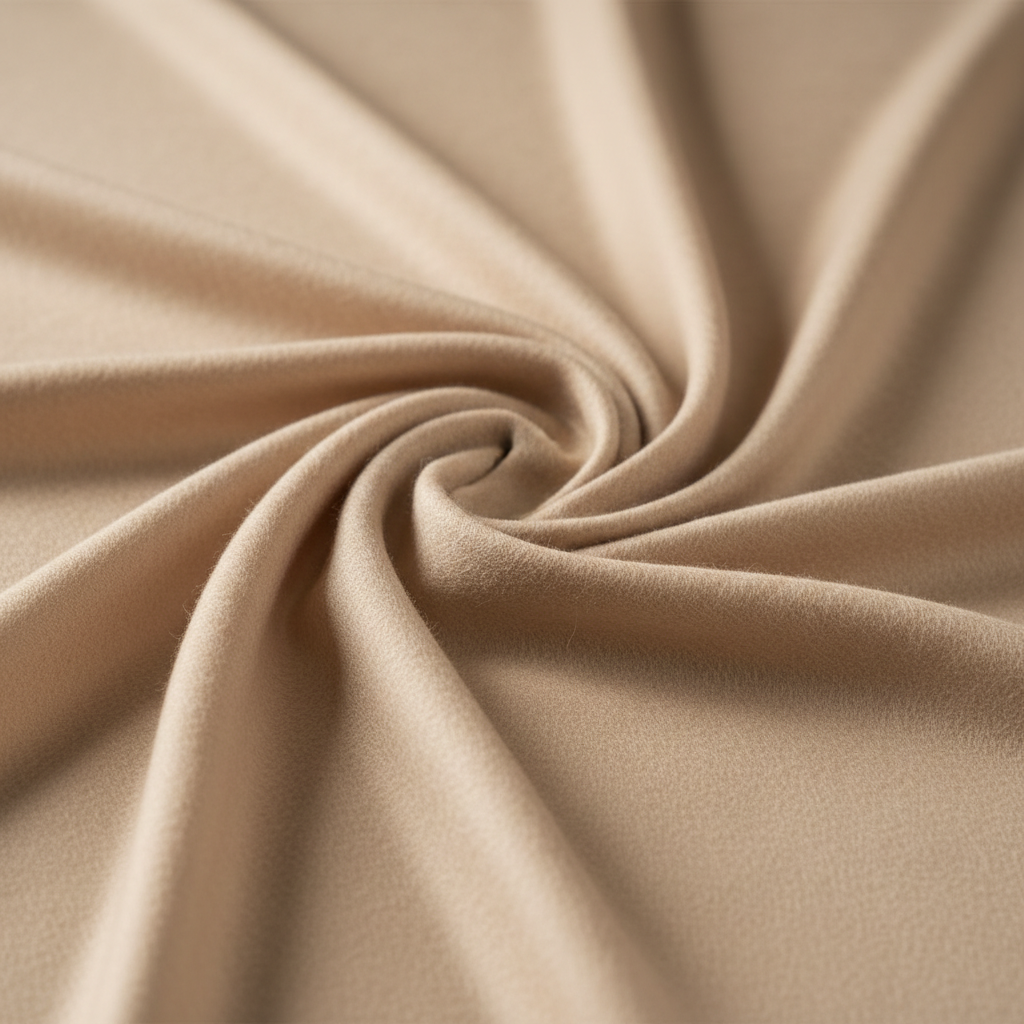
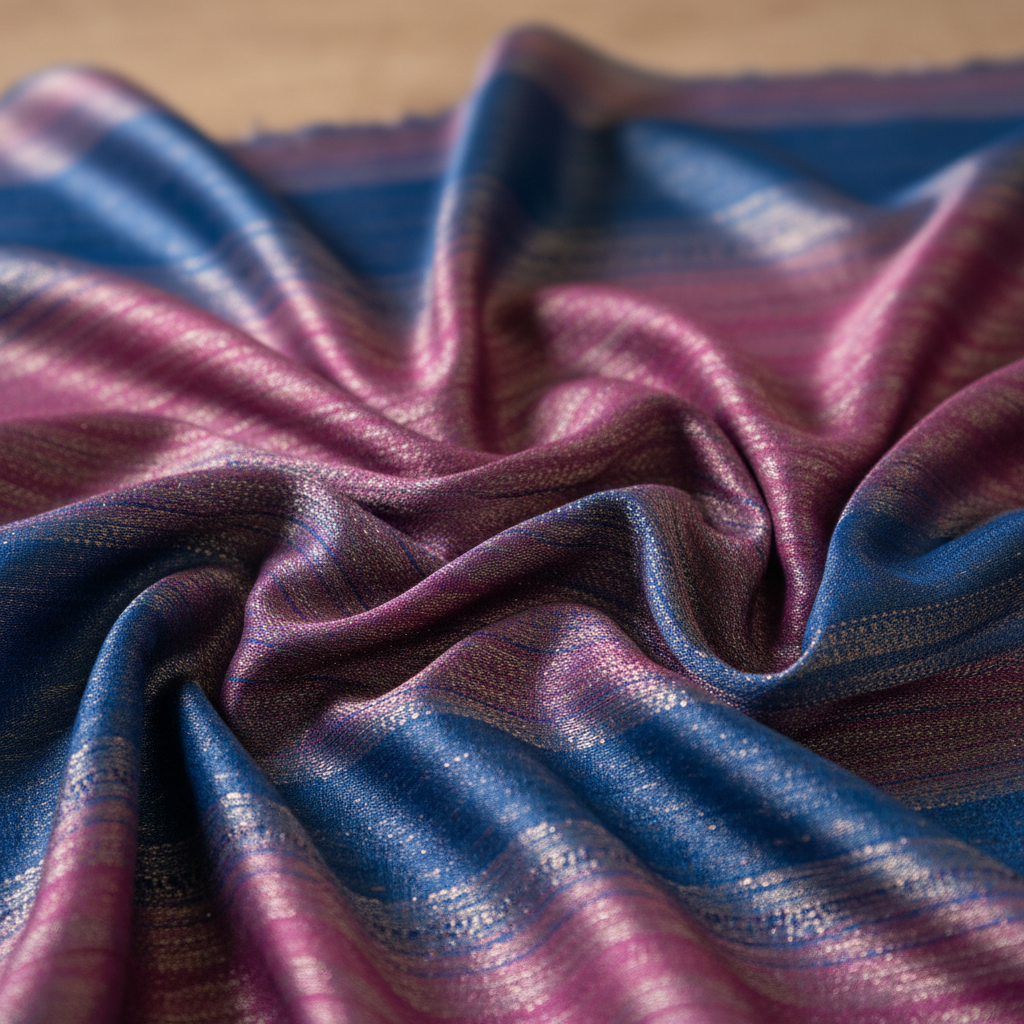
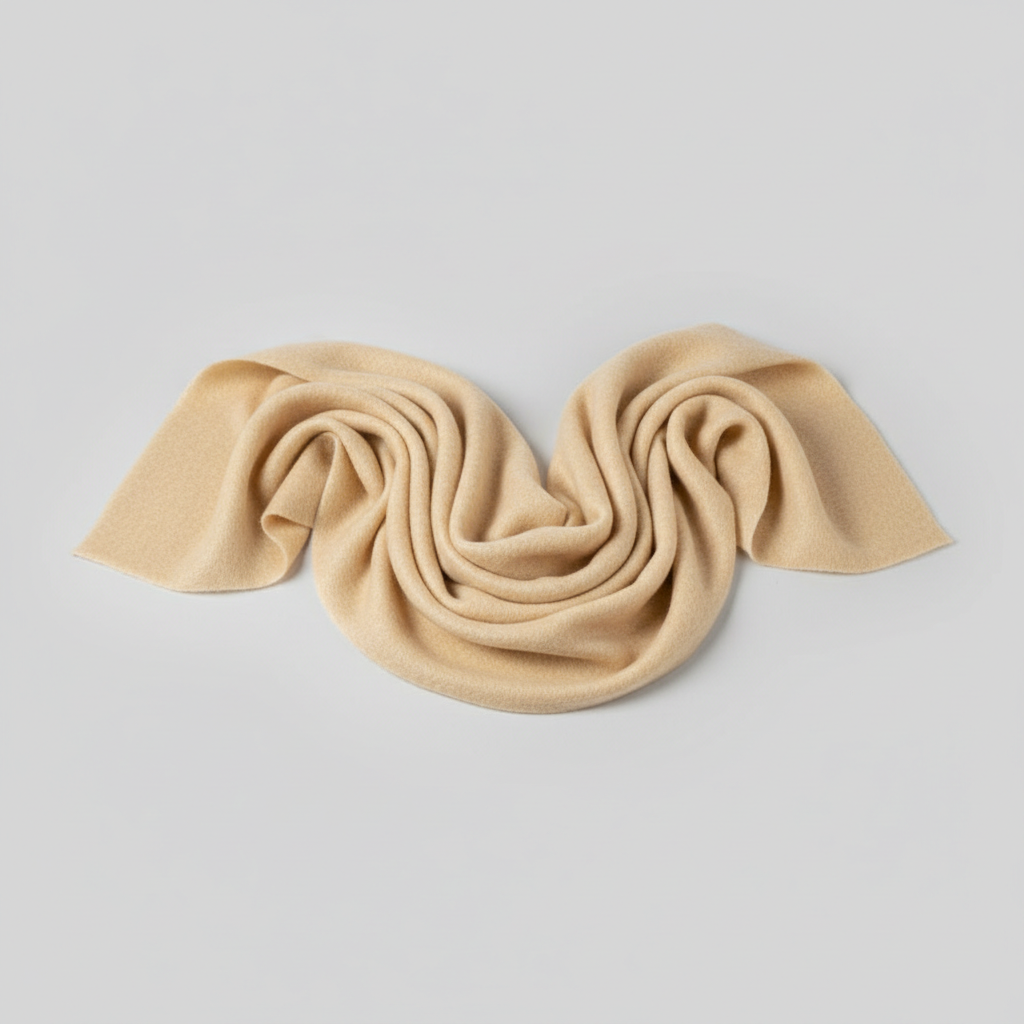
Often called 'Soft Gold,' Pashmina is not merely a fabric but a legacy of unmatched elegance. Distinct from common wools, it offers a legendary warmth and feather-light texture that has captivated royal courts and modern fashion alike. This introduction invites you to explore a material defined by its rarity, sophistication, and the timeless luxury it represents globally.
History and Origin
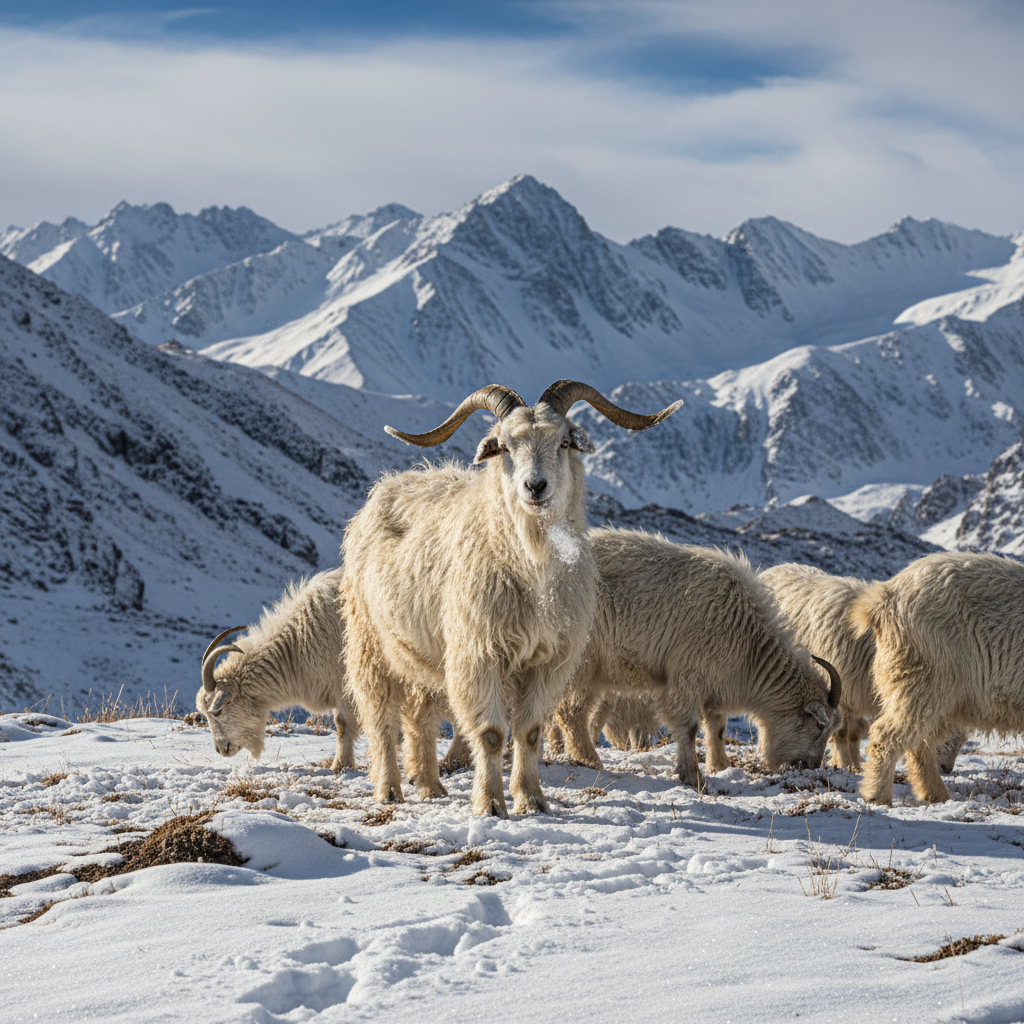
Native to the high altitudes of Ladakh, these goats survive freezing temperatures (-40°C), developing the ultra-fine undercoat harvested for Pashmina.
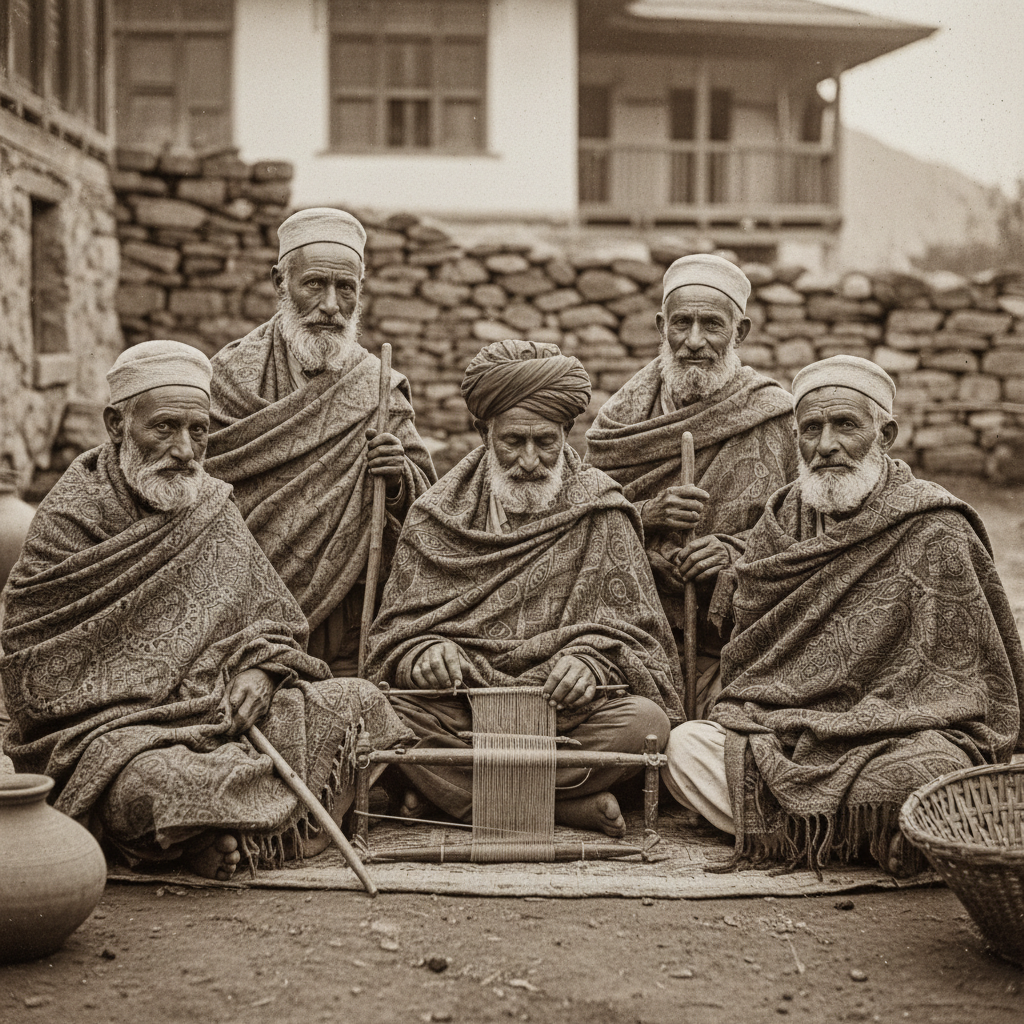
Pashmina has a rich history starting in the Himalayas. It became famous in the 15th century under King Zain-ul-Abidin of Kashmir. For centuries, it was the cherished garment of the 'old nobility'—favored by elderly emperors and queens for its unmatched warmth without weight. From Mughal courts to European palaces, these shawls draped the shoulders of the most powerful figures in history. Today, it remains a timeless symbol of heritage.
Comparing Fineness
Pashmina is defined by its micron diameter. The lower the count, the finer the fabric. Pashmina is nearly 5 times finer than average human hair.
The Pashmina Wool
True Pashmina comes only from the Changthangi goat (Capra hircus), found in Ladakh's high altitudes. These goats survive -40°C winters thanks to a unique, ultra-fine undercoat. This wool is very delicate, measuring just 12 to 16 microns thick. It is extremely rare—one goat produces only about 80-170 grams a year. It takes the wool of three goats to make just one shawl.
Process and Making
Comb Harvesting: Goats are combed, not shorn, during spring molting to gather the soft undercoat.
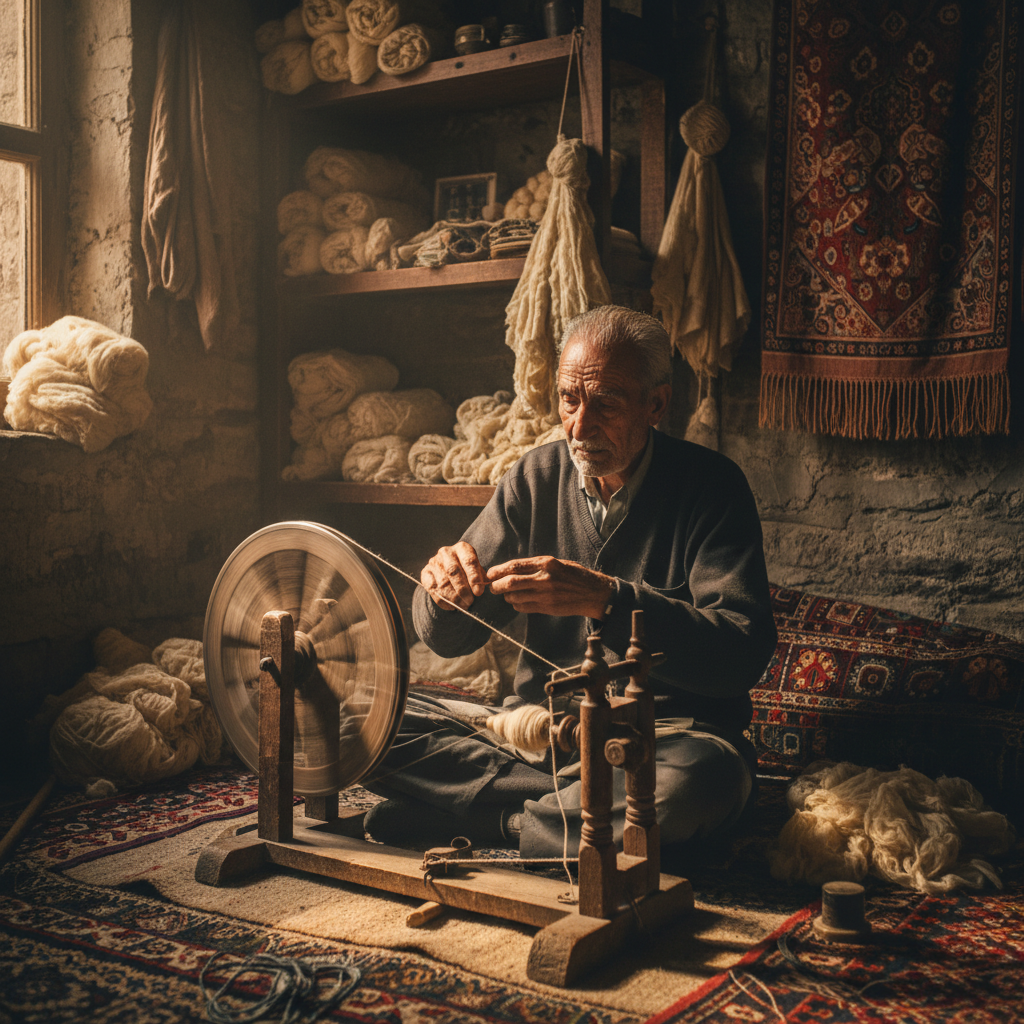
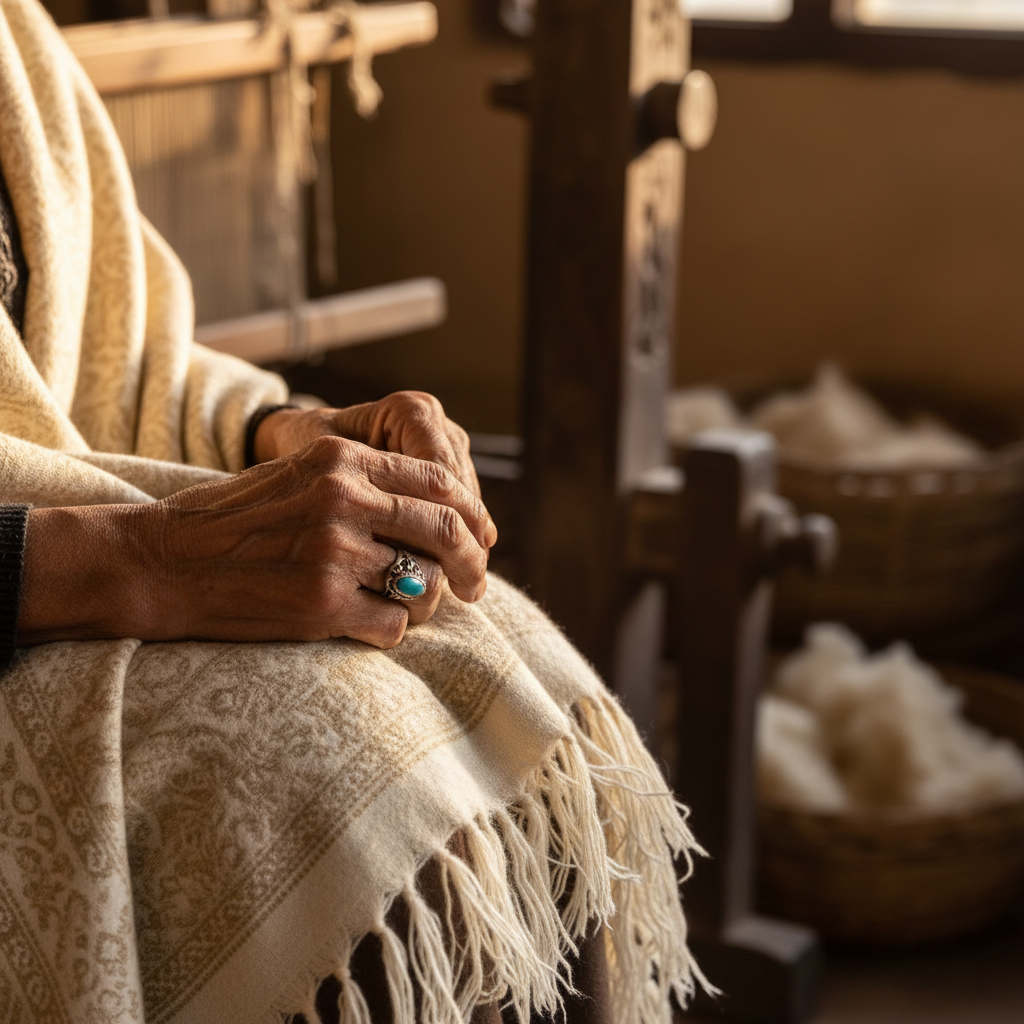
Hand Spinning: Women traditionally spin the delicate fiber on a wooden wheel known as a 'yinder'.
Weaving: Artisans use handlooms to weave the yarn into fabric, a process that can take weeks for a single shawl.
Creating Pashmina is a skilled art that requires great patience:<br><br><b>1. Harvesting:</b> In spring, the soft wool is gently combed from the goats.<br><b>2. Spinning:</b> The wool is cleaned and hand-spun into fine yarn on a traditional wheel called a 'Charkha'.<br><b>3. Weaving:</b> Artisans weave the yarn on handlooms to create delicate fabric.<br><b>4. Embroidery:</b> Finally, intricate designs are stitched by hand using fine needles, a process that can take months.
Types of Pashmina Fabric
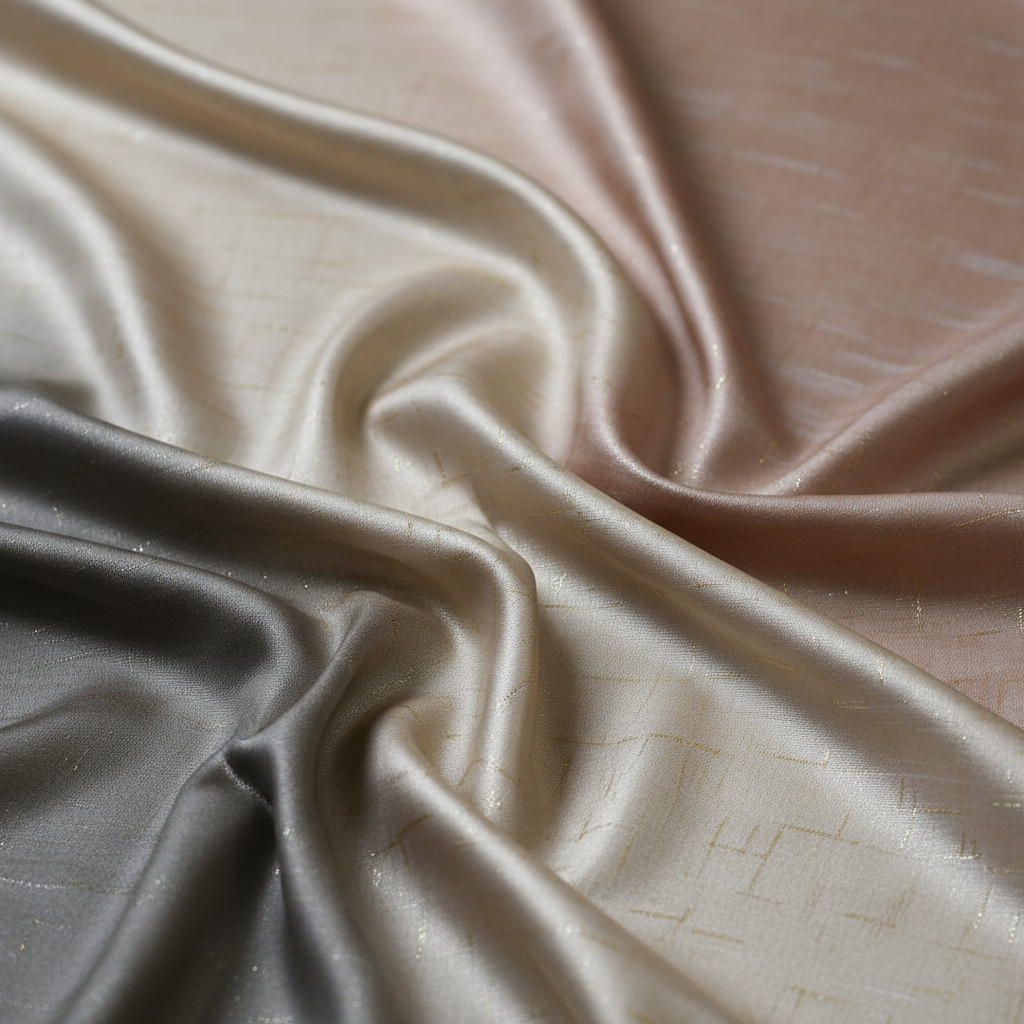
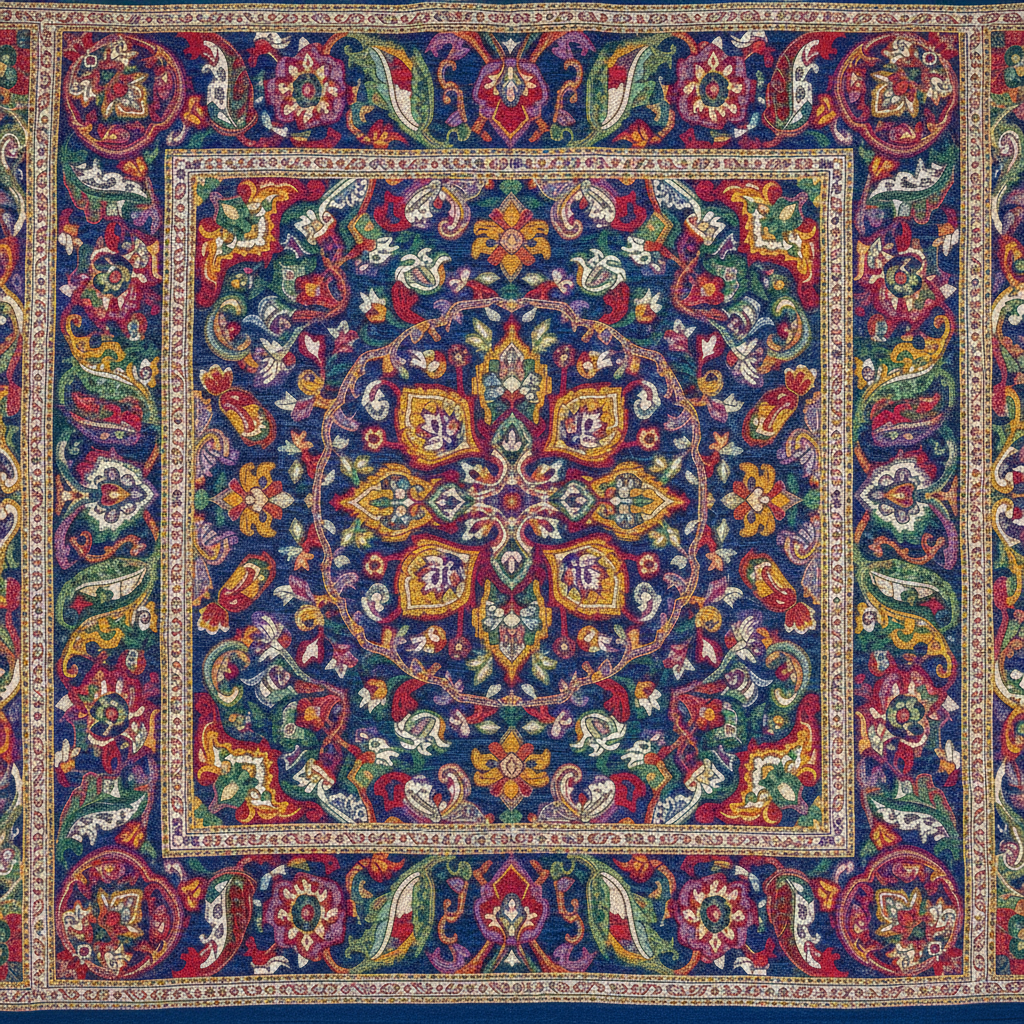
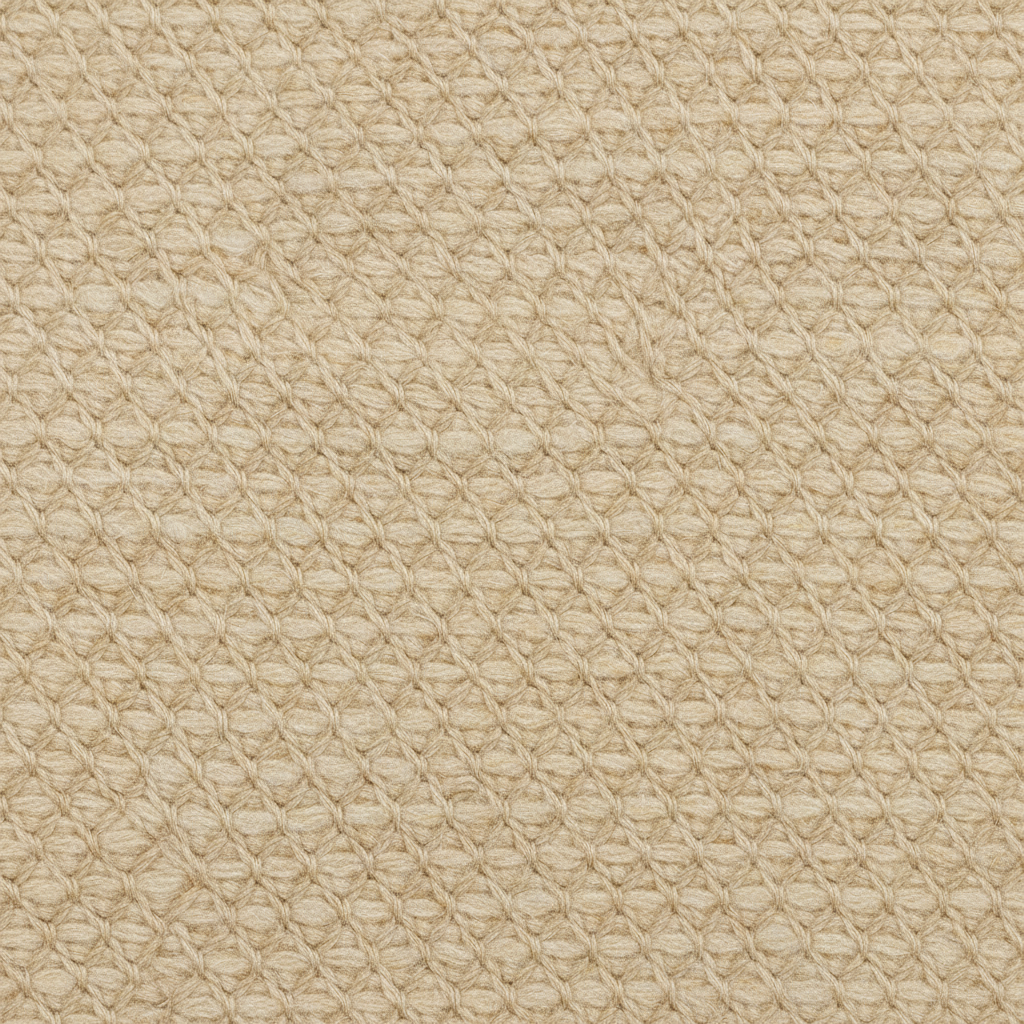
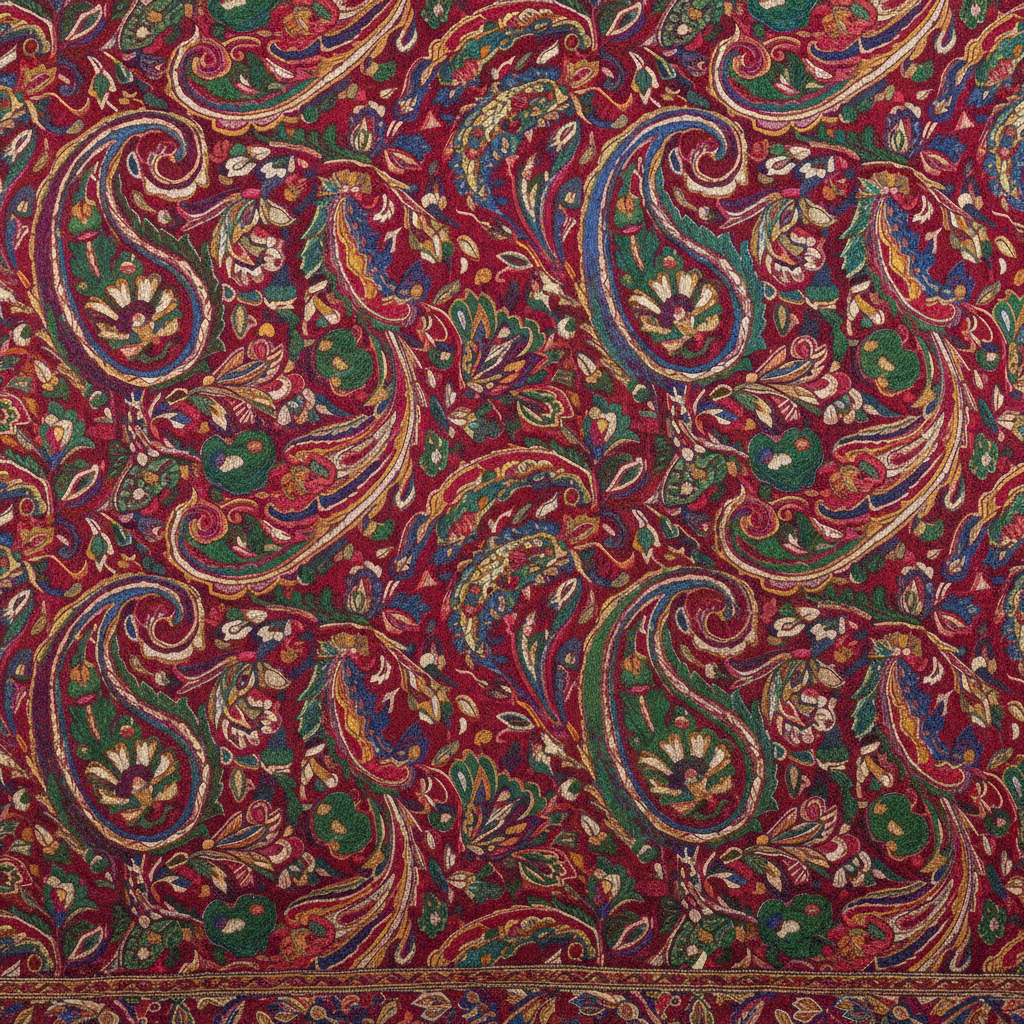
Pashmina comes in several exquisite styles:<br><br><b>1. Diamond Weave (Chashm-e-Bulbul):</b> Features a signature diamond pattern that adds durability and elegance.<br><br><b>2. Kani Weave:</b> A masterpiece of craftsmanship where intricate patterns are woven directly using small wooden sticks.<br><br><b>3. Silk Blend:</b> Combining 70% Pashmina with 30% Silk for enhanced sheen and strength.<br><br><b>4. Jamawar:</b> The most elaborate style, featuring all-over floral designs originally crafted for royalty. These pieces are dense, rich, and timeless treasures.
Varieties of Pashmina
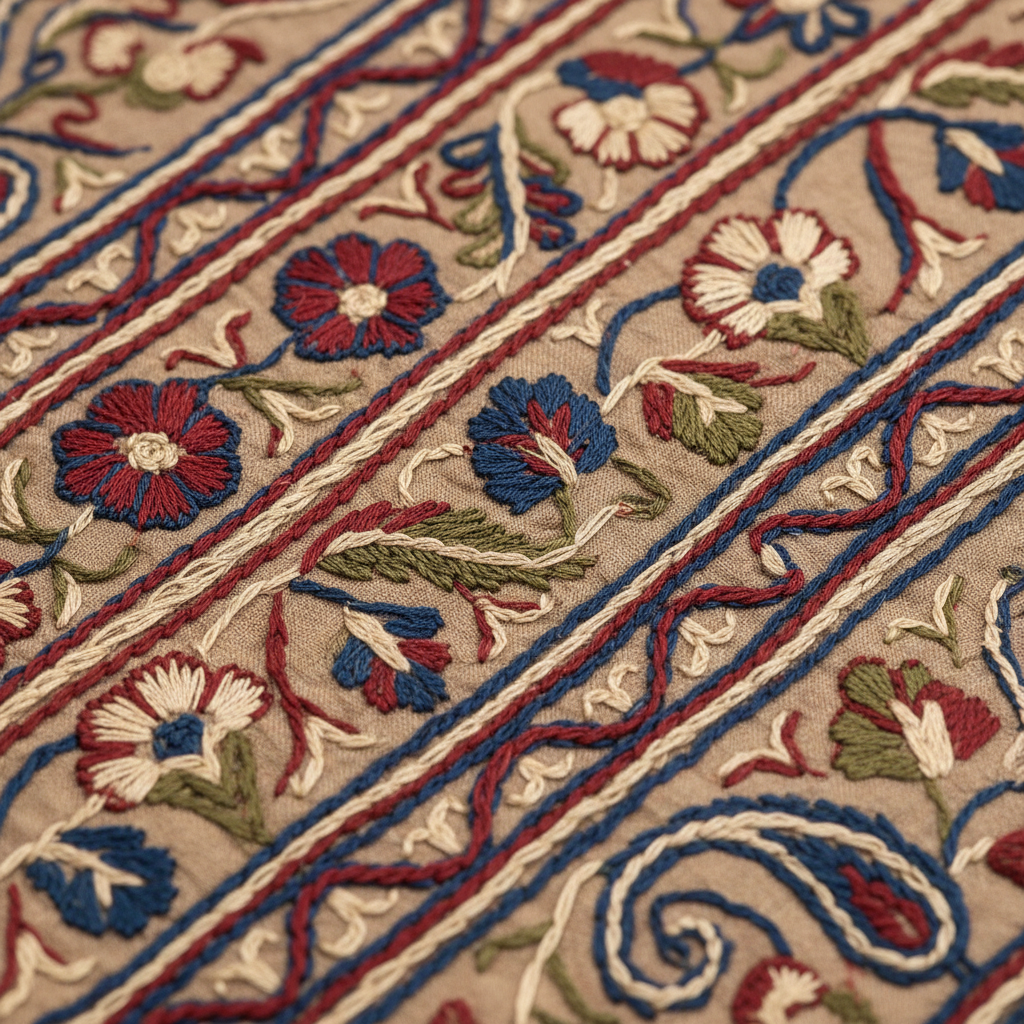
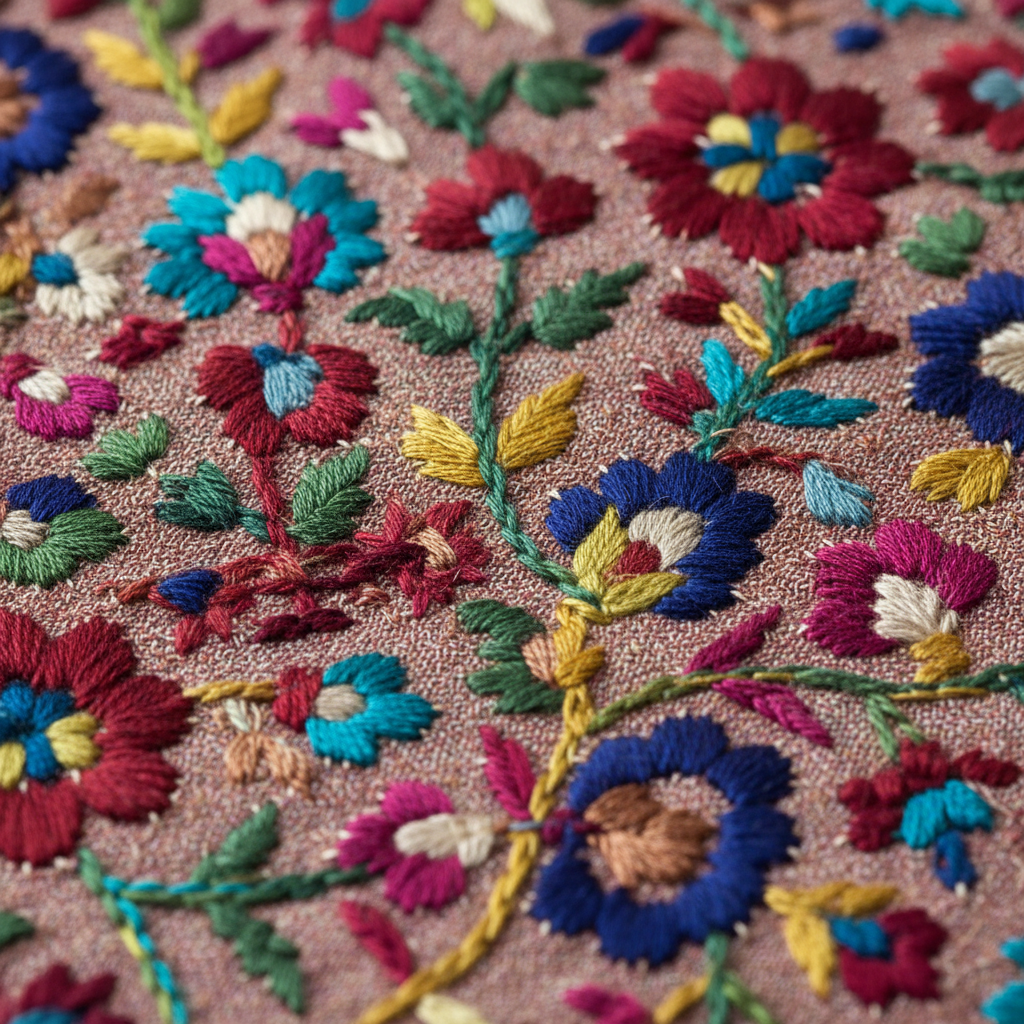
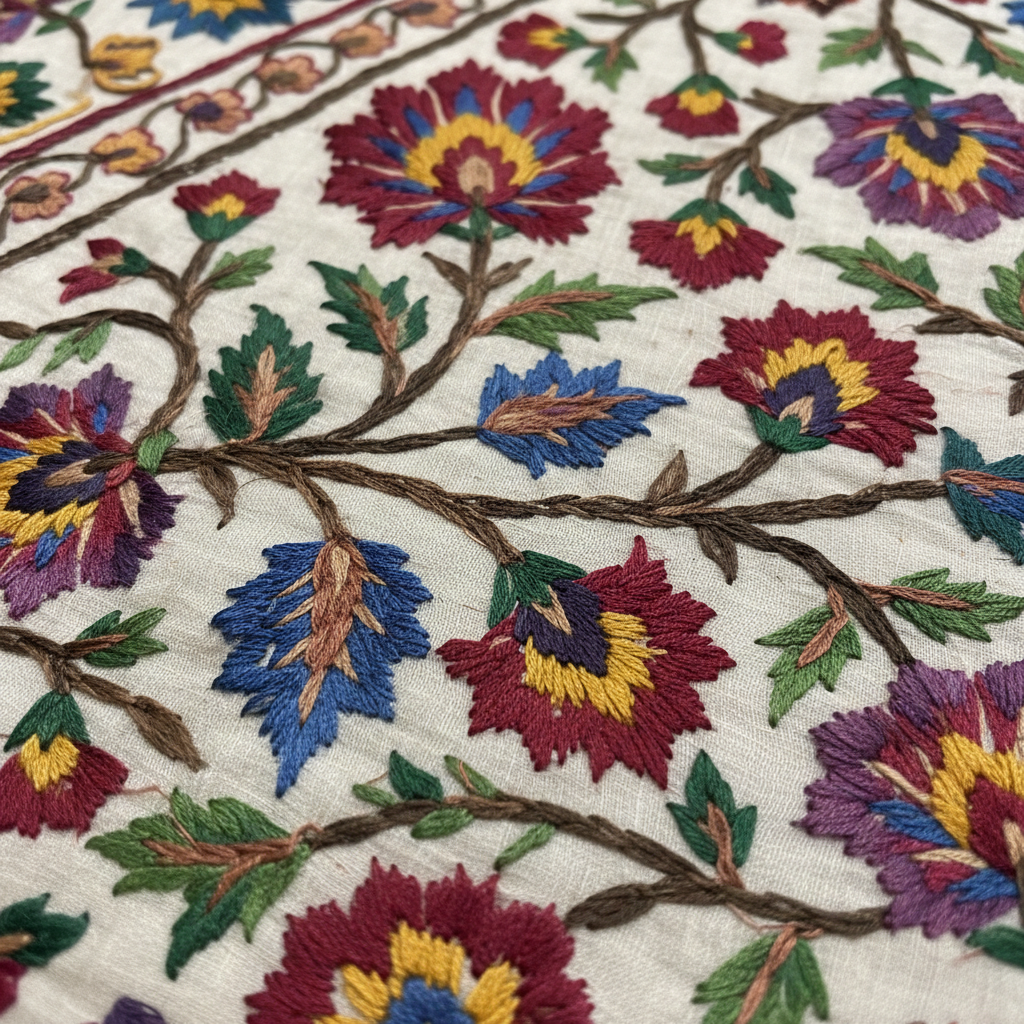
Beyond weaves, Pashmina is defined by artistry:<br><br><b>Sozni:</b> Delicate needle embroidery often covering the borders, known for its fine detail.<br><br><b>Papier Mache:</b> A dense, bold embroidery style that resembles the raised effect of painted papier mache.<br><br><b>Kalamkari:</b> A unique fusion where designs are hand-painted with natural dyes and then outlined with embroidery.<br><br><b>Reversible (Do-Rukha):</b> The rarest skill, where the embroidery looking identical on both sides, making the shawl wearable either way.
Production Challenges
Authentic Pashmina is rare. The yield per goat is incredibly low, contributing to its luxury status and high market value. It takes the wool of at least 3 goats to make one shawl.
Motive and design
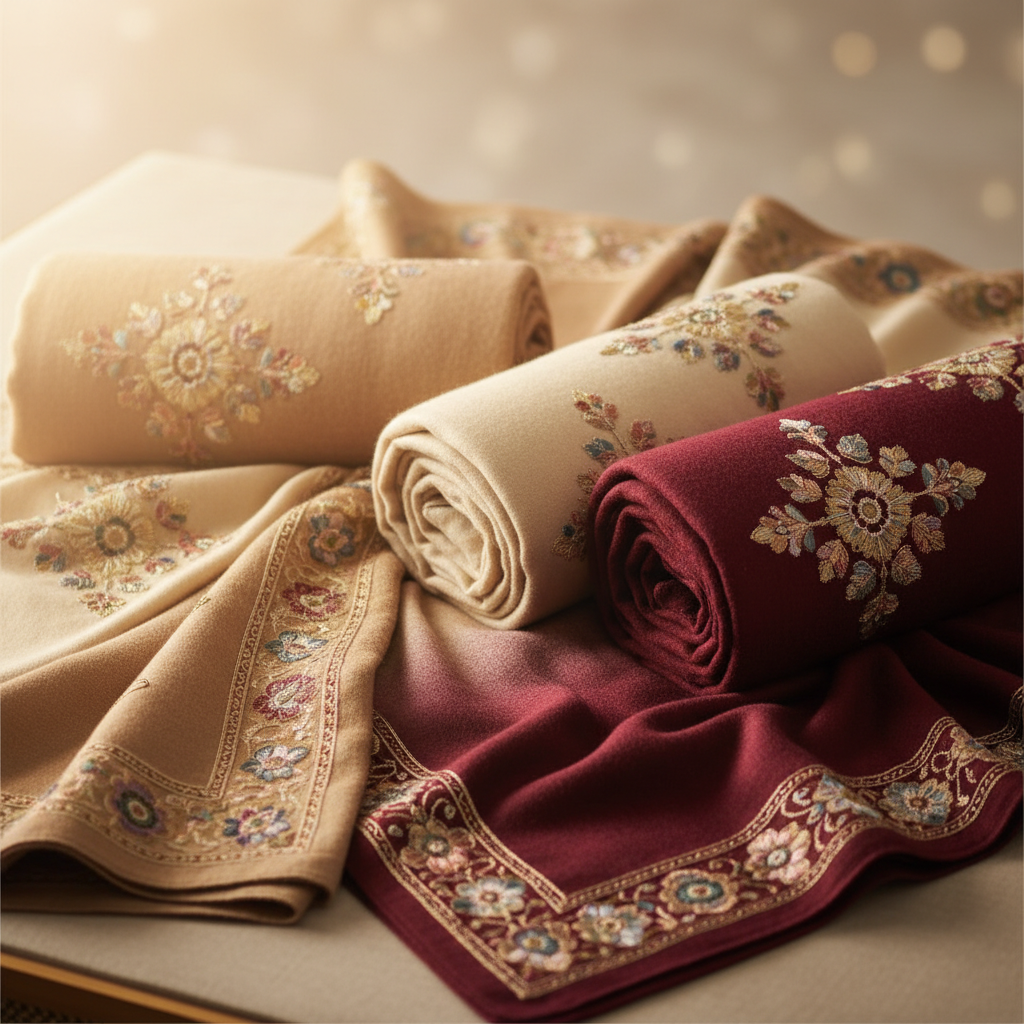
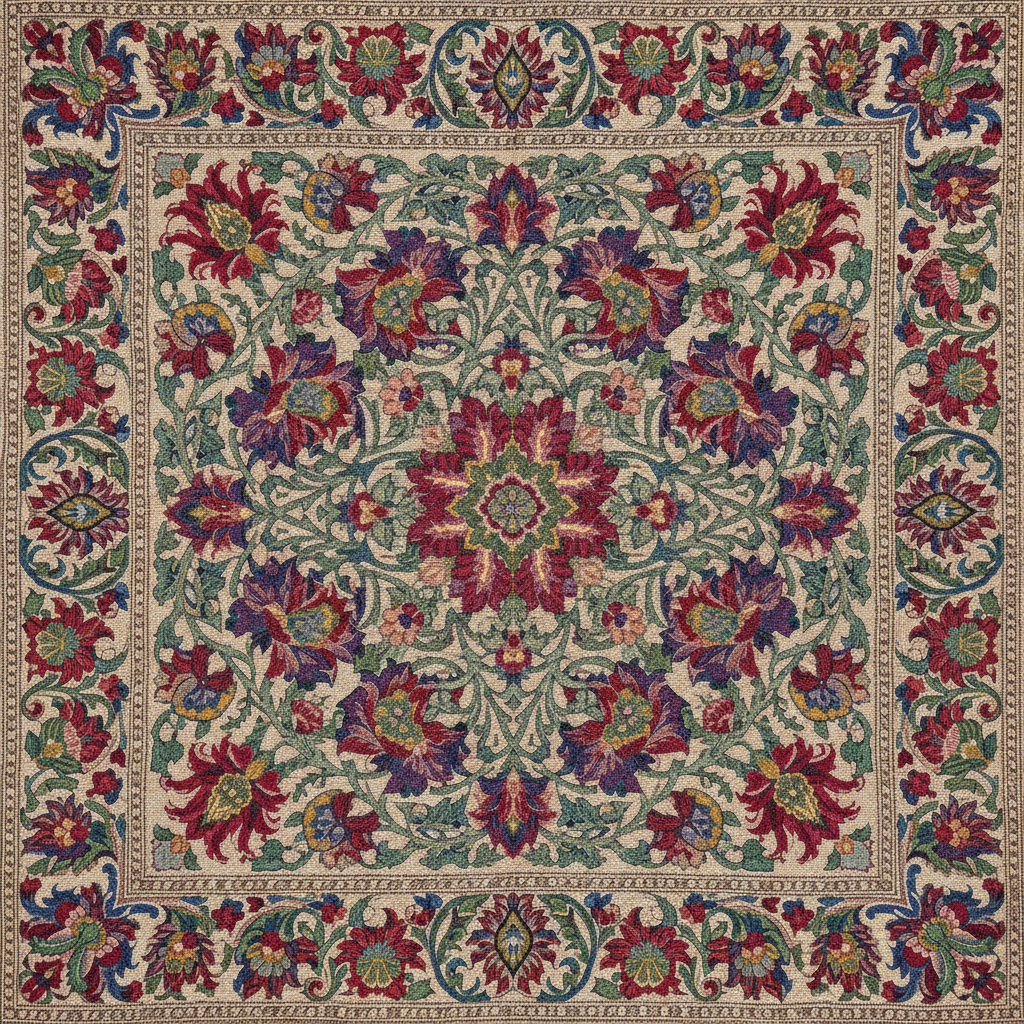
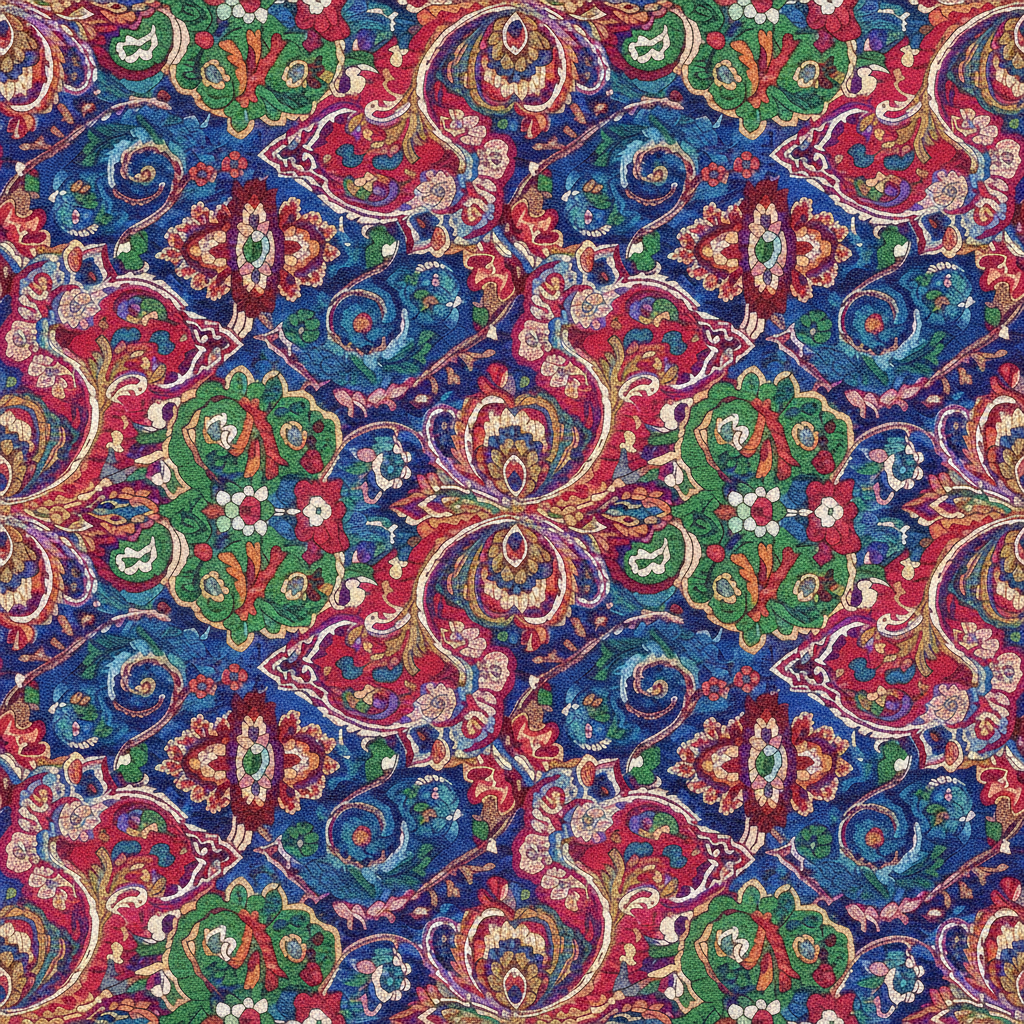
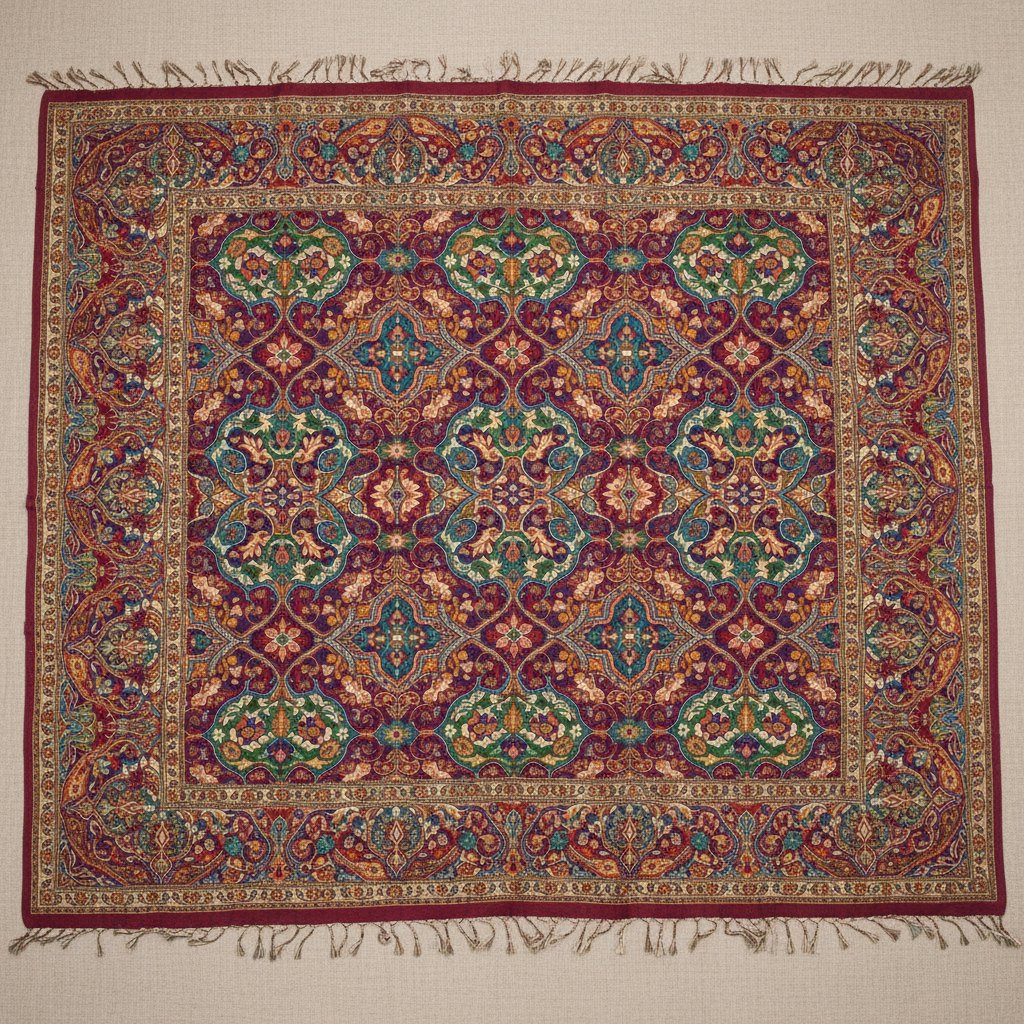
The 'Motive' or design pattern is the soul of a Pashmina shawl. The most iconic design is the <b>'Buta'</b> (Paisley), a cypress cone shape that symbolizes life and eternity. You will also see intricate floral vines, Chinar leaves, and geometric shapes inspired by the beauty of Kashmir. These motifs are not just decorations; they are stories woven and embroidered into the fabric by skilled artisans to create a timeless masterpiece.
Sozni & Kani: The Art of Embroidery
Pashmina finishing often involves intricate embroidery. 'Wani' or 'Sozni' needlework can cover the entire surface of the shawl. Kani waving uses wooden bobbins to create patterns directly during the weaving process, a skill passed down through generations.
Costing and Pricing
In India, real Pashmina is a luxury investment. Prices generally follow these ranges:<br><br><b>1. Plain Shawls:</b> Authentic pieces start from ₹15,000 to ₹30,000.<br><br><b>2. Embroidered (Sozni):</b> Shawls with detailed needlework range from ₹40,000 to ₹1,50,000.<br><br><b>3. Kani & Jamawar:</b> Intricate masterpieces can cost from ₹3,00,000 to over ₹10,00,000.<br><br><b>Note:</b> Be careful of cheap imitations sold for ₹500-₹2,000. Genuine Pashmina is never cheap.
Conclusion
The Ring Test: Due to its extreme fineness, a full-size Pashmina shawl should pass effortlessly through a wedding ring.
The Burn Test: Real Pashmina smells like burnt hair when singed (protein), whereas synthetic fakes smell like burnt plastic or chemicals.
Irregular Weave: Hand-woven Pashmina will always have minor irregularities, unlike the perfect symmetry of machine-made fabrics.
Pashmina is more than a fabric; it is a legacy of the Himalayas and human skill. From the cold mountains of Ladakh to world fashion, it connects nature with luxury. While machines try to copy it, the true spirit of Pashmina lives in the hands of the artisan. Owning a Pashmina means preserving a timeless tradition that has kept people warm and stylish for centuries.
- pashmina
- kashmir-heritage
- luxury-fabric
- textile-art
- handloom-weaving
- ladakh-wool
- fashion-economics