



Otipy Startup Failure: Agritech Post-Mortem & Pitch Analysis
Explore why Otipy failed. A detailed analysis of its farm-to-fork model, financial trajectory, and the impact of quick commerce on Indian agritech.
The Rise & Fall of Otipy
A Post-Mortem Analysis of an Agritech Contender
Company Overview: Farm-to-Fork
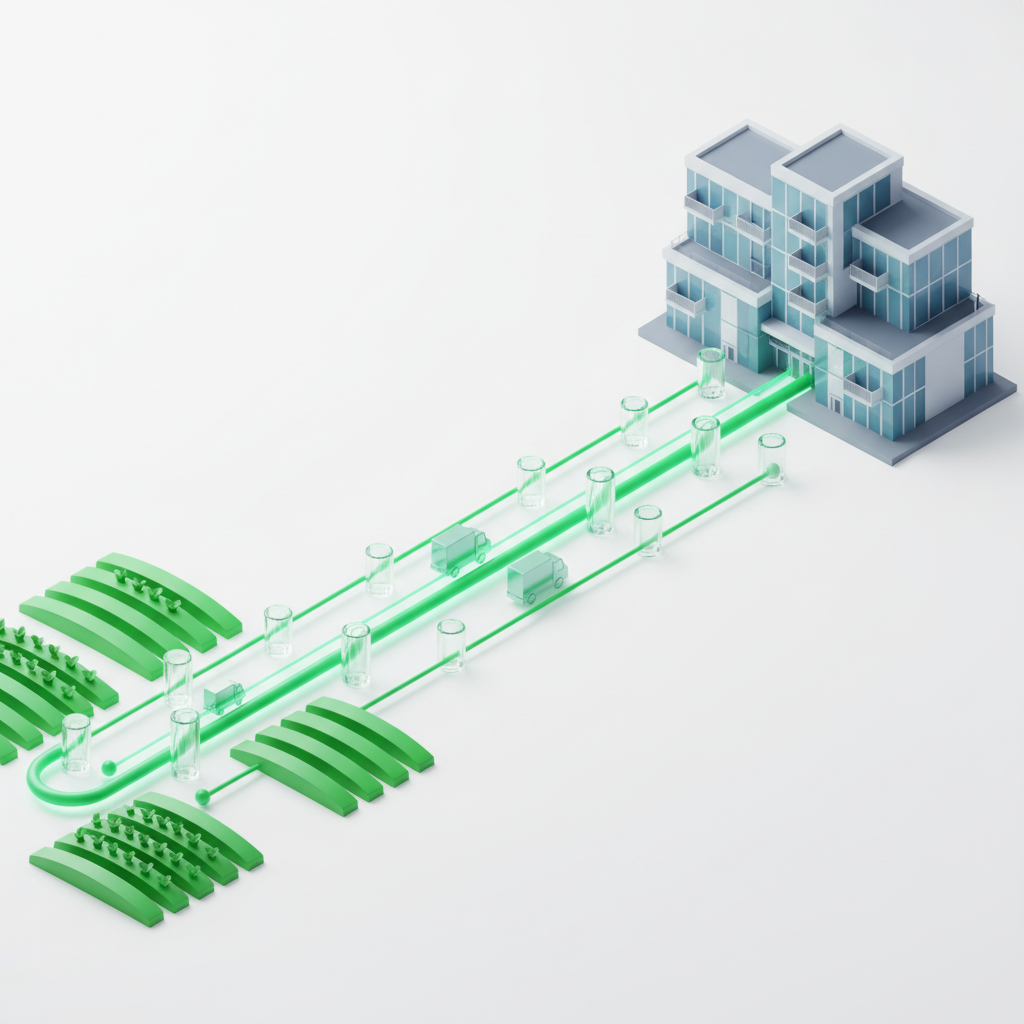
Founded in 2020, Otipy aimed to disrupt the fresh produce market using a 'Community Group Buying' model. By aggregating demand through local community leaders, the company promised fresher produce at lower prices, directly sourcing from farmers to minimize wastage and supply chain costs.
The Problem: Market Friction
Despite early promise, Otipy faced structural hurdles. The Indian grocery market is intensely price-sensitive. The cost of maintaining a cold chain for perishables is prohibitively high, and the logistics of last-mile delivery in dense urban areas quickly erode profit margins. Furthermore, consumer behavior shifted post-pandemic.
Financial Trajectory (FY23 vs FY24)
While Otipy successfully grew revenue by 68% and reduced losses by 28% in FY24, the absolute burn rate remained unsustainable without new capital injections.
The Quick Commerce Threat
Dominant Players: Blinkit, Zepto, and BigBasket captured the market with aggressive '10-minute delivery' promises.
Consumer Shift: The convenience of instant delivery outweighed Otipy's 12-hour pre-order model for many urban users.
Capital Disadvantage: Competitors had deep-pocketed backers (Zomato, Tata), allowing them to sustain high burn rates that Otipy could not match.
Market Saturation: Intense competition drove down average order values and increased customer acquisition costs.
The Failed Pivot: Offline Retail
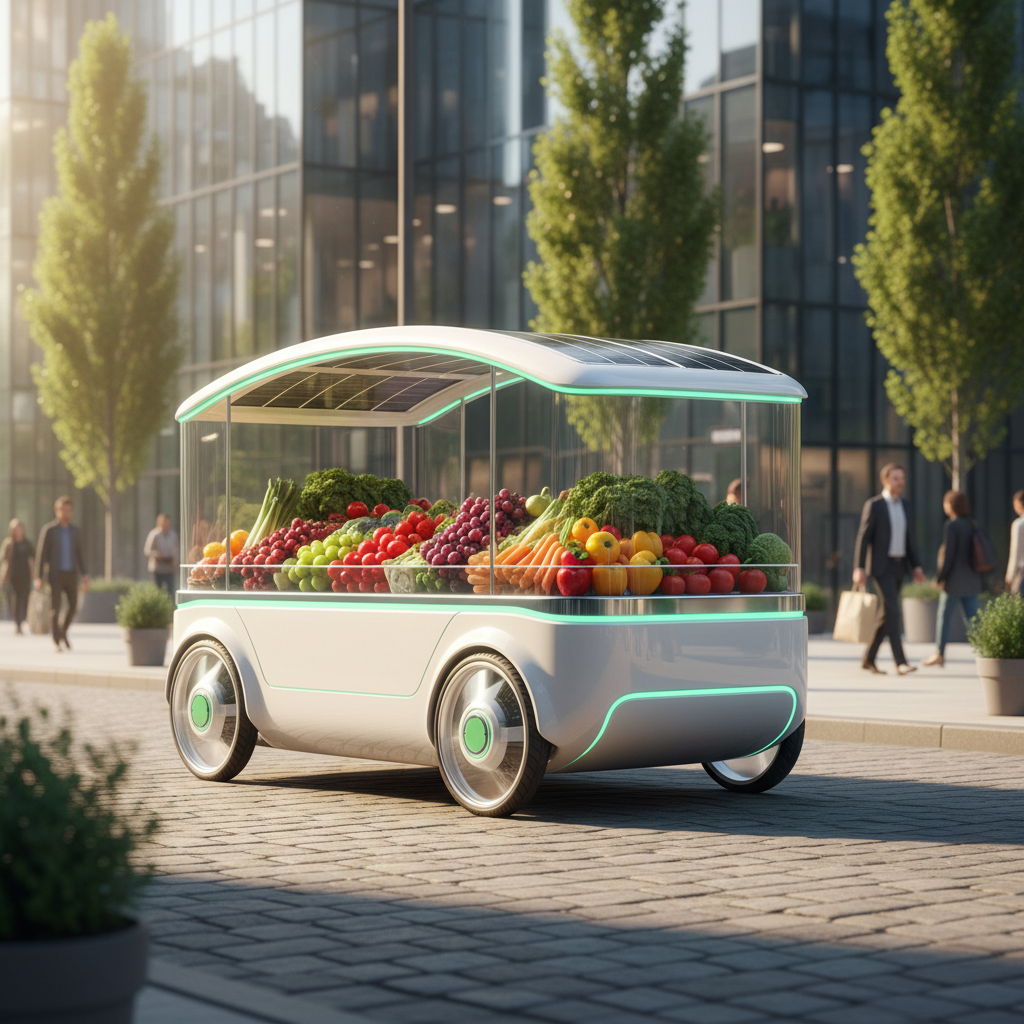
Just five months prior to the shutdown, Otipy attempted a strategic pivot to offline retail. They piloted electric carts in Gurugram, aiming for a fleet of 5,000 by 2026. This attempt to diversify revenue streams was too little, too late to offset the core cash flow issues.
The Collapse: May 2025
$10M Funding Round Collapsed | Operations Ceased | Assets Liquidated
Operational Fallout
Human Capital: Immediate mass layoffs of 300+ employees across software, marketing, and fleet operations.
Financial Obligations: Vendor payments delayed for months; employees unpaid for 1.5 months prior to shutdown.
Customer Trust: Serious erosion of brand value due to unrefunded wallet balances and undelivered final orders.
Why Otipy Failed: Key Drivers
While funding was the trigger, the underlying causes were structural. High operational costs (OpEx) for cold chain logistics and low margins in fresh produce created a fragile business model.
In the low-margin game of groceries, cash flow is not just King—it is Oxygen. Without a defensible moat against well-funded giants, efficiency alone cannot sustain survival.
Key Takeaway for Investors
- starup-fail
- agritech
- business-analysis
- case-study
- india-market
- ecommerce
- venture-capital
- supply-chain