
Made byBobr AI

Art of Kashmiri Pashmina: History, Craft & Heritage

Explore the journey of Pashmina, the 'Soft Gold' of Kashmir. Learn about the Changthangi goat, traditional hand-weaving, and the artistry of authentic shawls.

#pashmina#kashmir#handicrafts#textile-history#luxury-fashion#culture#craftsmanship#traditional-art
Watch
Pitch
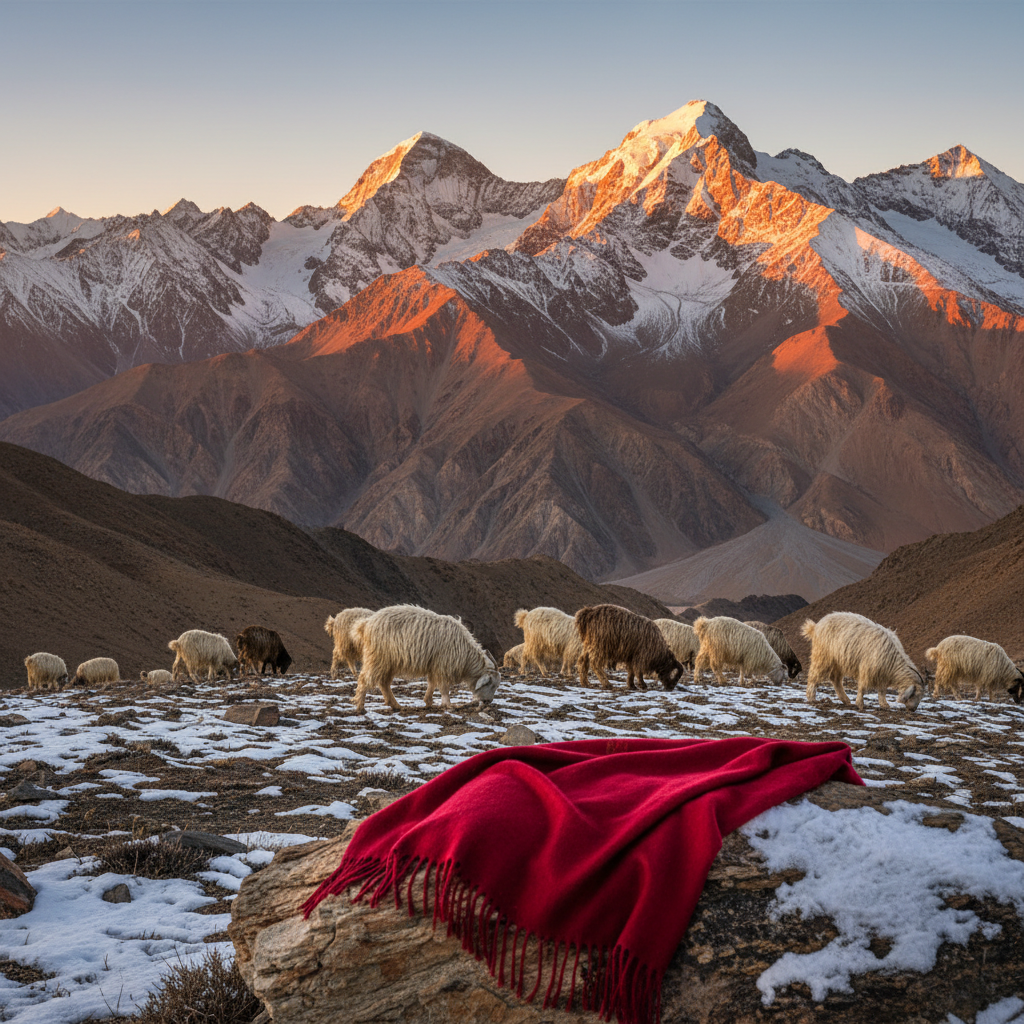
Cinematic wide shot of the snowy Himalayan peaks in Ladakh, Changthangi goats grazing on a slope, warm golden sunlight hitting a draped red Pashmina shawl in the foreground, photorealistic, 8k resolution, earthy tones.

Pashmina: The Soft Gold of Kashmir

A Journey Through Heritage, Craftsmanship, and Luxury

Made byBobr AI

What is Pashmina?

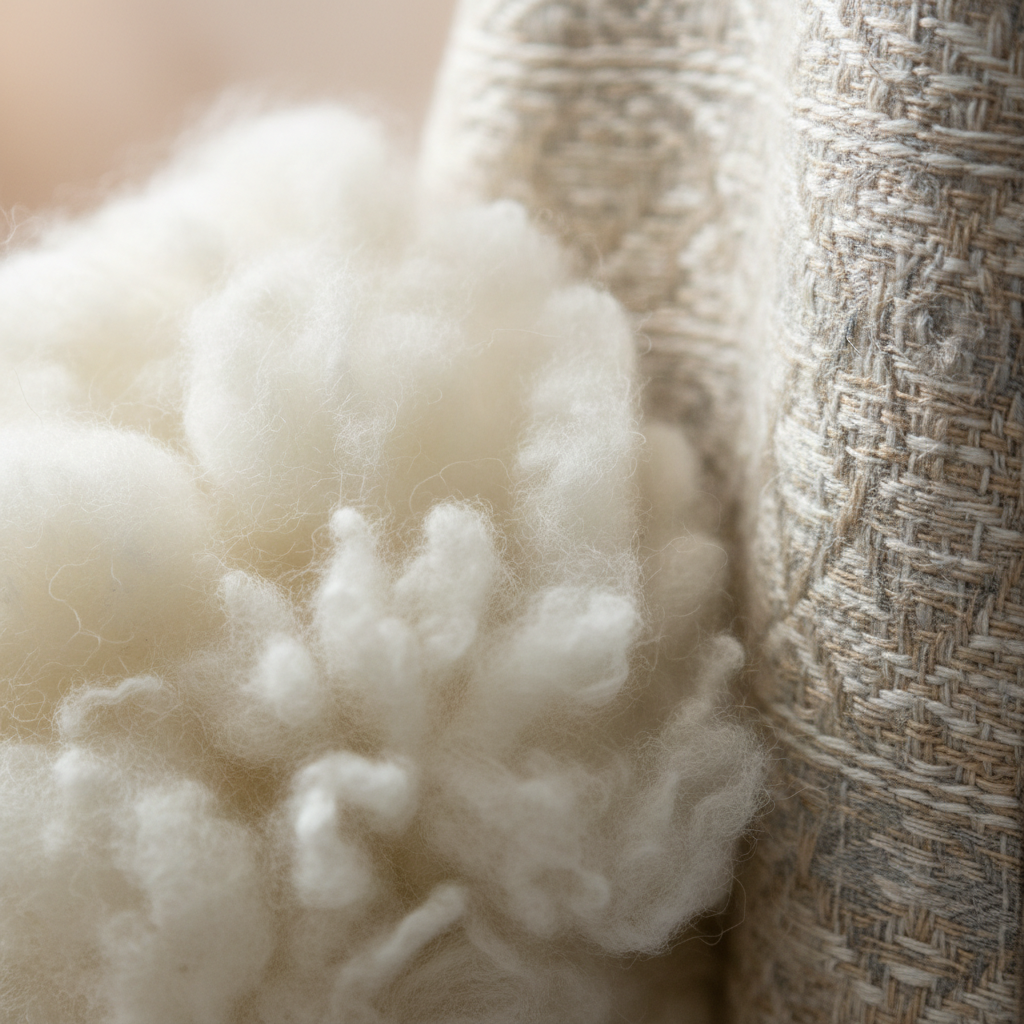
Pashmina is the finest grade of cashmere wool, derived from the Persian word 'pashm' meaning wool. It originates exclusively from the Changthangi goat found in the high-altitude regions of Ladakh, Jammu & Kashmir. Known as the 'Diamond Fiber', it has been a symbol of royalty and luxury for centuries, historically worn by Mughal emperors and European nobility.

A close-up macro shot of raw, fluffy white pashmina wool fibers next to a finished intricate woven shawl, soft lighting, high texture detail, photorealistic.
Made byBobr AI

History and Origin

  • Ancient Roots: Traced back to the 3rd century BC; mentioned in the Mahabharata and Buddhist texts.
  • The Founder: The visible industry was founded in the 15th century by Sultan Zain-ul-Abidin, who invited weavers from Central Asia.
  • Mughal Era: Reached its peak under emperors like Akbar, who named it 'Paremnarm' (supremely soft).
  • Global Fame: Napoleon Bonaparte gifted a Pashmina shawl to Josephine, sparking a European fashion trend.
Made byBobr AI
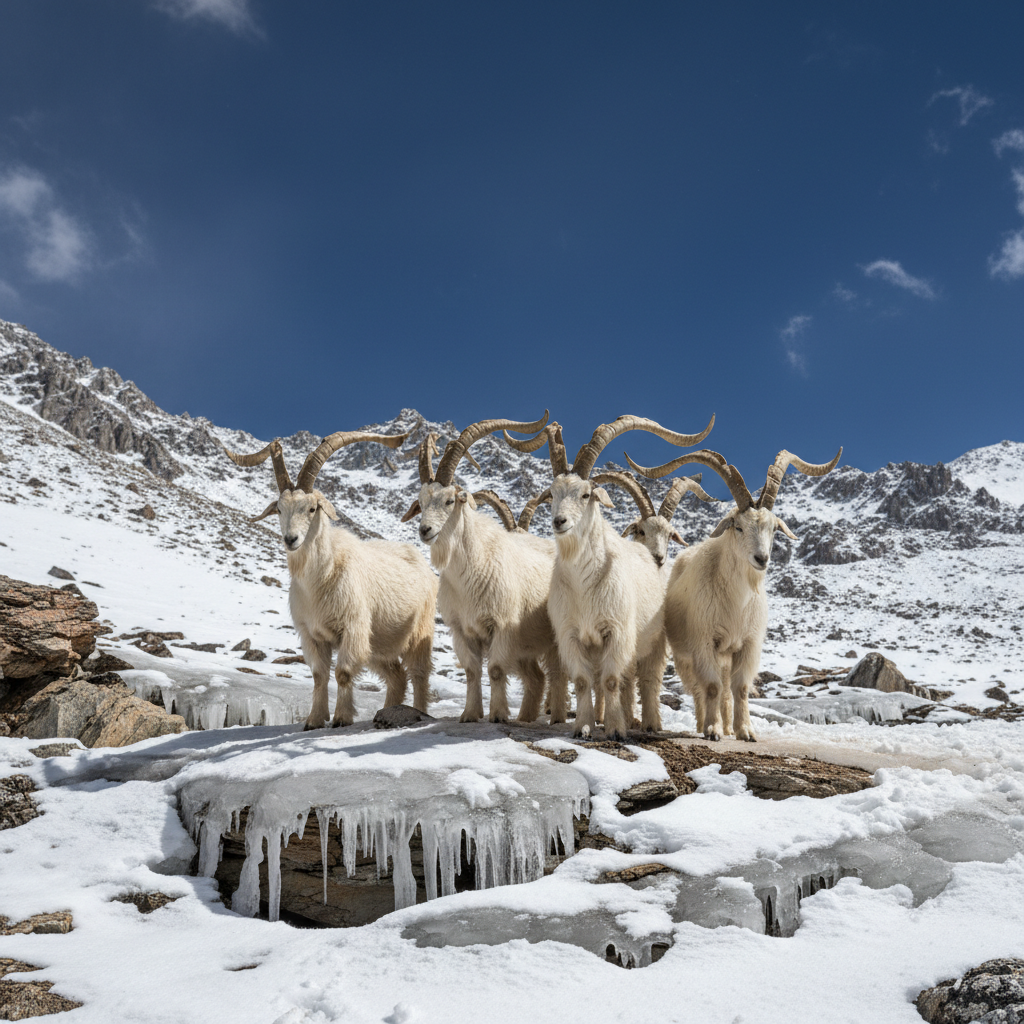
Changthangi goats with long twisted horns and white coats standing on a rugged, snowy mountain terrain in Ladakh, blue sky, high altitude environment, photorealistic.

The Changthangi Goat

The raw material comes exclusively from the Changthangi goat, a rare breed that survives at altitudes over 14,000 feet in Ladakh. To survive fresh freezing temperatures of -40°C, nature gifts them a unique, downy undercoat. This undercoat is harvested once a year during the spring moulting season, not by shearing, but by gentle combing to preserve the fiber length.

Made byBobr AI

Unmatched Fineness

Chart

Pashmina fibers are exceptionally fine, measuring between 12-14 microns. For context, a human hair is approximately 70 microns thick. This extreme fineness creates the fabric's legendary softness and warmth.

Made byBobr AI

The Making Process

Harvesting & Cleaning: Raw wool is combed from goats in spring, then painstakingly de-haired by hand to remove coarse outer guard hair.

Spinning: Traditional spinning on a 'charkha' wheel is done mostly by women artisans, turning delicate fibers into fine yarn.

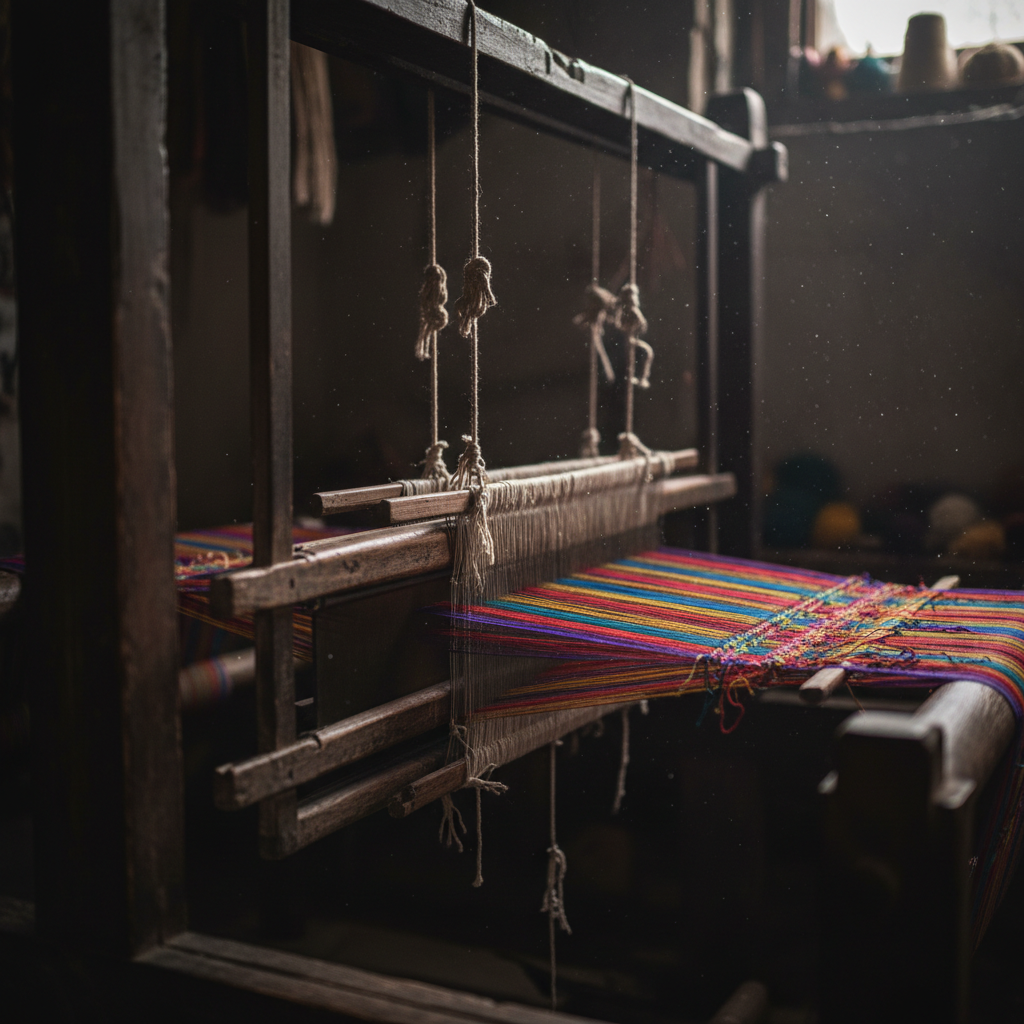
Weaving: Men traditionally weave the yarn on wooden handlooms using complex techniques for patterns. A single shawl can take 4 to 6 months.

Embroidering: Fine needlework (Sozni) is added, sometimes taking years to complete a single intricate piece.

Made byBobr AI

Design & Motifs

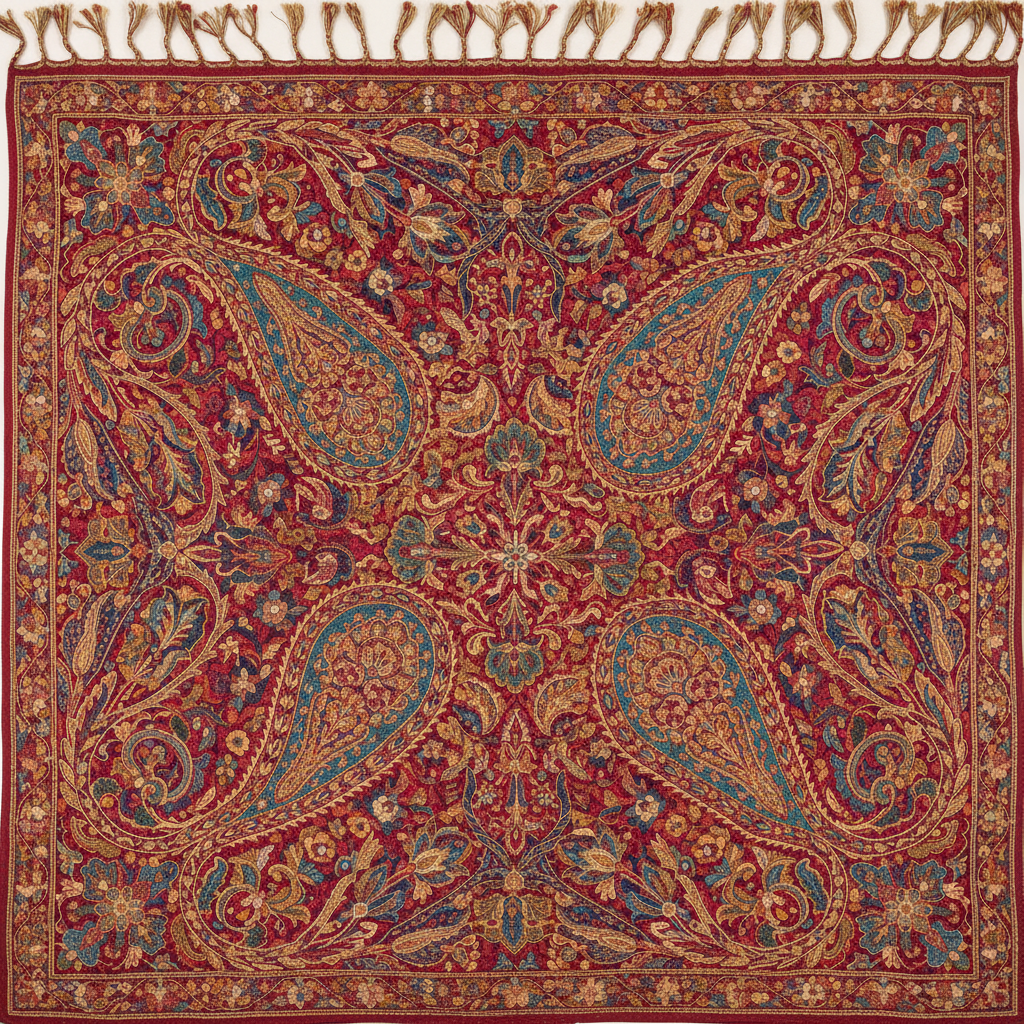
Kashmiri Pashmina is renowned for its specific motifs, deeply influenced by Persian culture and Mughal tastes. The most famous design is the 'Buta' or Paisley, often accompanied by Chinar leaves, lotuses, and geometric 'Jaal' patterns. Designs represent the natural beauty of the Kashmir valley, often described as 'Paradise on Earth'.

Top-down view of a vintage Pashmina shawl featuring intricate Paisley (Buta) and Chinar leaf embroidery in rich red, gold, and turquoise threads, high detail texture.
Made byBobr AI

Pricing & Authenticity

Chart

Authentic Pashmina commands a high price due strictly to the manual labor involved (months of weaving). Pure pieces can range from ₹50,000 to over ₹2,00,000 depending on the tightness of the weave and complexity of design. Cheap imitations often flood the market, highlighting the importance of GI (Geographical Indication) tags.

Made byBobr AI
Dark, moody close up of a traditional wooden loom in Kashmir with colorful pashmina threads being woven, soft ambient lighting highlighting the dust motes and texture.

"Whatever is of the highest quality in the world is made in Kashmir."

- Historical Proverb

Made byBobr AI
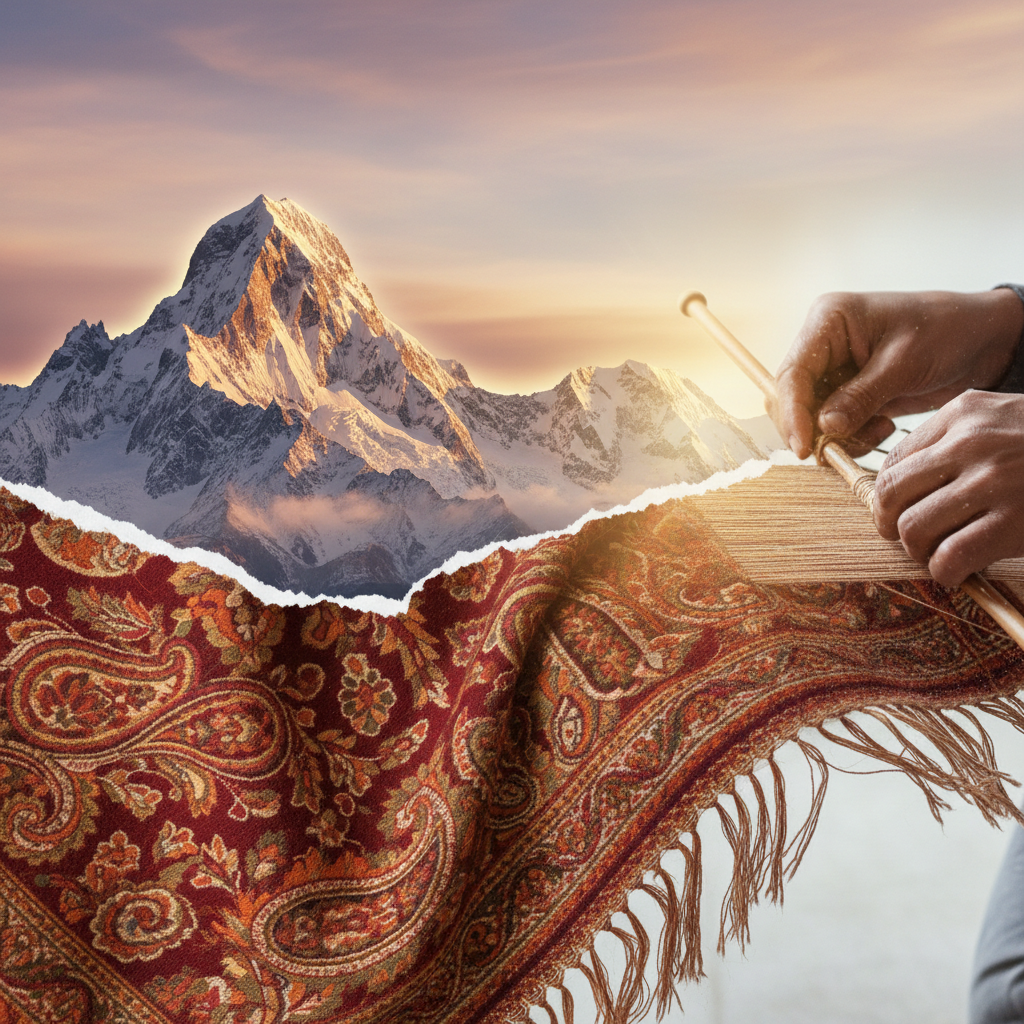
Artistic collage style image blending a snowy mountain peak, a detail of a pashmina shawl, and the hands of an artisan working, warm and hopeful lighting.

Conclusion: Preserving a Legacy

Pashmina is more than just fabric; it is the enduring legacy of Jammu & Kashmir. From the high-altitude pastures of Ladakh to the skilled looms of Srinagar, it represents a perfect harmony of nature and human skill. Preserving this art form through authentic purchases and GI protection ensures the survival of thousands of artisans and the continued reverence of this 'Soft Gold'.

Made byBobr AI
Bobr AI

DESIGNER-MADE
PRESENTATION,
GENERATED FROM
YOUR PROMPT

Create your own professional slide deck with real images, data charts, and unique design in under a minute.

Generate For Free

Art of Kashmiri Pashmina: History, Craft & Heritage

Explore the journey of Pashmina, the 'Soft Gold' of Kashmir. Learn about the Changthangi goat, traditional hand-weaving, and the artistry of authentic shawls.

Pashmina: The Soft Gold of Kashmir

A Journey Through Heritage, Craftsmanship, and Luxury

What is Pashmina?

Pashmina is the finest grade of cashmere wool, derived from the Persian word 'pashm' meaning wool. It originates exclusively from the Changthangi goat found in the high-altitude regions of Ladakh, Jammu & Kashmir. Known as the 'Diamond Fiber', it has been a symbol of royalty and luxury for centuries, historically worn by Mughal emperors and European nobility.

History and Origin

Ancient Roots: Traced back to the 3rd century BC; mentioned in the Mahabharata and Buddhist texts.

The Founder: The visible industry was founded in the 15th century by Sultan Zain-ul-Abidin, who invited weavers from Central Asia.

Mughal Era: Reached its peak under emperors like Akbar, who named it 'Paremnarm' (supremely soft).

Global Fame: Napoleon Bonaparte gifted a Pashmina shawl to Josephine, sparking a European fashion trend.

The Changthangi Goat

The raw material comes exclusively from the Changthangi goat, a rare breed that survives at altitudes over 14,000 feet in Ladakh. To survive fresh freezing temperatures of -40°C, nature gifts them a unique, downy undercoat. This undercoat is harvested once a year during the spring moulting season, not by shearing, but by gentle combing to preserve the fiber length.

Unmatched Fineness

Pashmina fibers are exceptionally fine, measuring between 12-14 microns. For context, a human hair is approximately 70 microns thick. This extreme fineness creates the fabric's legendary softness and warmth.

The Making Process

Harvesting & Cleaning: Raw wool is combed from goats in spring, then painstakingly de-haired by hand to remove coarse outer guard hair.

Spinning: Traditional spinning on a 'charkha' wheel is done mostly by women artisans, turning delicate fibers into fine yarn.

Weaving: Men traditionally weave the yarn on wooden handlooms using complex techniques for patterns. A single shawl can take 4 to 6 months.

Embroidering: Fine needlework (Sozni) is added, sometimes taking years to complete a single intricate piece.

Design & Motifs

Kashmiri Pashmina is renowned for its specific motifs, deeply influenced by Persian culture and Mughal tastes. The most famous design is the 'Buta' or Paisley, often accompanied by Chinar leaves, lotuses, and geometric 'Jaal' patterns. Designs represent the natural beauty of the Kashmir valley, often described as 'Paradise on Earth'.

Pricing & Authenticity

Authentic Pashmina commands a high price due strictly to the manual labor involved (months of weaving). Pure pieces can range from ₹50,000 to over ₹2,00,000 depending on the tightness of the weave and complexity of design. Cheap imitations often flood the market, highlighting the importance of GI (Geographical Indication) tags.

Whatever is of the highest quality in the world is made in Kashmir.

Historical Proverb

Conclusion: Preserving a Legacy

Pashmina is more than just fabric; it is the enduring legacy of Jammu & Kashmir. From the high-altitude pastures of Ladakh to the skilled looms of Srinagar, it represents a perfect harmony of nature and human skill. Preserving this art form through authentic purchases and GI protection ensures the survival of thousands of artisans and the continued reverence of this 'Soft Gold'.

  • pashmina
  • kashmir
  • handicrafts
  • textile-history
  • luxury-fashion
  • culture
  • craftsmanship
  • traditional-art