
Made byBobr AI

Stem Cell Applications for Cardiovascular Disease

Explore how stem cells are used to regenerate heart tissue, including mechanisms of action, MSC and iPSC types, and the future of bioengineered hearts.

#regenerative-medicine#stem-cells#cardiology#heart-disease#biotechnology#clinical-trials
Watch
Pitch

Regenerating the Heart

Stem Cell Applications in Cardiovascular Disease

Made byBobr AI

Understanding Stem Cells

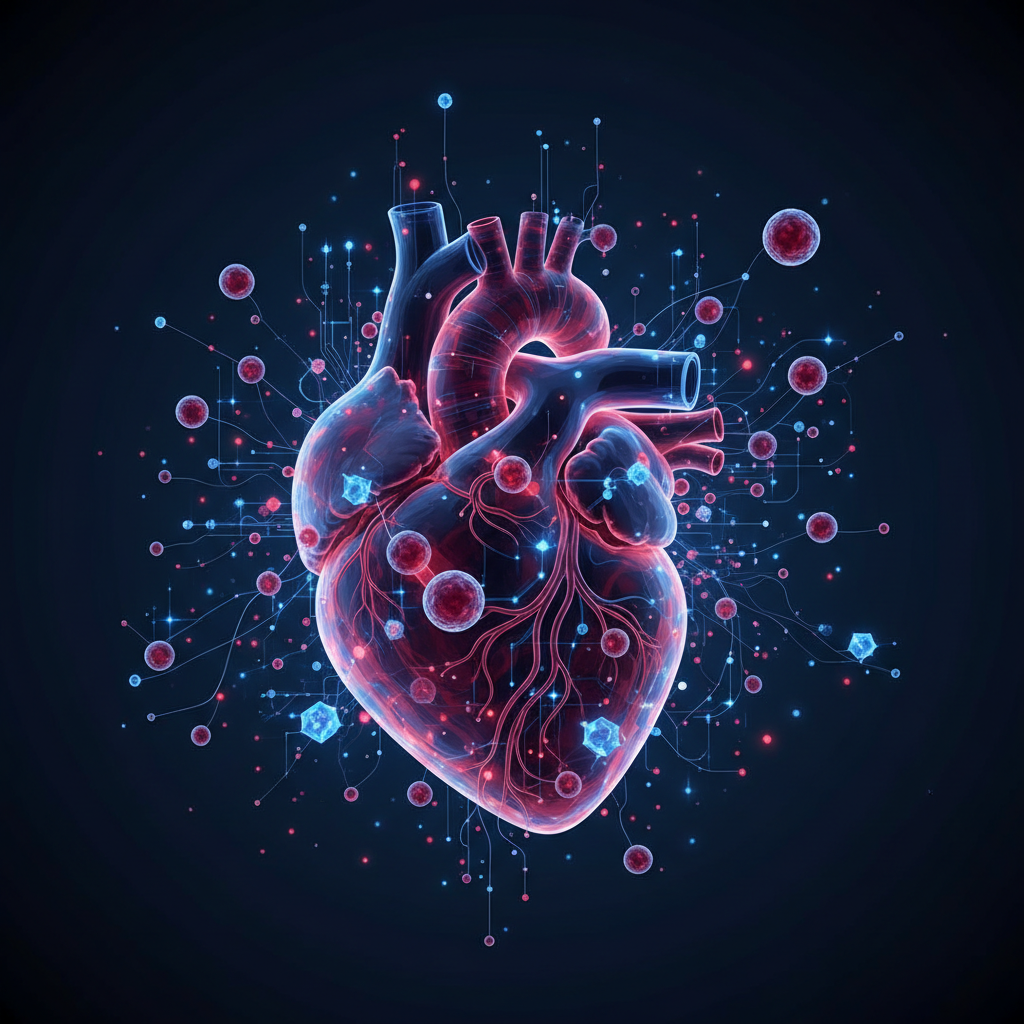
Stem cells serve as the body's raw materials—cells from which all other cells with specialized functions are generated. In cardiology, their unique ability to self-renew and differentiate into cardiomyocytes (heart muscle cells) offers a revolutionary approach to repairing damaged heart tissue that essentially cannot heal itself.

Made byBobr AI

The Global Burden of CVD

Cardiovascular diseases (CVDs) are the leading cause of death globally. While current pharmacological and surgical interventions manage symptoms and extend life, they often fail to replace the lost cardiomyocytes after a myocardial infarction (heart attack).

Chart
Made byBobr AI

Mechanisms of Action

  • Direct Differentiation: Stem cells transform into new cardiomyocytes and vascular cells.
  • Paracrine Signaling: Secreting growth factors and cytokines that promote healing.
  • Angiogenesis: Promoting the formation of new blood vessels to re-oxygenate tissue.
  • Immune Modulation: Reducing inflammation and preventing further scar tissue formation.
Made byBobr AI

Key Stem Cell Types

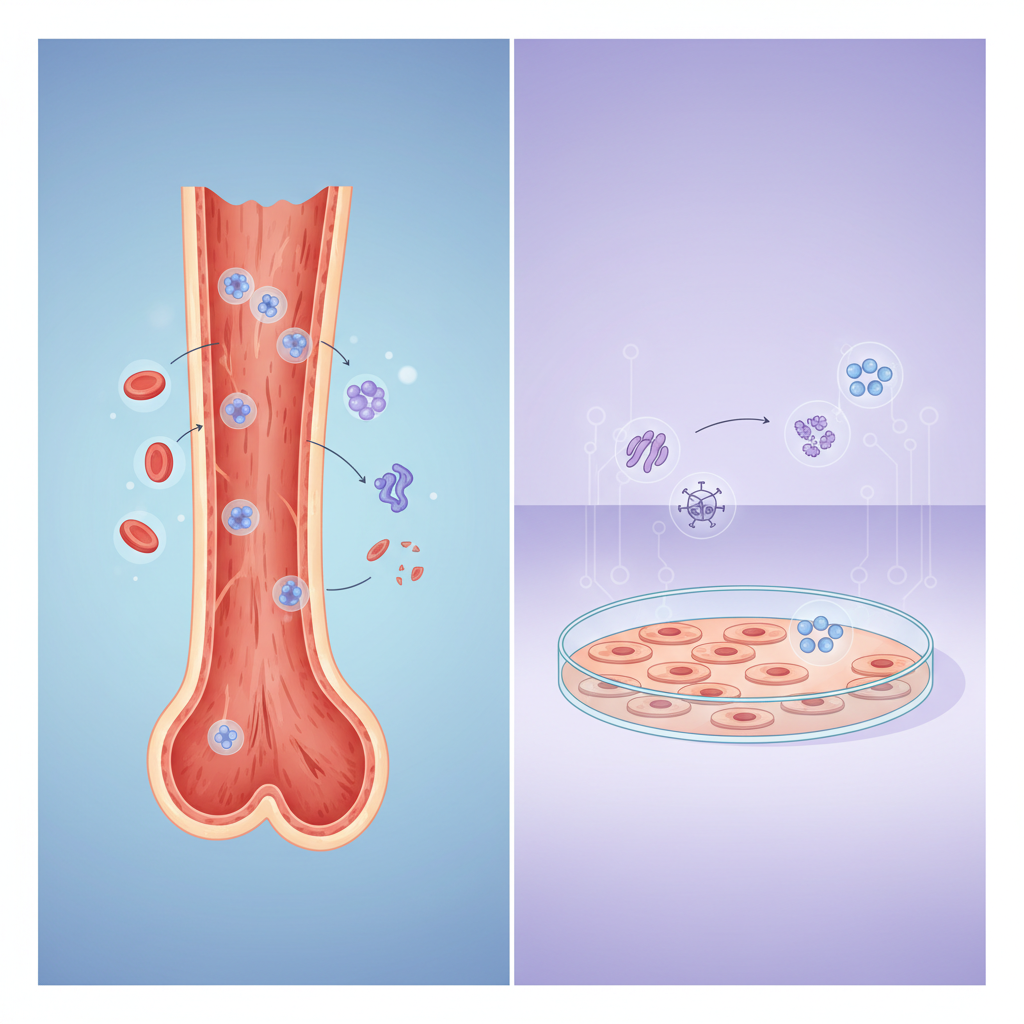
Two primary types dominate cardiac research: Mesenchymal Stem Cells (MSCs), derived from bone marrow or adipose tissue, are known for their safety and paracrine effects. Induced Pluripotent Stem Cells (iPSCs), reprogrammed from adult cells, offer the ability to differentiate into patient-specific heart muscle cells, reducing rejection risk.

Made byBobr AI

“The goal is not just to survive a heart attack, but to repair the scar tissue and restore the heart's full mechanical function.”

Current Research Philosophy in Regenerative Medicine

Made byBobr AI

Overcoming Delivery Hurdles

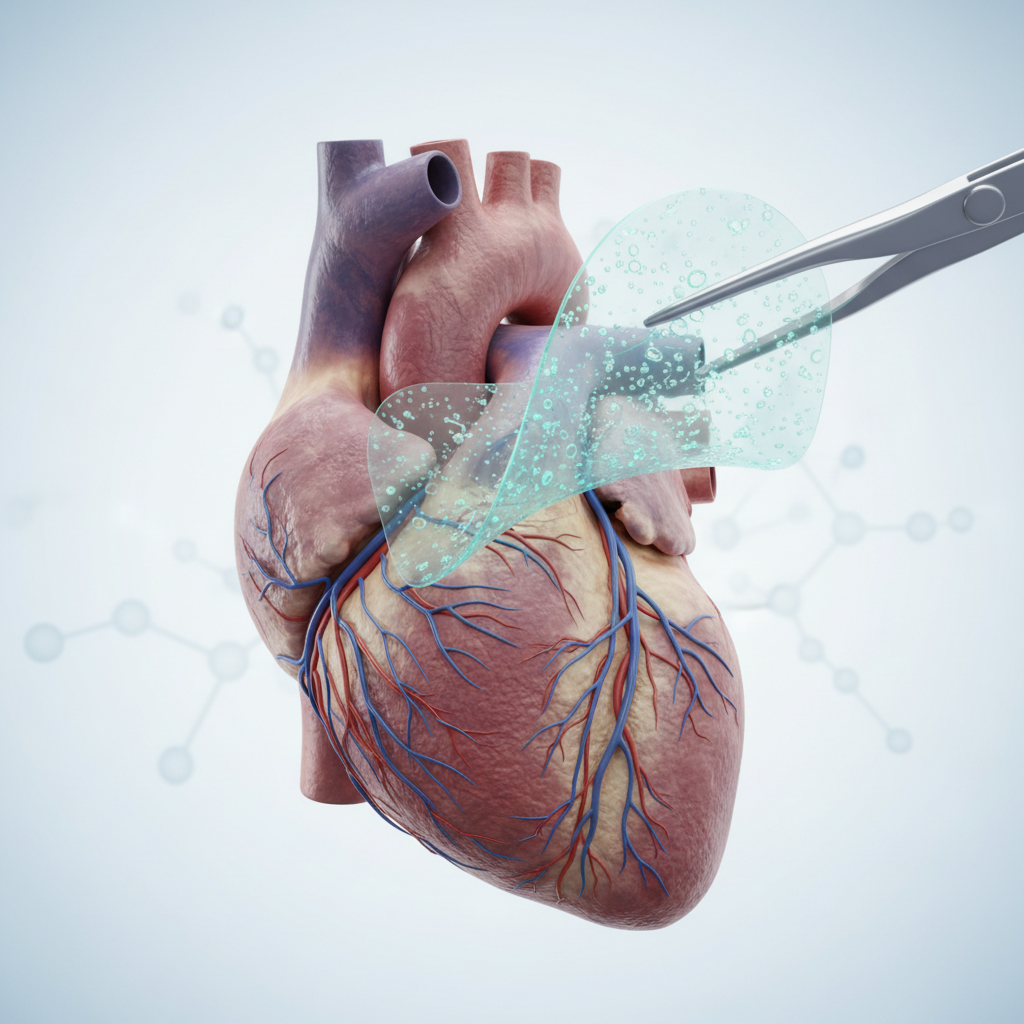
One of the greatest challenges is retention. When cells are injected into a beating heart, up to 90% can be washed away by blood flow within hours. New strategies involve hydrogel scaffolds and cardiac patches that anchor cells to the epicardium to improve engraftment rates.

Made byBobr AI

Clinical Trial Landscape

Clinical interest in stem cell therapy has surged. While early trials showed safety, Phase III efficacy trials are now focusing on optimizing cell types (MSCs vs. Cardiac Progenitors) to maximize ejection fraction improvements.

Chart
Made byBobr AI

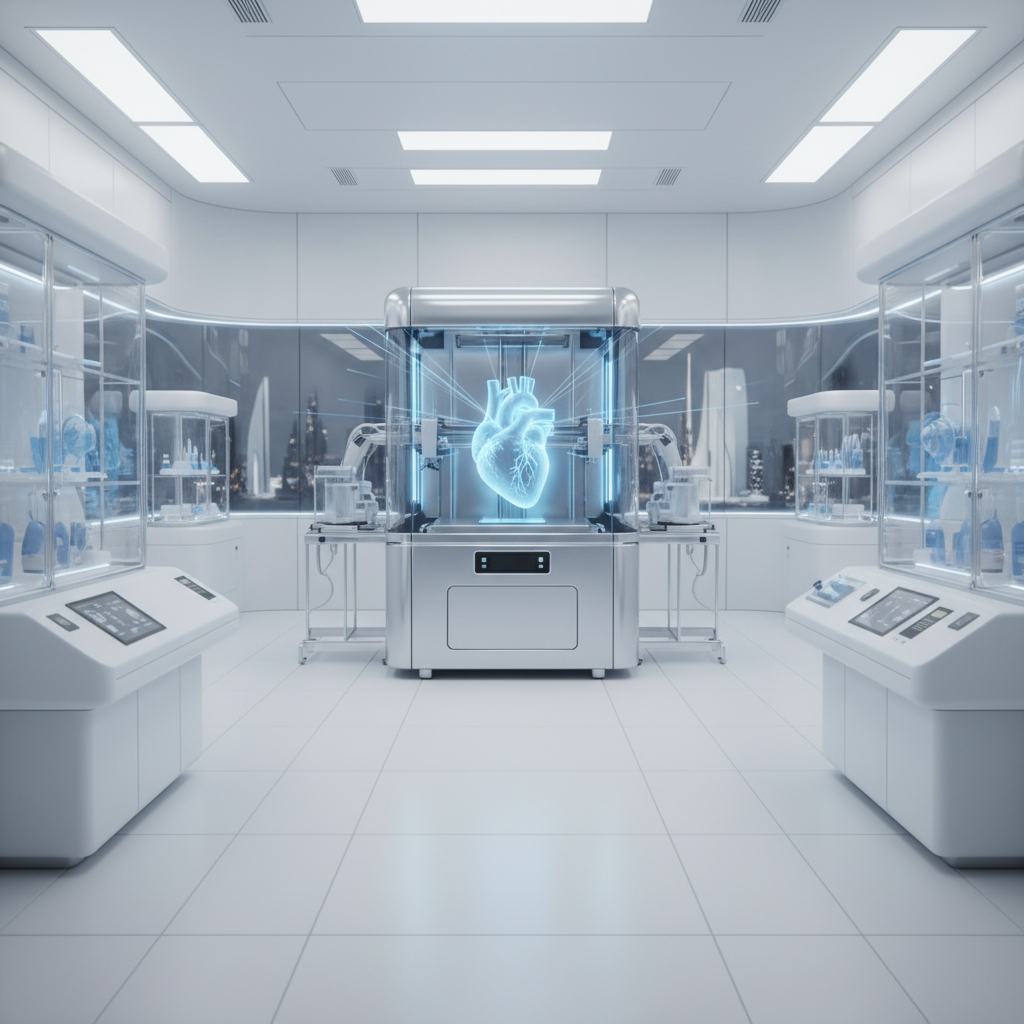
The Future: Bioengineered Hearts

Made byBobr AI

Summary & Outlook

• Potential: Stem cells offer the first restorative therapy for heart failure.
• Progress: Moving from basic injection to sophisticated 3D scaffolds and patches.
• Safety: iPSC advances are mitigating risks of rejection and arrhythmia.
Made byBobr AI
Bobr AI

DESIGNER-MADE
PRESENTATION,
GENERATED FROM
YOUR PROMPT

Create your own professional slide deck with real images, data charts, and unique design in under a minute.

Generate For Free

Stem Cell Applications for Cardiovascular Disease

Explore how stem cells are used to regenerate heart tissue, including mechanisms of action, MSC and iPSC types, and the future of bioengineered hearts.

Regenerating the Heart

Stem Cell Applications in Cardiovascular Disease

Understanding Stem Cells

Stem cells serve as the body's raw materials—cells from which all other cells with specialized functions are generated. In cardiology, their unique ability to self-renew and differentiate into cardiomyocytes (heart muscle cells) offers a revolutionary approach to repairing damaged heart tissue that essentially cannot heal itself.

The Global Burden of CVD

Cardiovascular diseases (CVDs) are the leading cause of death globally. While current pharmacological and surgical interventions manage symptoms and extend life, they often fail to replace the lost cardiomyocytes after a myocardial infarction (heart attack).

Mechanisms of Action

Direct Differentiation: Stem cells transform into new cardiomyocytes and vascular cells.

Paracrine Signaling: Secreting growth factors and cytokines that promote healing.

Angiogenesis: Promoting the formation of new blood vessels to re-oxygenate tissue.

Immune Modulation: Reducing inflammation and preventing further scar tissue formation.

Key Stem Cell Types

Two primary types dominate cardiac research: Mesenchymal Stem Cells (MSCs), derived from bone marrow or adipose tissue, are known for their safety and paracrine effects. Induced Pluripotent Stem Cells (iPSCs), reprogrammed from adult cells, offer the ability to differentiate into patient-specific heart muscle cells, reducing rejection risk.

The goal is not just to survive a heart attack, but to repair the scar tissue and restore the heart's full mechanical function.

Current Research Philosophy in Regenerative Medicine

Overcoming Delivery Hurdles

One of the greatest challenges is retention. When cells are injected into a beating heart, up to 90% can be washed away by blood flow within hours. New strategies involve hydrogel scaffolds and cardiac patches that anchor cells to the epicardium to improve engraftment rates.

Clinical Trial Landscape

Clinical interest in stem cell therapy has surged. While early trials showed safety, Phase III efficacy trials are now focusing on optimizing cell types (MSCs vs. Cardiac Progenitors) to maximize ejection fraction improvements.

The Future: Bioengineered Hearts

Summary & Outlook

Potential: Stem cells offer the first restorative therapy for heart failure.

Progress: Moving from basic injection to sophisticated 3D scaffolds and patches.

Safety: iPSC advances are mitigating risks of rejection and arrhythmia.

  • regenerative-medicine
  • stem-cells
  • cardiology
  • heart-disease
  • biotechnology
  • clinical-trials