
Made byBobr AI

Stem Cell Therapy for Ischemic Heart Disease | 2026 Research

Explore stem cell applications in cardiovascular disease. Learn about isolation protocols, clinical efficacy, LVEF improvement, and heart tissue regeneration.

#stem-cell-therapy#cardiovascular-disease#ischemic-heart-disease#regenerative-medicine#medical-research#cardiology
Watch
Pitch

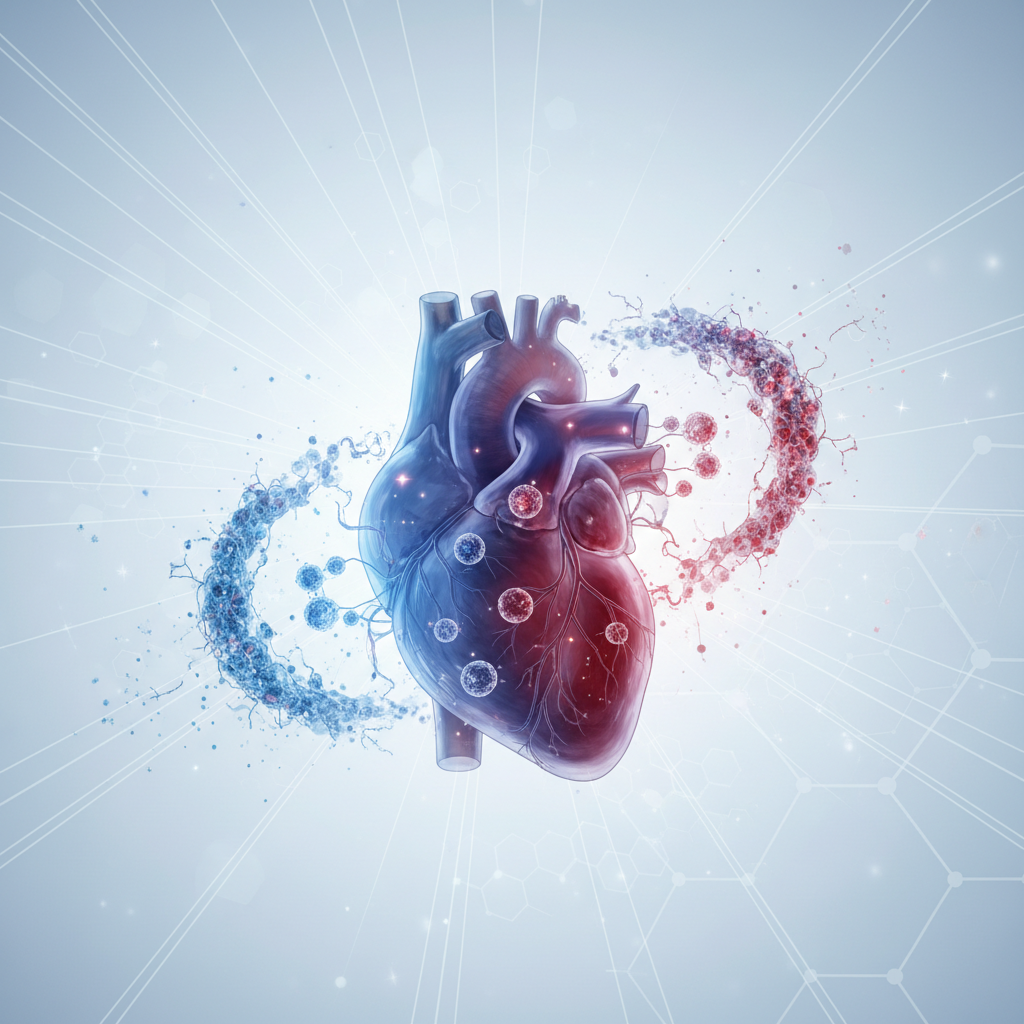
Stem Cell Applications in Cardiovascular Disease

Protocols, Isolation, and Efficacy in Ischemic Heart Disease (IHD)

Medical Research Overview | 2026

Made byBobr AI

What Are Stem Cells?

Stem cells are undifferentiated biological cells defined by three key properties: self-renewal (dividing to make identical copies), clonogenicity (ability to form clones), and multipotentiality (capability to differentiate into specialized cell types). In the context of the heart, they can transform into cardiomyocytes, endothelial cells, smooth muscle cells, and fibroblasts.

Made byBobr AI

Types of Stem Cells for Heart Repair

  • Cardiac Stem Cells (CSCs): Tissue-specific residents, often identified as c-kit positive cells.
  • Bone Marrow-Derived Cells (BMCs): Includes CD34+ hematopoietic stem cells mobilized for repair.
  • Induced Pluripotent Stem Cells (iPSCs): Reprogrammed adult cells capable of differentiating into cardiac lineages.
  • Mesenchymal Stem Cells (MSCs): Sourced from marrow or adipose tissue, known for immunomodulation.
Made byBobr AI

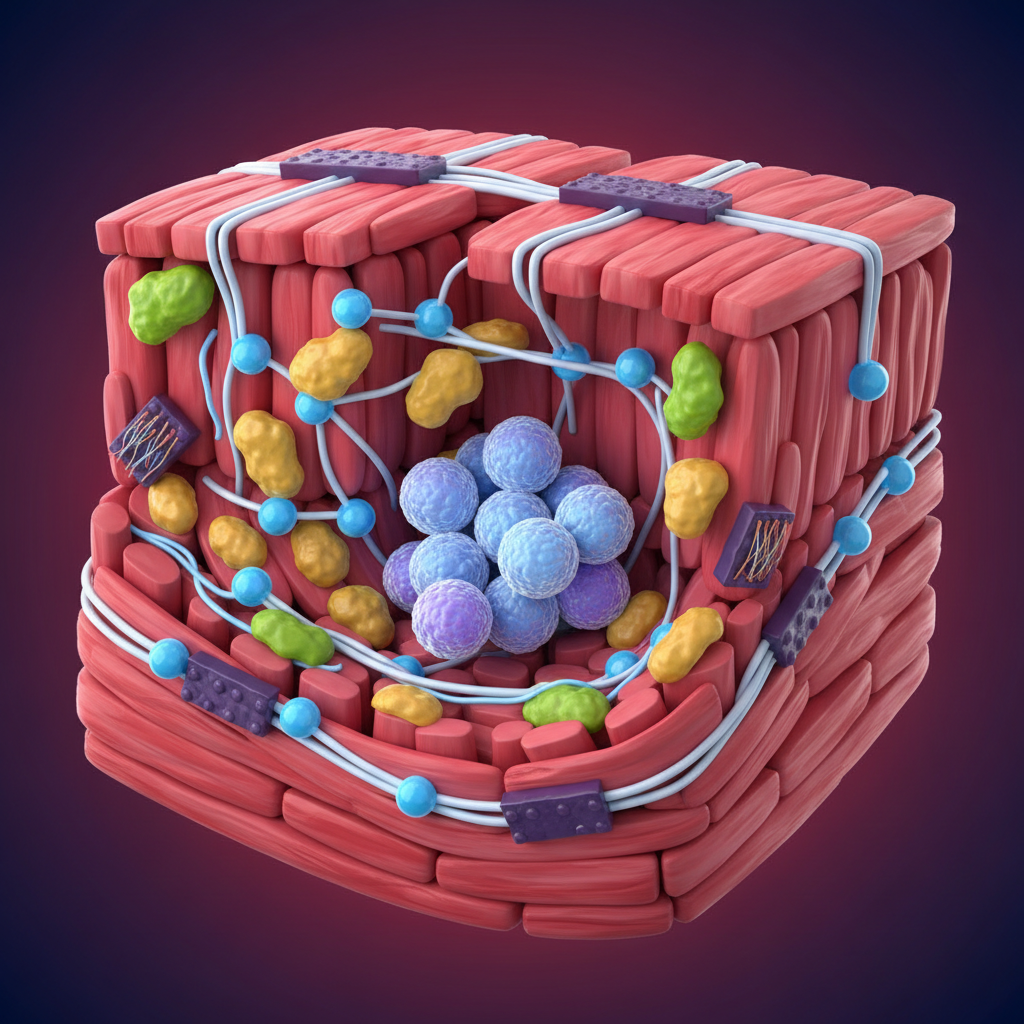
The Cardiac Niche

Stem cells reside in specific microenvironments known as 'niches'. Within the heart, these niches regulate the turnover of cardiomyocytes. The cells are structurally connected via gap and adherens junctions, allowing for electrical and mechanical integration essential for synchronized heart function.

Made byBobr AI

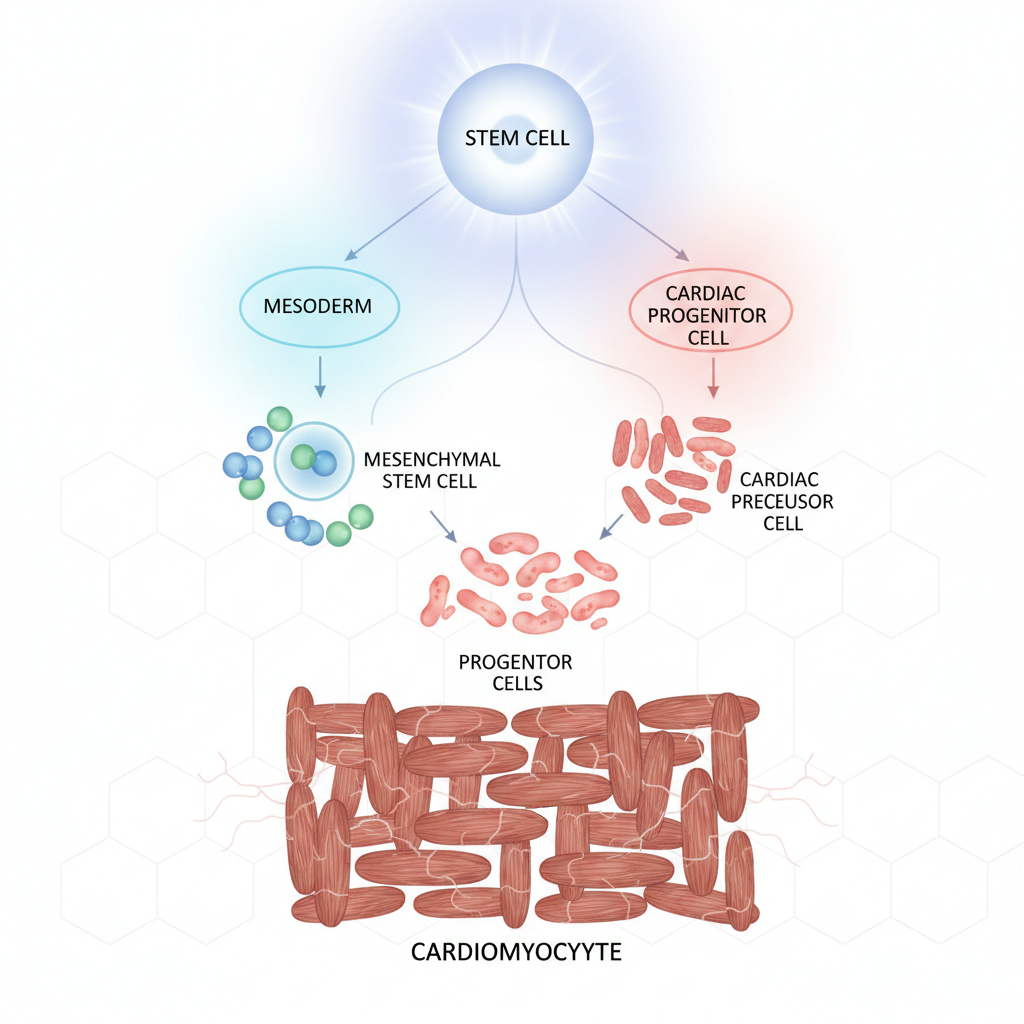
Mechanisms of Action

Stem cells operate via hierarchical regeneration: progressing from stem cells to progenitor cells, then amplifying cells, and finally terminally differentiated myocytes. Key mechanisms include direct differentiation into heart muscle and vessels, improvement of mechanical/electrical properties, and paracrine signaling to reduce stress.

Made byBobr AI

Focus Disease: Ischemic Heart Disease (IHD)

Pathology and Regenerative Need

Made byBobr AI

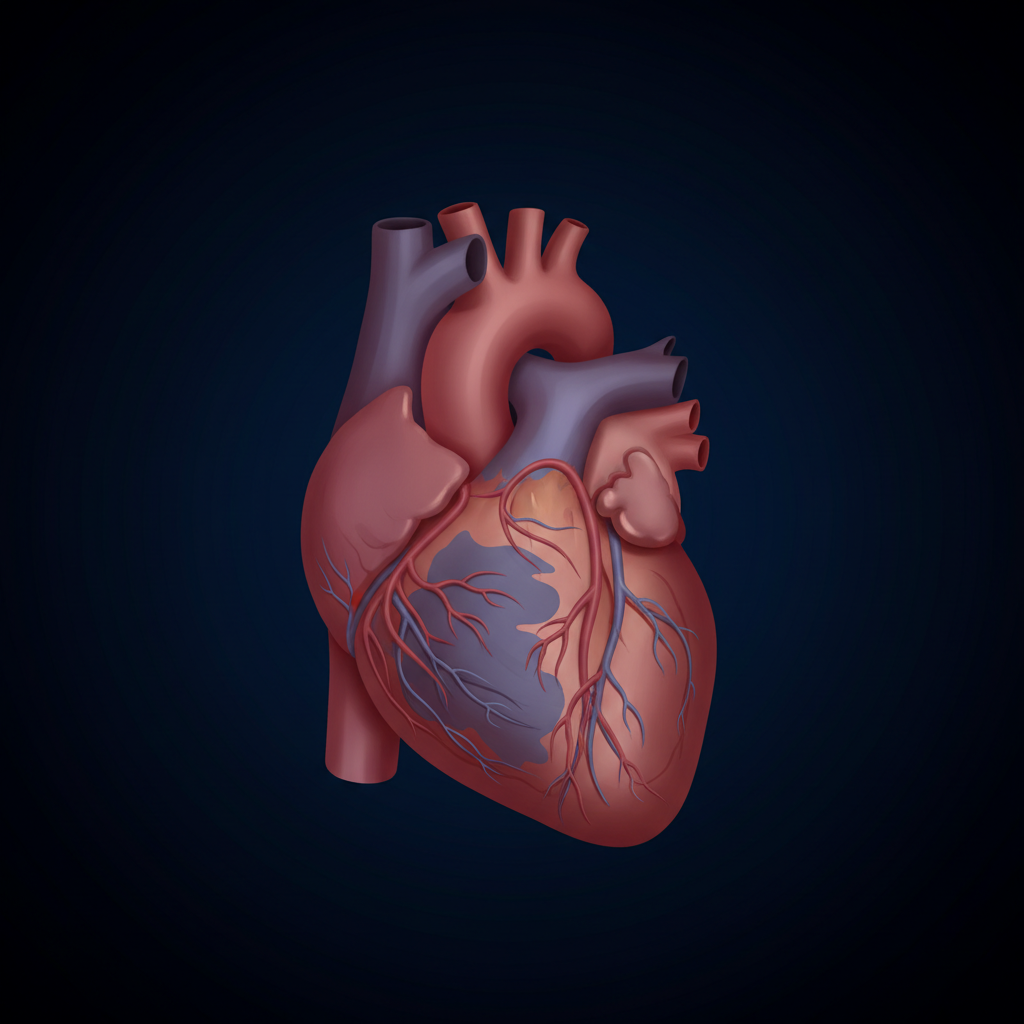
IHD Pathophysiology

Atherosclerosis leads to reduced coronary blood flow and oxygenation.
Prolonged ischemia causes cardiomyocyte death and ventricular dysfunction.
Conventional treatments manage symptoms but do not replace dead tissue.
Inflammation triggers the release of homing signals like SDF-1 and VEGF, attracting stem cells.
Made byBobr AI

In Ischemic Heart Disease, stem cells aim to reduce infarct size and fibrosis while improving Left Ventricular Ejection Fraction (LVEF) through angiogenesis and vasculogenesis.

Therapeutic Benefits

Made byBobr AI

Clinical Efficacy: LVEF Improvement

Clinical data indicates that stem cell therapy can significantly improve heart function. This chart illustrates a typical improvement in Left Ventricular Ejection Fraction (LVEF) comparing baseline measurements to 6-month post-treatment follow-ups in IHD patients.

Chart
Made byBobr AI

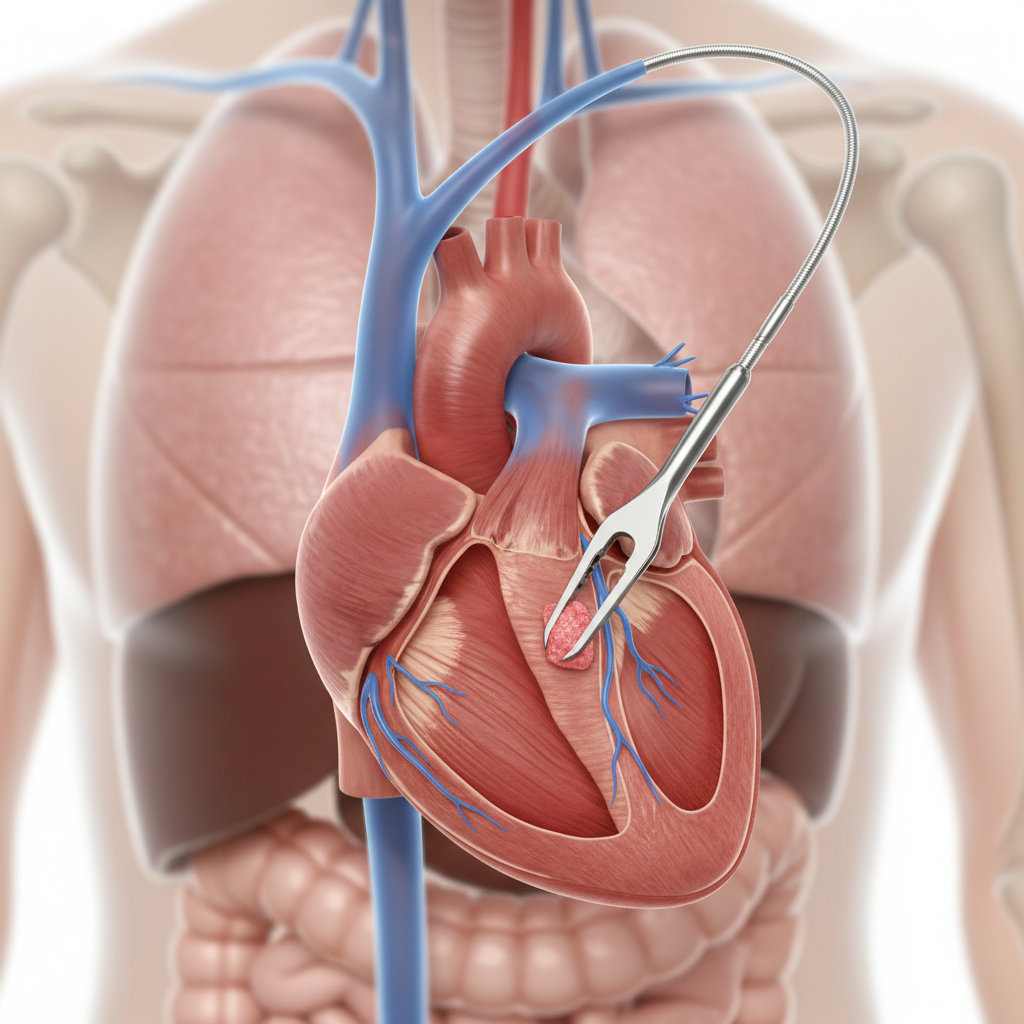
Isolation: Cardiac Biopsy Protocol

For cardiac-derived stem cells, tissue is obtained via endomyocardial biopsy. Small samples are harvested, typically from the right ventricular septum. These samples contain resident CSCs (c-kit positive) which are then enzymatically dissociated and expanded in a laboratory setting.

Made byBobr AI

Isolation: Bone Marrow Protocol (CD34+)

Less invasive than cardiac biopsy; uses apheresis to collect peripheral blood mononuclear cells.
Patients may receive G-CSF (Granulocyte-Colony Stimulating Factor) to mobilize stem cells from marrow into the bloodstream.
CD34+ cells are isolated using magnetic bead selection (MACS) or fluorescence-activated cell sorting (FACS).
These cells naturally home to sites of inflammation and ischemia.
Made byBobr AI

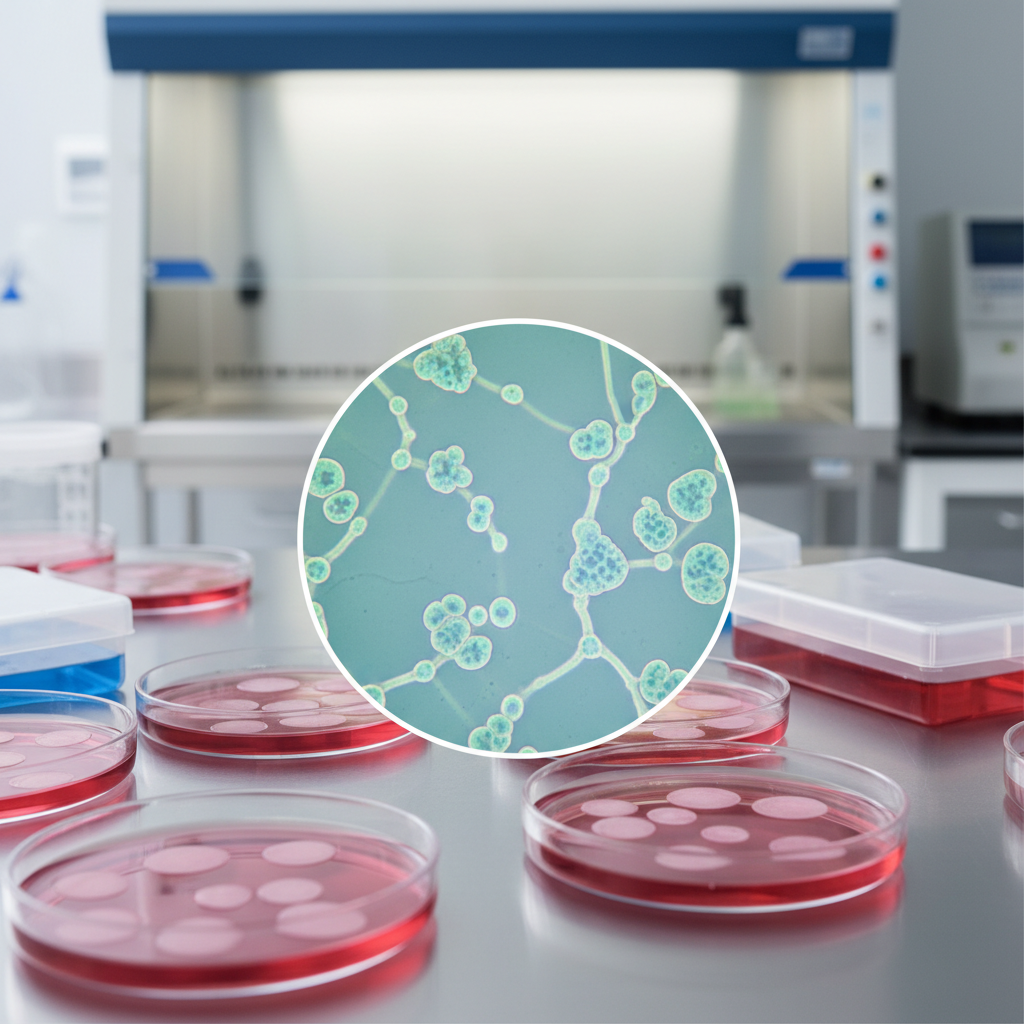
Laboratory Expansion

Once isolated, stem cells undergo in vitro expansion. The culture environment mimics the physiological niche to maintain stemness while encouraging proliferation. This involves specialized media, hypoxia chambers, and strict quality control to ensure cells retain their regenerative potential before delivery.

Made byBobr AI

Differentiation Protocols

Cells are guided to specific lineages using growth factor cocktails (e.g., VEGF, FGF).

Cardiogenic differentiation produces cells with contractile properties.

Vascular differentiation promotes formation of endothelial cells for angiogenesis.

iPSCs require careful reprogramming to avoid teratoma formation before usage.

Made byBobr AI

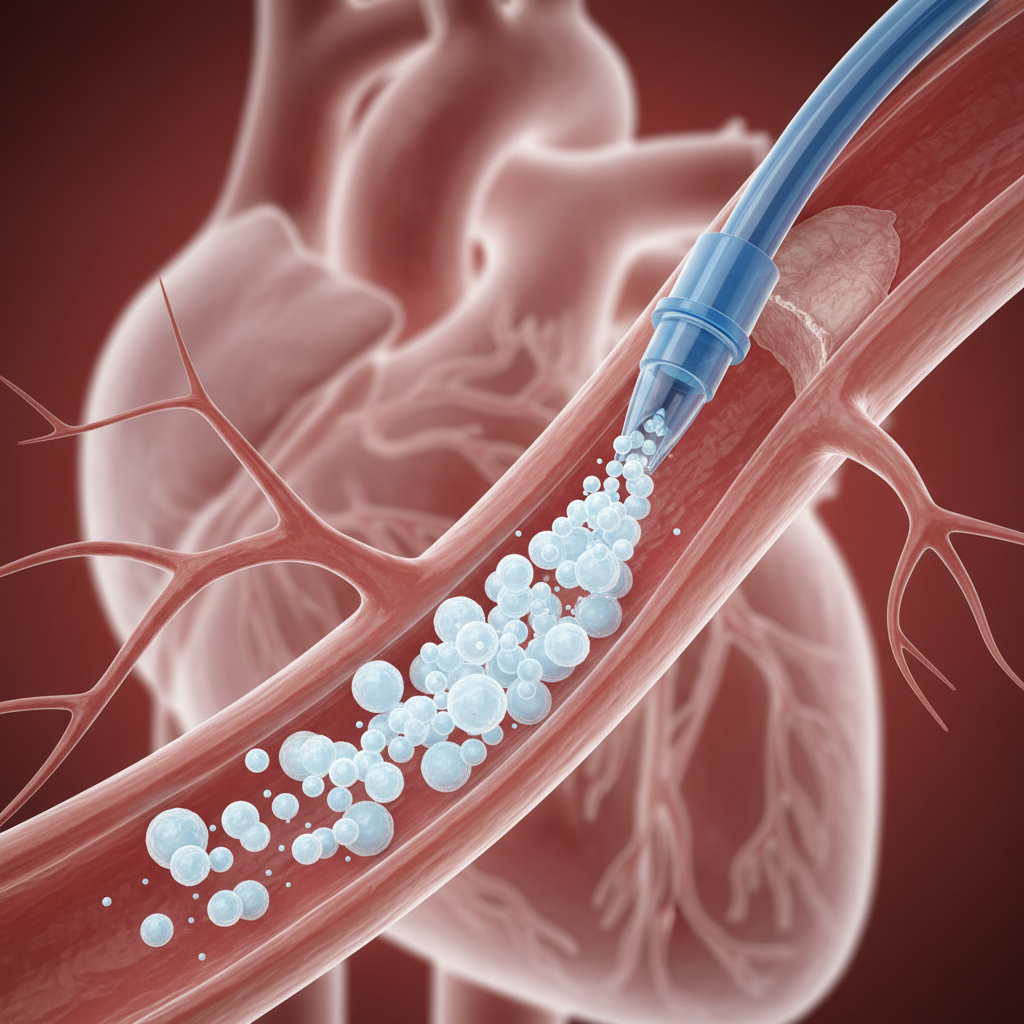
Delivery: Intracoronary Infusion

This method involves infusing stem cells directly into the coronary artery supplying the infarcted area using an over-the-wire balloon catheter. It relies on the biological 'homing' signals (chemotaxis) released by the damaged tissue to attract the stem cells from the bloodstream into the myocardium.

Made byBobr AI

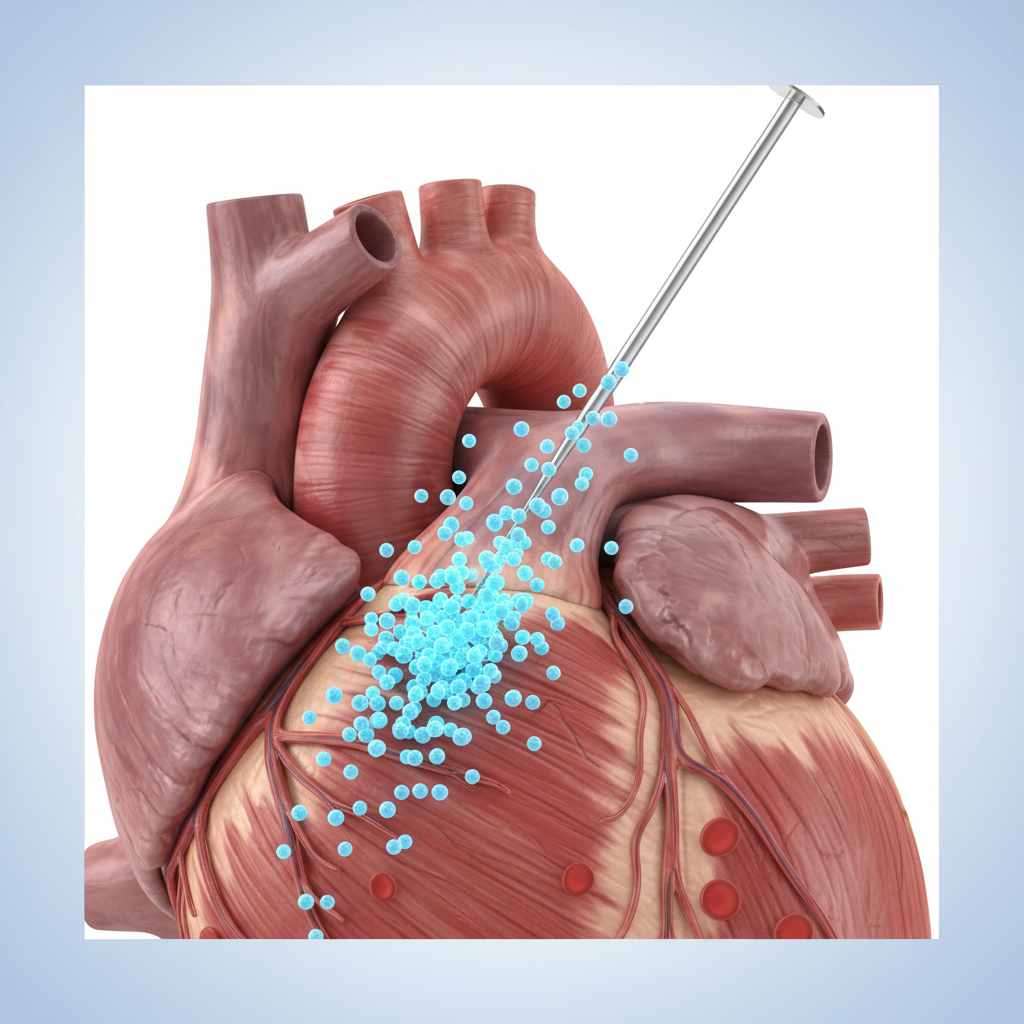
Delivery: Intramyocardial Injection

Considered superior for IHD, this method utilizes an electromechanical mapping catheter to inject cells directly into the transition zone between healthy and scarred tissue (transendocardial). This ensures localized retention of cells where they are most needed, bypassing the need for homing.

Made byBobr AI

Clinical Protocol Overview

  • Phase 1: Diagnosis and baseline imaging (MRI/Echo) to map infarct.
  • Phase 2: Cell Harvesting (BM or Biopsy) followed by purification/expansion.
  • Phase 3: Delivery via NOGA mapping (electromechanical) or catheter.
  • Phase 4: Follow-up monitoring for arrhythmias and functional improvement.
Made byBobr AI

Reduction in Scar Tissue Mass

Beyond functional improvement, a key objective is correcting structural damage. Clinical trials observe a reduction in infarct size (scar tissue mass) in treated groups compared to controls, indicating true regeneration rather than just symptom management.
Chart
Made byBobr AI

Challenges and Risks

Arrhythmogenesis: Poor electromechanical coupling between new and old cells can cause irregular heartbeats.
Cell Retention: A large percentage of injected cells may be washed away or die immediately (anoikis).
Age-Related Decline: Autologous stem cells from older patients may have reduced regenerative capacity.
Fibrosis: Breaking down established scar tissue remains biologically difficult.
Made byBobr AI

Recent Advances (2026)

Recent research focuses on enhancing bone marrow cells to better reverse fibrosis and accelerate vessel formation. Additionally, iPSC-derived Cardiac Stem Cells allow for personalized therapy, reducing immune rejection risks. Combining gene editing with stem cell therapy is showing promise in preclinical models to enhance cell survival.

Made byBobr AI

Future Directions in Cardiac Regeneration

Optimizing homing, cellular integration, and scaling protocols for widespread clinical application.

Made byBobr AI
Bobr AI

DESIGNER-MADE
PRESENTATION,
GENERATED FROM
YOUR PROMPT

Create your own professional slide deck with real images, data charts, and unique design in under a minute.

Generate For Free

Stem Cell Therapy for Ischemic Heart Disease | 2026 Research

Explore stem cell applications in cardiovascular disease. Learn about isolation protocols, clinical efficacy, LVEF improvement, and heart tissue regeneration.

Stem Cell Applications in Cardiovascular Disease

Protocols, Isolation, and Efficacy in Ischemic Heart Disease (IHD)

Medical Research Overview | 2026

What Are Stem Cells?

Stem cells are undifferentiated biological cells defined by three key properties: self-renewal (dividing to make identical copies), clonogenicity (ability to form clones), and multipotentiality (capability to differentiate into specialized cell types). In the context of the heart, they can transform into cardiomyocytes, endothelial cells, smooth muscle cells, and fibroblasts.

Types of Stem Cells for Heart Repair

Cardiac Stem Cells (CSCs): Tissue-specific residents, often identified as c-kit positive cells.

Bone Marrow-Derived Cells (BMCs): Includes CD34+ hematopoietic stem cells mobilized for repair.

Induced Pluripotent Stem Cells (iPSCs): Reprogrammed adult cells capable of differentiating into cardiac lineages.

Mesenchymal Stem Cells (MSCs): Sourced from marrow or adipose tissue, known for immunomodulation.

The Cardiac Niche

Stem cells reside in specific microenvironments known as 'niches'. Within the heart, these niches regulate the turnover of cardiomyocytes. The cells are structurally connected via gap and adherens junctions, allowing for electrical and mechanical integration essential for synchronized heart function.

Mechanisms of Action

Stem cells operate via hierarchical regeneration: progressing from stem cells to progenitor cells, then amplifying cells, and finally terminally differentiated myocytes. Key mechanisms include direct differentiation into heart muscle and vessels, improvement of mechanical/electrical properties, and paracrine signaling to reduce stress.

Focus Disease: Ischemic Heart Disease (IHD)

Pathology and Regenerative Need

IHD Pathophysiology

Atherosclerosis leads to reduced coronary blood flow and oxygenation.

Prolonged ischemia causes cardiomyocyte death and ventricular dysfunction.

Conventional treatments manage symptoms but do not replace dead tissue.

Inflammation triggers the release of homing signals like SDF-1 and VEGF, attracting stem cells.

In Ischemic Heart Disease, stem cells aim to reduce infarct size and fibrosis while improving Left Ventricular Ejection Fraction (LVEF) through angiogenesis and vasculogenesis.

Therapeutic Benefits

Clinical Efficacy: LVEF Improvement

Clinical data indicates that stem cell therapy can significantly improve heart function. This chart illustrates a typical improvement in Left Ventricular Ejection Fraction (LVEF) comparing baseline measurements to 6-month post-treatment follow-ups in IHD patients.

Isolation: Cardiac Biopsy Protocol

For cardiac-derived stem cells, tissue is obtained via endomyocardial biopsy. Small samples are harvested, typically from the right ventricular septum. These samples contain resident CSCs (c-kit positive) which are then enzymatically dissociated and expanded in a laboratory setting.

Isolation: Bone Marrow Protocol (CD34+)

Less invasive than cardiac biopsy; uses apheresis to collect peripheral blood mononuclear cells.

Patients may receive G-CSF (Granulocyte-Colony Stimulating Factor) to mobilize stem cells from marrow into the bloodstream.

CD34+ cells are isolated using magnetic bead selection (MACS) or fluorescence-activated cell sorting (FACS).

These cells naturally home to sites of inflammation and ischemia.

Laboratory Expansion

Once isolated, stem cells undergo in vitro expansion. The culture environment mimics the physiological niche to maintain stemness while encouraging proliferation. This involves specialized media, hypoxia chambers, and strict quality control to ensure cells retain their regenerative potential before delivery.

Differentiation Protocols

Cells are guided to specific lineages using growth factor cocktails (e.g., VEGF, FGF).

Cardiogenic differentiation produces cells with contractile properties.

Vascular differentiation promotes formation of endothelial cells for angiogenesis.

iPSCs require careful reprogramming to avoid teratoma formation before usage.

Delivery: Intracoronary Infusion

This method involves infusing stem cells directly into the coronary artery supplying the infarcted area using an over-the-wire balloon catheter. It relies on the biological 'homing' signals (chemotaxis) released by the damaged tissue to attract the stem cells from the bloodstream into the myocardium.

Delivery: Intramyocardial Injection

Considered superior for IHD, this method utilizes an electromechanical mapping catheter to inject cells directly into the transition zone between healthy and scarred tissue (transendocardial). This ensures localized retention of cells where they are most needed, bypassing the need for homing.

Clinical Protocol Overview

Phase 1: Diagnosis and baseline imaging (MRI/Echo) to map infarct.

Phase 2: Cell Harvesting (BM or Biopsy) followed by purification/expansion.

Phase 3: Delivery via NOGA mapping (electromechanical) or catheter.

Phase 4: Follow-up monitoring for arrhythmias and functional improvement.

Reduction in Scar Tissue Mass

Beyond functional improvement, a key objective is correcting structural damage. Clinical trials observe a reduction in infarct size (scar tissue mass) in treated groups compared to controls, indicating true regeneration rather than just symptom management.

Challenges and Risks

Arrhythmogenesis: Poor electromechanical coupling between new and old cells can cause irregular heartbeats.

Cell Retention: A large percentage of injected cells may be washed away or die immediately (anoikis).

Age-Related Decline: Autologous stem cells from older patients may have reduced regenerative capacity.

Fibrosis: Breaking down established scar tissue remains biologically difficult.

Recent Advances (2026)

Recent research focuses on enhancing bone marrow cells to better reverse fibrosis and accelerate vessel formation. Additionally, iPSC-derived Cardiac Stem Cells allow for personalized therapy, reducing immune rejection risks. Combining gene editing with stem cell therapy is showing promise in preclinical models to enhance cell survival.

Future Directions in Cardiac Regeneration

Optimizing homing, cellular integration, and scaling protocols for widespread clinical application.

  • stem-cell-therapy
  • cardiovascular-disease
  • ischemic-heart-disease
  • regenerative-medicine
  • medical-research
  • cardiology