


Understanding Food Allergenicity: Symptoms and Prevention
Learn to distinguish between food allergies and intolerance. Explore the top 9 allergens, immunological mechanisms, anaphylaxis signs, and safety strategies.
Food Allergenicity
Understanding Symptoms, Mechanisms, and Prevention Strategies
Allergy vs. Intolerance
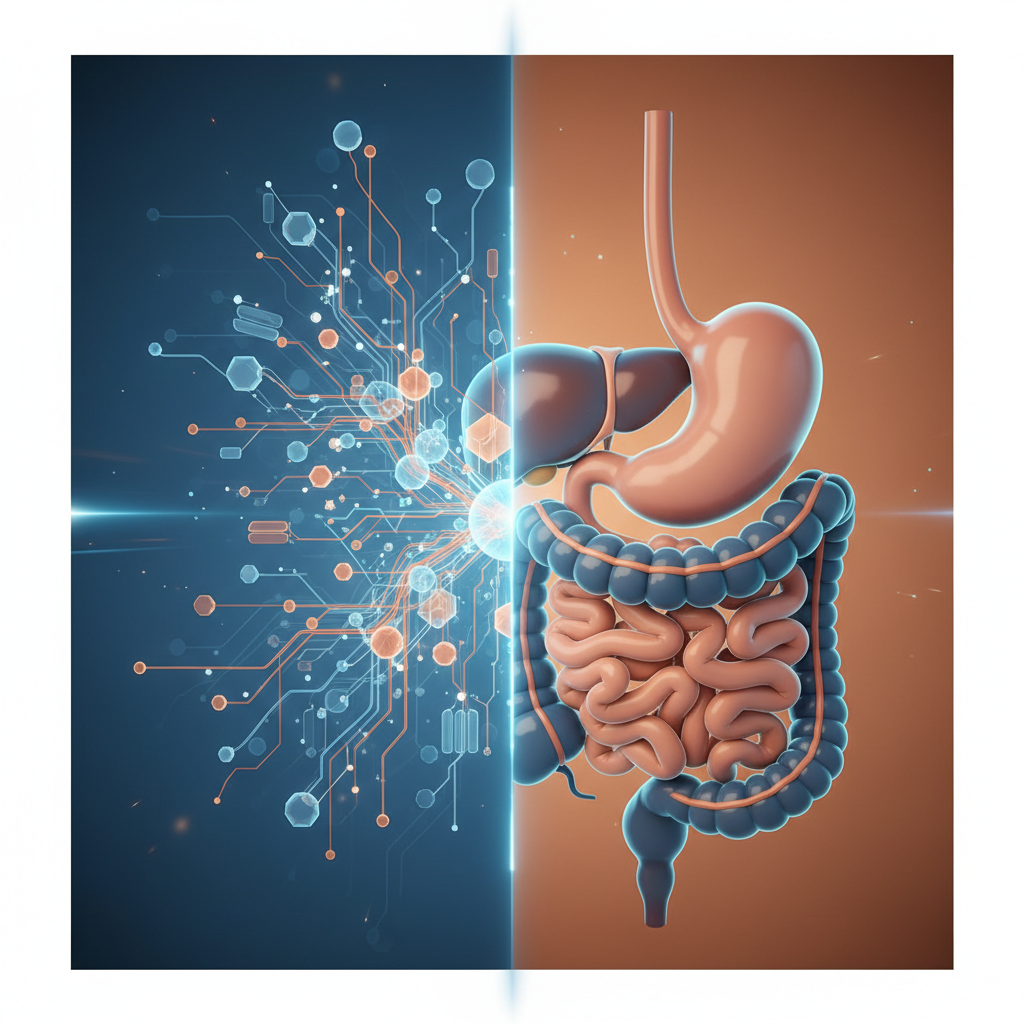
It is crucial to distinguish between a food allergy and food intolerance. A food allergy involves the immune system, specifically the IgE antibodies, causing a potentially dangerous reaction. Food intolerance, conversely, generally affects the digestive system and is less severe, often involving an inability to break down specific foods (e.g., lactose intolerant).
The Major Food Allergens
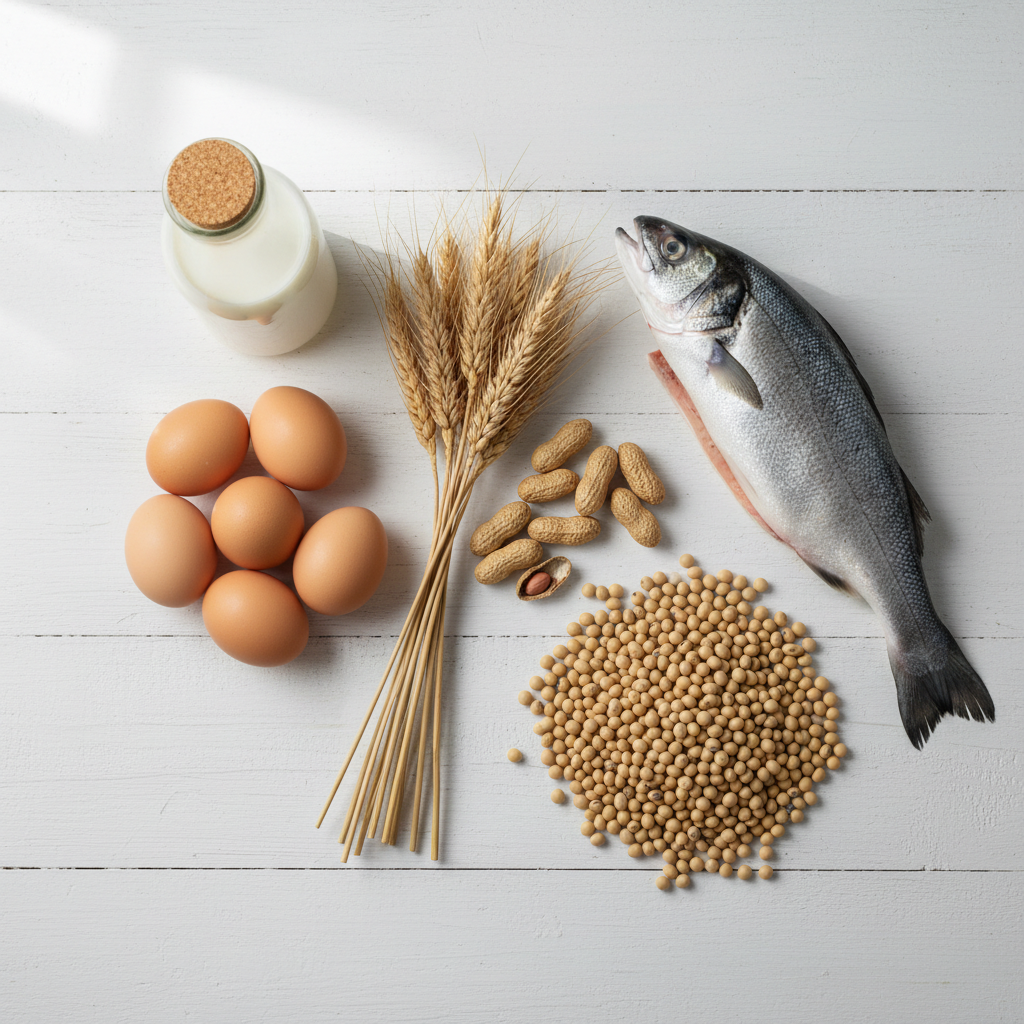
While any food can cause an allergy, these 9 foods account for the majority of serious allergic reactions:
Milk and Dairy Products
Eggs
Fish and Crustacean Shellfish
Tree Nuts (Almonds, Walnuts, Pecans)
Peanuts
Wheat and Soy
Sesame (Added to major allergens list in 2023)
The Immunological Mechanism
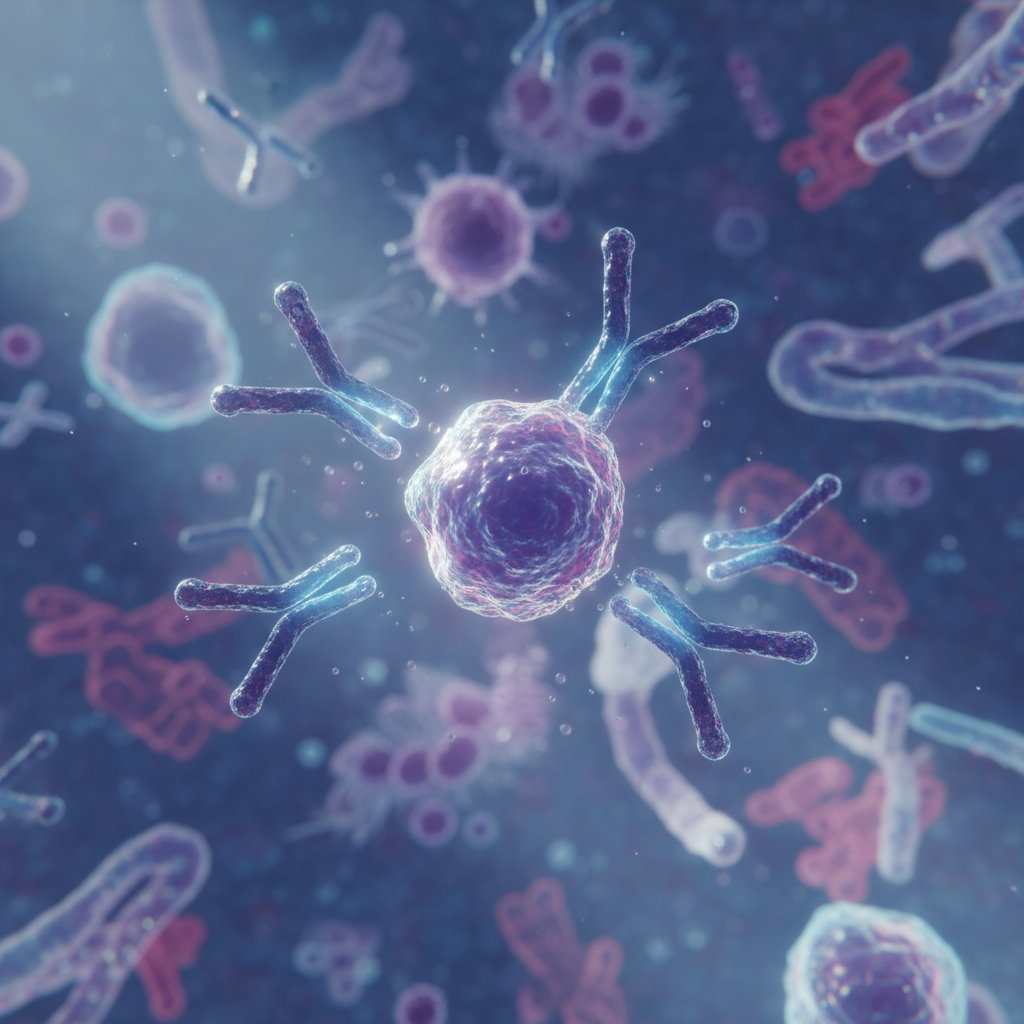
The immune system identifies a food protein as a threat. In response, it produces Immunoglobulin E (IgE) antibodies. When the individual eats the food again, the allergen binds to these IgE antibodies, which are attached to mast cells. This triggers a massive release of chemicals like histamine, causing an allergic reaction.
Recognizing Symptoms
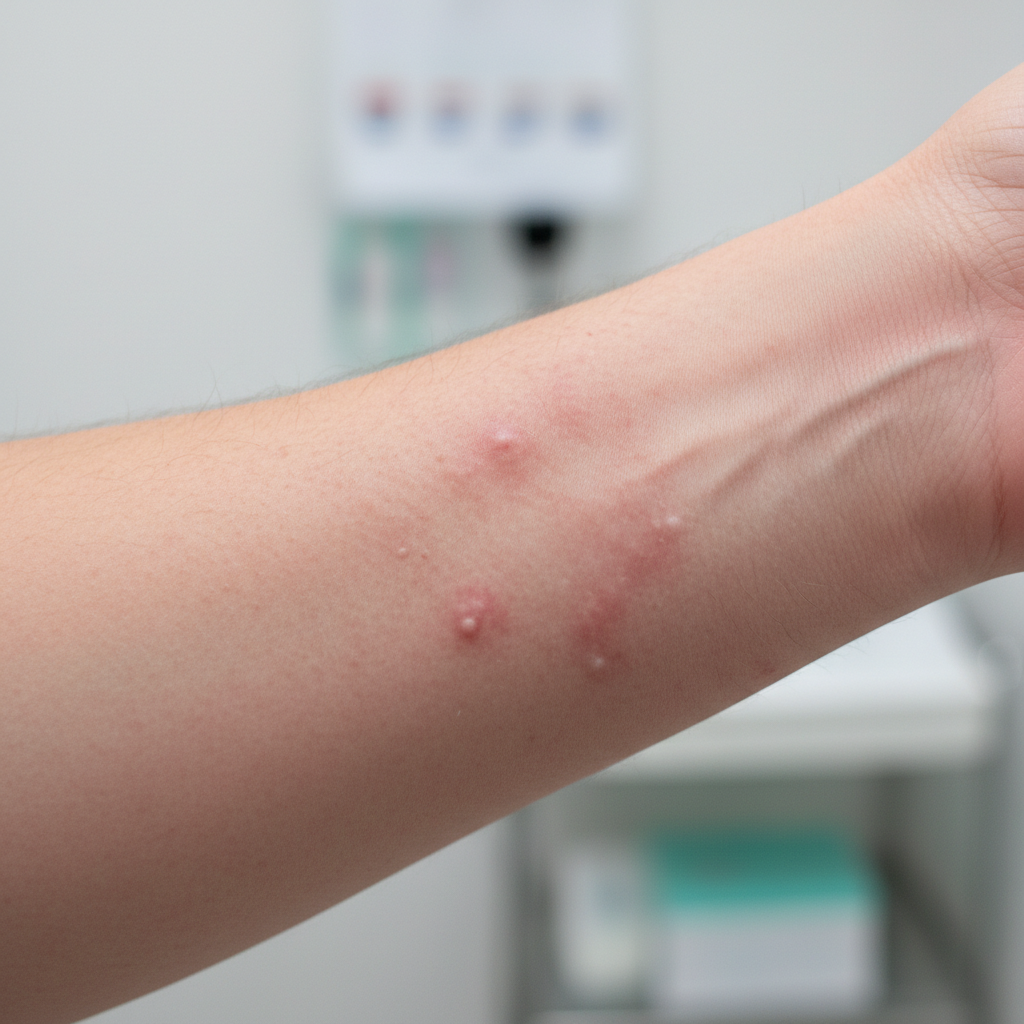
Symptoms typically appear within minutes to two hours after eating. Reactions can range from mild to severe and include skin issues (hives, eczema, redness), gastrointestinal discomfort (nausea, vomiting, pain), and respiratory problems (sneezing, nasal congestion).
Anaphylaxis: A Medical Emergency
Anaphylaxis is a severe, potentially life-threatening reaction that requires immediate medical attention.
Constriction and tightening of the airways
Swollen throat or sensation of a lump in the throat making it difficult to breathe
Severe drop in blood pressure (shock)
Rapid pulse, dizziness, lightheadedness, or loss of consciousness
Diagnostic Methods
Diagnosis usually begins with a detailed medical history. Allergists may utilize a Skin Prick Test, where a small amount of liquid allergen is placed on the skin, or specific IgE Blood Tests. In some cases, an Oral Food Challenge is conducted under strict medical supervision to confirm the allergy.
Prevention: The Power of Labeling
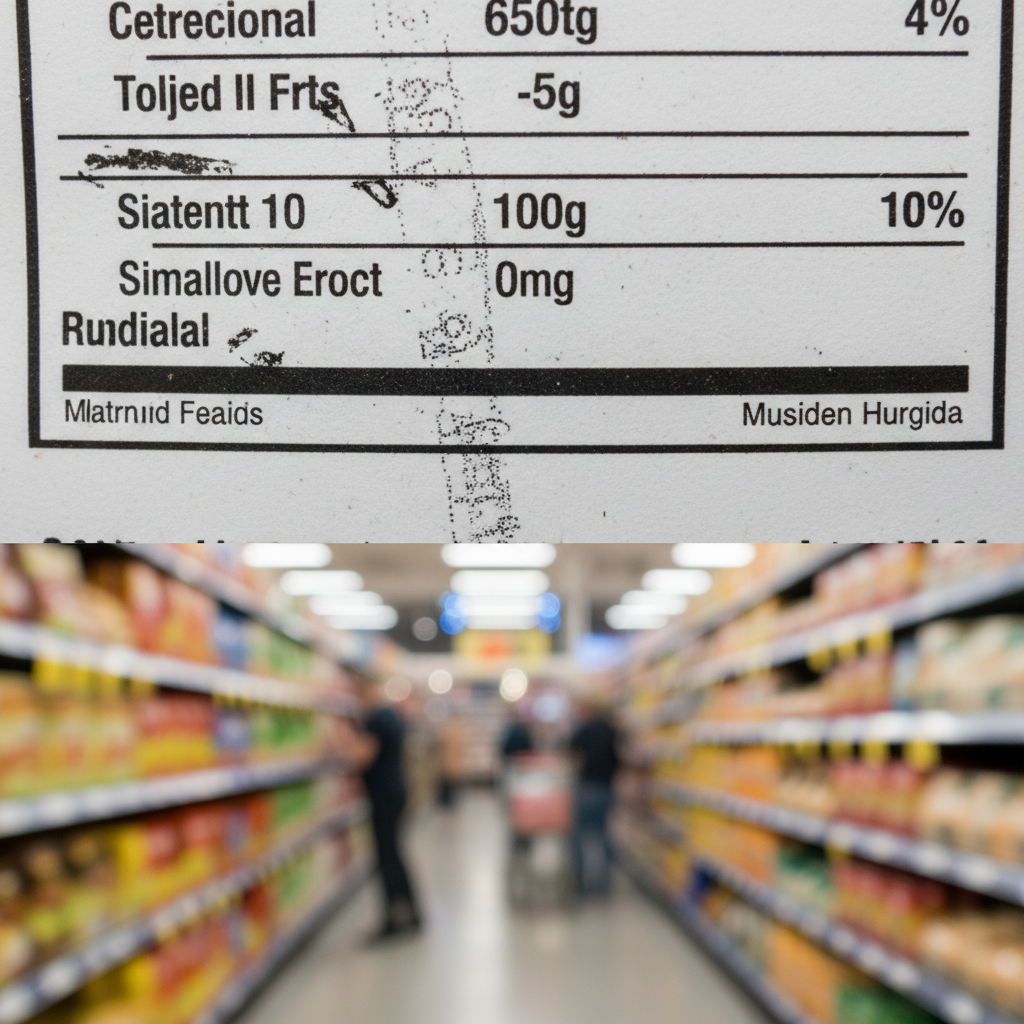
Label reading is the most effective way to prevent reactions. Manufacturers are required to list major allergens clearly. Look for 'Contains' statements (e.g., 'Contains: Soy, Wheat'). Always read the label every time, as ingredients can change without warning.
Avoiding Cross-Contact
Cross-contact happens when a safe food comes into contact with an allergen. Use separate cutting boards, wash hands with soap and water, and clean surfaces thoroughly before cooking.
Treatment: Epinephrine Auto-Injectors
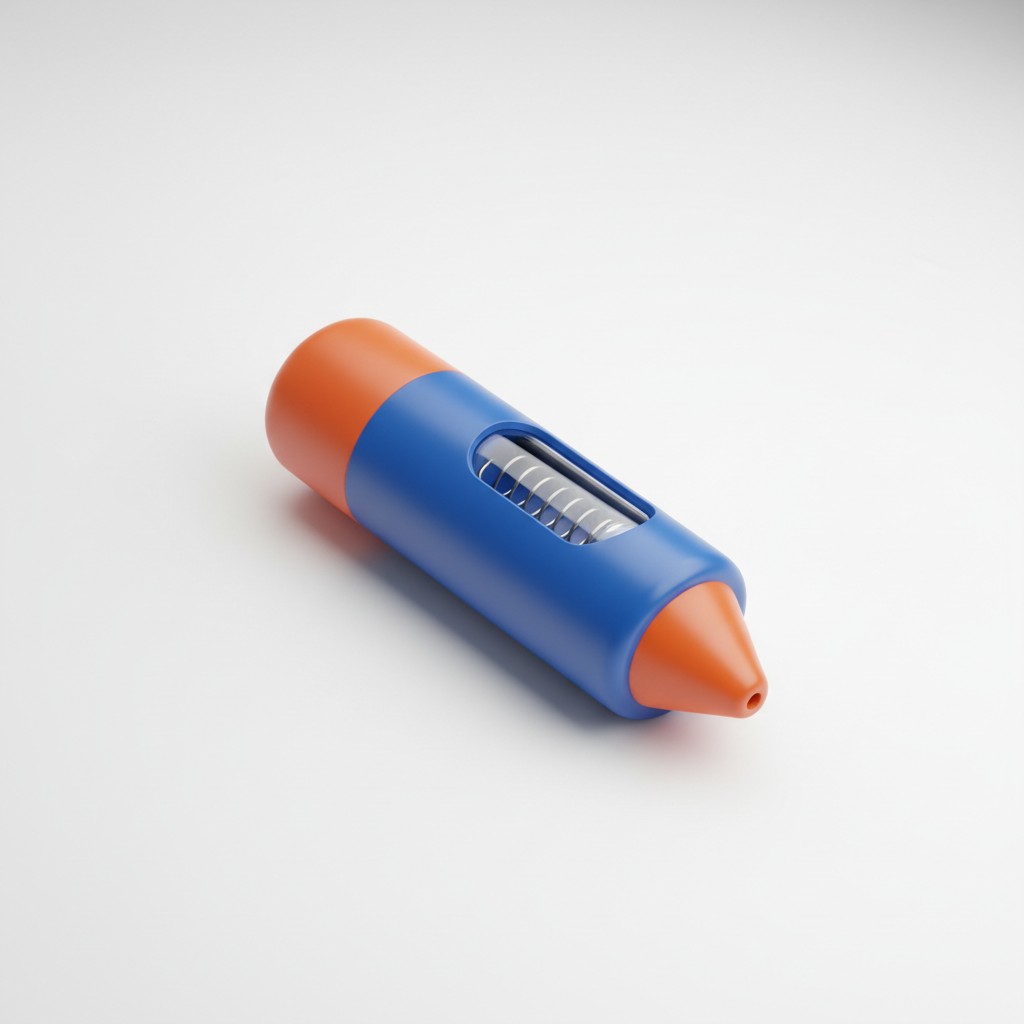
For anaphylaxis, epinephrine is the only effective treatment. It works quickly to improve breathing and stimulate the heart. If prescribed, carry two auto-injectors at all times. Check expiration dates regularly and ensure family members know how to use them.
The finest preventative against food allergy reactions is education, awareness, and preparation.
Food Allergy Safety
- food-allergies
- anaphylaxis-prevention
- food-safety
- allergen-labeling
- ige-antibodies
- health-education