


Made byBobr AI

Food Toxicology & Allergenicity: Hazards and Prevention

Explore the differences between food toxicology and allergenicity, including symptoms of the 'Big 9' allergens and effective prevention strategies.

#food-safety#toxicology#food-allergies#allergen-management#health-and-safety#falcpa
Watch
Pitch

Food Toxicology & Allergenicity

Understanding Hazards, Symptoms, and Prevention Strategies

Made byBobr AI

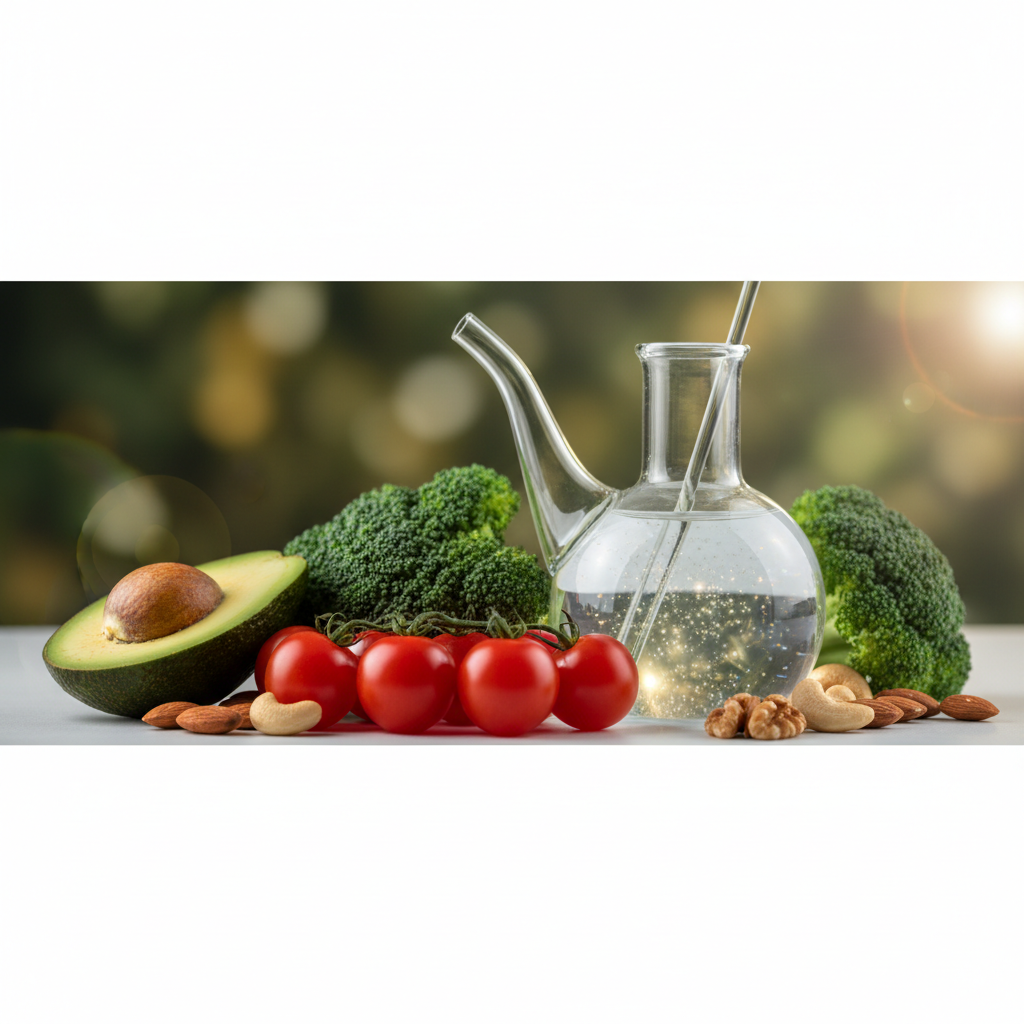
Core Definitions

Food Toxicology: The study of the adverse effects of chemical substances found in food on living organisms. It is dose-dependent.

Food Allergenicity: A hypersensitivity reaction of the immune system to specific food proteins. It is not always dose-dependent; even trace amounts can trigger a reaction.
Made byBobr AI

Classes of Food Toxicants

Endogenous Toxins: Naturally occurring chemicals in plants (e.g., Solanine in green potatoes).

Microbiological Toxins: Produced by bacteria or molds (e.g., Aflatoxins from Aspergillus, Botulinum).

Environmental Contaminants: Pesticides, heavy metals (mercury in fish), and industrial pollutants.

Processing-Induced Toxins: Created during cooking (e.g., Acrylamide in burnt starches).

Made byBobr AI

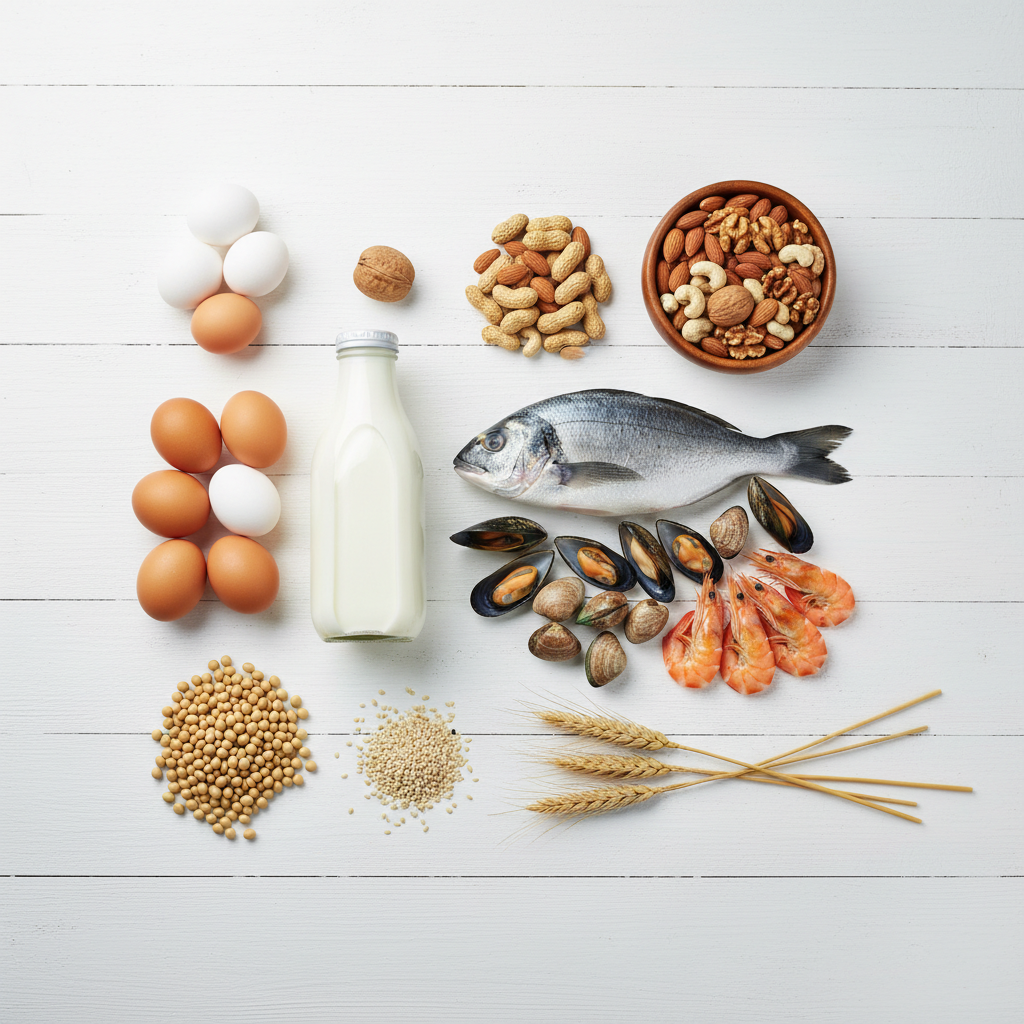
The Major Food Allergens

Responsible for 90% of allergic reactions commonly known as the 'Big 9'

Made byBobr AI

Mechanism of Allergic Reaction

Food allergies are primarily Immunoglobulin E (IgE) mediated.

1. Sensitization: The immune system mistakenly identifies a food protein as harmful and produces specific IgE antibodies.

2. Reaction: Upon re-exposure, the allergen binds to IgE on mast cells, triggering the release of histamine and other chemicals, causing symptoms.
Made byBobr AI

Symptoms: Toxicity vs. Allergy

Toxicological Symptoms

• Gastrointestinal: Nausea, vomiting, diarrhea
• Neurological: Dizziness, headaches, paralysis (botulism)
• Organ Failure: Kidney/liver damage (heavy metals)
• Onset: Can be immediate or delayed

Allergic Symptoms

• Cutaneous: Hives, eczema, swelling (angioedema)
• Respiratory: Wheezing, difficulty breathing
• Systemic: Anaphylaxis (rapid drop in BP)
• Onset: Typically immediate (minutes to 2 hours)
Made byBobr AI

Prevalence of Common Food Allergies in Children

Peanuts and milk remain the most common allergens among children. While some allergies like milk and egg may be outgrown, others like peanut and tree nut allergies often persist into adulthood.

Chart
Made byBobr AI

"The dose makes the poison, but for the allergic individual, the presence creates the peril."

— Food Safety Principles

Made byBobr AI

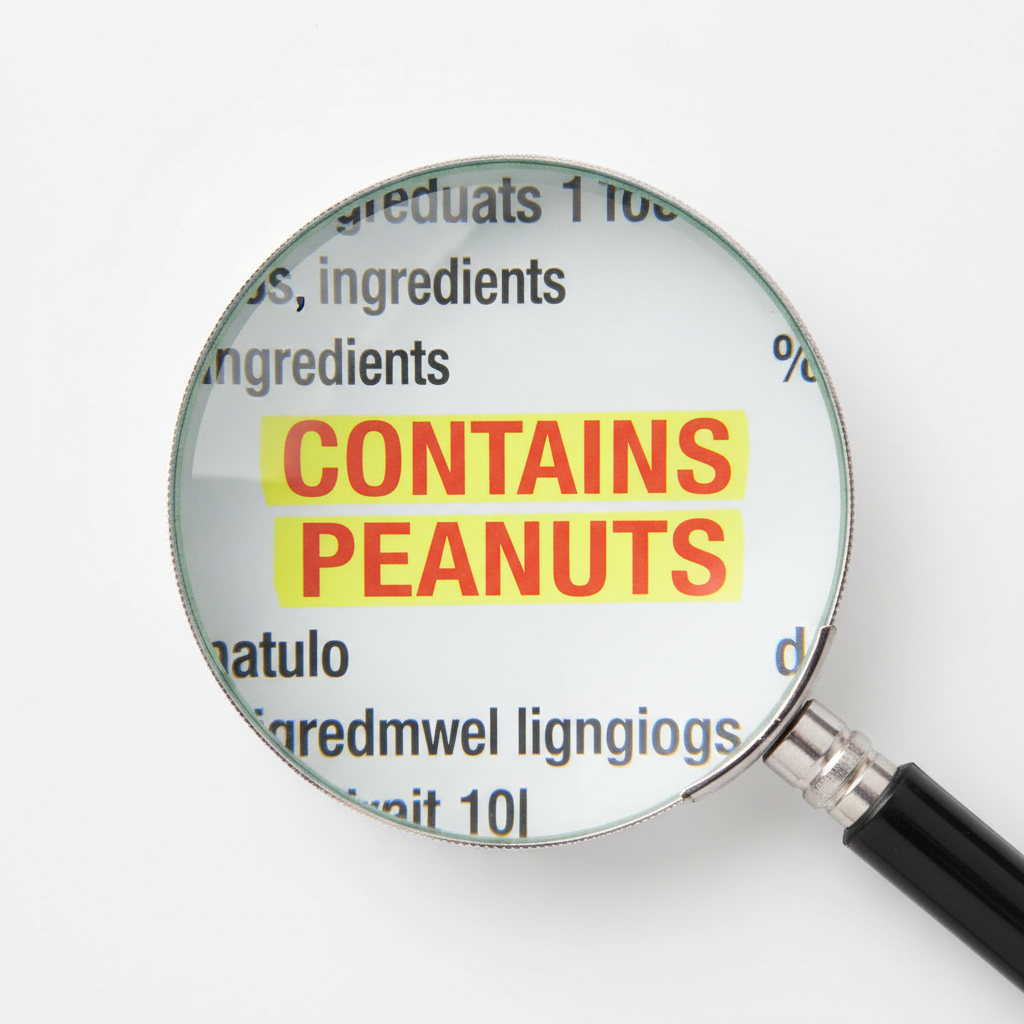
Prevention & Management

1. Strict Labeling: Regulations (like FALCPA) require bold declaration of allergens.

2. Prevention of Cross-Contact: Using separate utensils and surfaces during preparation.

3. Hygiene: Proper washing of produce to reduce pesticide residue and microbial load.

4. Emergency Preparedness: Carrying epinephrine auto-injectors for known severe allergies.
Made byBobr AI

Key Takeaways

Distinction: Toxicology relates to harmful substances (dose-dependent), while allergenicity is an immune response.

Vigilance: The 'Big 9' allergens cause the majority of reactions and require strict labeling.

Safety: Proper food handling, cooking temperatures, and avoiding cross-contamination are critical prevention steps.

Made byBobr AI
Bobr AI

DESIGNER-MADE
PRESENTATION,
GENERATED FROM
YOUR PROMPT

Create your own professional slide deck with real images, data charts, and unique design in under a minute.

Generate For Free

Food Toxicology & Allergenicity: Hazards and Prevention

Explore the differences between food toxicology and allergenicity, including symptoms of the 'Big 9' allergens and effective prevention strategies.

Food Toxicology & Allergenicity

Understanding Hazards, Symptoms, and Prevention Strategies

Core Definitions

<b>Food Toxicology:</b> The study of the adverse effects of chemical substances found in food on living organisms. It is dose-dependent.<br><br><b>Food Allergenicity:</b> A hypersensitivity reaction of the immune system to specific food proteins. It is not always dose-dependent; even trace amounts can trigger a reaction.

Classes of Food Toxicants

Endogenous Toxins: Naturally occurring chemicals in plants (e.g., Solanine in green potatoes).

Microbiological Toxins: Produced by bacteria or molds (e.g., Aflatoxins from Aspergillus, Botulinum).

Environmental Contaminants: Pesticides, heavy metals (mercury in fish), and industrial pollutants.

Processing-Induced Toxins: Created during cooking (e.g., Acrylamide in burnt starches).

The Major Food Allergens

Mechanism of Allergic Reaction

Food allergies are primarily Immunoglobulin E (IgE) mediated. <br><br>1. <b>Sensitization:</b> The immune system mistakenly identifies a food protein as harmful and produces specific IgE antibodies.<br><br>2. <b>Reaction:</b> Upon re-exposure, the allergen binds to IgE on mast cells, triggering the release of histamine and other chemicals, causing symptoms.

Symptoms: Toxicity vs. Allergy

Toxicological Symptoms

• Gastrointestinal: Nausea, vomiting, diarrhea<br>• Neurological: Dizziness, headaches, paralysis (botulism)<br>• Organ Failure: Kidney/liver damage (heavy metals)<br>• Onset: Can be immediate or delayed

Allergic Symptoms

• Cutaneous: Hives, eczema, swelling (angioedema)<br>• Respiratory: Wheezing, difficulty breathing<br>• Systemic: Anaphylaxis (rapid drop in BP)<br>• Onset: Typically immediate (minutes to 2 hours)

Prevalence of Common Food Allergies in Children

Peanuts and milk remain the most common allergens among children. While some allergies like milk and egg may be outgrown, others like peanut and tree nut allergies often persist into adulthood.

"The dose makes the poison, but for the allergic individual, the presence creates the peril."

Food Safety Principles

Prevention & Management

<b>1. Strict Labeling:</b> Regulations (like FALCPA) require bold declaration of allergens.<br><br><b>2. Prevention of Cross-Contact:</b> Using separate utensils and surfaces during preparation.<br><br><b>3. Hygiene:</b> Proper washing of produce to reduce pesticide residue and microbial load.<br><br><b>4. Emergency Preparedness:</b> Carrying epinephrine auto-injectors for known severe allergies.

Key Takeaways

Distinction: Toxicology relates to harmful substances (dose-dependent), while allergenicity is an immune response.

Vigilance: The 'Big 9' allergens cause the majority of reactions and require strict labeling.

Safety: Proper food handling, cooking temperatures, and avoiding cross-contamination are critical prevention steps.

  • food-safety
  • toxicology
  • food-allergies
  • allergen-management
  • health-and-safety
  • falcpa