


Food Toxicology and Allergenicity: A Food Safety Guide
Explore core concepts of food toxicology and allergenicity, including natural toxicants, agricultural contaminants, the Big 9 allergens, and IgE mechanisms.
Food Toxicology & Allergenicity
From Natural Toxicants to Immune Mechanisms: A Complete Safety Overview
Core Definitions
<b>Food Toxicology:</b> The study of the adverse effects of chemical agents found in food on living organisms. It encompasses natural toxicants, environmental contaminants, and processing-induced toxins.<br><br><b>Food Allergenicity:</b> A localized or systemic Hypersensitivity reaction to specific food proteins, mediated by the immune system (primarily IgE antibodies), distinct from food intolerance.
Sources of Food Toxicants
Natural Biological Toxins: Inherent compounds in plants (e.g., alkaloids) and animals (e.g., shellfish toxins).
Microbiological Toxins: Metabolites produced by fungi (mycotoxins like Aflatoxin) or bacteria (Botulinum).
Environmental Contaminants: Heavy metals, PCBs, and dioxins entering the food chain.
Agricultural Residues: Pesticides, herbicides, and veterinary drugs remaining in food.
Processing Toxicants: Compounds formed during cooking (e.g., Acrylamide in fried foods).
Natural Food Toxicants
Some foods contain inherent defenses that are toxic to humans if not processed correctly.<br><br><b>Solanine:</b> Found in green potatoes and tomatoes (Glycoalkaloids). Causes GI distress.<br><b>Cyanogenic Glycosides:</b> Found in cassava, bitter almonds, and stone fruit pits. Releases cyanide upon digestion.<br><b>Lectins:</b> Found in raw kidney beans (Phytohaemagglutinin). Disrupts digestion and causes clotting.
Agricultural Contaminants: Pesticide Prevalence
Health Effects of Toxicants
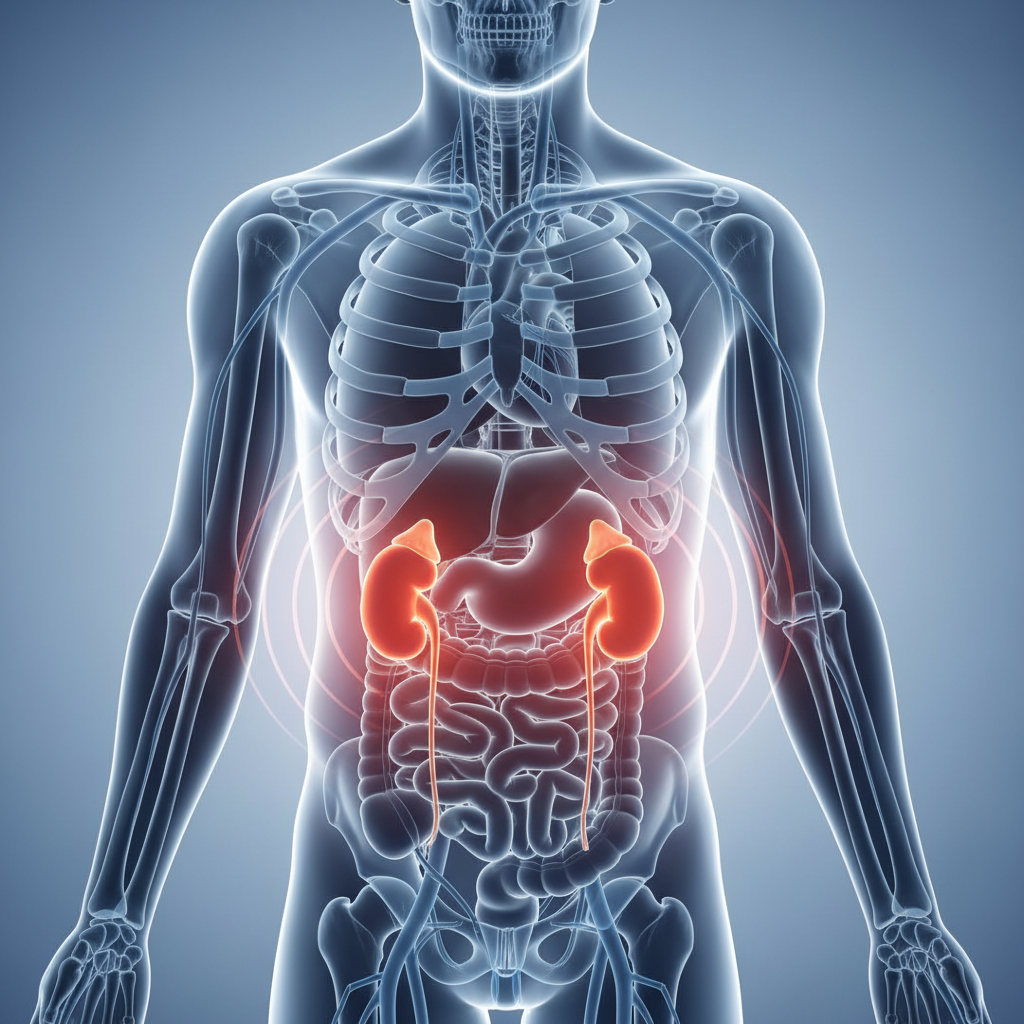
<b>Acute Toxicity:</b> Immediate adverse effects occurring shortly after ingestion. Symptoms include nausea, vomiting, diarrhea, neurological tremors, and in severe cases, respiratory failure (e.g., Botulism, rapid-onset pesticide poisoning).<br><br><b>Chronic Toxicity:</b> Long-term effects from cumulative low-dose exposure. Risks include:<br>• Carcinogenicity (e.g., Aflatoxins)<br>• Organ failure (Liver/Kidney)<br>• Teratogenicity (Birth defects)<br>• Mutagenicity
The Major Food Allergens (The Big 9)
<b>Milk:</b> Casein and whey proteins.
<b>Eggs:</b> Primarily ovalbumin in whites.
<b>Peanuts:</b> Legumes, highly potent allergens.
<b>Tree Nuts:</b> Almonds, walnuts, cashews.
<b>Fish:</b> Bass, flounder, cod.
<b>Shellfish:</b> Crab, lobster, shrimp (Tropomyosin).
<b>Soy:</b> High prevalence in processed foods.
<b>Wheat:</b> Gluten and other proteins.
<b>Sesame:</b> Recently added to major regulatory lists.
Mechanism of Allergenicity
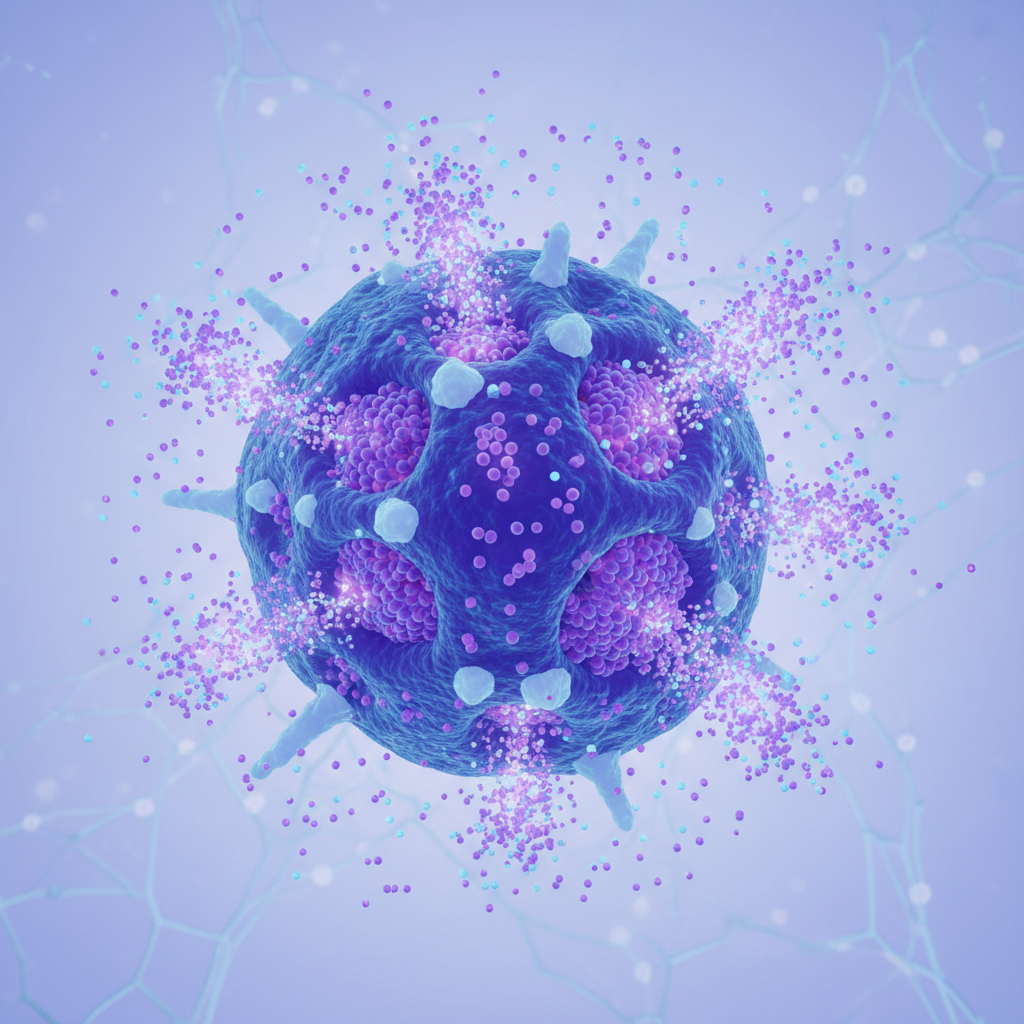
The allergic response is an IgE-mediated pathway:<br><br>1. <b>Sensitization:</b> Exposure to the allergen stimulates the production of IgE antibodies specific to that food protein.<br>2. <b>Binding:</b> IgE antibodies attach to mast cells and basophils.<br>3. <b>Elicitation:</b> Upon re-exposure, the allergen binds to the IgE on mast cells, causing cross-linking.<br>4. <b>Degranulation:</b> Cells release mediators like histamine, leukotrienes, and cytokines, causing inflammation.
Symptoms & Detection
<b>Clinical Symptoms:</b> Range from cutaneous (hives, eczema) and gastrointestinal (cramps) to repiratory distress and systemic Anaphylaxis (life-threatening drop in blood pressure).<br><br><b>Detection Methods:</b><br>• <b>ELISA (Enzyme-Linked Immunosorbent Assay):</b> Gold standard for detecting specific proteins.<br>• <b>PCR (Polymerase Chain Reaction):</b> Detects DNA sequences of the allergen source.<br>• <b>Lateral Flow Devices:</b> Rapid on-site testing strips.
"Effective food safety relies on a dual approach: rigorous HACCP controls to eliminate toxicants and transparent labeling to protect allergic consumers."
Prevention & Safety Protocols
- food-toxicology
- food-safety
- allergens
- food-science
- toxicants
- haccp
- public-health