




Immersive Onboarding: Future of VR and AR Training
Discover how Virtual and Augmented Reality are transforming employee onboarding through immersive training, higher retention, and safer learning environments.
Immersive Onboarding: The Future of Training
Leveraging Virtual & Augmented Reality for Employee Success
Defining the Spectrum: VR vs. AR
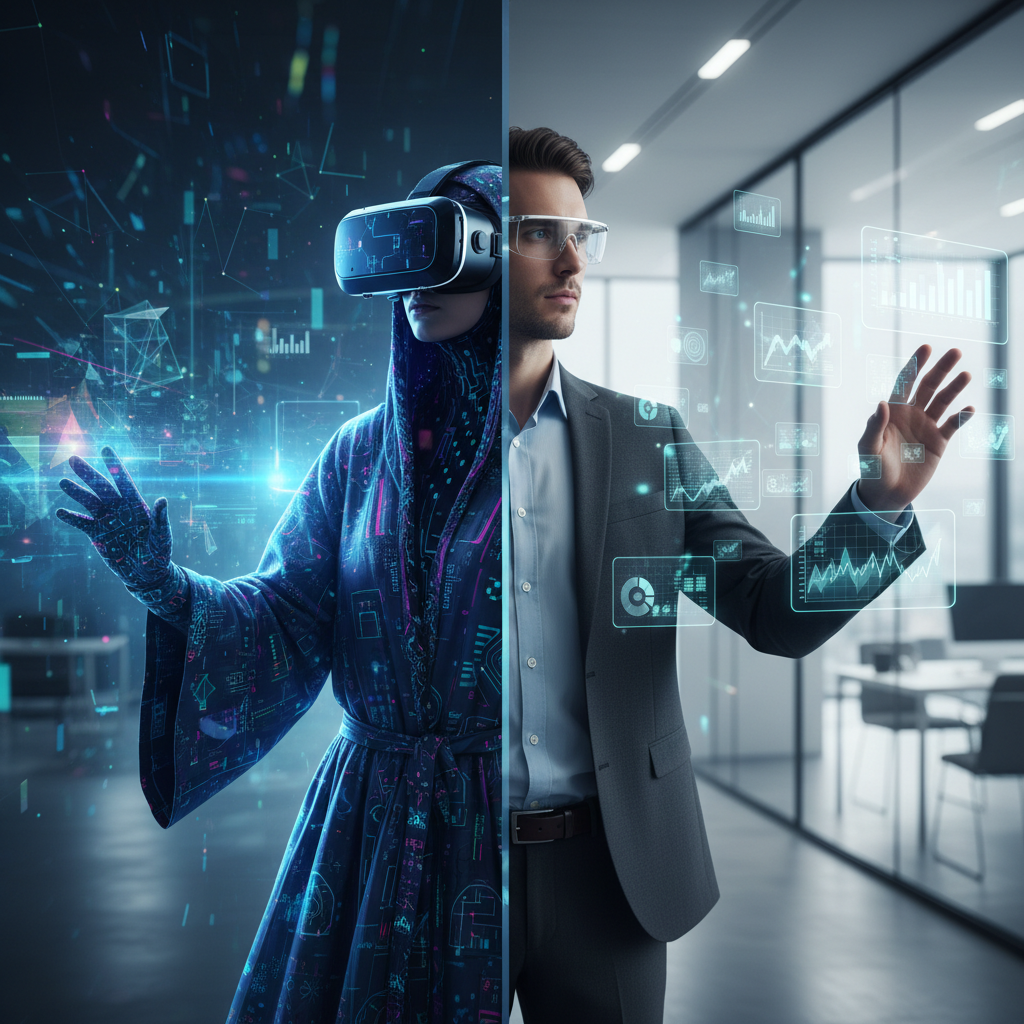
Understanding the distinction is crucial for effective implementation. Virtual Reality (VR) replaces the user's environment entirely with a simulated digital world, ideal for deep immersion. Augmented Reality (AR) overlays digital information onto the real world, enhancing the physical environment rather than replacing it.
Challenges in Traditional Onboarding
Low Retention: Employees forget up to 70% of lecture-based content within 24 hours.
Safety Risks: Real-world training in hazardous industries (oil, gas, manufacturing) carries physical danger.
High Costs: Logistics, travel, and equipment downtime for training sessions accumulate quickly.
Inconsistency: Variability in trainer quality leads to unequal employee preparedness.
Learning Retention Comparison
Studies indicate that immersive learning dramatically outperforms passive learning methods. VR learners are notably more confident in applying skills after training compared to classroom learners.
VR Use Case: High-Risk Scenarios
Virtual Reality is unparalleled for 'dangerous' training. Employees can practice emergency fire shutdowns, heavy machinery operation, or medical surgeries in a consequence-free environment. This builds 'muscle memory' without risking lives or equipment.
AR Use Case: On-the-Job Guidance
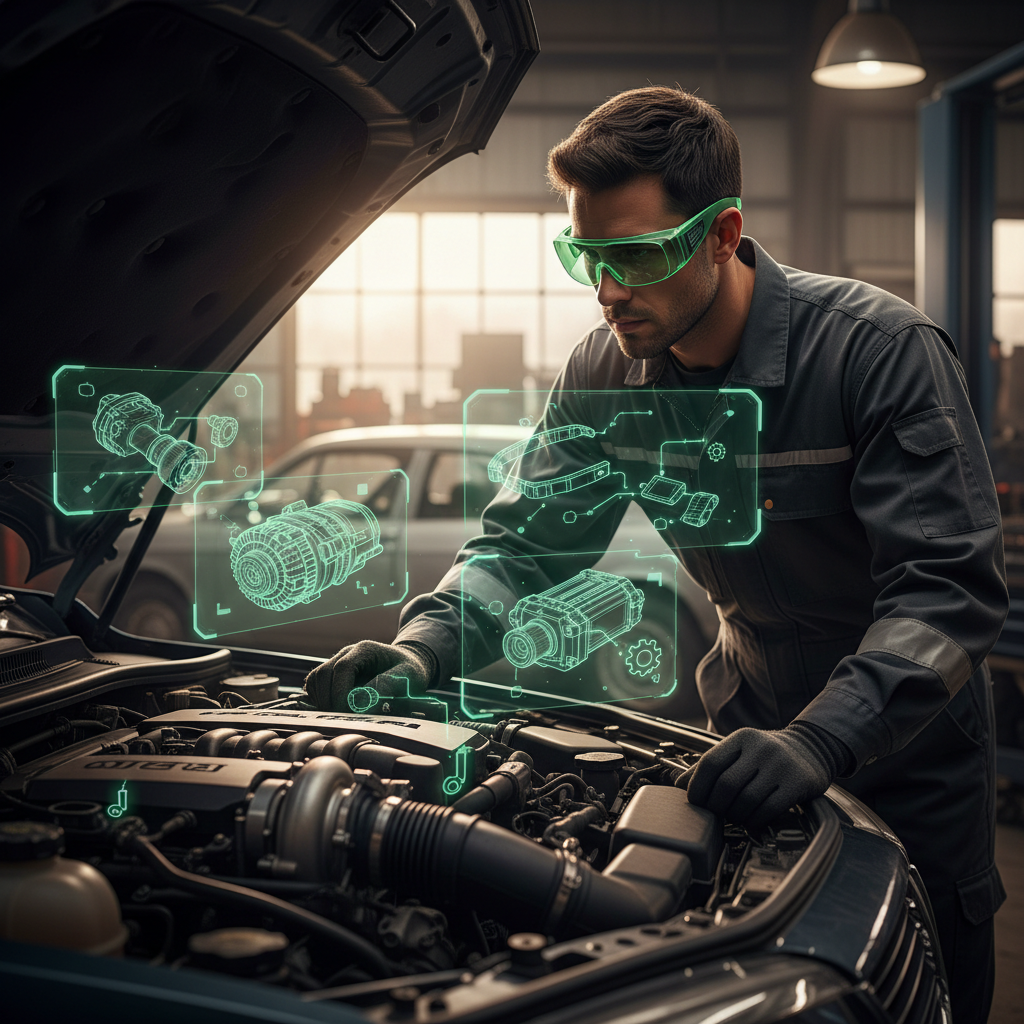
Augmented Reality shines in workflow integration. By using AR glasses or tablets, technicians receive step-by-step holographic overlays directly on the equipment they are repairing. This reduces error rates and significantly speeds up the onboarding of new technicians.
Soft Skills & Diversity Training
Cost vs. Scale Efficiency
While the initial barrier to entry (hardware) is higher for VR, the cost per learner drops significantly as the number of employees increases, primarily due to savings in travel, instructor time, and facility rental.
Prerequisites for Success
User Experience Design: Avoid motion sickness by maintaining high frame rates and intuitive controls.
Device Management: Implement robust Mobile Device Management (MDM) for updates and security.
Hygiene Protocols: Establish strict cleaning routines (UVC sanitizers) for shared headsets.
Analytics Integration: Track gaze heatmaps and interaction times to measure engagement.
The most effective training doesn't just transfer knowledge; it transfers experience. VR allows us to distribute experience at scale.
Future of Work Report 2025
- virtual-reality
- augmented-reality
- employee-onboarding
- immersive-learning
- corporate-training
- hr-technology
- ar-vr