



Keshav Srushti Field Visit: Environmental & Botanical Study
A comprehensive student field report on Keshav Srushti, covering biodiversity, medicinal plants, biogas production, and sustainable waste management.
Field Visit Report – Keshav Srushti
Student Name: Mitali Shinde<br>Class: TYBSc | College: Guru Nanak Khalsa College<br>Date of Visit: 19 December 2025
Introduction
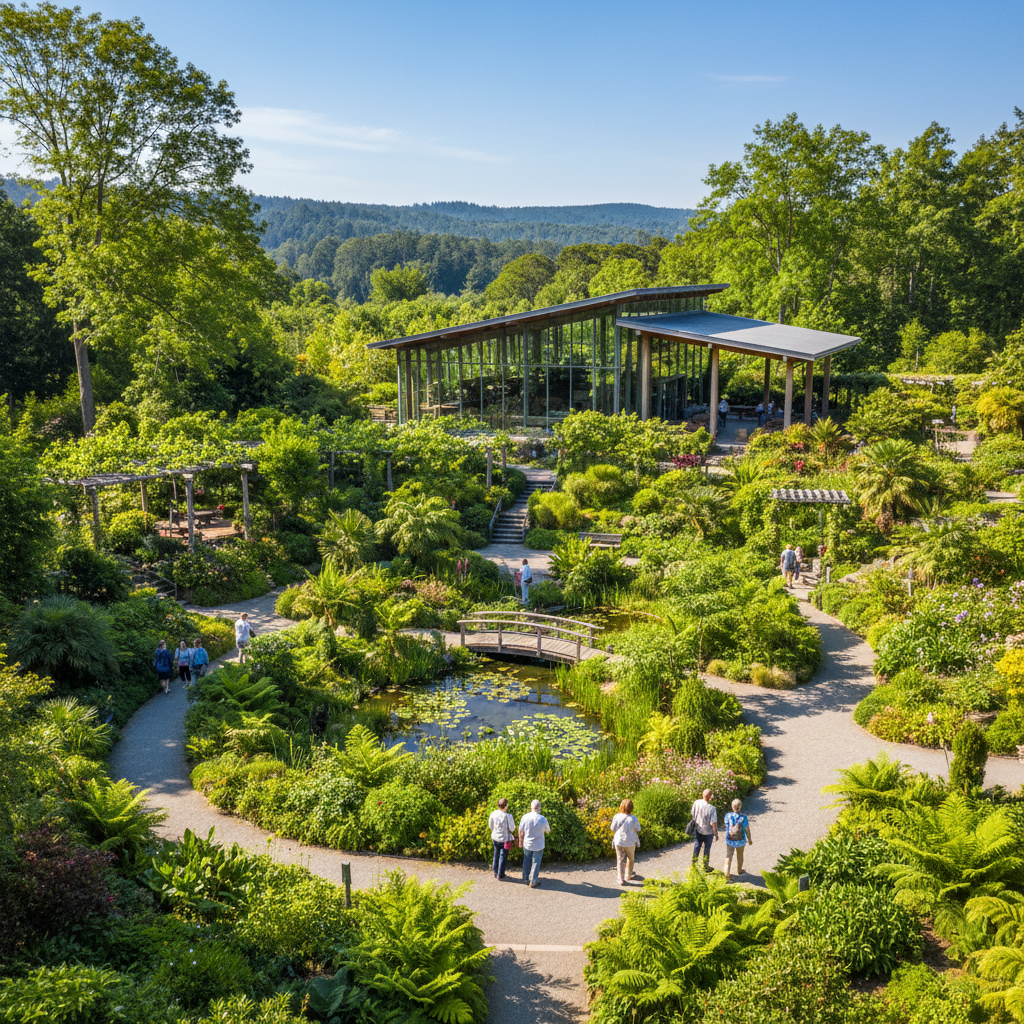
<ul><li>Keshav Srushti is an environmental education centre promoting biodiversity conservation and sustainable living.</li><li>It provides practical exposure to natural ecosystems, traditional knowledge, and eco-friendly practices.</li><li>The visit aimed to strengthen the understanding of environmental and botanical concepts through real-life observation.</li></ul>
Objectives of the Field Visit
To observe plant diversity in a natural environment.
To understand the ecological importance of biodiversity.
To study medicinal plants and their traditional uses.
To learn sustainable practices related to waste and energy management.
To improve observation and practical learning skills.
Activities Conducted
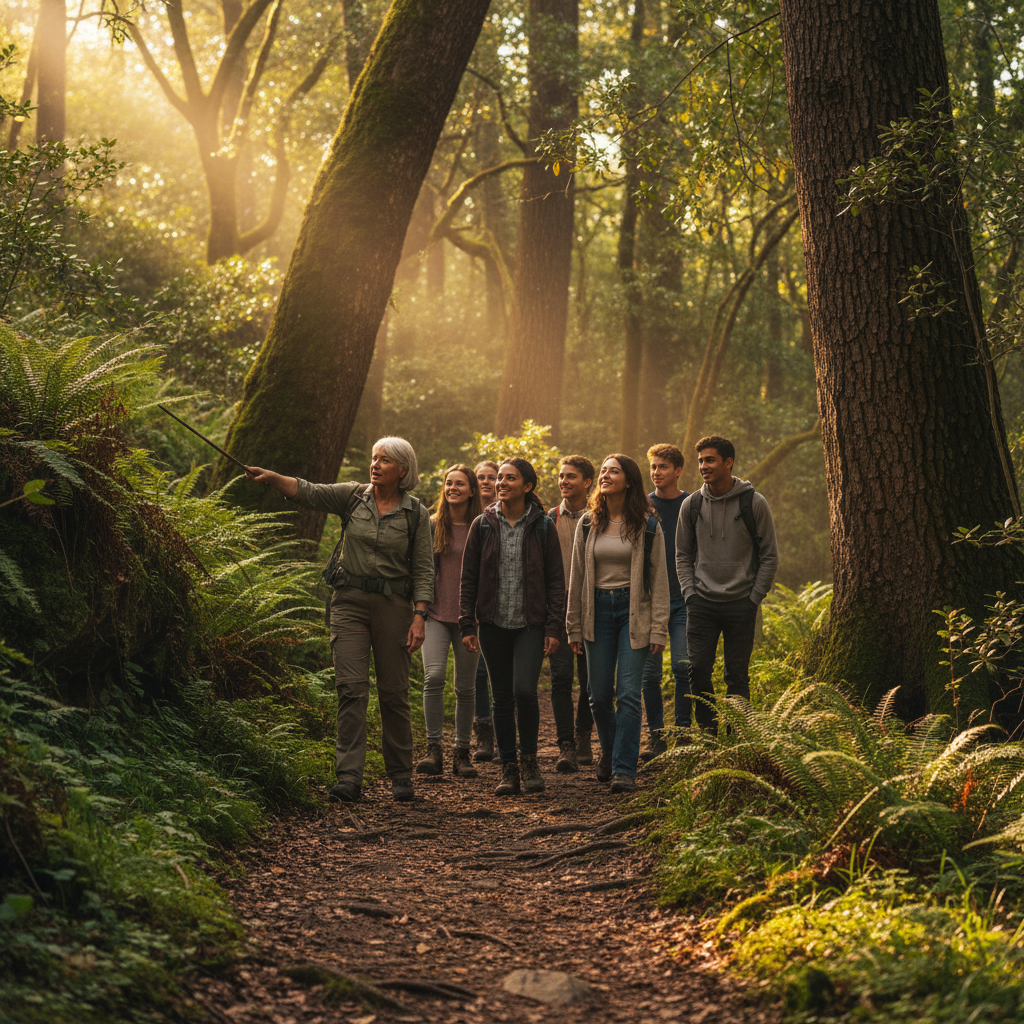
<ul><li><strong>Guided Tour:</strong> Comprehensive walkthrough of the Keshav Srushti campus.</li><li><strong>Plant Identification:</strong> Observation and identification of various trees, shrubs, and herbs.</li><li><strong>Sustainability Demos:</strong> Live demonstrations related to environmental conservation techniques.</li><li><strong>Hands-on Activities:</strong> Participation in eco-friendly workshops and practices.</li></ul>
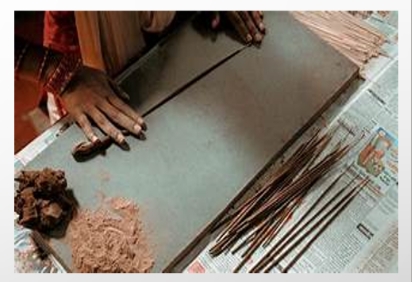
Agarbatti Making
<div style='margin-bottom:20px;'><strong>Introduction:</strong><br>Natural agarbatti is made from organic materials like cow dung, sawdust, and camphor. It is chemical-free.</div><div style='margin-bottom:20px;'><strong>Process:</strong><br>Cow dung is mixed with sawdust and camphor to form a paste. The mixture is kneaded, hand-rolled into thin sticks, and shade-dried.</div><div><strong>Uses:</strong><br>Used for prayers and meditation. Repels insects and keeps surroundings fresh eco-friendlily.</div>
Biogas & Biofuel Practices
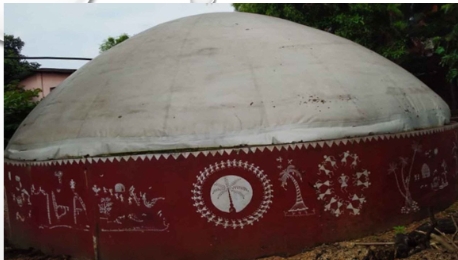
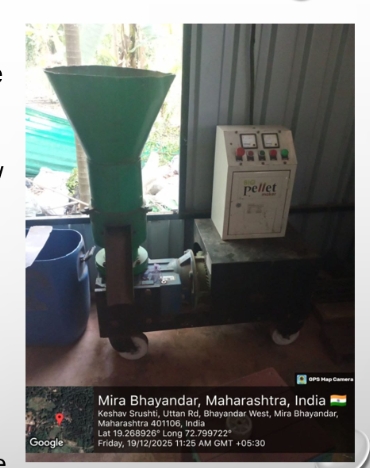
<ul><li><strong>Overview:</strong> Introduction to renewable energy systems observed on campus.</li><li><strong>Biogas Production:</strong> Explanation of converting organic waste into usable gas.</li><li><strong>Biofuel:</strong> Overview of biopellet preparation from agricultural residue.</li><li><strong>Impact:</strong> Reduces waste and dependency on non-renewable fossil fuels.</li></ul>
Plastic Waste Management
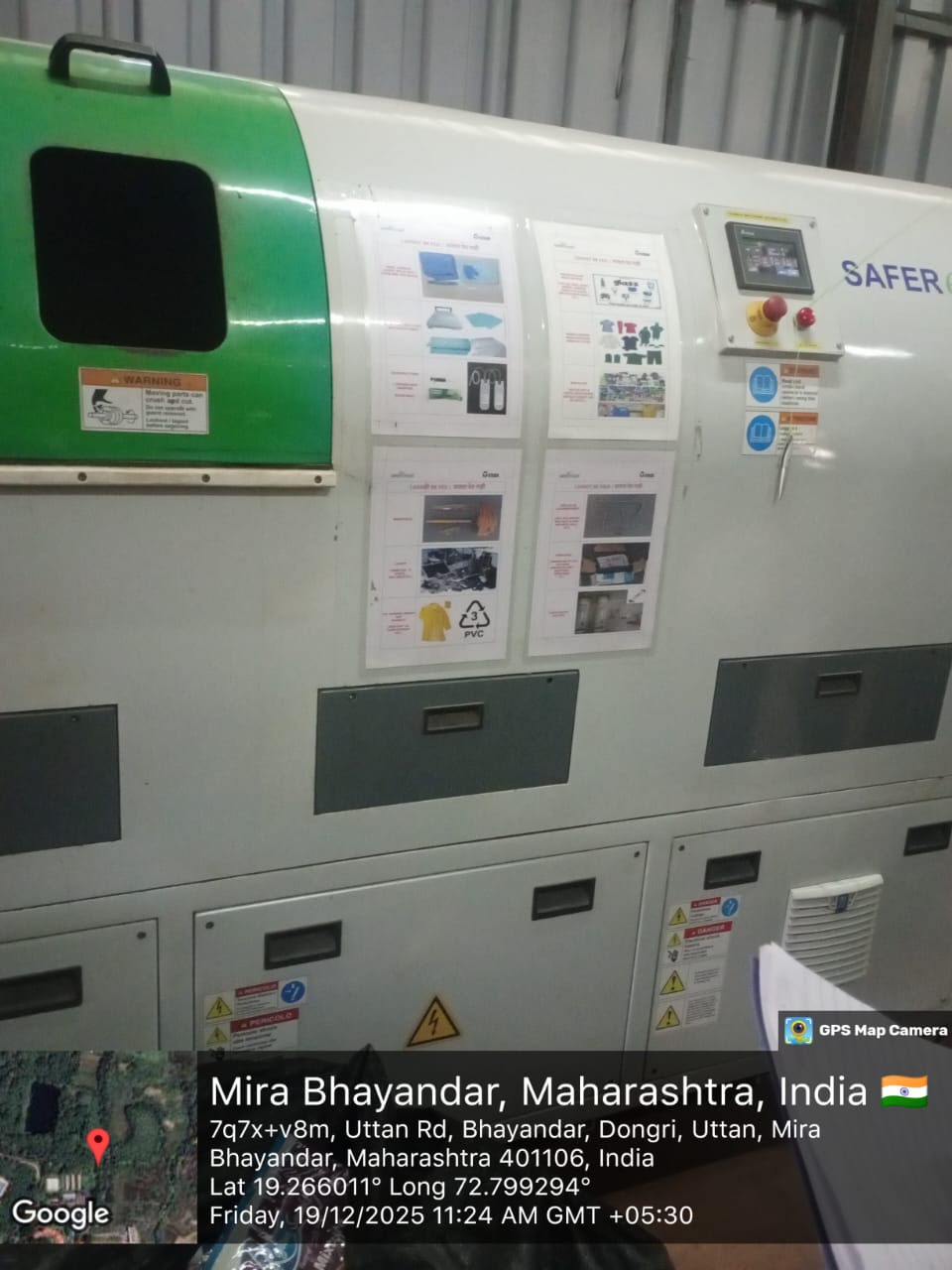
<ul><li><strong>Facility:</strong> Observed the dedicated unit for managing plastic waste.</li><li><strong>Process:</strong> The machine processes collected plastic waste (shredding/pelletizing) for recycling.</li><li><strong>Objective:</strong> To minimize landfill waste and promote a plastic-free campus.</li><li><strong>Benefit:</strong> Encourages circular economy and creates reusable material from waste.</li></ul>
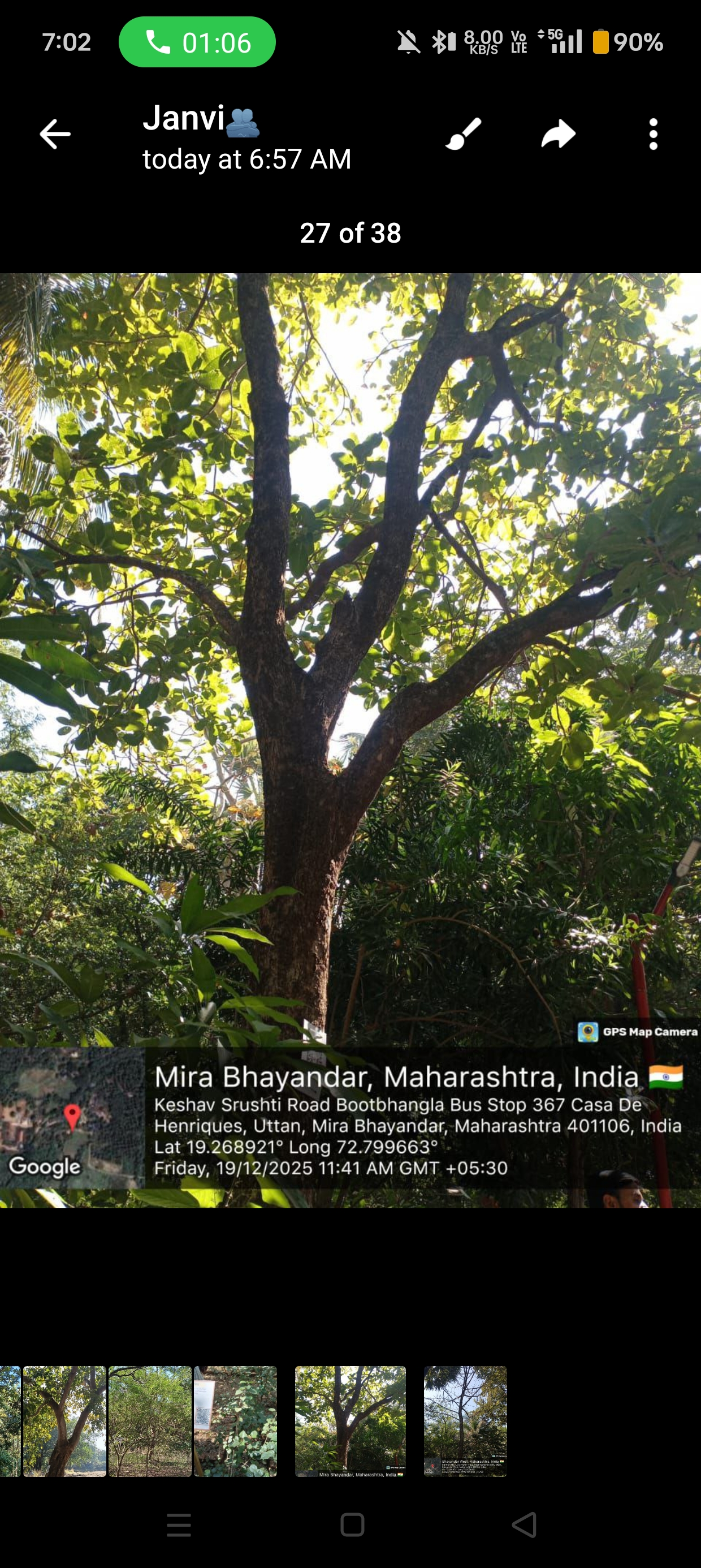
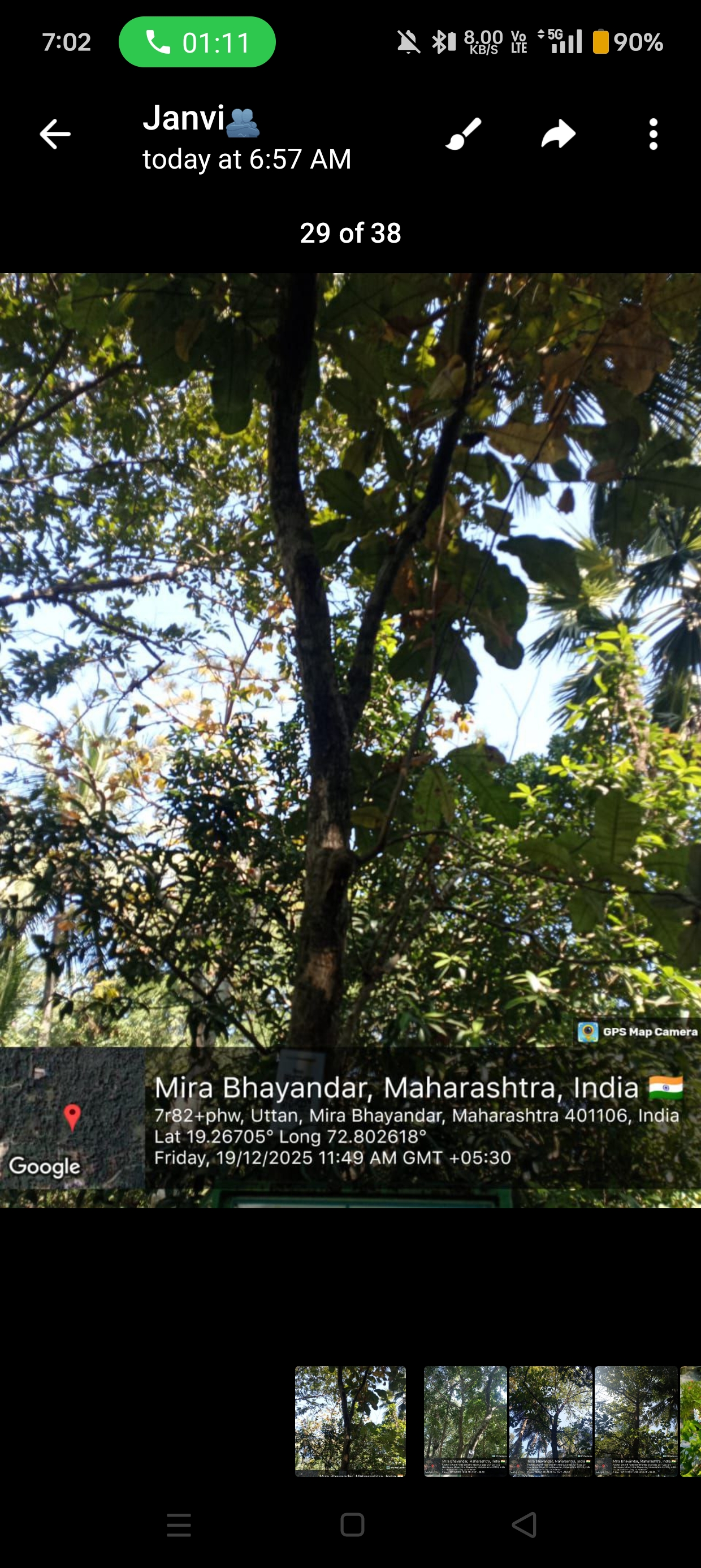
1. Kadamba
<ul><li><strong>Scientific Name:</strong> <em>Neolamarckia cadamba</em></li><li><strong>Habit:</strong> Tree</li><li><strong>Medicinal Uses:</strong><br>- Treating wounds and ulcers<br>- Alleviating digestive issues<br>- Pain relief and anti-inflammatory</li></ul>
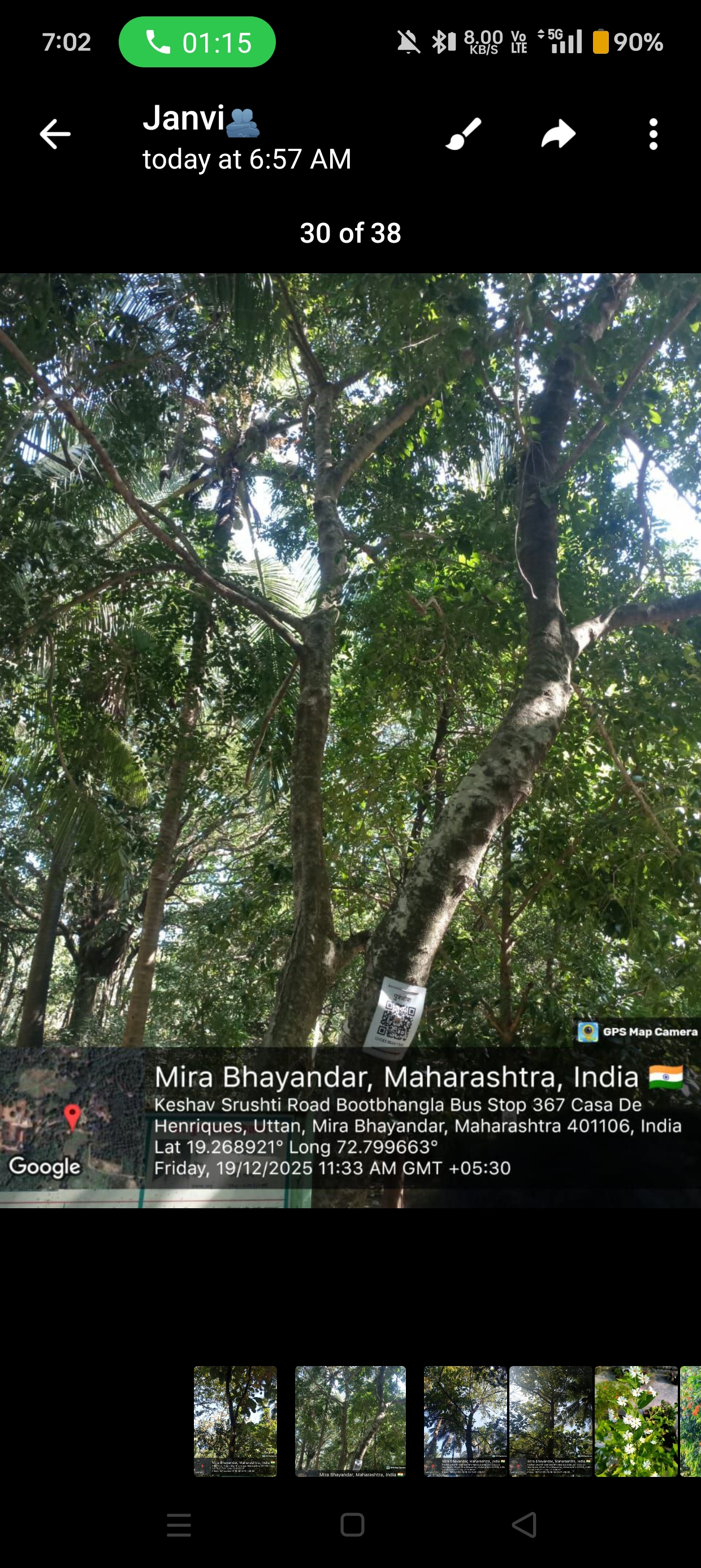
2. Mahua
<ul><li><strong>Scientific Name:</strong> <em>Madhuca longifolia</em></li><li><strong>Habit:</strong> Tree</li><li><strong>Medicinal Uses:</strong><br>- Treating skin diseases<br>- Relief from cough and bronchitis<br>- Flowers are edible and nutritious</li></ul>
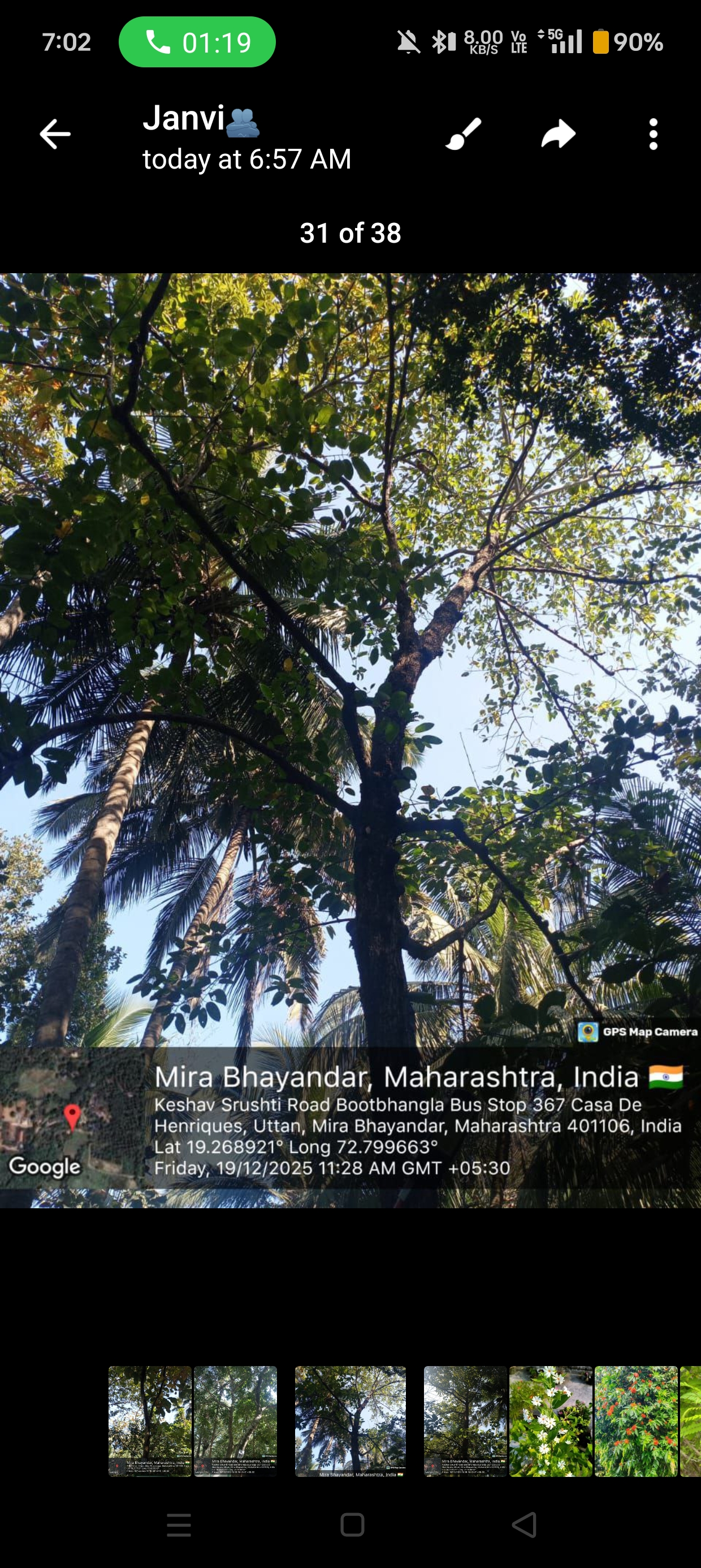
3. Putranjiva
<ul><li><strong>Scientific Name:</strong> <em>Putranjiva roxburghii</em></li><li><strong>Habit:</strong> Tree</li><li><strong>Medicinal Uses:</strong><br>- Treating infertility<br>- Reducing fever and colds<br>- Anti-inflammatory properties</li></ul>
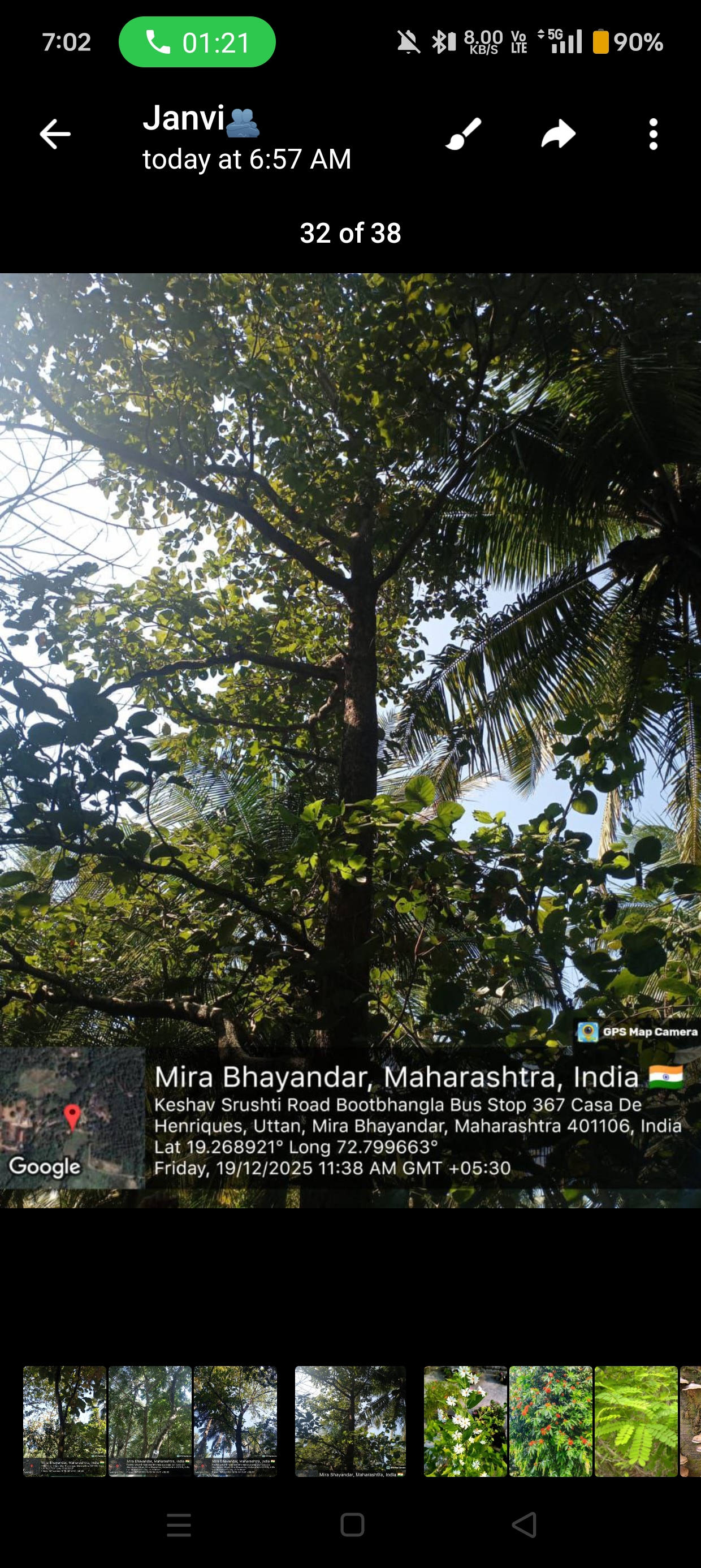
4. Bibba
<ul><li><strong>Scientific Name:</strong> <em>Semecarpus anacardium</em></li><li><strong>Habit:</strong> Tree</li><li><strong>Medicinal Uses:</strong><br>- Treating rheumatism and arthritis<br>- Healing skin diseases<br>- Traditional treatment for tumours</li></ul>
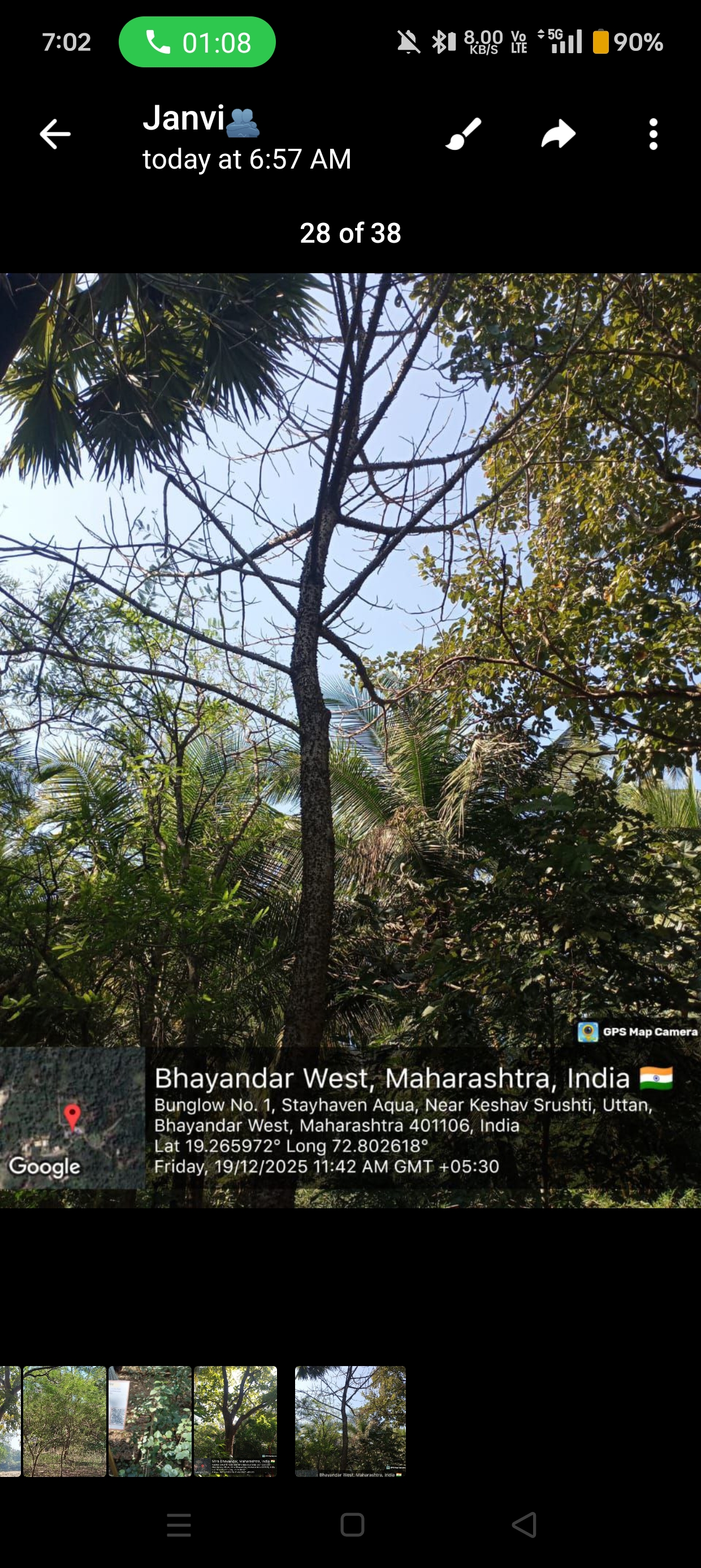
5. Semal
<ul><li><strong>Scientific Name:</strong> <em>Bombax ceiba</em></li><li><strong>Habit:</strong> Tree</li><li><strong>Medicinal Uses:</strong><br>- Treatment for diarrhea and dysentery<br>- Enhancing sexual health<br>- Bark and roots used in tonics</li></ul>
6. Spiral Ginger
<ul><li><strong>Scientific Name:</strong> <em>Costus speciosus</em></li><li><strong>Habit:</strong> Herb</li><li><strong>Medicinal Uses:</strong><br>- Managing diabetes<br>- Treating kidney stones<br>- Healing skin infections</li></ul>
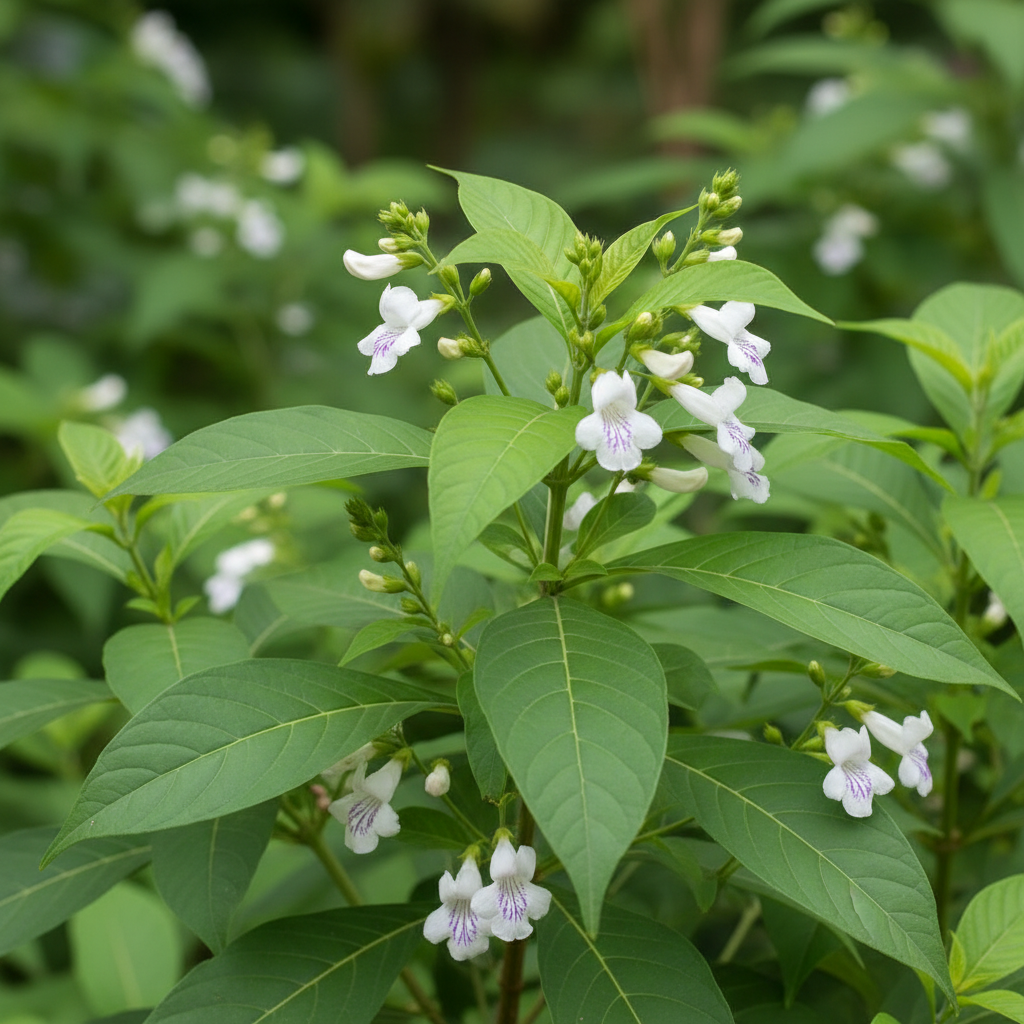
7. Adulsa
<ul><li><strong>Common Name:</strong> Adulsa (Vasaka)</li><li><strong>Scientific Name:</strong> <em>Justicia adhatoda</em></li><li><strong>Habit:</strong> Shrub</li><li><strong>Medicinal Uses & Benefits:</strong><br>- Treatment for cough, cold, and asthma<br>- Acts as a powerful expectorant<br>- Helps in treating bronchitis and tuberculosis (traditional use)<br>- Leaves are used to stop bleeding (styptic)</li></ul>
Learning Outcomes
Gained understanding of environmental conservation methods.
Learned sustainable waste and energy management practices.
Developed knowledge of medicinal plants and their uses.
Improved practical skills, teamwork, and observation ability.
Developed awareness and responsibility towards nature.
Conclusion
<p>The field visit to Keshav Srushti was informative and enriching, helping connect theoretical botanical knowledge with practical experience.</p><p>It encouraged eco-friendly thinking and highlighted the importance of sustainable living in modern times.</p><p>Overall, it was a valuable academic learning experience for all students.</p>
- environmental-education
- botany
- medicinal-plants
- sustainability
- waste-management
- renewable-energy
- field-report