

Made byBobr AI

Air Pollution in Madhya Pradesh: Impact & Analysis

Explore the causes, data, and government initiatives regarding air pollution and AQI levels in Madhya Pradesh, the Heart of India.

#madhya-pradesh#air-pollution#aqi-levels#environmental-impact#ncap#particulate-matter#urbanization#india
Watch
Pitch

Air Pollution in Madhya Pradesh

An Assignment on Environmental Impact

Name: Patel Isha Ram Pujan

Roll no: 453

Class: FYBCOM | Div: D

Subject: EIM

Made byBobr AI

Introduction to the Issue

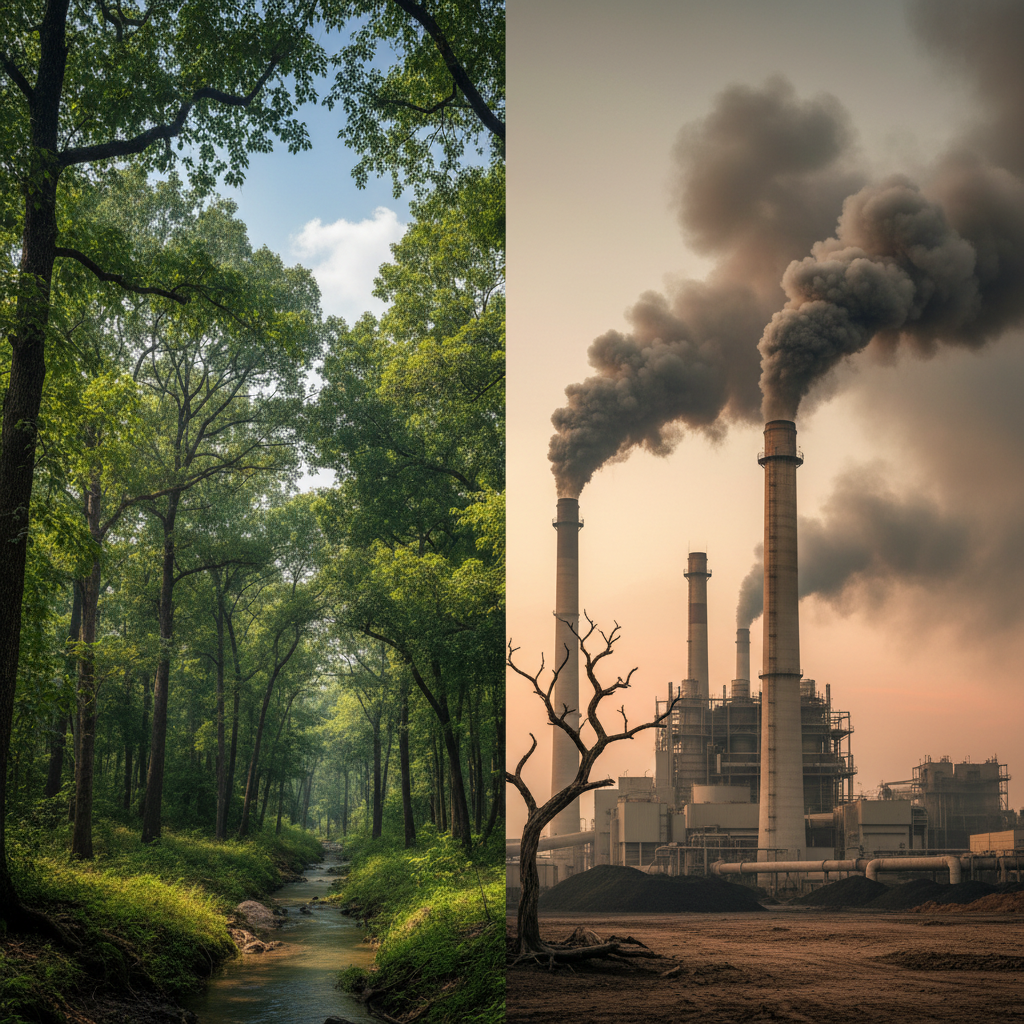
Madhya Pradesh, known as the 'Heart of India', is facing a growing environmental crisis. While broadly recognized for its forests and wildlife, the state's rapid industrialization and urbanization have led to severe air quality deterioration. Recent monitoring indicates that air pollution is no longer just a metropolitan issue but affects mid-sized cities and industrial hubs alike.

Made byBobr AI

Current Pollution Levels (AQI)

Recent data reveals alarming Air Quality Index (AQI) levels across major hubs in Madhya Pradesh, often exceeding the 'Very Poor' category threshold of 300.

Chart
Made byBobr AI

Key Pollutants Concern

Particulate Matter (PM2.5): Fine inhalable particles that pose significant health risks.

Particulate Matter (PM10): Coarser dust particles often from construction and road dust.

Nitrogen Dioxide (NO2): Emissions primarily caused by vehicular traffic.

Sulfur Dioxide (SO2): Released from thermal power plants, especially in Singrauli.

Made byBobr AI

Seasonal Winter Deterioration

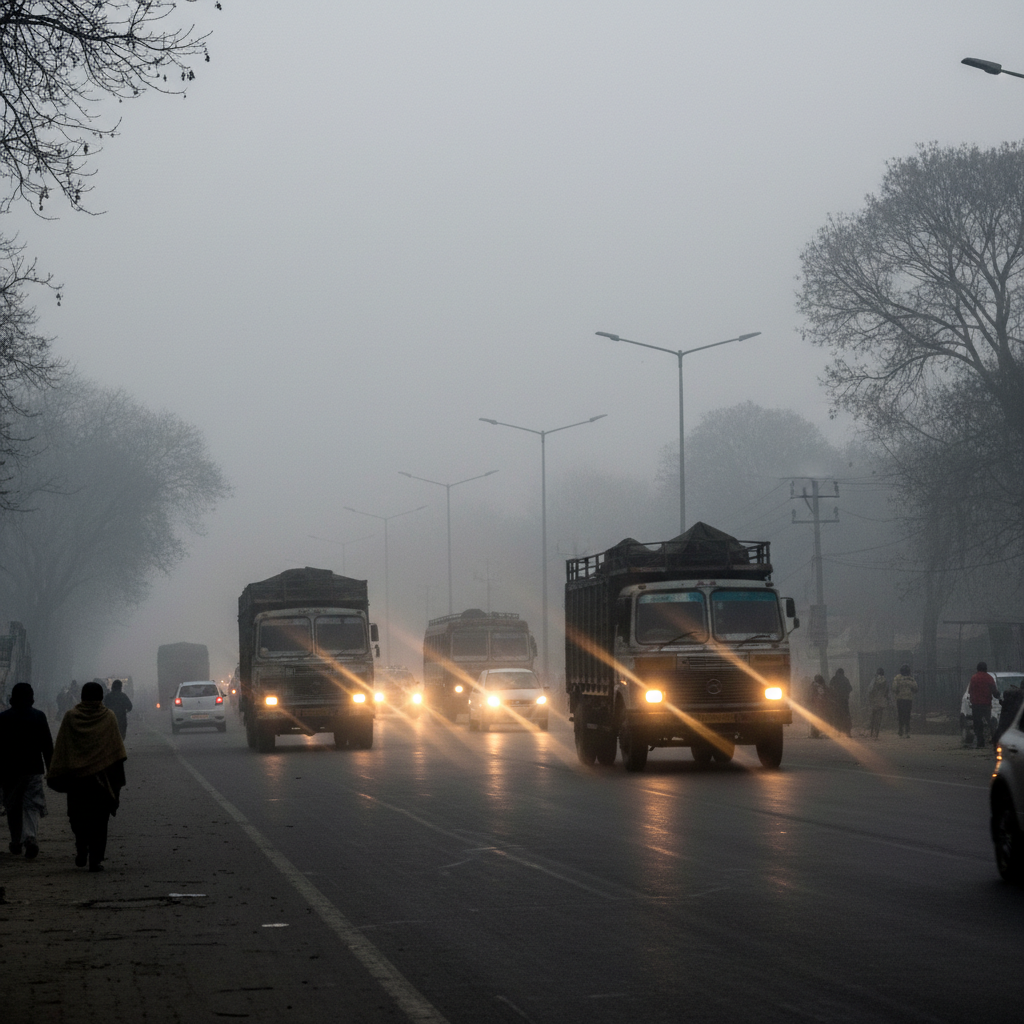
Air quality in Madhya Pradesh sharply deteriorates during winter months. A meteorological phenomenon known as temperature inversion traps pollutants near the ground level. Additionally, heavy fog prevents the dispersion of harmful gases, leading to smog formation, particularly in early mornings.

Made byBobr AI

Geographical Hotspots

  • Singrauli: Known as the energy capital, it suffers from heavy coal dust and fly ash.
  • Bhopal (TT Nagar): The state capital faces high vehicular emissions and urban dust.
  • Industrial Areas: Mandideep and Pithampur are critical zones due to factory emissions.
  • Sagar: Emerging hotspot showing consistently high AQI levels exceeding 300.
Made byBobr AI

NAAQS Compliance Status

Out of 14 cities monitored in Madhya Pradesh, a significant majority (8 cities) exceed the National Ambient Air Quality Standards (NAAQS) for PM2.5 concentrations.

Chart
Made byBobr AI

Madhya Pradesh faces one of the highest health burdens from particulate pollution in India, sharing this critical status with Rajasthan and Maharashtra.

— Health Impact Assessment Reports

Made byBobr AI

Government Initiatives

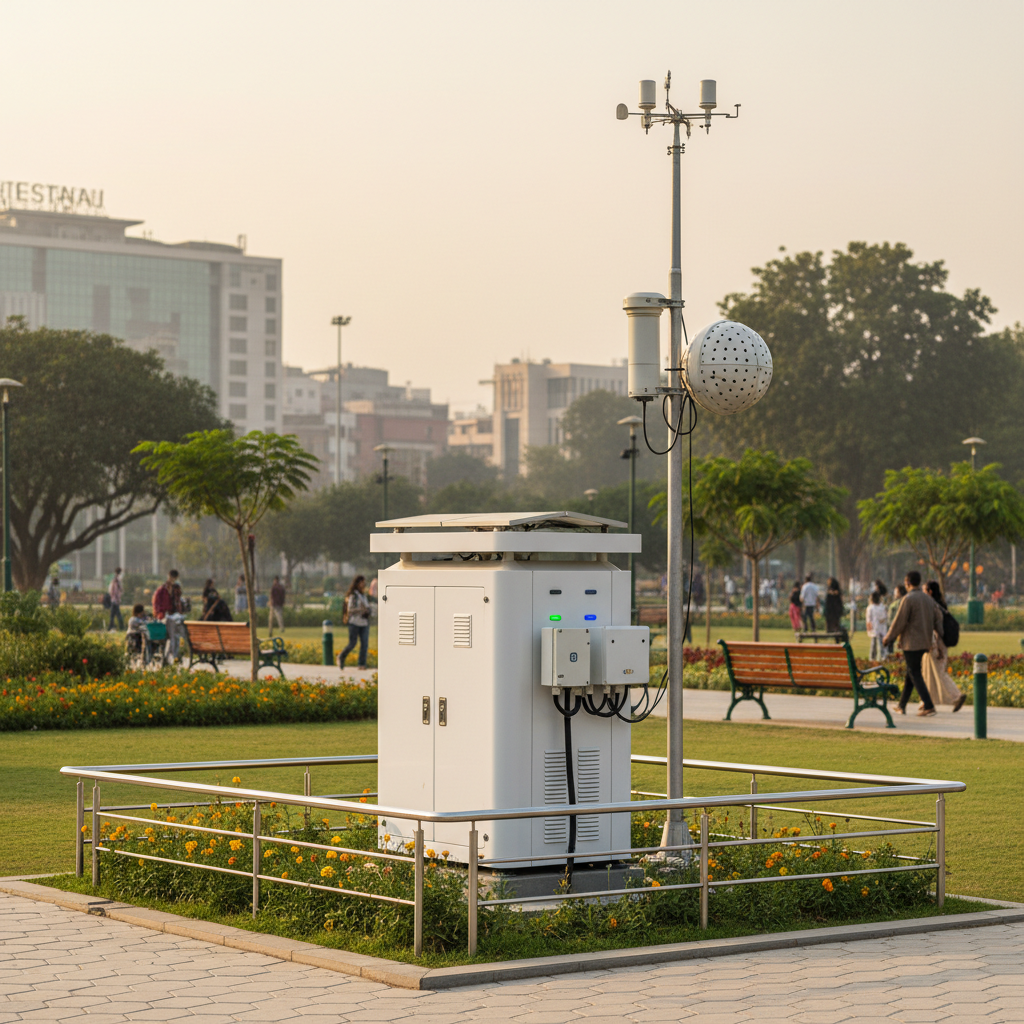
The state is implementing the National Clean Air Programme (NCAP) to reduce Particulate Matter by 20-30%. Efforts include establishing more Continuous Ambient Air Quality Monitoring Stations (CAAQMS) and enforcing stricter regulations on industrial emissions in areas like Pithampur.

Made byBobr AI

Conclusion

Addressing air pollution in Madhya Pradesh requires a multi-pronged approach involving strict industrial regulation, traffic management, and public awareness. Protecting the 'Heart of India' is essential for the health of its citizens and the preservation of its ecological balance.

Made byBobr AI
Bobr AI

DESIGNER-MADE
PRESENTATION,
GENERATED FROM
YOUR PROMPT

Create your own professional slide deck with real images, data charts, and unique design in under a minute.

Generate For Free

Air Pollution in Madhya Pradesh: Impact & Analysis

Explore the causes, data, and government initiatives regarding air pollution and AQI levels in Madhya Pradesh, the Heart of India.

Air Pollution in Madhya Pradesh

An Assignment on Environmental Impact

Name: Patel Isha Ram Pujan

Roll no: 453

Class: FYBCOM | Div: D

Subject: EIM

Introduction to the Issue

Madhya Pradesh, known as the 'Heart of India', is facing a growing environmental crisis. While broadly recognized for its forests and wildlife, the state's rapid industrialization and urbanization have led to severe air quality deterioration. Recent monitoring indicates that air pollution is no longer just a metropolitan issue but affects mid-sized cities and industrial hubs alike.

Current Pollution Levels (AQI)

Recent data reveals alarming Air Quality Index (AQI) levels across major hubs in Madhya Pradesh, often exceeding the 'Very Poor' category threshold of 300.

Key Pollutants Concern

Particulate Matter (PM2.5): Fine inhalable particles that pose significant health risks.

Particulate Matter (PM10): Coarser dust particles often from construction and road dust.

Nitrogen Dioxide (NO2): Emissions primarily caused by vehicular traffic.

Sulfur Dioxide (SO2): Released from thermal power plants, especially in Singrauli.

Seasonal Winter Deterioration

Air quality in Madhya Pradesh sharply deteriorates during winter months. A meteorological phenomenon known as temperature inversion traps pollutants near the ground level. Additionally, heavy fog prevents the dispersion of harmful gases, leading to smog formation, particularly in early mornings.

Geographical Hotspots

Singrauli: Known as the energy capital, it suffers from heavy coal dust and fly ash.

Bhopal (TT Nagar): The state capital faces high vehicular emissions and urban dust.

Industrial Areas: Mandideep and Pithampur are critical zones due to factory emissions.

Sagar: Emerging hotspot showing consistently high AQI levels exceeding 300.

NAAQS Compliance Status

Out of 14 cities monitored in Madhya Pradesh, a significant majority (8 cities) exceed the National Ambient Air Quality Standards (NAAQS) for PM2.5 concentrations.

Madhya Pradesh faces one of the highest health burdens from particulate pollution in India, sharing this critical status with Rajasthan and Maharashtra.

Health Impact Assessment Reports

Government Initiatives

The state is implementing the National Clean Air Programme (NCAP) to reduce Particulate Matter by 20-30%. Efforts include establishing more Continuous Ambient Air Quality Monitoring Stations (CAAQMS) and enforcing stricter regulations on industrial emissions in areas like Pithampur.

Conclusion

Addressing air pollution in Madhya Pradesh requires a multi-pronged approach involving strict industrial regulation, traffic management, and public awareness. Protecting the 'Heart of India' is essential for the health of its citizens and the preservation of its ecological balance.

  • madhya-pradesh
  • air-pollution
  • aqi-levels
  • environmental-impact
  • ncap
  • particulate-matter
  • urbanization
  • india