
Made byBobr AI

Botany Field Visit Report: Keshav Srushti Biodiversity

Explore a comprehensive TYBSc Botany field report from Keshav Srushti, covering medicinal plants, sustainable agarbatti making, and renewable energy.

#botany#field-report#keshav-srushti#medicinal-plants#biodiversity#sustainability#environmental-science#tybsc
Watch
Pitch

Field Visit Report

Botany Field Study Report | TYBSc

Presented by Mitali Shinde | Guru Nanak Khalsa College | 19 Dec 2025

Made byBobr AI

Introduction

Keshav Srushti is an environmental education centre dedicated to biodiversity conservation and sustainable living. It provides a natural learning environment where students can observe plants, ecosystems, and eco-friendly practices firsthand. This visit bridged the gap between theoretical classroom knowledge and real-world environmental applications.

Made byBobr AI

Objectives of the Field Visit

  • To study plant life in a natural ecosystem.
  • To understand biodiversity and its ecological importance.
  • To learn about medicinal plants and traditional knowledge.
  • To observe sustainable practices related to waste management and energy.
  • To improve practical and observational skills.
Made byBobr AI

Activities Conducted

• Guided tour of the campus to observe flora and fauna.

• Detailed observation of different plant species and their habitats.

• Learning sessions on environmental conservation methods.

• Participation in hands-on activities related to sustainability.
Made byBobr AI

Agarbatti Making

Introduction:
Natural agarbatti is a traditional incense stick prepared using organic materials such as cow dung, sawdust, and camphor. Since it is made without chemical substances, it is harmless to health and does not cause environmental pollution.

Process:
Cow dung is first mixed with sawdust to obtain a soft and uniform mixture. Camphor is added to this mixture to provide a pleasant smell. The prepared mixture is kneaded properly and then shaped into thin sticks by hand. These sticks are kept in shade for drying until they become hard.

Uses:
Natural agarbatti is mainly used during prayers and meditation. It gives a gentle fragrance, helps in keeping insects away, and maintains freshness in the surrounding environment in a natural way.

Made byBobr AI

Biogas and Biofuel Practices

Students learned about renewable energy cycles involves specific processes:

1. Production: Converting organic kitchen and garden waste into biogas.
2. Processing: Preparation of biofuel or biopellets from residue.
3. Impact: Significant reduction in pollution and reliance on non-renewable fuels.

Made byBobr AI

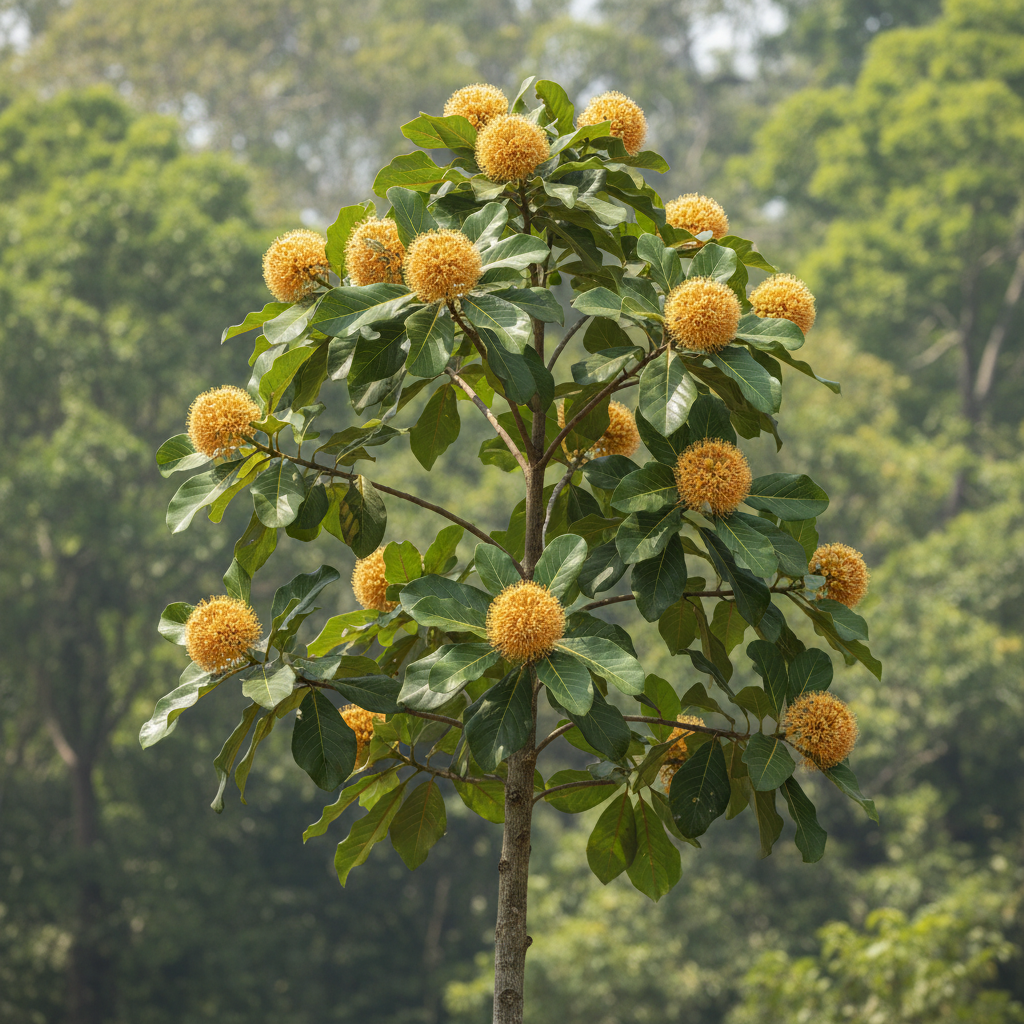
Kadamba (Neolamarckia cadamba)

Habit:
Large, evergreen to deciduous tree with a straight cylindrical bole and horizontal branches.

Uses:
• Timber is used for plywood, paper pulp, and boxes.
• Bark and leaves are used medicinally for fever and inflammation.
Made byBobr AI

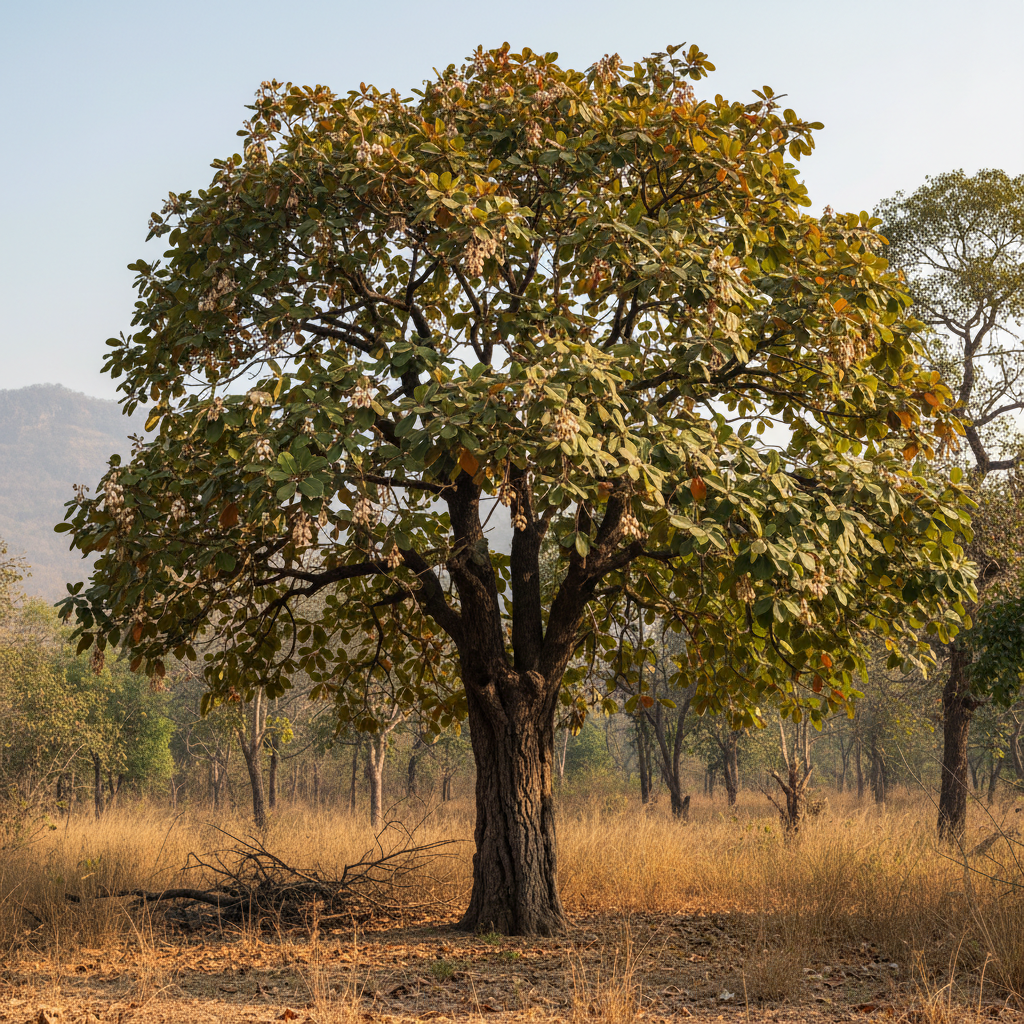
Mahua (Madhuca longifolia)

Habit:
Large, deciduous tree up to 20m tall with a large spreading crown.

Uses:
• Flowers are edible and used to produce alcohol.
• Seeds yield 'Mahua butter' (oil) used in cooking/soap.
• Bark has medicinal properties for treating rheumatism.
Made byBobr AI

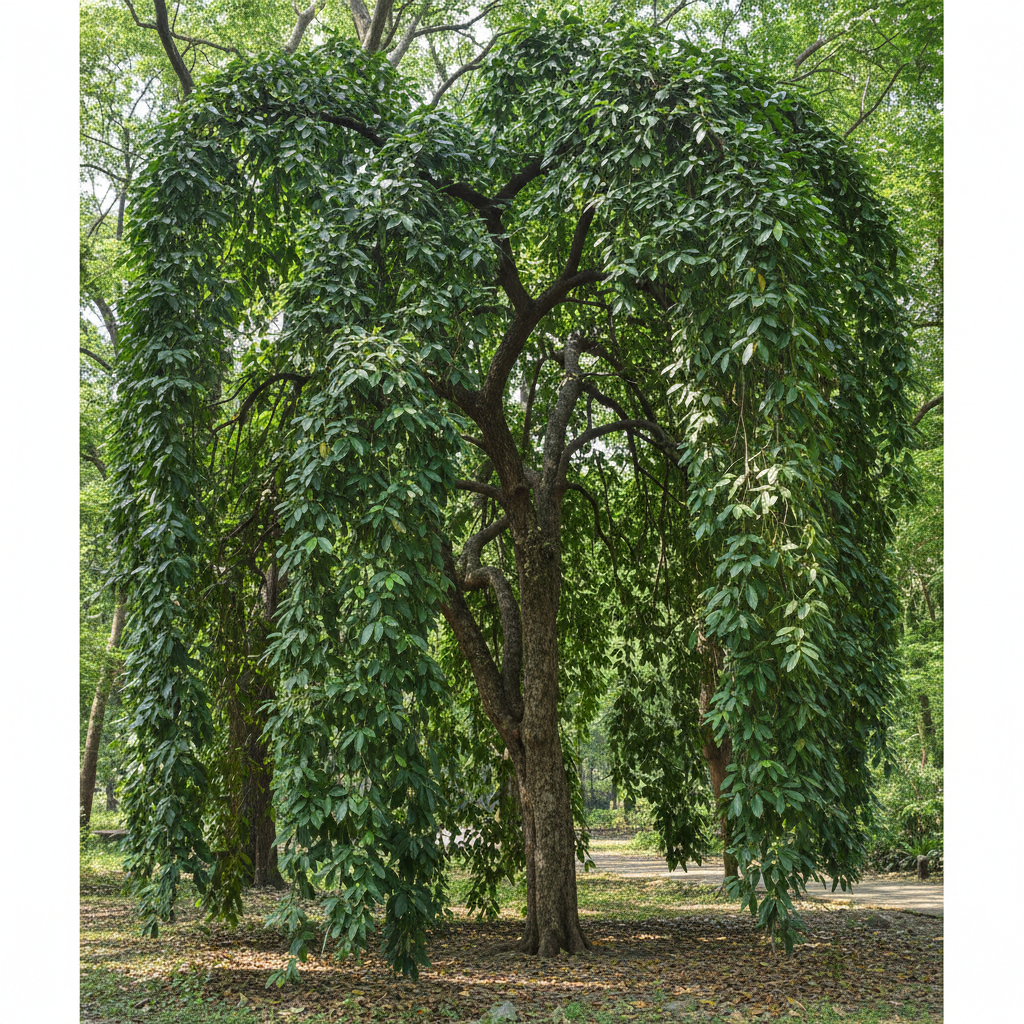
Putranjiva (Putranjiva roxburghii)

Habit:
Moderate-sized evergreen tree with drooping branches and dark green shiny leaves.

Uses:
• Seeds are traditionally strung into necklaces for children's health.
• Leaves and fruits are used in treating colds and fever.
• Often planted as an ornamental tree.
Made byBobr AI

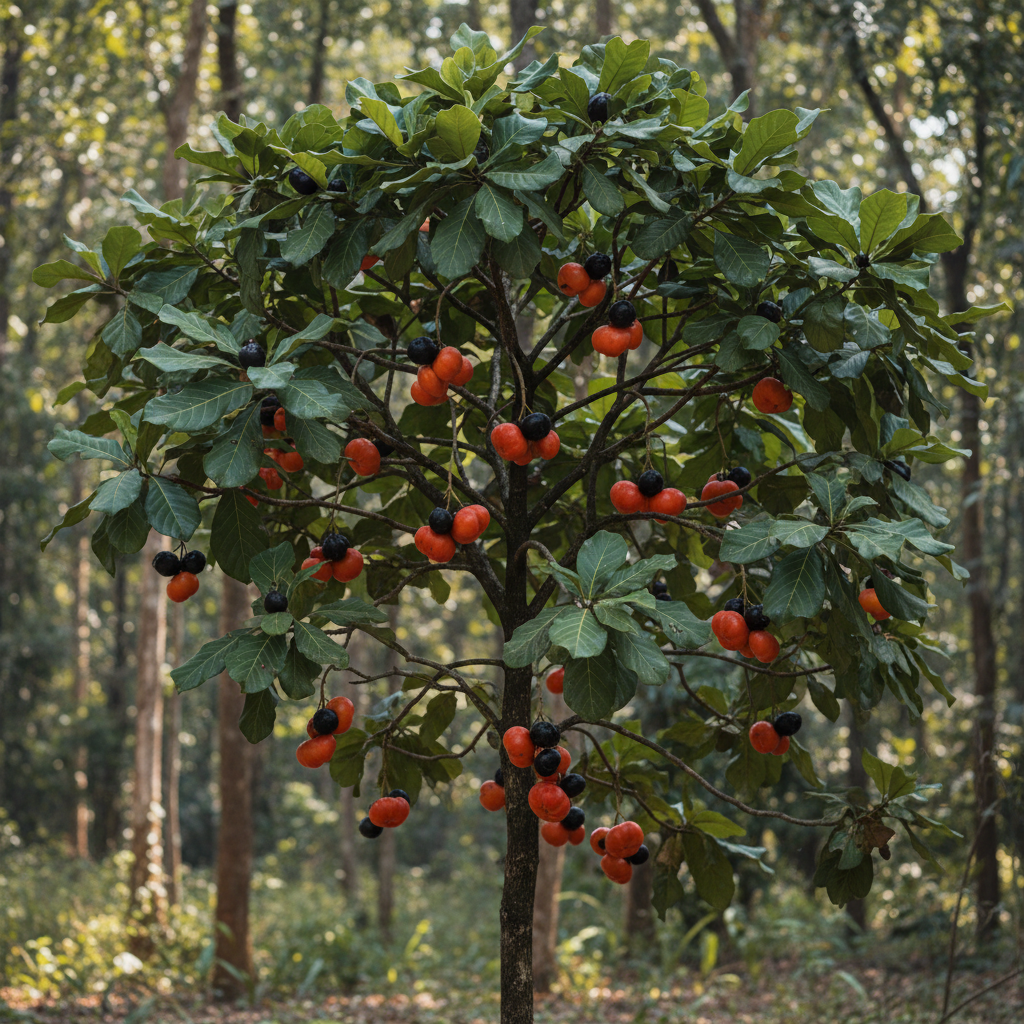
Bibba (Semecarpus anacardium)

Habit:
Moderate-sized deciduous tree with large, simple, leathery leaves. Known as the Marking Nut tree.

Uses:
• Black resin from the fruit is used as indelible ink for marking clothes.
• Fruits and seeds are used in Ayurveda for skin ailments and digestive issues (after purification).
Made byBobr AI

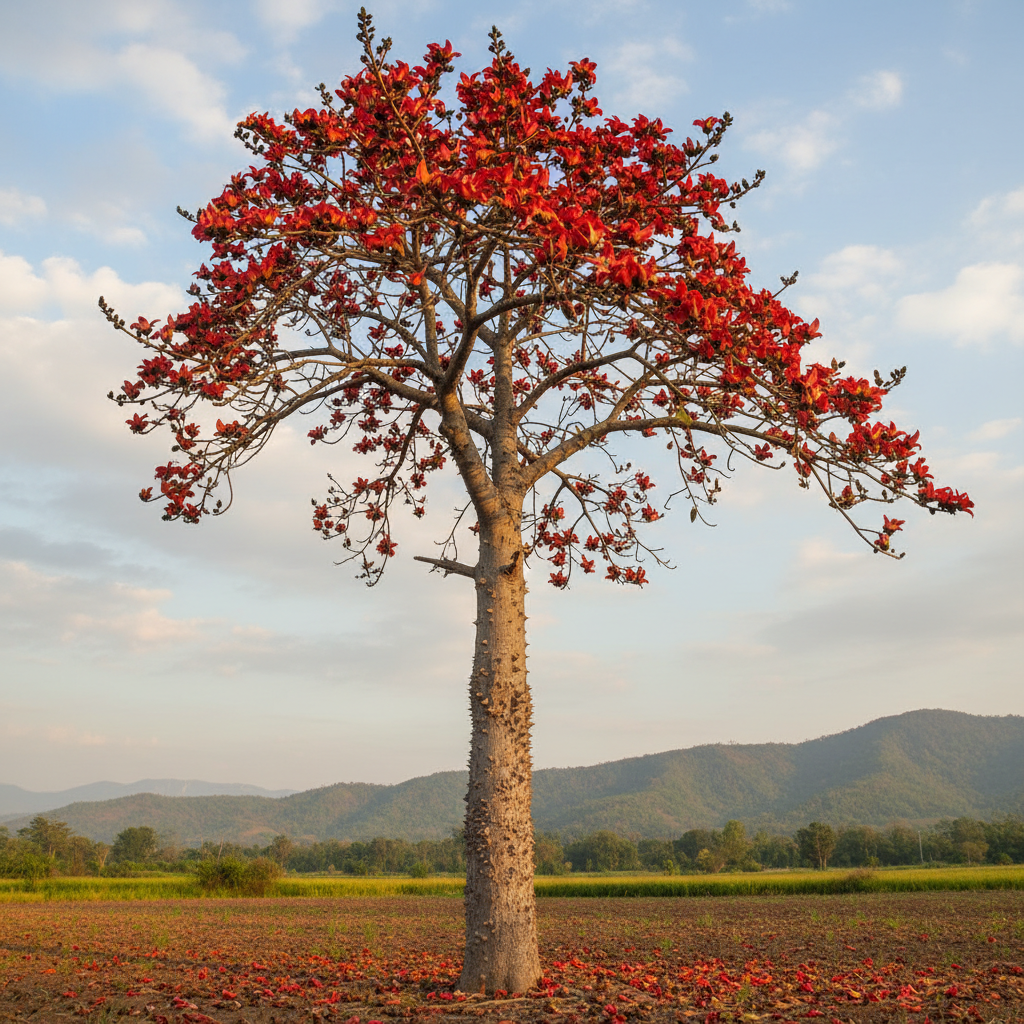
Semal (Bombax ceiba)

Habit:
Tall deciduous tree with a buttressed trunk and thorny bark. Grows large red flowers (Silk Cotton Tree).

Uses:
• Cotton fibers (kapok) surrounding seeds are used for stuffing pillows/cushions.
• Roots (Semal Musli) are used as a health tonic.
• Gum (Mocharas) is used medicinally.
Made byBobr AI

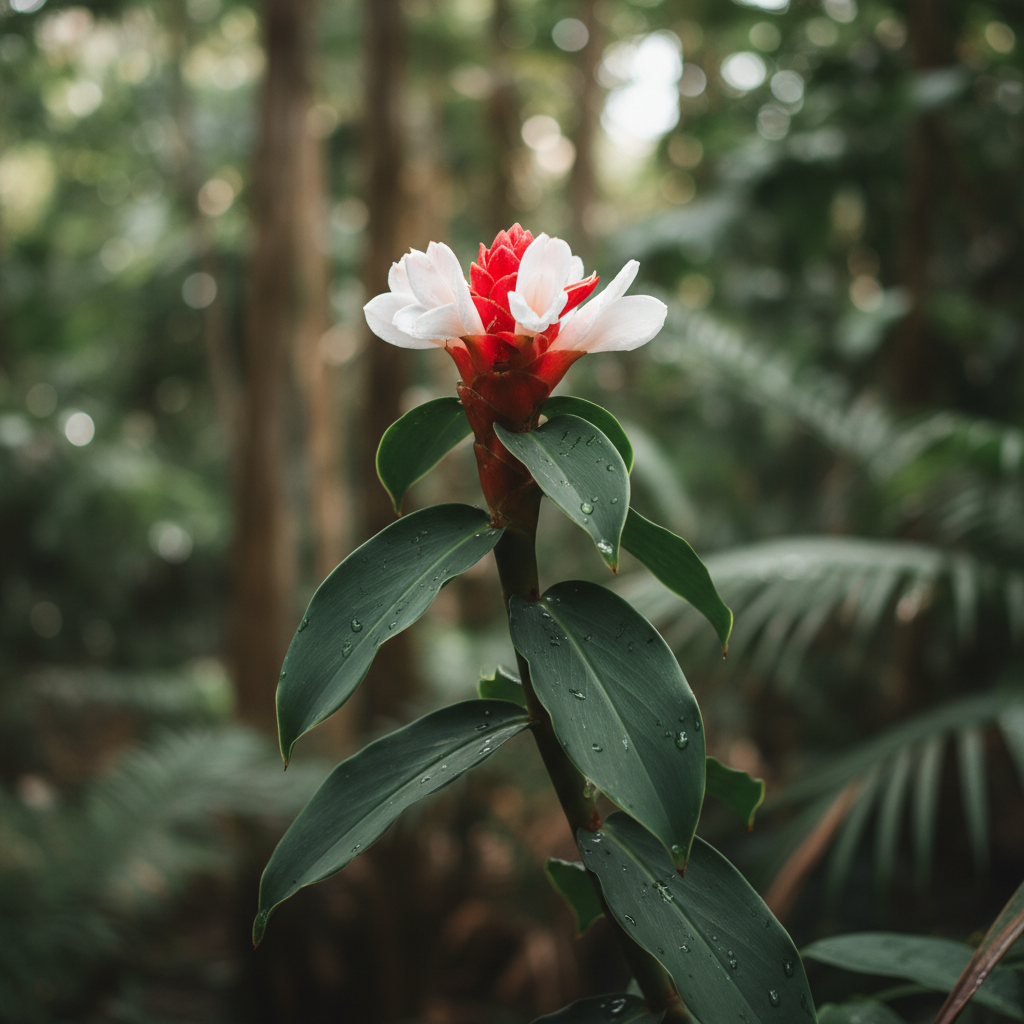
Spiral Ginger (Costus speciosus)

Habit:
Perennial herb with underground horizontal rhizomes and spirally arranged leaves. Often found in moist shady areas.

Uses:
• The rhizome (Costus root) is used in Ayurveda to treat fever, respiratory disorders, and diabetes.
• It is also grown as an ornamental plant for its beautiful white flowers.
Made byBobr AI

Learning Outcomes

  • ✓ Gained deep awareness about environmental conservation.
  • ✓ Learned sustainable waste and energy management practices.
  • ✓ Understood the identification and medicinal value of local plants.
  • ✓ Developed teamwork and practical field learning skills.
  • ✓ Built a positive attitude towards nature conservation.
Made byBobr AI

Conclusion

The field visit to Keshav Srushti was a highly informative and enriching experience. It successfully helped in understanding environmental and botanical concepts practically, strengthening the connection between theoretical syllabus knowledge and real-life applications. Overall, a vital educational journey for TYBSc Botany students.

Made byBobr AI

Thank You

Questions & Discussion

Made byBobr AI
Bobr AI

DESIGNER-MADE
PRESENTATION,
GENERATED FROM
YOUR PROMPT

Create your own professional slide deck with real images, data charts, and unique design in under a minute.

Generate For Free

Botany Field Visit Report: Keshav Srushti Biodiversity

Explore a comprehensive TYBSc Botany field report from Keshav Srushti, covering medicinal plants, sustainable agarbatti making, and renewable energy.

Field Visit Report

Botany Field Study Report | TYBSc

Presented by Mitali Shinde | Guru Nanak Khalsa College | 19 Dec 2025

Introduction

Keshav Srushti is an environmental education centre dedicated to biodiversity conservation and sustainable living. It provides a natural learning environment where students can observe plants, ecosystems, and eco-friendly practices firsthand. This visit bridged the gap between theoretical classroom knowledge and real-world environmental applications.

Objectives of the Field Visit

To study plant life in a natural ecosystem.

To understand biodiversity and its ecological importance.

To learn about medicinal plants and traditional knowledge.

To observe sustainable practices related to waste management and energy.

To improve practical and observational skills.

Activities Conducted

• Guided tour of the campus to observe flora and fauna.<br><br>• Detailed observation of different plant species and their habitats.<br><br>• Learning sessions on environmental conservation methods.<br><br>• Participation in hands-on activities related to sustainability.

Agarbatti Making

<b>Introduction:</b><br>Natural agarbatti is a traditional incense stick prepared using organic materials such as cow dung, sawdust, and camphor. Since it is made without chemical substances, it is harmless to health and does not cause environmental pollution.<br><br><b>Process:</b><br>Cow dung is first mixed with sawdust to obtain a soft and uniform mixture. Camphor is added to this mixture to provide a pleasant smell. The prepared mixture is kneaded properly and then shaped into thin sticks by hand. These sticks are kept in shade for drying until they become hard.<br><br><b>Uses:</b><br>Natural agarbatti is mainly used during prayers and meditation. It gives a gentle fragrance, helps in keeping insects away, and maintains freshness in the surrounding environment in a natural way.

Biogas and Biofuel Practices

Students learned about renewable energy cycles involves specific processes:<br><br>1. <b>Production:</b> Converting organic kitchen and garden waste into biogas.<br>2. <b>Processing:</b> Preparation of biofuel or biopellets from residue.<br>3. <b>Impact:</b> Significant reduction in pollution and reliance on non-renewable fuels.

Kadamba (<i>Neolamarckia cadamba</i>)

<b>Habit:</b><br>Large, evergreen to deciduous tree with a straight cylindrical bole and horizontal branches.<br><br><b>Uses:</b><br>• Timber is used for plywood, paper pulp, and boxes.<br>• Bark and leaves are used medicinally for fever and inflammation.

Mahua (<i>Madhuca longifolia</i>)

<b>Habit:</b><br>Large, deciduous tree up to 20m tall with a large spreading crown.<br><br><b>Uses:</b><br>• Flowers are edible and used to produce alcohol.<br>• Seeds yield 'Mahua butter' (oil) used in cooking/soap.<br>• Bark has medicinal properties for treating rheumatism.

Putranjiva (<i>Putranjiva roxburghii</i>)

<b>Habit:</b><br>Moderate-sized evergreen tree with drooping branches and dark green shiny leaves.<br><br><b>Uses:</b><br>• Seeds are traditionally strung into necklaces for children's health.<br>• Leaves and fruits are used in treating colds and fever.<br>• Often planted as an ornamental tree.

Bibba (<i>Semecarpus anacardium</i>)

<b>Habit:</b><br>Moderate-sized deciduous tree with large, simple, leathery leaves. Known as the Marking Nut tree.<br><br><b>Uses:</b><br>• Black resin from the fruit is used as indelible ink for marking clothes.<br>• Fruits and seeds are used in Ayurveda for skin ailments and digestive issues (after purification).

Semal (<i>Bombax ceiba</i>)

<b>Habit:</b><br>Tall deciduous tree with a buttressed trunk and thorny bark. Grows large red flowers (Silk Cotton Tree).<br><br><b>Uses:</b><br>• Cotton fibers (kapok) surrounding seeds are used for stuffing pillows/cushions.<br>• Roots (Semal Musli) are used as a health tonic.<br>• Gum (Mocharas) is used medicinally.

Spiral Ginger (<i>Costus speciosus</i>)

<b>Habit:</b><br>Perennial herb with underground horizontal rhizomes and spirally arranged leaves. Often found in moist shady areas.<br><br><b>Uses:</b><br>• The rhizome (Costus root) is used in Ayurveda to treat fever, respiratory disorders, and diabetes.<br>• It is also grown as an ornamental plant for its beautiful white flowers.

Learning Outcomes

Gained deep awareness about environmental conservation.

Learned sustainable waste and energy management practices.

Understood the identification and medicinal value of local plants.

Developed teamwork and practical field learning skills.

Built a positive attitude towards nature conservation.

Conclusion

The field visit to Keshav Srushti was a highly informative and enriching experience. It successfully helped in understanding environmental and botanical concepts practically, strengthening the connection between theoretical syllabus knowledge and real-life applications. Overall, a vital educational journey for TYBSc Botany students.

Thank You

Questions & Discussion

  • botany
  • field-report
  • keshav-srushti
  • medicinal-plants
  • biodiversity
  • sustainability
  • environmental-science
  • tybsc