


Guide to Andaman & Nicobar Islands: History, Tribes & Nature
Explore the Andaman & Nicobar Islands. Learn about their historical significance, indigenous tribes like the Sentinelese, biodiversity, and strategic role.
Andaman & Nicobar Islands
Emerald Isles of the Bay of Bengal
Geographical Context
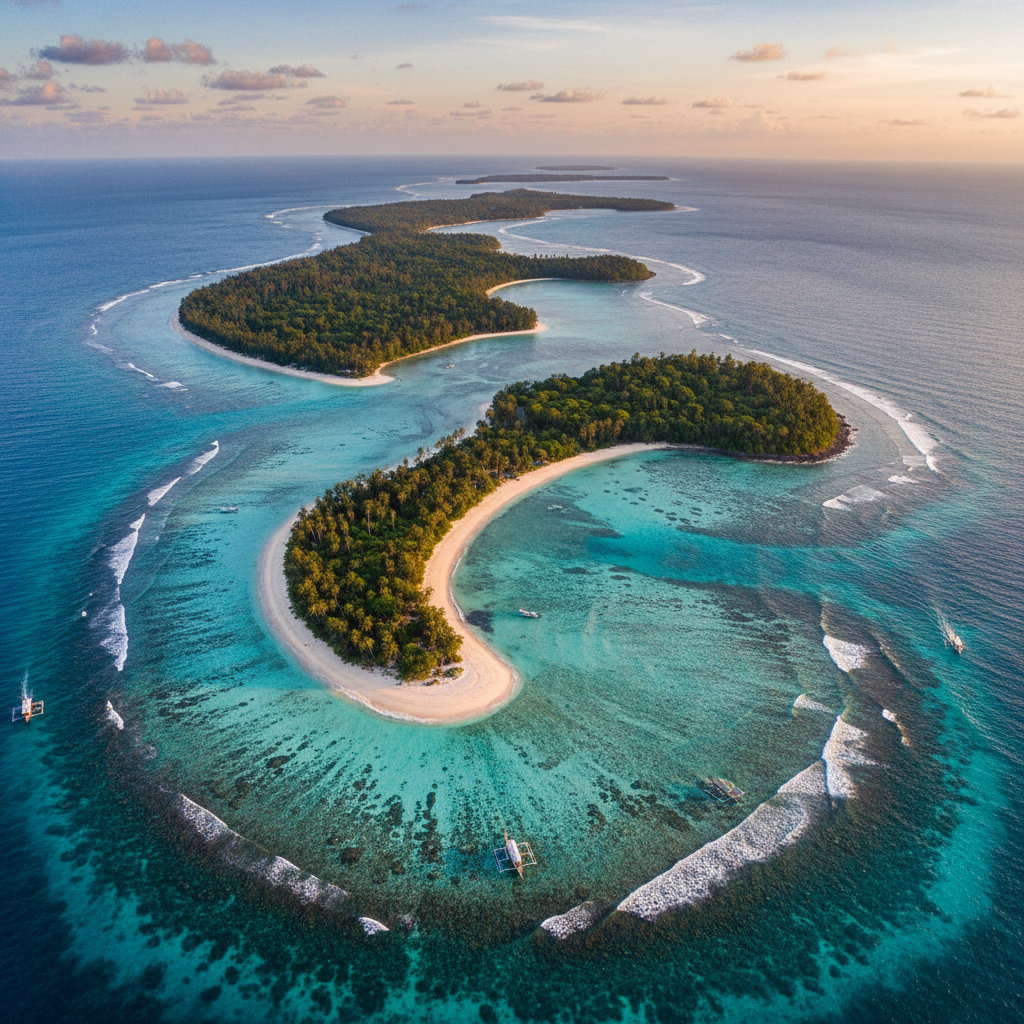
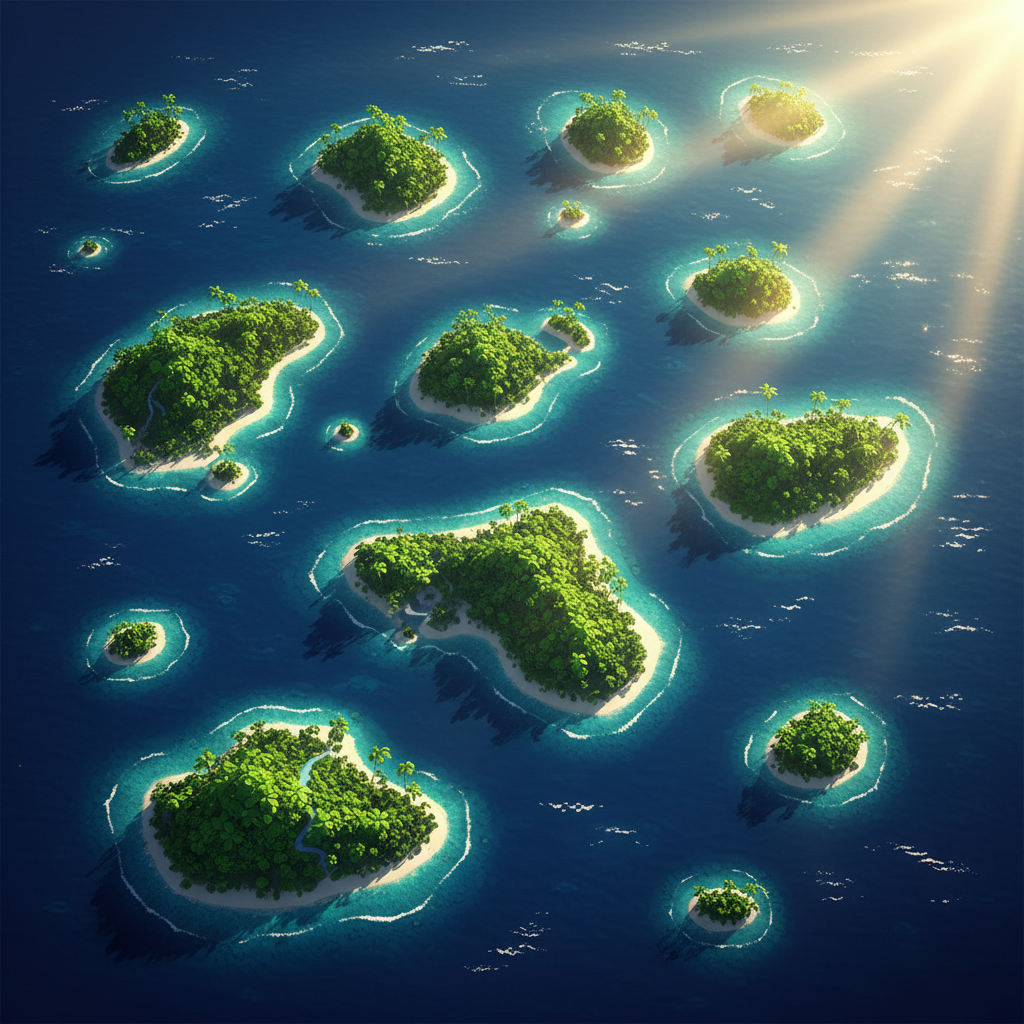
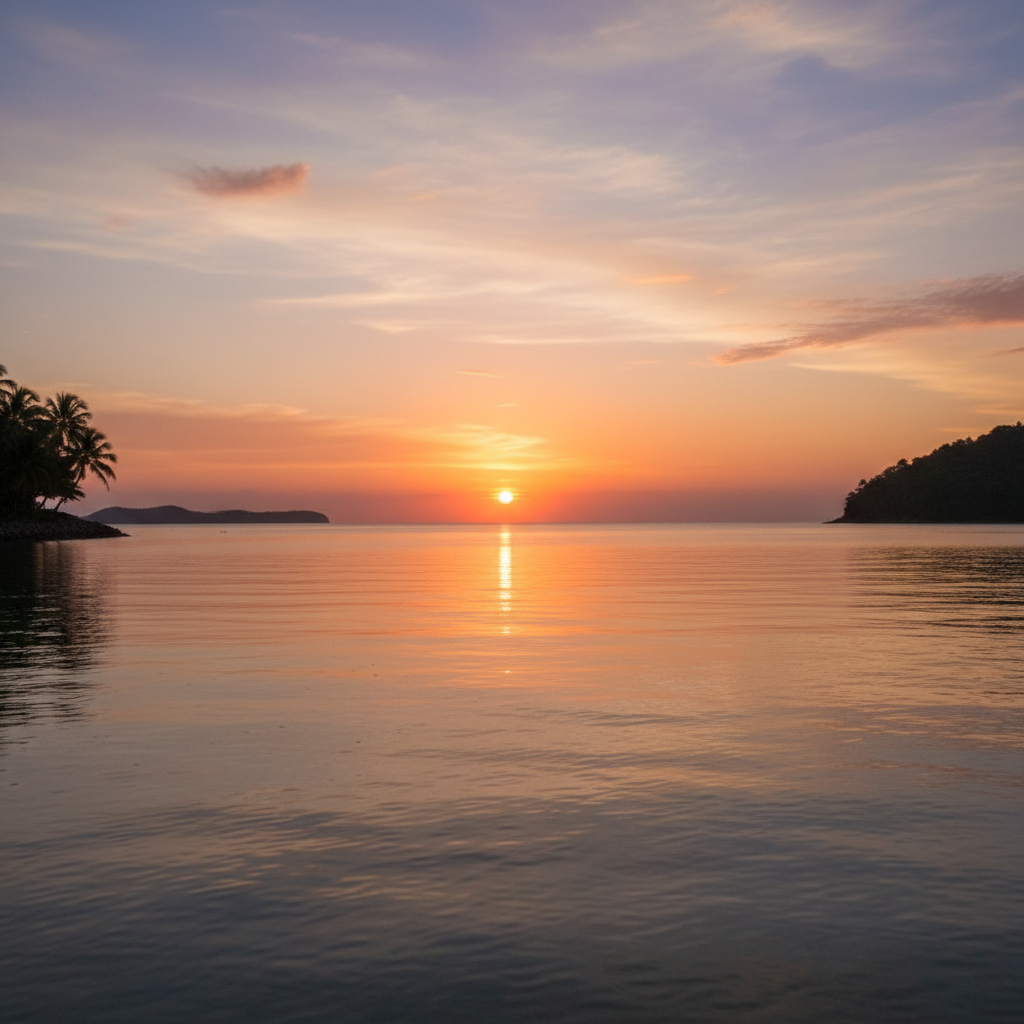
The Andaman & Nicobar Islands are a union territory of India consisting of 572 islands, of which only 38 are inhabited. Located at the juncture of the Bay of Bengal and the Andaman Sea, the archipelago is geographically closer to Myanmar and Thailand than to the Indian mainland, making it a critical maritime convergence point.
Historical Significance
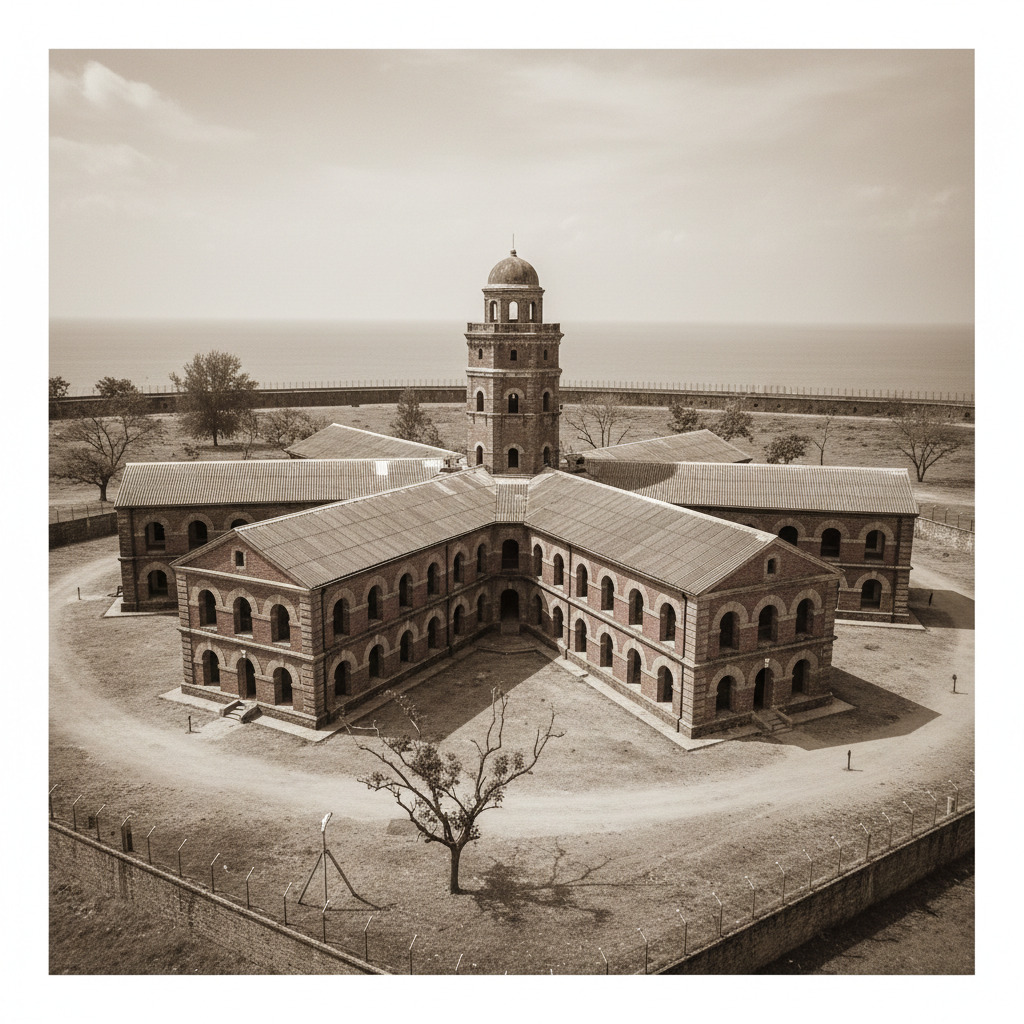
Known historically as 'Kalapani' or Black Waters, the islands housed the infamous Cellular Jail during British colonial rule. It served as a penal colony for Indian freedom fighters. During World War II, the islands were briefly occupied by Japanese forces, the only part of India to be under Japanese control.
Indigenous Tribes
Sentinelese: One of the most isolated uncontacted tribes in the world.
Jarawas: Reside in the tribal reserves of Middle and South Andaman.
Onge & Great Andamanese: Smaller populations, largely settled and supported by admin.
Shompen: Indigenous people of the interior of Great Nicobar Island.
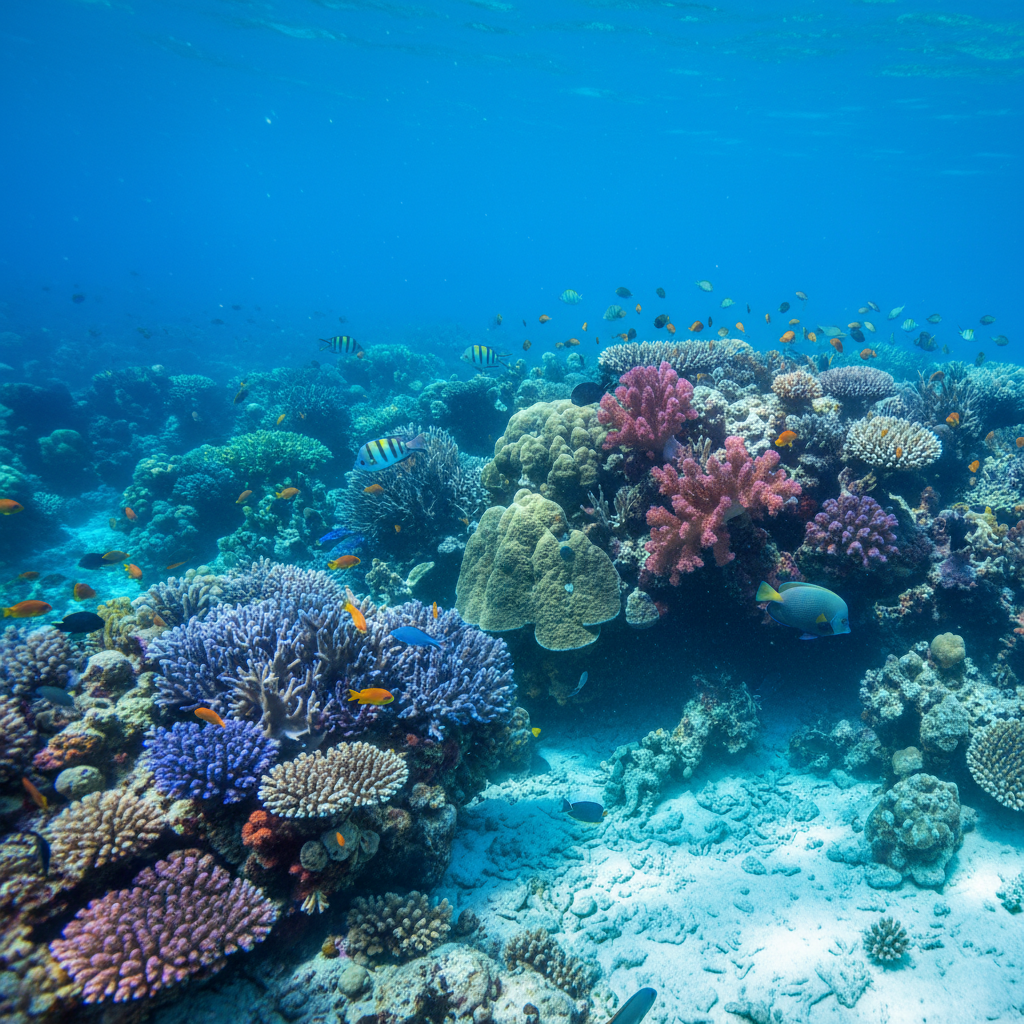
Rich Biodiversity & Marine Life
Often described as an 'Unsinkable Aircraft Carrier', the islands are vital for India's maritime security and power projection in the Indian Ocean Region.
Strategic Perspective
Sustainable Tourism Economy
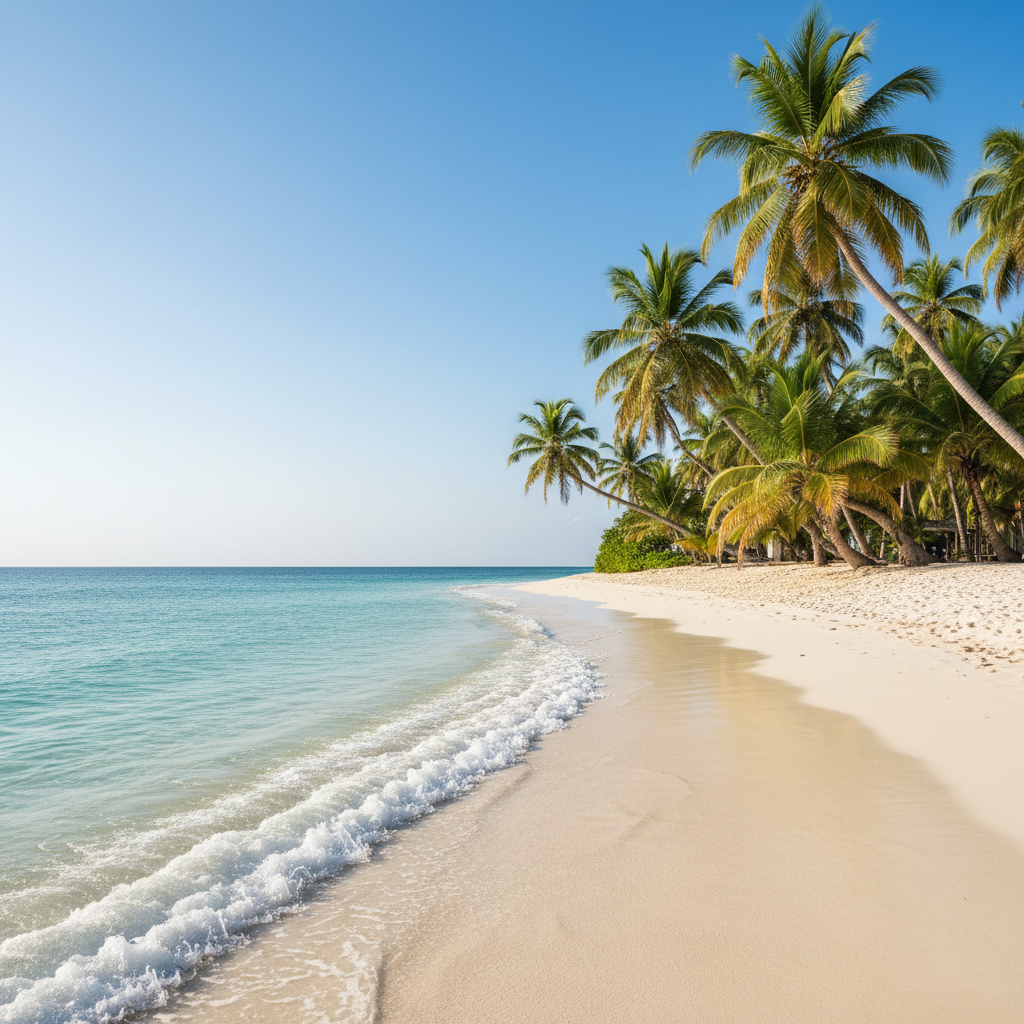
Tourism is a rapidly growing sector, with attractions like Radhanagar Beach (often ranked among Asia's best) and world-class scuba diving spots. The administration focuses on high-value, low-volume eco-tourism to preserve the fragile ecosystem.
Administrative Framework
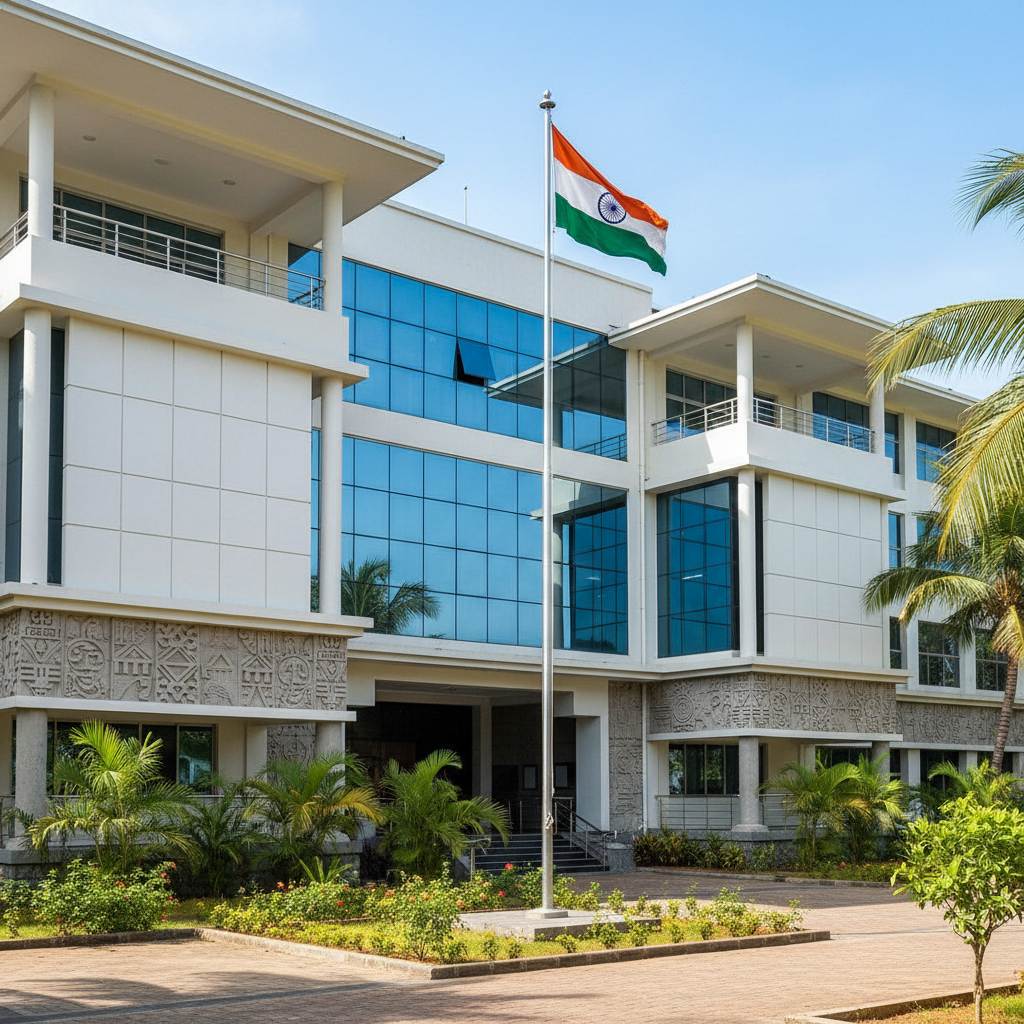
Governance: Union Territory administered by a Lieutenant Governor appointed by the President of India.
Capital: Port Blair is the administrative headquarters and main entry point.
Judiciary: Under the jurisdiction of the Kolkata High Court.
Development & Challenges
While infrastructure projects like the Trans-Shipment Port at Great Nicobar aim to boost the economy, they raise environmental concerns. Balancing rapid development with the preservation of rainforests, coral reefs, and indigenous rights remains the primary challenge for policymakers.
Future Outlook
The Andaman & Nicobar Islands stand at a crossroads of opportunity. With prudent policies, they can emerge as a model for sustainable island development, leveraging their strategic location and natural beauty while safeguarding their unique heritage for future generations.
- andaman-nicobar
- india-tourism
- cellular-jail
- sentinelese
- eco-tourism
- indian-ocean
- geography