
History of the Indian National Congress: Freedom Struggle
Explore the historic journey of the Indian National Congress from 1885 to independence. Learn about Gandhi, Nehru, and major freedom movements.
The Indian National Congress
A Historic Journey Towards Freedom and Nation Building
Name: Anvita<br>Class: 8th-C<br>Roll number: 4
What is the INC?
The Indian National Congress (INC) is one of the oldest political parties in the world. It was the principal leader of the Indian independence movement against British rule. It united people from different religions, castes, and regions under one flag. Founded in 1885, it played a pivotal role in shaping India's destiny, guided by principles of democracy, secularism, and social equality.
The First Session (1885)
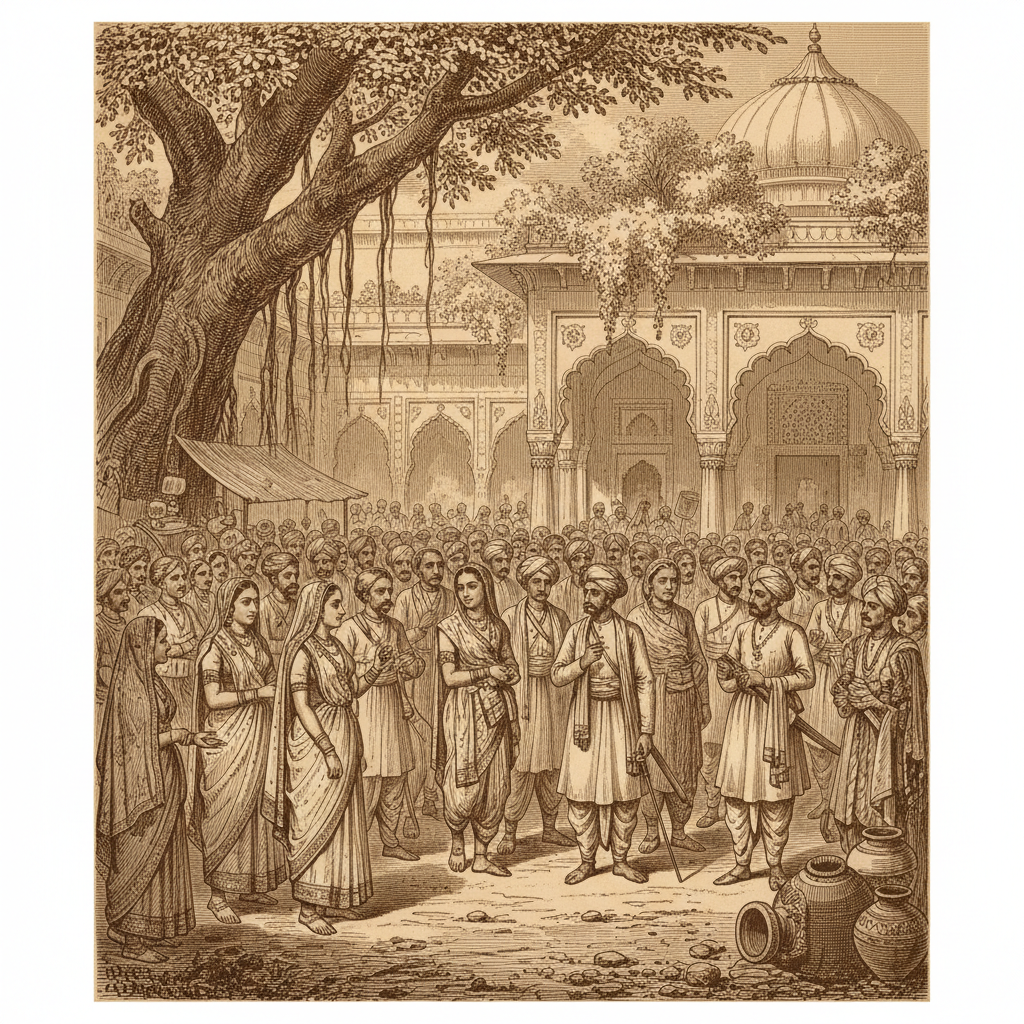
Founded by A.O. Hume, the first session was held in Bombay. It started small but grew rapidly. W.C. Bonnerjee was the first president. The 72 delegates represented a cross-section of educated Indians, marking the modest yet significant beginning of organized nationalism in India.
The Moderates (1885-1905)
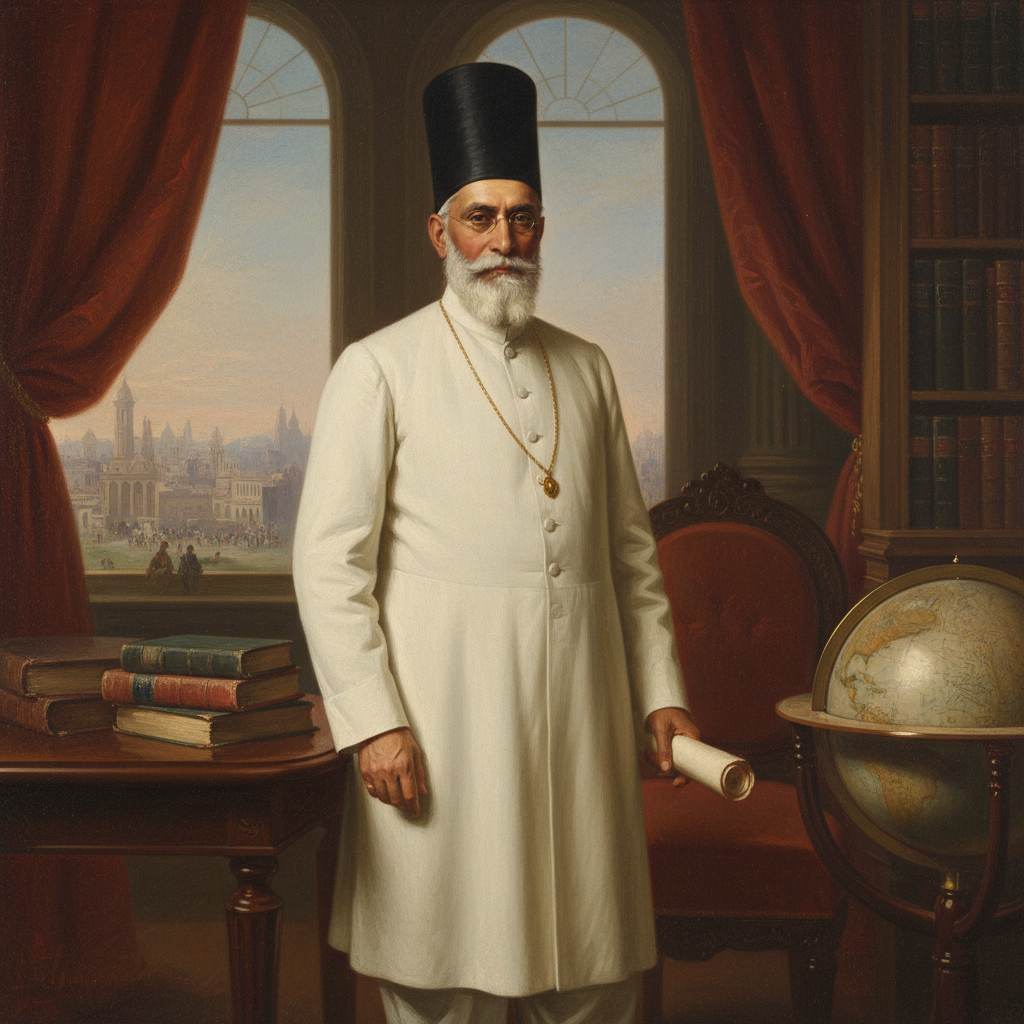
In the early years, Congress leaders were called 'Moderates'. They believed in peaceful methods like 'Prayer, Petition, and Protest'. They sought colonial self-government within the British Empire and focused on administrative reforms, civil rights, and economic critique of British rule. Important leaders included Dadabhai Naoroji and Gopal Krishna Gokhale.
"Swaraj is my birthright and I shall have it!"
- Bal Gangadhar Tilak, representing the rise of radical nationalism and the demand for absolute independence.
Arrival of Mahatma Gandhi
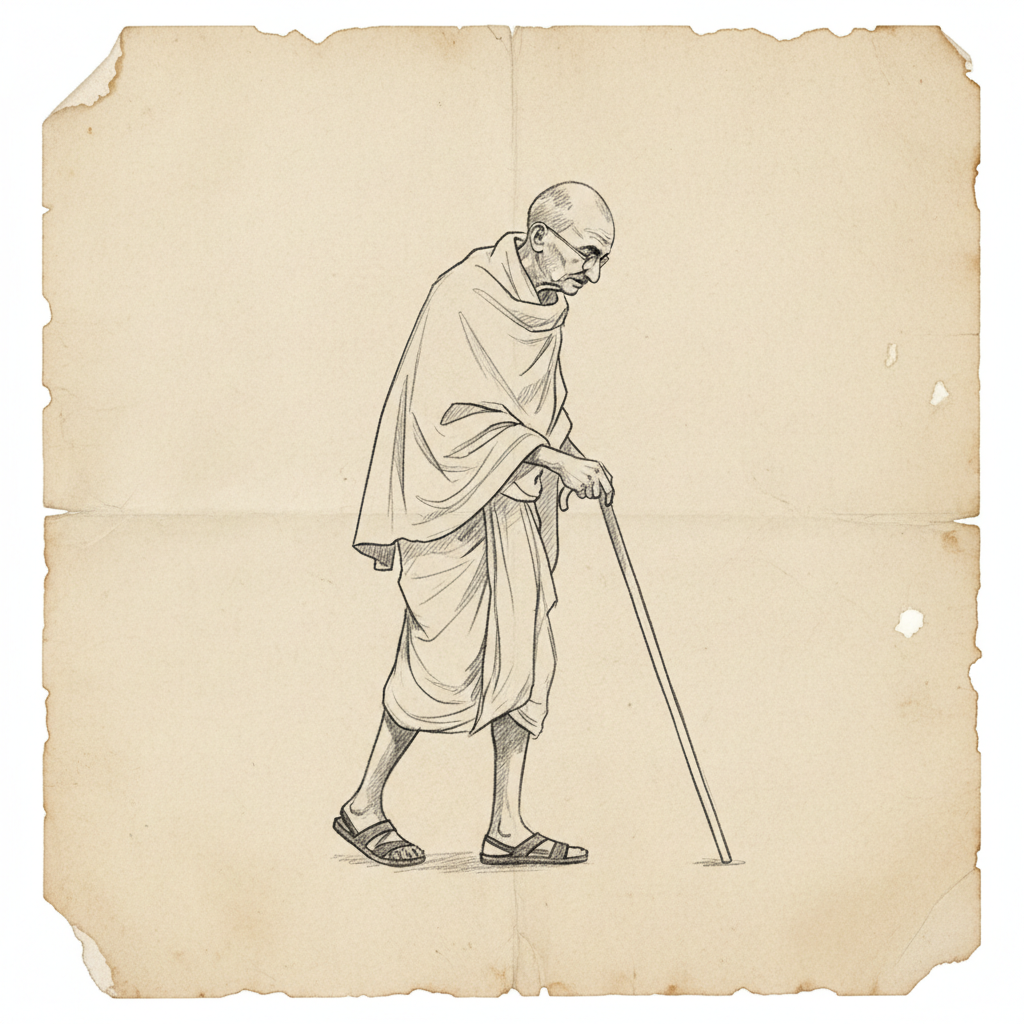
Mahatma Gandhi returned to India in 1915. He transformed the Congress into a mass movement involving peasants and workers. He introduced 'Satyagraha' (truth) and 'Ahimsa' (non-violence) as political tools. Under his leadership, movements like Non-Cooperation and Civil Disobedience engaged millions, shaking the foundations of the British Empire.
Major Freedom Movements
Non-Cooperation Movement (1920): Aiming for Swaraj, Indians returned British titles, boycotted foreign goods, schools, and courts, marking the first nationwide mass resistance against colonial rule.
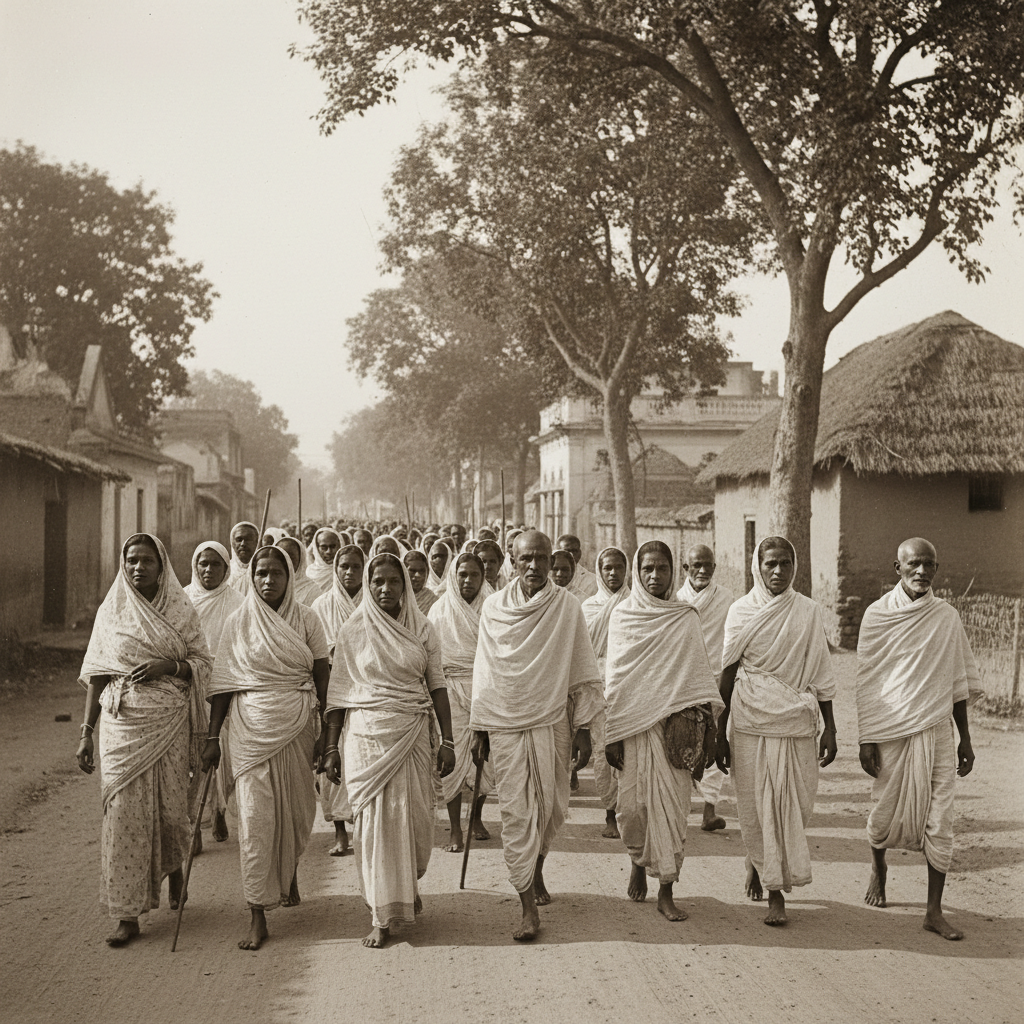
Civil Disobedience Movement (1930): Triggered by the historic Dandi March to break the salt tax, this movement saw widespread participation from women and peasants, challenging British authority directly.
Quit India Movement (1942): Amidst WWII, Gandhi launched the final push with the 'Do or Die' call, leading to massive protests and the eventual realization that British exit was inevitable.
Independence - August 15, 1947
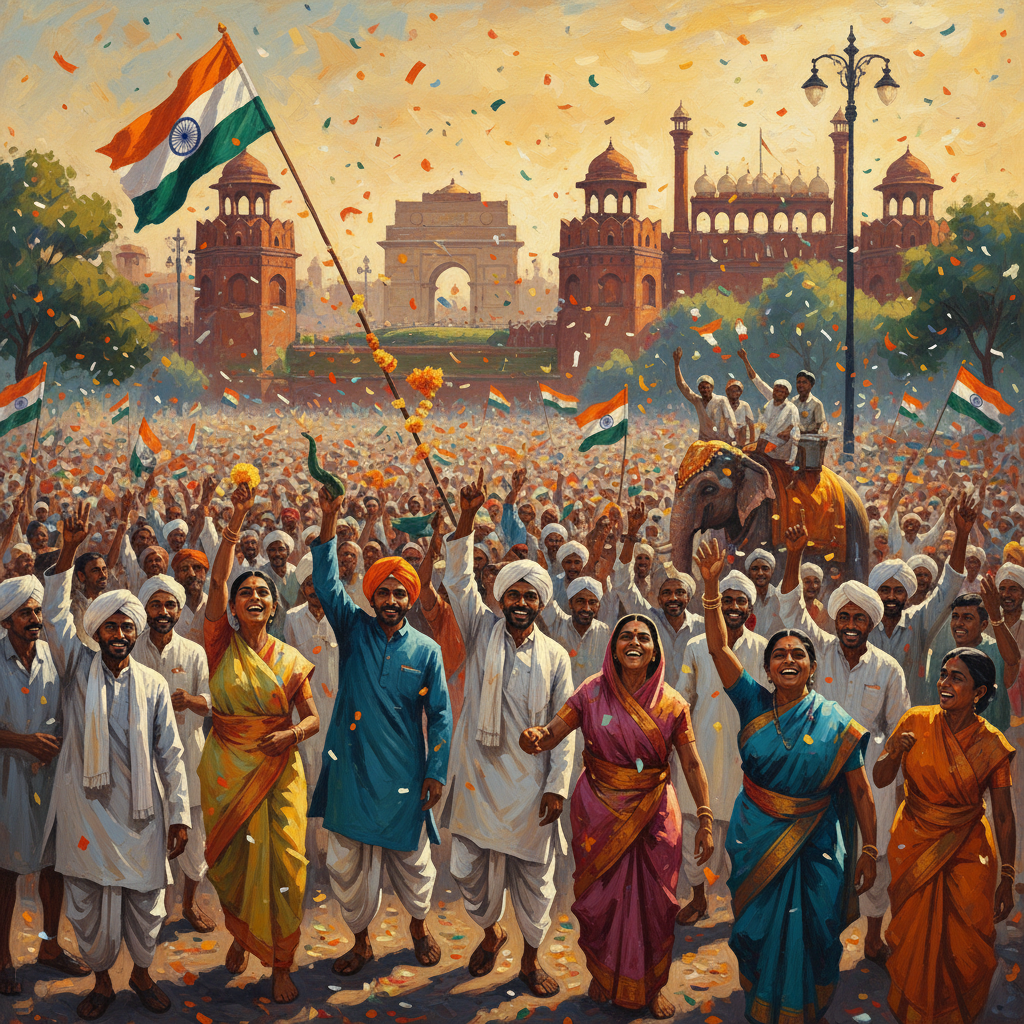
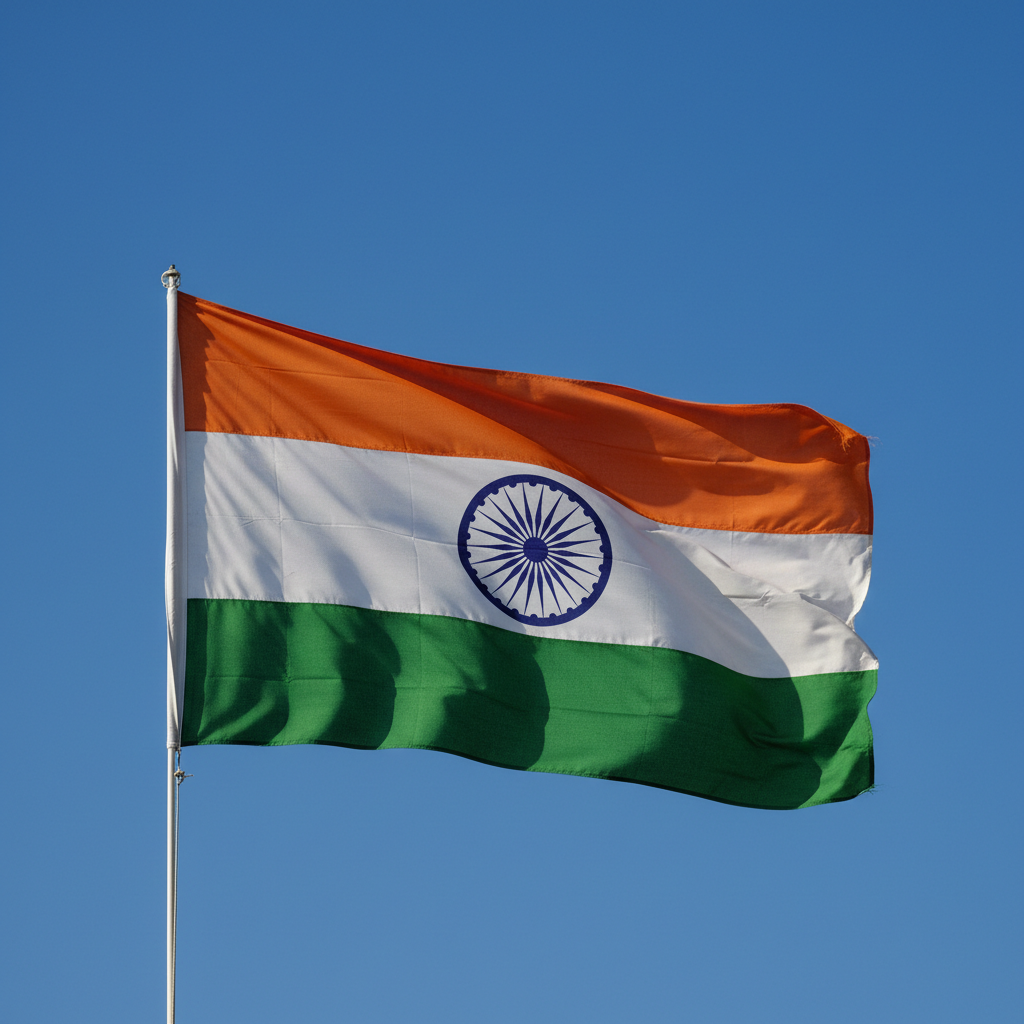
On this historic midnight, India awoke to life and freedom. The Tricolor was unfurled, marking the end of nearly 200 years of colonial rule and the birth of a sovereign democratic nation under Congress leadership.
Post-Independence Leadership
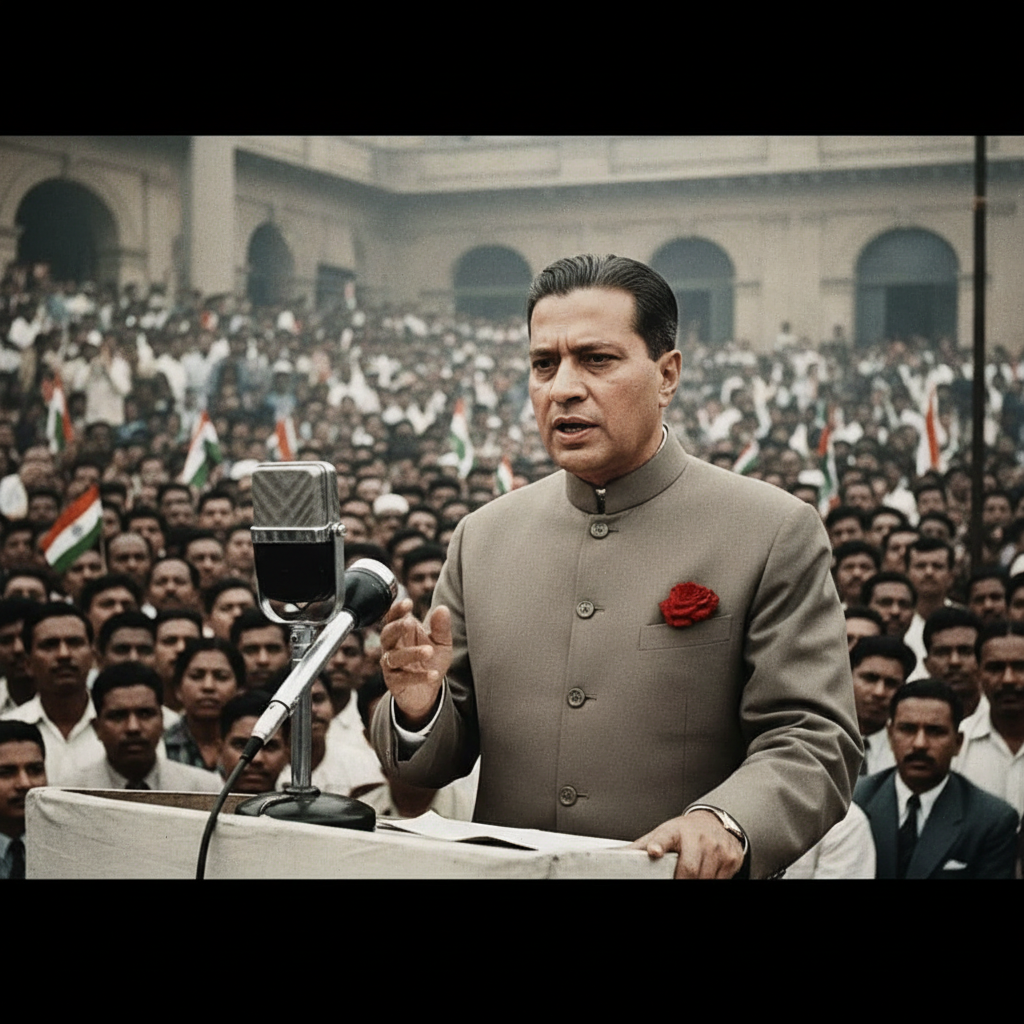
Jawaharlal Nehru, as the first Prime Minister, architected modern India. The Congress guided the nation through partition challenges, framed a progressive Constitution in 1950, and established foundational institutions for science, industry, and democracy.
Conclusion & Legacy
The Indian National Congress played the most vital role in India's freedom struggle, uniting millions against British rule. From its early moderate phases to the powerful mass movements led by Gandhi, it shaped the destiny of the nation. Beyond independence, it laid the foundations for a democratic, secular, and modern India, championing values of equality, unity in diversity, and social justice that continue to act as the bedrock of the country today.
Thank You
- indian-national-congress
- history-of-india
- freedom-struggle
- mahatma-gandhi
- indian-independence
- educational
- social-studies