
Tackling Delhi-NCR Air Pollution: Policy & Research 2026
Explore a comprehensive policy proposal to combat Delhi-NCR air pollution, featuring AQI trends, health impact data, and a roadmap for 2030 sustainability.
Combatting Air Pollution in Delhi-NCR
Policy Proposal & Research Portfolio | IB Criteria A-D
Due Date: January 12, 2026
Project Guidelines & Evaluation Criteria
Knowledge (Criteria A): Understanding causes, effects, and GRAP strategies.
Inquiry (Criteria B): Primary interviews and secondary research on AQI trends.
Critical Thinking (Criteria C): Designing a practical policy implementation plan.
Communication (Criteria D): Visual presentation including maps and charts.
The Crisis Now: AQI Levels (Jan 1, 2026)
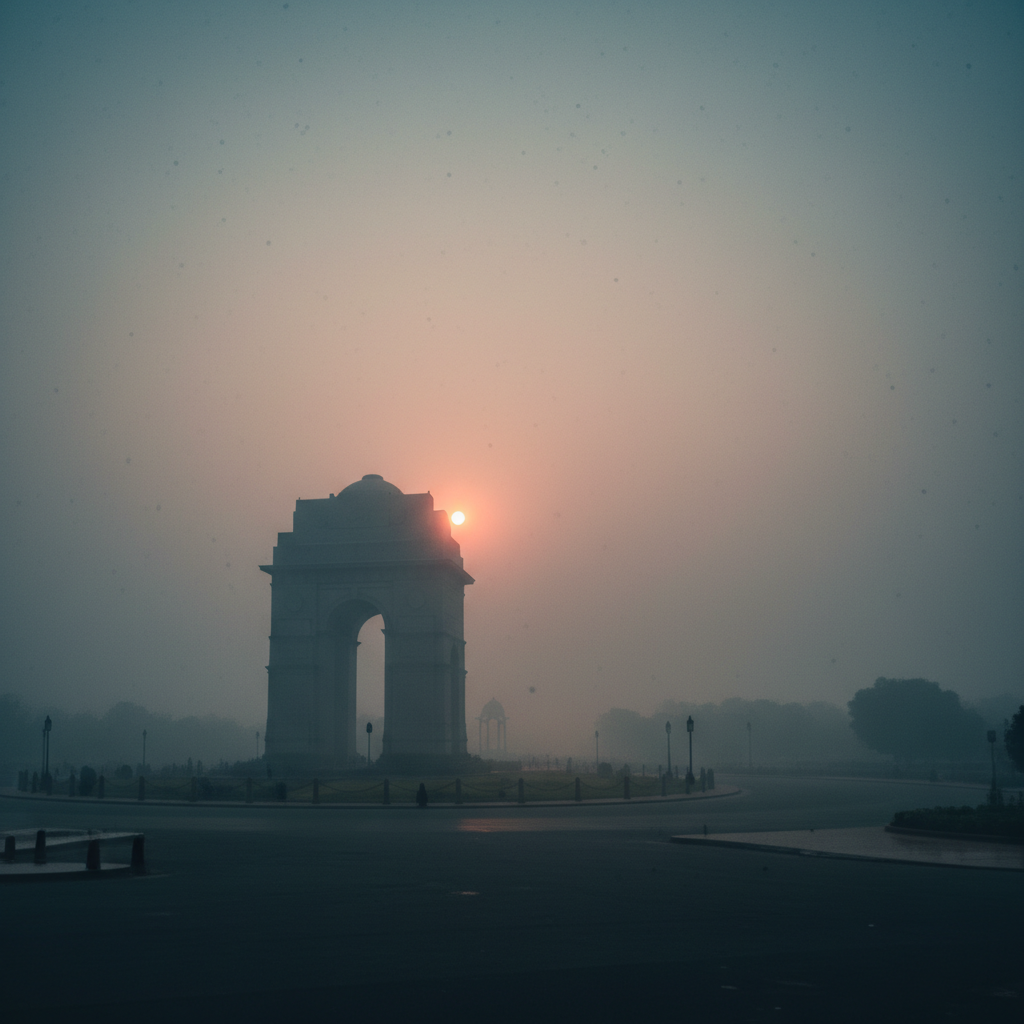
As of Jan 1, 2026, Delhi and NCR cities remain in the 'Very Poor' to 'Severe' categories. Anand Vihar recorded the highest severe levels.
Research Findings: Causes of Pollution
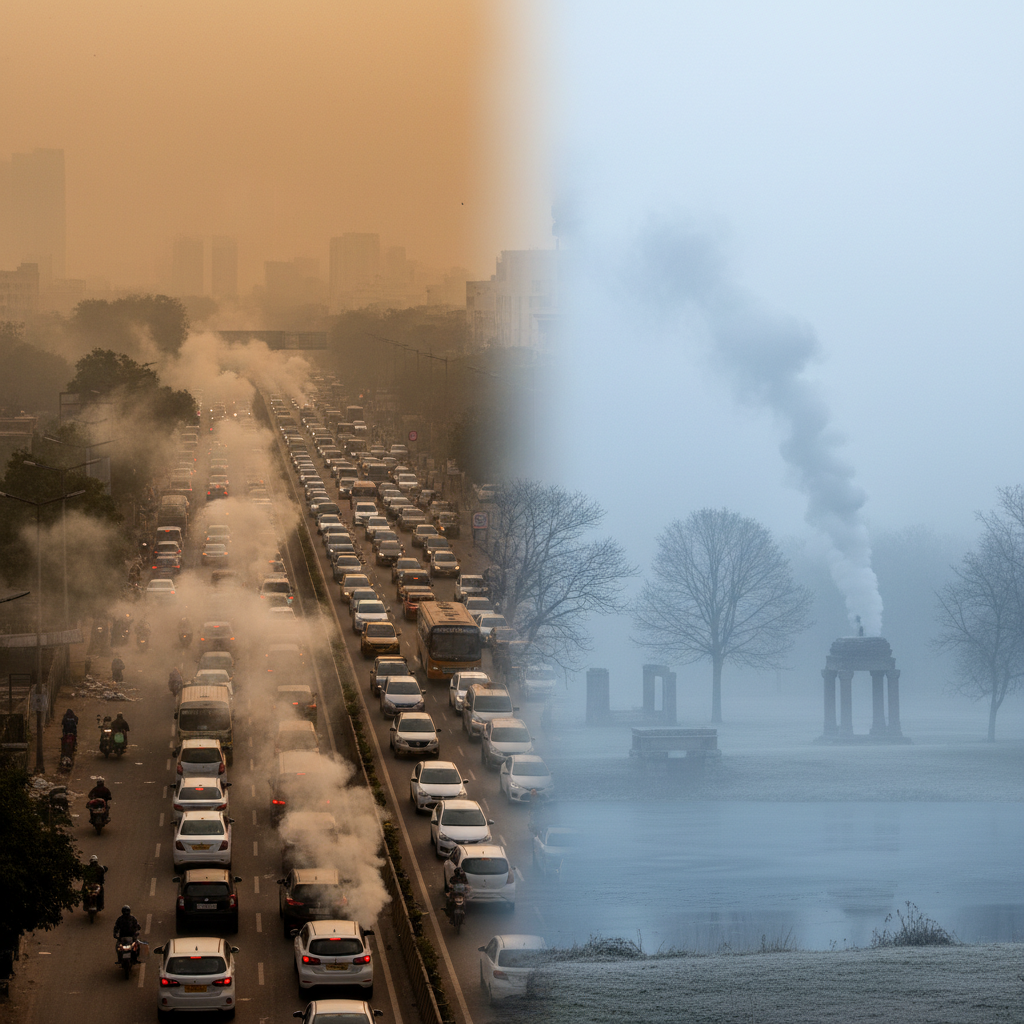
PRIMARY FACTORS: 1. Meteorological: Low wind speeds (<10kmph), dense fog, and low ventilation index trap pollutants. 2. Vehicular Load: Heavy traffic density across NCR. 3. Regional Disparity: Inadequate monitoring in neighboring cities (e.g., Haryana) hides the full extent of regional drift.
Yearly Comparison (2024 vs 2025)
While there was a marginal decline in PM levels in 2025, concentrations remain dangerously high. PM2.5 levels are still nearly 100 µg/m³, far exceeding safe limits.
Health & Environmental Impact
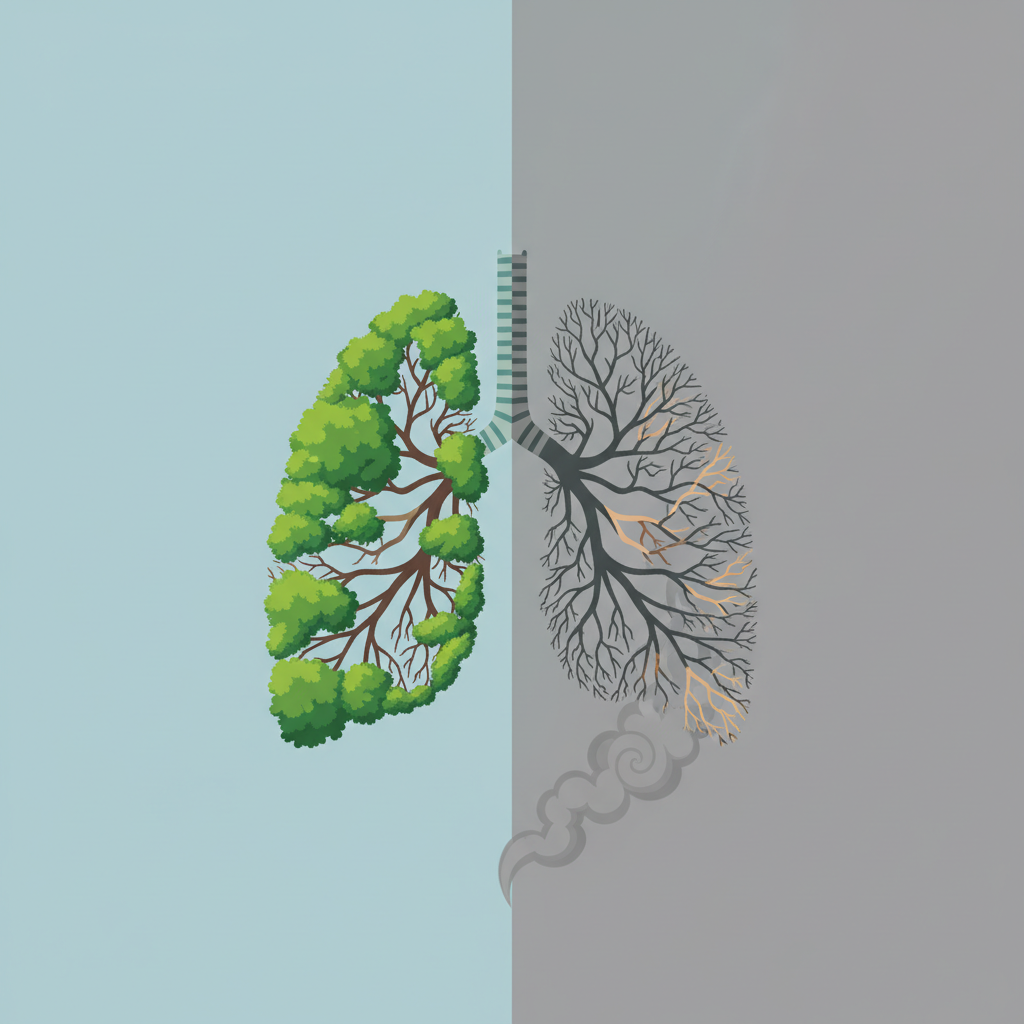
Human Health: 0% of days in 2025 met WHO safe limits. Risks include chronic respiratory disease, heart failure, and stunted lung growth in children. Environment: Accumulated toxins affect urban flora and reduce sunlight penetration, impacting local temperatures.
Policy Proposal: Proposed Solutions
Solution 1: Integrated Transit & Carpooling. Incentivize carpooling apps and expand electric bus fleets to reduce the 12 lakh+ daily violations.
Solution 2: Agricultural Support. Provide subsidized machinery to farmers for stubble management (Alternatives to burning).
Solution 3: Clean Energy Zones. Mandate solar adoption for industries in 'Severe' zones like Anand Vihar.
Implementation Plan & Roadmap
Phase 1 (Month 1-3): Awareness campaigns in schools/offices & Strict construction site audits. Phase 2 (Month 4-6): Rollout of EV subsidies and installation of smog towers in hotspots. Phase 3 (Month 6-12): Full enforcement of penalties for non-compliant industries and cross-state monitoring agreements with Haryana.
Monitoring & Evaluation Strategy
Real-time Data: Increase monitoring stations in Haryana (currently only 14/29 NCR cities have adequate data).
Health Surveillance: Annual respiratory health surveys in schools near hotspots.
Enforcement Metrics: Track reduction in traffic challans and industrial violations over time.
Expected Outcome: By implementing these measures, we aim to reduce the annual average PM2.5 from 96 µg/m³ to below 60 µg/m³ by 2030, ensuring a breathable future for Delhi.
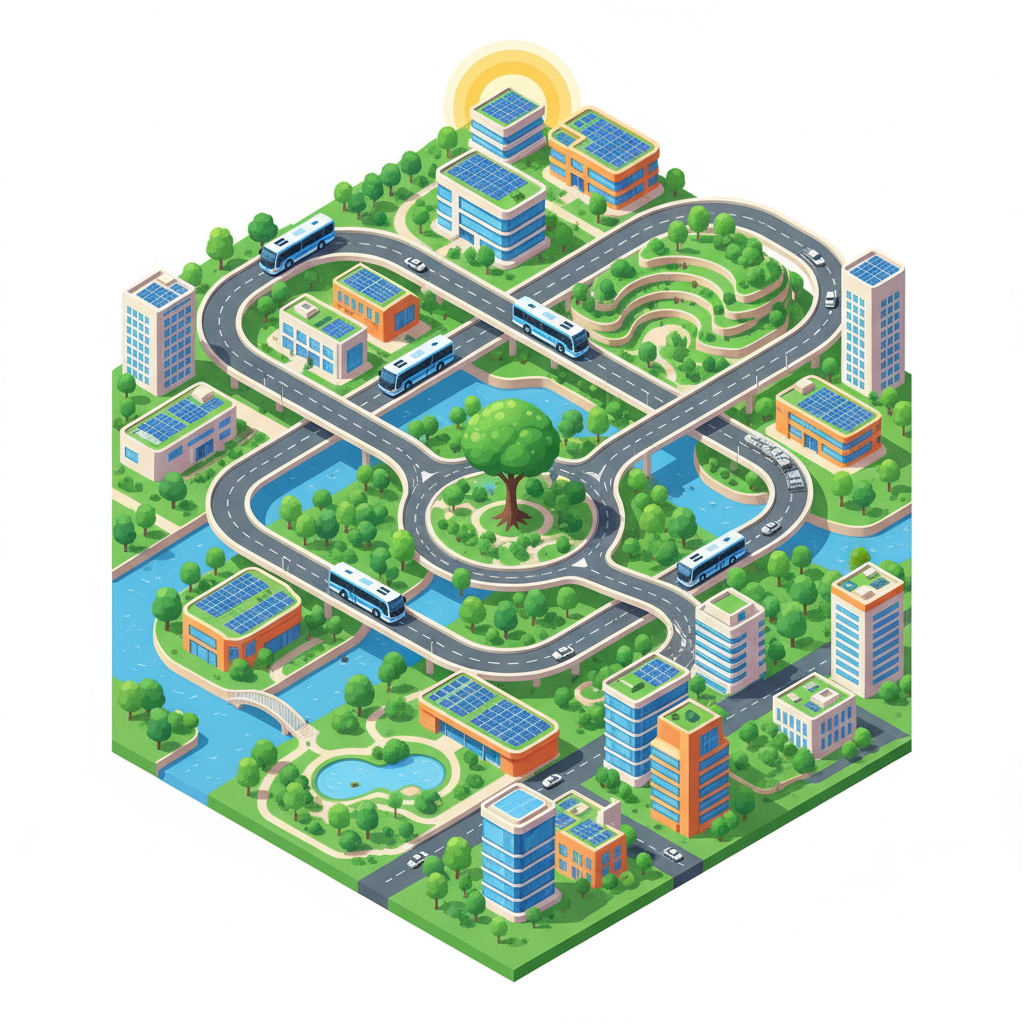
Project Vision 2030
Technical Appendices
Glossary: AQI (Air Quality Index), PM2.5 (Fine Particulate Matter < 2.5 microns), GRAP (Graded Response Action Plan).
Methods: Data collected from CPCB & IQAir reports (2024-2026). Primary interviews conducted with 3 local residents.
References included in the final PDF submission.
- air-pollution
- delhi-ncr
- aqi-trends
- environmental-policy
- sustainability
- public-health
- urban-planning
- research-portfolio