












Cognitive Development in Children with Disabilities
Explore Piaget's theory, cognitive domains, and adaptive strategies for inclusive education and supporting children with learning differences.
Cognitive Development in Children with Disabilities
Understanding the Mind, Embracing Difference
Child Psychology | Spring 2026
Piaget's Theory of Cognitive Development
The Foundation of How Children Think
Sensorimotor (0–2 yrs)
Learning through senses and movement
Preoperational (2–7 yrs)
Symbolic thinking; language emerges
Concrete Operational (7–11 yrs)
Logical thinking about concrete events
Formal Operational (12+ yrs)
Abstract and hypothetical reasoning
Children with disabilities may progress through these stages at different rates or in modified ways — but ALL children develop.
Core Cognitive Domains Affected
Key areas where disabilities impact cognitive processing
Attention
Difficulty sustaining focus; easily distracted; challenges filtering irrelevant stimuli
Memory
Struggles with working memory; retaining and retrieving information
Executive Function
Planning, organizing, self-regulation, and problem-solving deficits
Language
Delayed acquisition, comprehension challenges, expressive difficulties
Processing Speed
Slower intake and response to information; affects academic performance
These domains interact — a challenge in one often affects others.
Piaget's Stages & Children with Disabilities
Same roadmap, different journeys
Children with intellectual disabilities may spend longer in earlier stages; development is not absent, just paced differently.
A child may show Concrete Operational reasoning in some areas but Preoperational in others (domain-specific development).
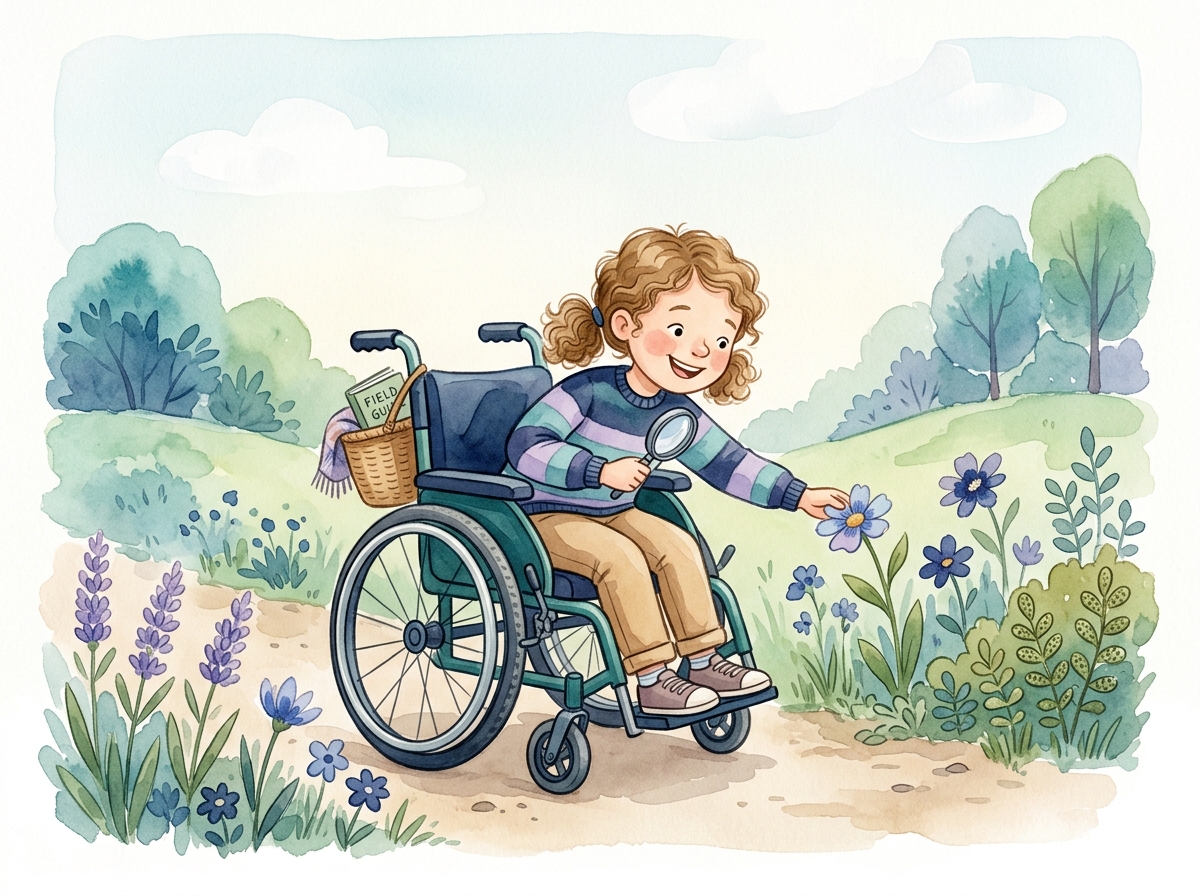
Children with physical or sensory disabilities develop rich cognitive schemas through adapted sensory experiences.
Piaget himself acknowledged that biological maturation interacts with experience — disability changes the experience, not the potential.
Dyslexia: A Closer Look
A reading difference, not a thinking deficit
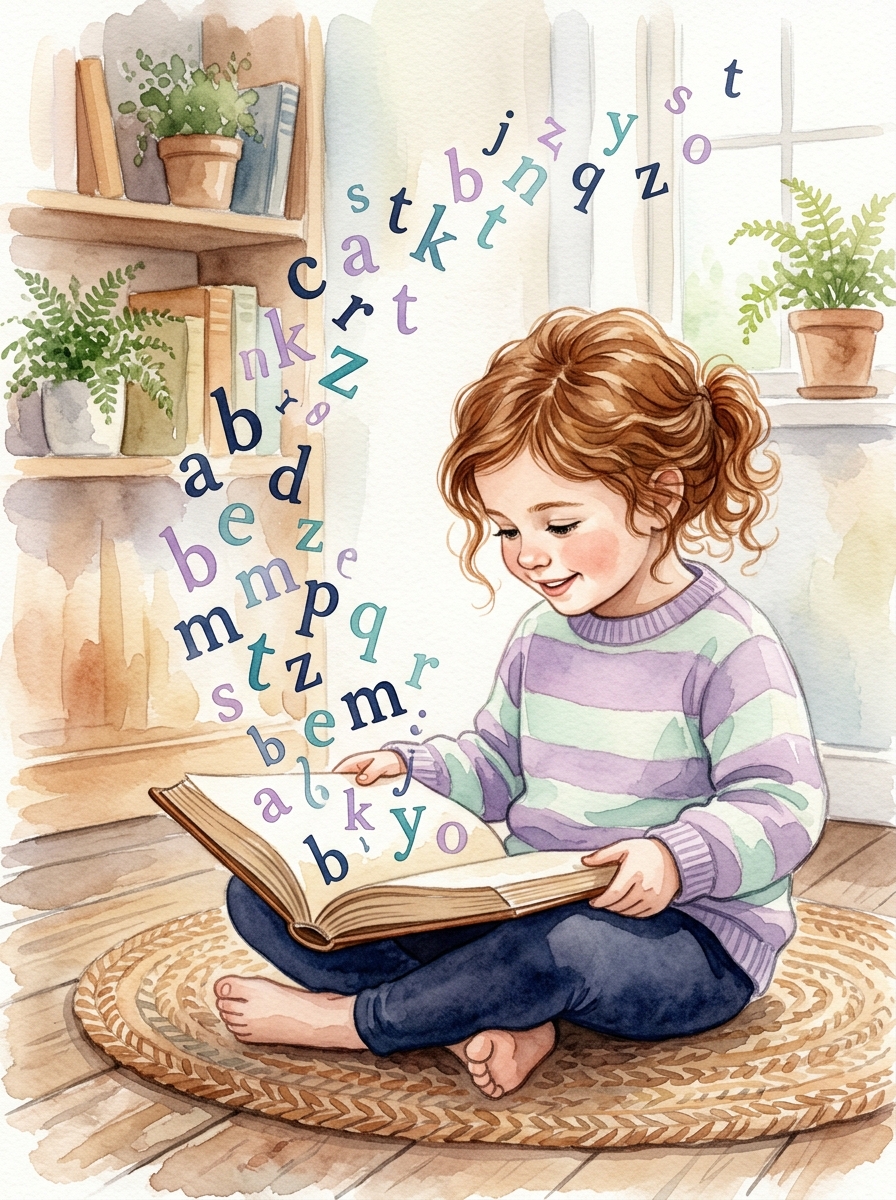
Dyslexia is a neurological learning difference affecting reading fluency, decoding, and phonological processing — not intelligence.
Phonological Processing
— difficulty linking sounds to letters
Working Memory
— challenges holding letter sequences while reading
Processing Speed
— slower word recognition and text decoding
Language
— impacts reading comprehension and written expression
Dyslexic individuals often show STRENGTHS in creative thinking, big-picture reasoning, and spatial problem-solving.
Approx. 15–20% of the population has dyslexia — it's the most common learning disability.
Strengths & Adaptive Strategies
Disability is a different ability
Cognitive Strengths
Creative & divergent thinking
Strong visual-spatial reasoning
Hyperfocus and deep expertise in areas of interest
Heightened empathy and emotional intelligence
Resilience and problem-solving from lived experience
Pattern recognition (especially in autism, dyslexia)
Adaptive Strategies
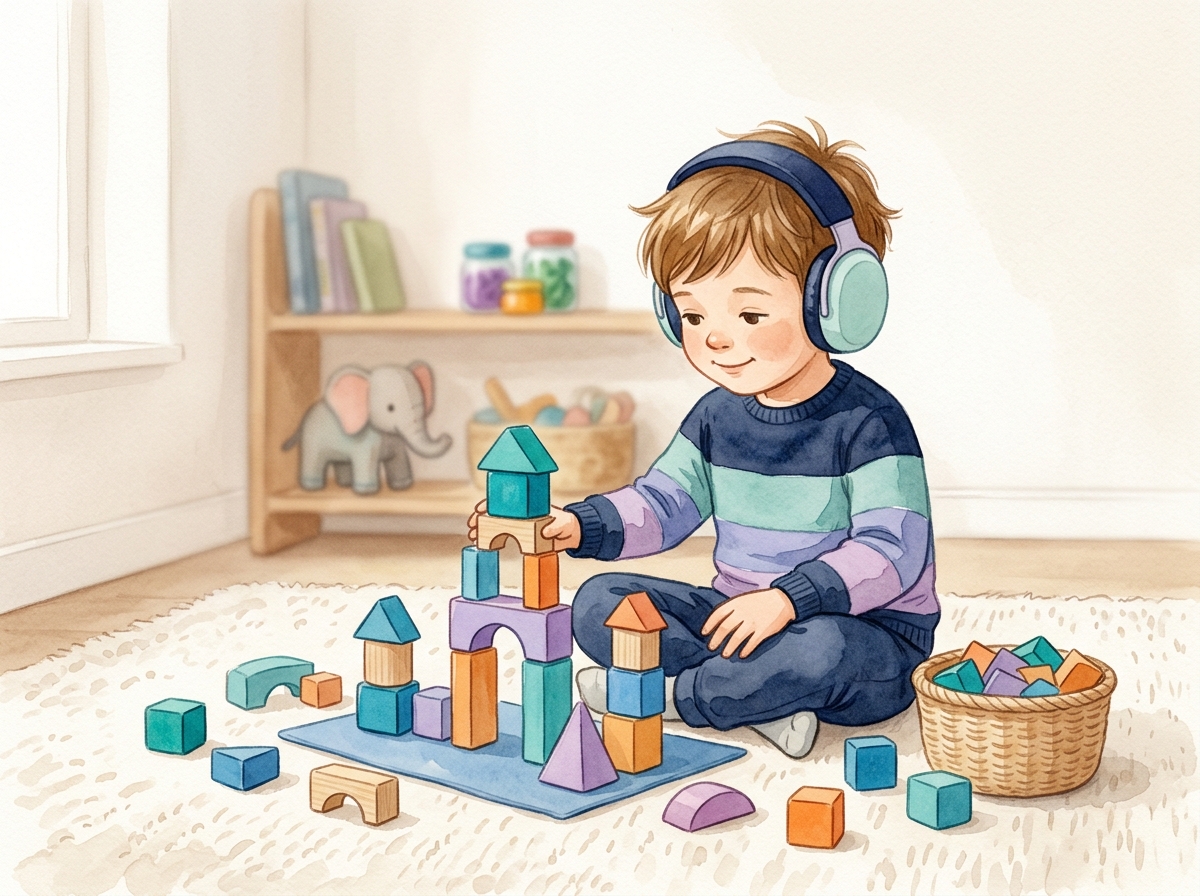
Assistive technology (text-to-speech, AAC devices)
Chunking information into smaller steps
Multimodal learning (visual + auditory + kinesthetic)
Extended time and reduced-distraction environments
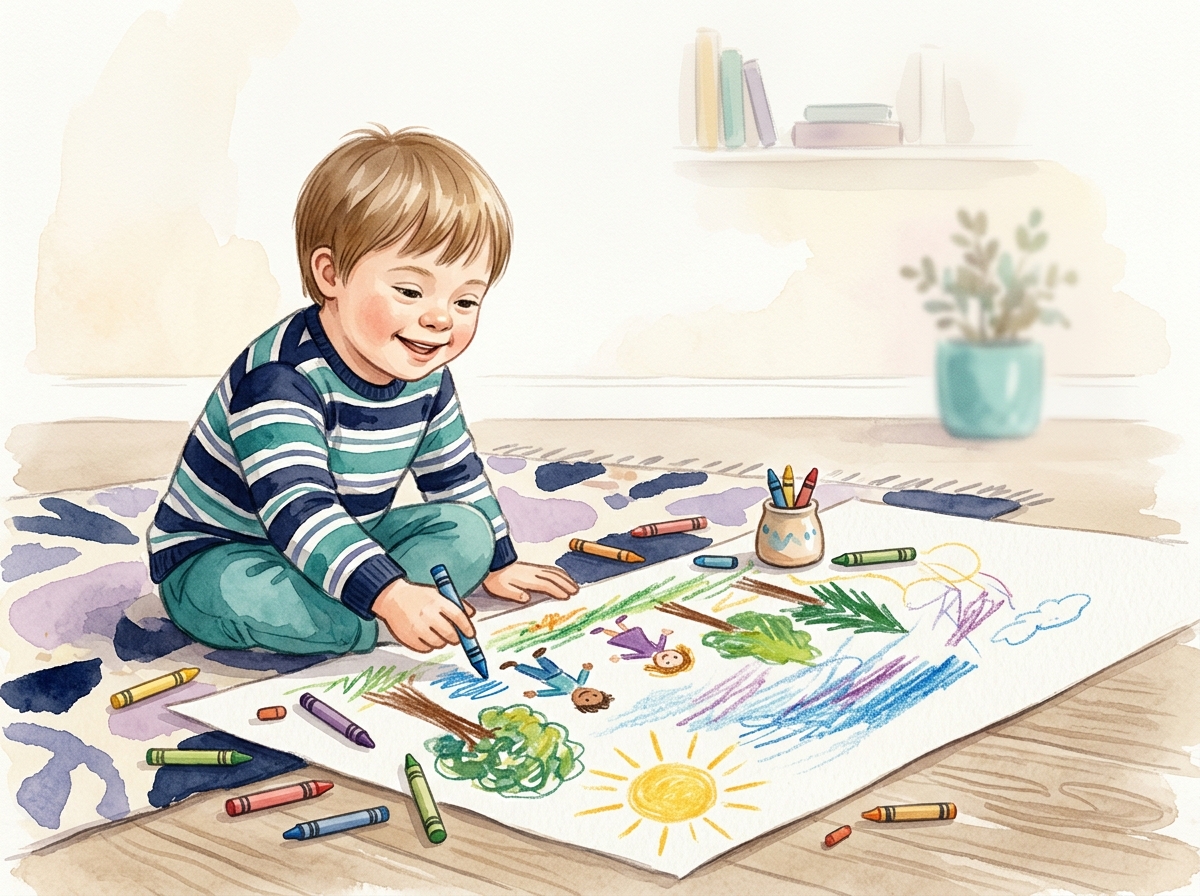
Strengths-based instruction — building on what they CAN do
Self-regulation tools (visual schedules, fidget tools, mindfulness)
"The goal is not to fix the child — it's to adapt the environment to fit the child's needs."
The Importance of Inclusion & Understanding
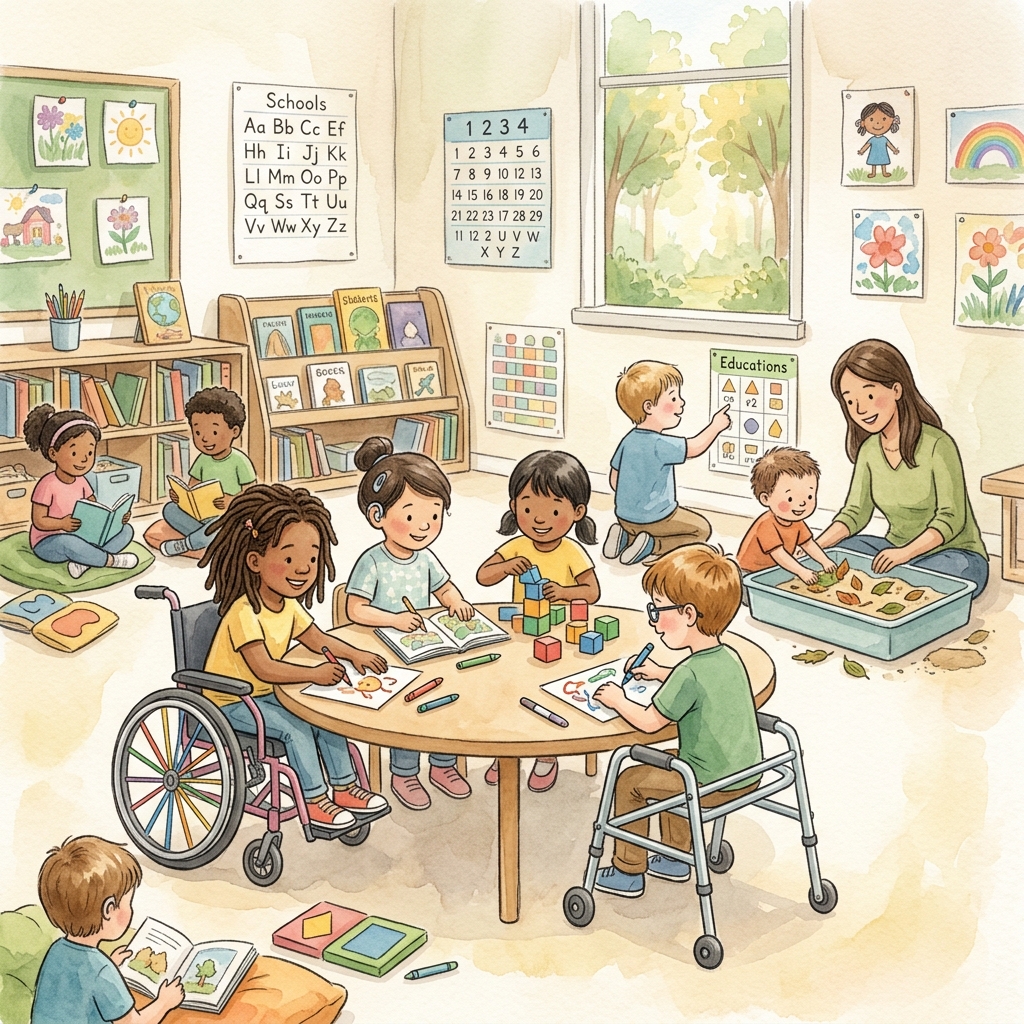
Building classrooms where every mind belongs
Inclusive Education
Research shows children with disabilities in inclusive settings have better academic AND social outcomes.
Peer Understanding
Neurotypical peers develop empathy, reduce stigma, and learn collaborative problem-solving.
Teacher Awareness
Educators trained in cognitive differences use Universal Design for Learning (UDL) more effectively.
Identity & Belonging
When children feel accepted, self-esteem and motivation improve — driving cognitive development.
"Inclusion isn't about lowering standards — it's about raising our understanding."
Key Takeaways
What we carry forward from today
🧠
🎯
📖
💪
🌍
Piaget's framework applies to ALL children — but development may look different in timing and expression.
Core cognitive domains (attention, memory, EF, language, processing speed) are affected differently by different disabilities.
Dyslexia is a prime example of how a cognitive difference ≠ a cognitive deficit.
Children with disabilities have REAL cognitive strengths — creative thinking, visual reasoning, resilience.
Inclusive, understanding environments are not just kind — they are essential for optimal cognitive development.
References: Piaget (1952); DSM-5; Shaywitz (2003); CAST UDL Guidelines; IDEA 2004
Child Psychology | Spring 2026
- child-psychology
- cognitive-development
- piaget-stages
- inclusive-education
- dyslexia
- special-education
- neurodiversity