





Made byBobr AI

In Vitro Fertilization: Biology, Procedure & Ethics

A comprehensive introduction to IVF for biomedical students, covering clinical procedures, success rates, hormonal regulation, and future AI technologies.

#ivf#reproductive-biology#assisted-reproductive-technology#biomedical-science#embryology#fertility-treatment
Watch
Pitch

In Vitro Fertilization (IVF):
Biology, Procedure,
and Societal Impact


A Scientific Introduction for First-Year Biomedical Sciences Students

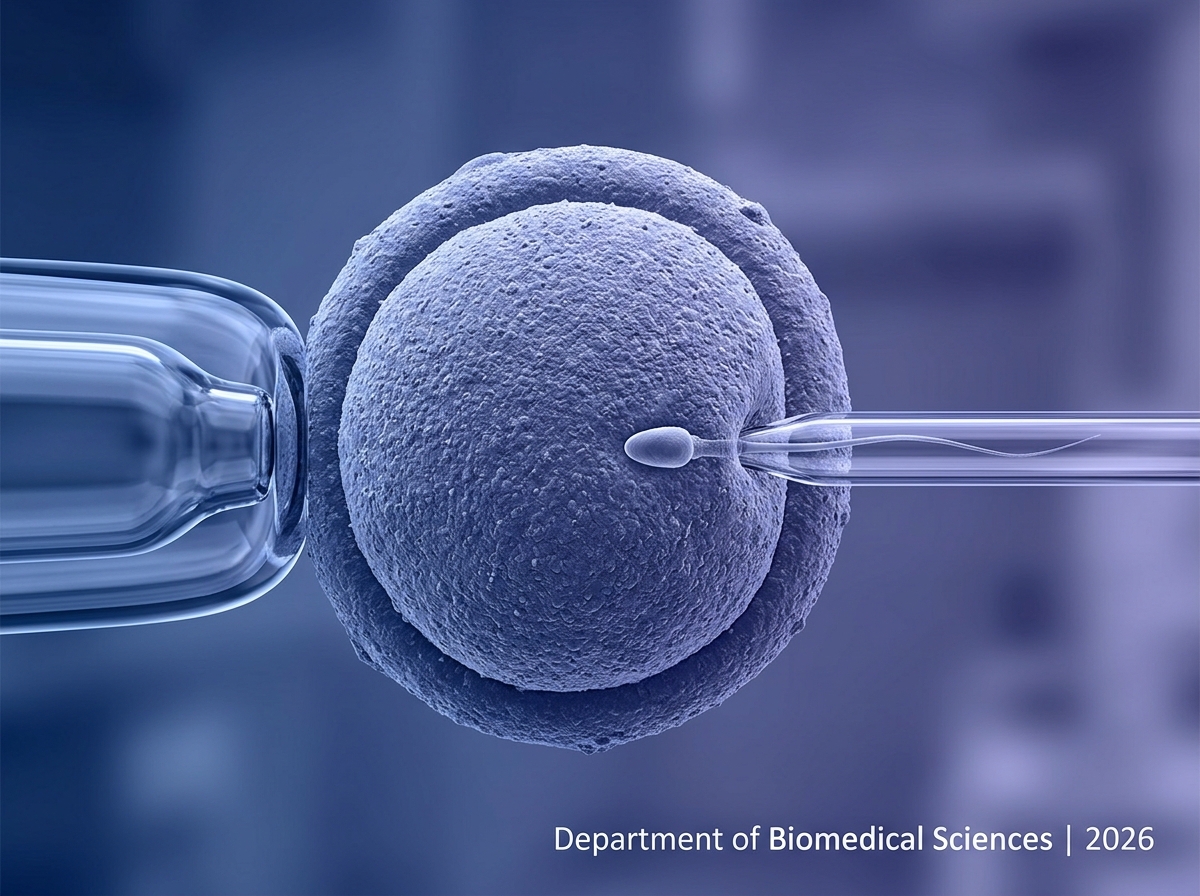
Microscopy of Oocyte

Department of Biomedical Sciences | 2026

Made byBobr AI

Presentation Overview


1

Definition & Purpose of IVF

Understanding the core concepts and primary clinical goals

2

Reproductive Biology Background

Key biological mechanics underlying human reproduction

3

Step-by-Step IVF Procedure

Detailed progression through clinical and laboratory steps

4

Success Rates & Influencing Factors

Analysis of clinical outcomes and critical demographic variables

5

Risks & Limitations

Potential medical complications and procedural boundaries

6

Ethical & Societal Considerations

Examining the moral implications and broader social impact

7

Future Developments in IVF

Emerging technologies and innovations shaping tomorrow's treatments

10–15 min presentation
Made byBobr AI

01 — Definition & Purpose

What is IVF?

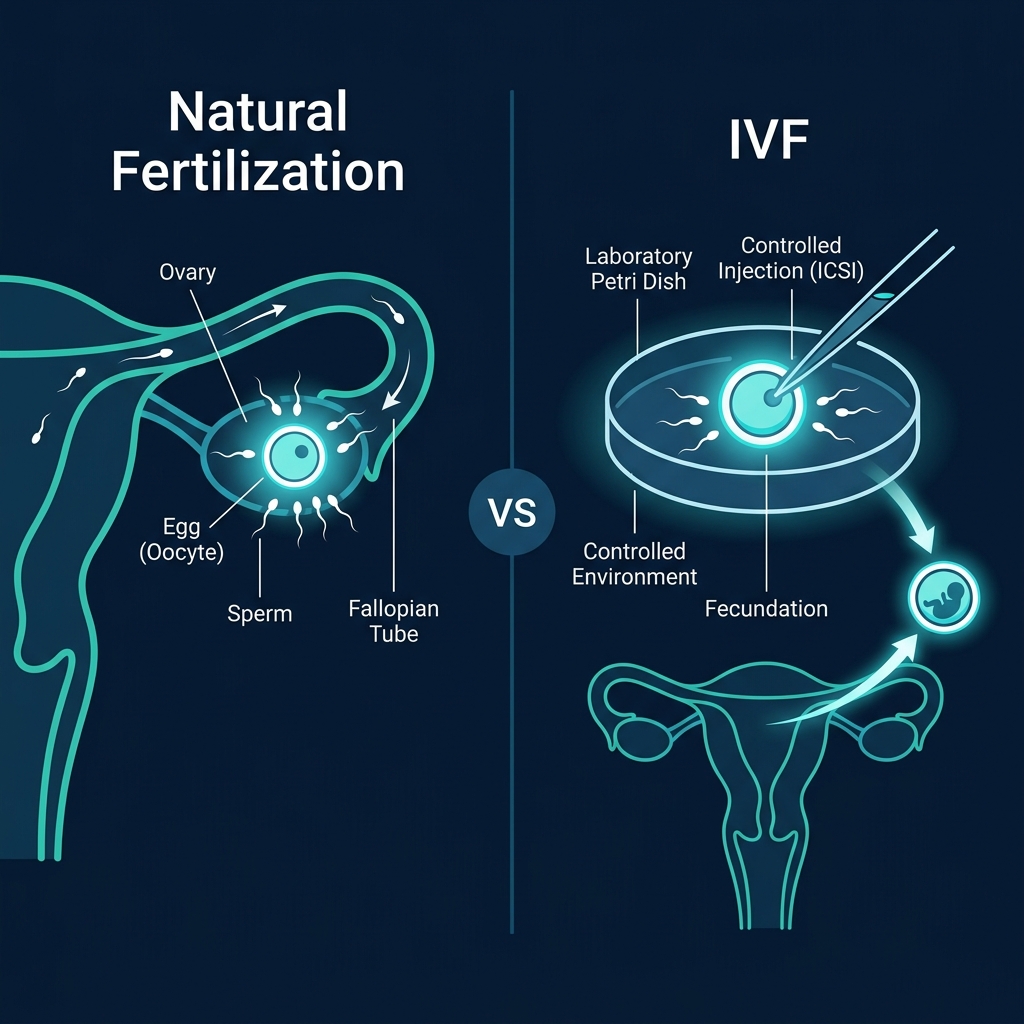
In Vitro Fertilization (IVF) is an assisted reproductive technology (ART) in which oocytes are fertilized by sperm outside the body, in a controlled laboratory environment, before the resulting embryo is transferred to the uterus.

"In vitro" = Latin for "in glass" — fertilization occurs outside the body

First successful IVF birth: Louise Brown, 1978 (Steptoe & Edwards)

Over 8 million babies born via IVF worldwide to date

IVF vs Natural Fertilization Diagram
Made byBobr AI
01 — Definition & Purpose

Why is IVF Used? — Common Causes of Infertility

Female icon

Female Factor

  • Blocked or damaged fallopian tubes
  • Endometriosis
  • Polycystic Ovary Syndrome (PCOS)
  • Diminished ovarian reserve
  • Unexplained ovulatory dysfunction
Male icon

Male Factor

  • Low sperm count (oligospermia)
  • Poor sperm motility (asthenospermia)
  • Abnormal morphology (teratospermia)
  • Azoospermia (no sperm in ejaculate)
Other indications icon

Other Indications

  • Unexplained infertility
  • Genetic disease screening (PGT)
  • Same-sex couples / single parents
  • Fertility preservation (cancer patients)

1 in 6 couples worldwide experience infertility (WHO, 2023)

Made byBobr AI

02 — REPRODUCTIVE BIOLOGY BACKGROUND

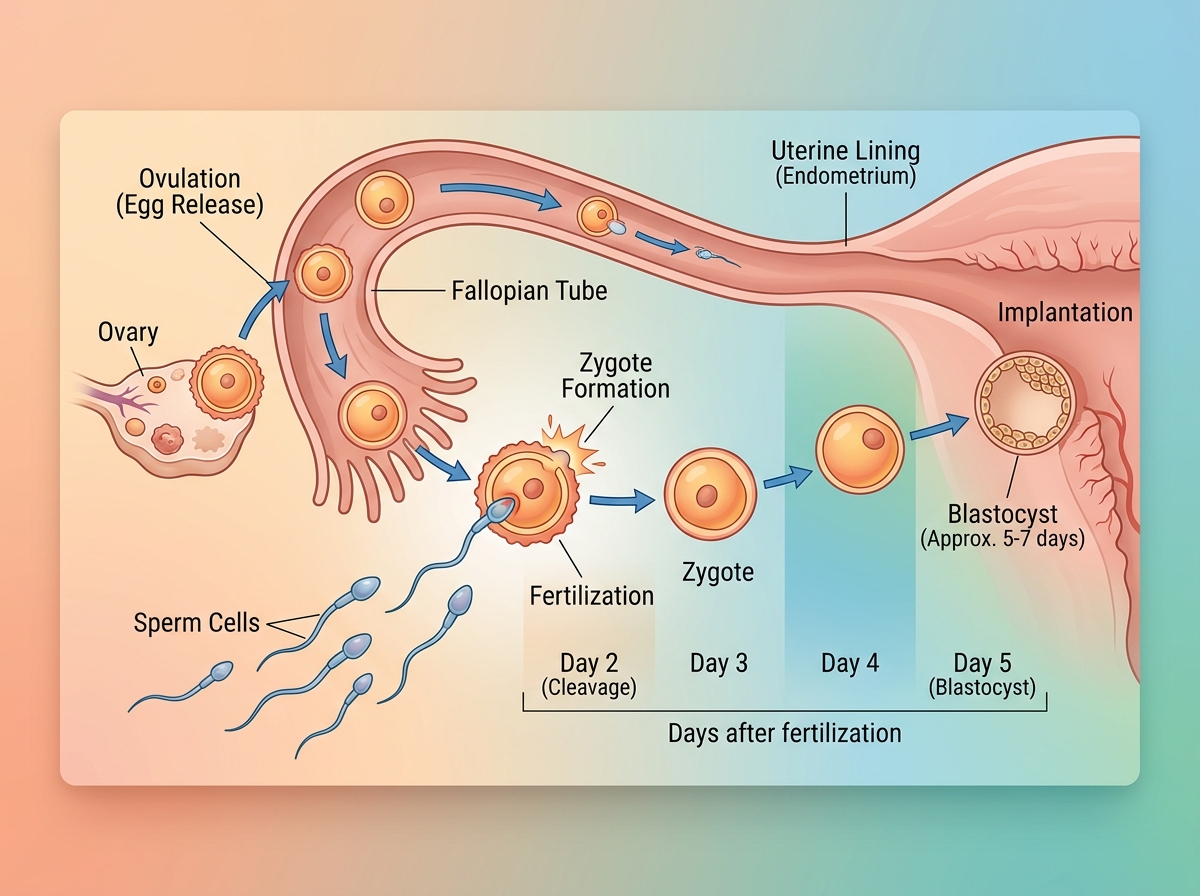
The Natural Fertilization Process

1

Ovulation — LH surge triggers release of a mature oocyte from the Graafian follicle

2

Capacitation — Sperm undergo biochemical changes in the female reproductive tract

3

Zona PenetrationAcrosome reaction allows sperm to penetrate the zona pellucida

4

Cortical Reaction — Prevents polyspermy after one sperm fertilizes the oocyte

5

Syngamy — Male and female pronuclei fuse to form a diploid zygote (2n = 46)

6

CleavageZygote undergoes mitotic divisions → morula → blastocyst

Female reproductive tract diagram
Made byBobr AI
02 — Reproductive Biology Background

Hormonal Regulation of the Menstrual Cycle

High Low OVULATION FSH Estrogen Progesterone LH Surge → 0 7 14 21 28 DAY OF CYCLE FOLLICULAR PHASE LUTEAL PHASE

FSH

Stimulates follicular development in the ovary

LH

Triggers ovulation; targets the dominant follicle

Estrogen

Promotes endometrial proliferation; triggers LH surge

Progesterone

Maintains endometrium for implantation

IVF protocols use exogenous gonadotropins (FSH/LH) to stimulate multiple follicle development.

Made byBobr AI

03 — Step-by-Step IVF Procedure

The Core Clinical Pipeline

STEP 01

Ovarian Stimulation

Gonadotropin injections stimulate multiple follicle growth

STEP 02

Oocyte Retrieval

Transvaginal ultrasound-guided follicular aspiration

STEP 03

Fertilization

Standard IVF or ICSI in laboratory

STEP 04

Embryo Culture

Embryos cultured 3–5 days to blastocyst stage

STEP 05

Embryo Transfer

Selected embryo placed into the uterus

STEP 06

Pregnancy Testing

βhCG blood test 10–14 days post-transfer

Department of Biomedical Sciences | Core Procedure Overview

Made byBobr AI

03 — Step-by-Step IVF Procedure

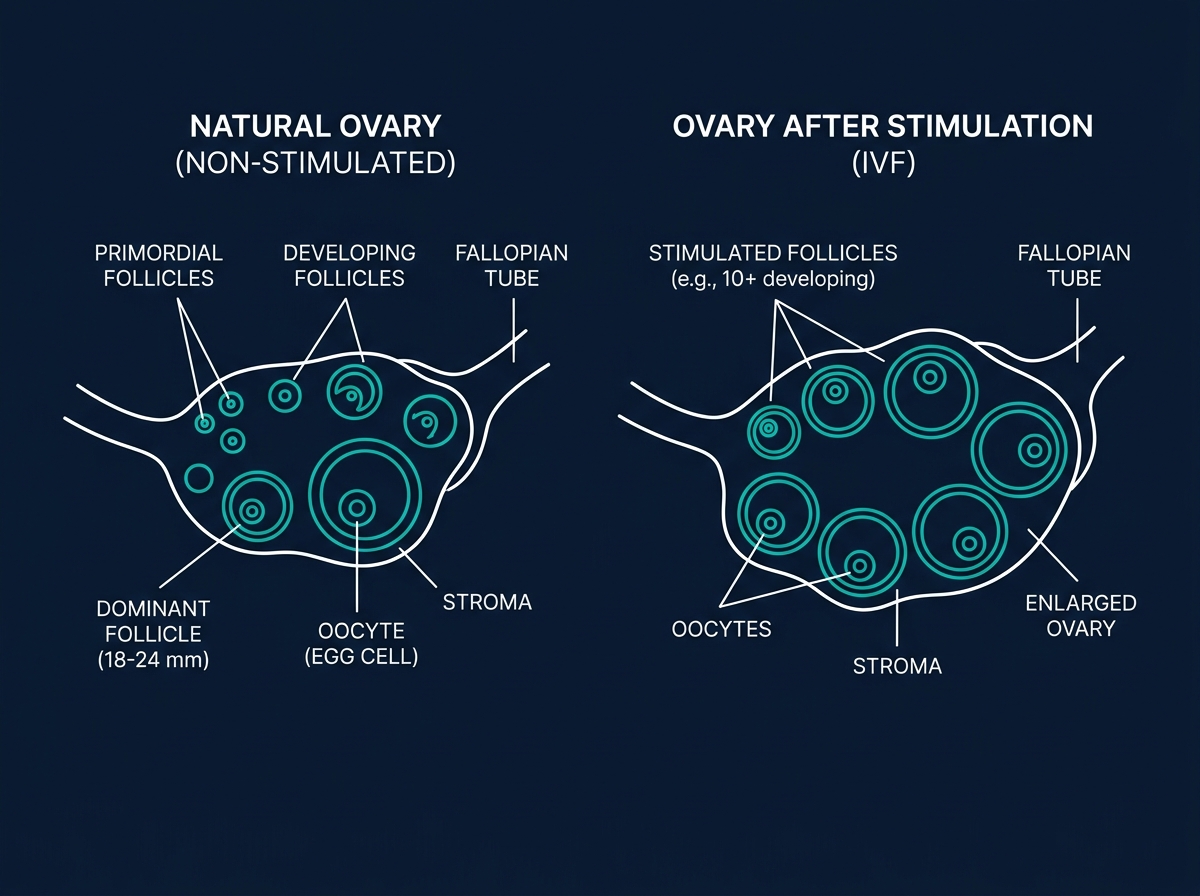
Step 1: Ovarian Stimulation

  • Baseline transvaginal ultrasound + hormone blood tests (Day 2–3 of cycle)
  • Daily subcutaneous injections of recombinant FSH ± LH (8–14 days)
  • GnRH agonist or antagonist protocol to prevent premature LH surge
  • Monitoring: serial ultrasounds + estradiol levels every 2–3 days
  • Trigger injection: hCG or GnRH agonist when ≥3 follicles reach ≥18mm
Ovarian Stimulation Diagram

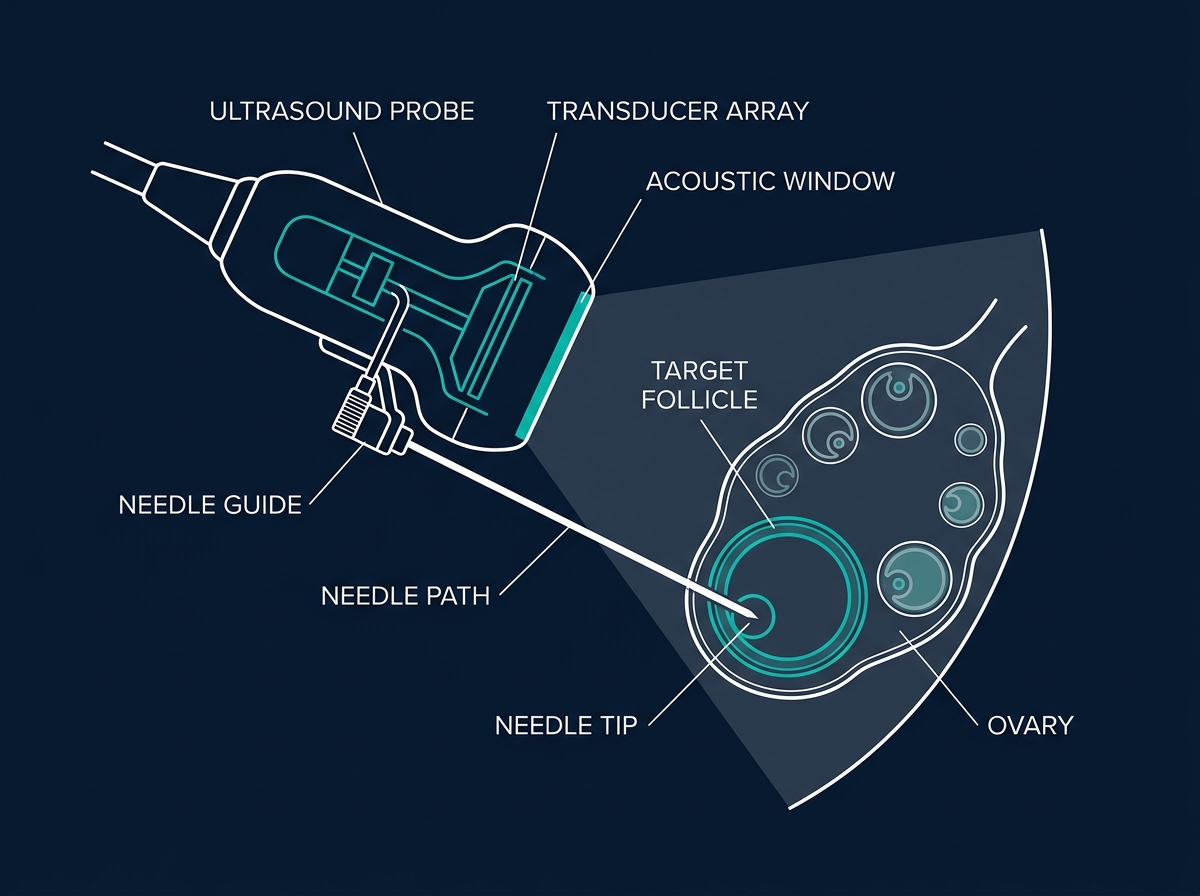
Step 2: Oocyte Retrieval

  • Performed 34–36 hours after trigger injection
  • Transvaginal ultrasound-guided needle aspiration under light sedation
  • Follicular fluid aspirated → embryologist identifies oocytes
  • Typically 8–15 oocytes retrieved per cycle
  • Oocytes assessed for maturity: MII (metaphase II) = fertilizable
Oocyte Retrieval Diagram
Made byBobr AI

03 — Step-by-Step IVF Procedure

Step 3: Fertilization — Standard IVF vs. ICSI

VS
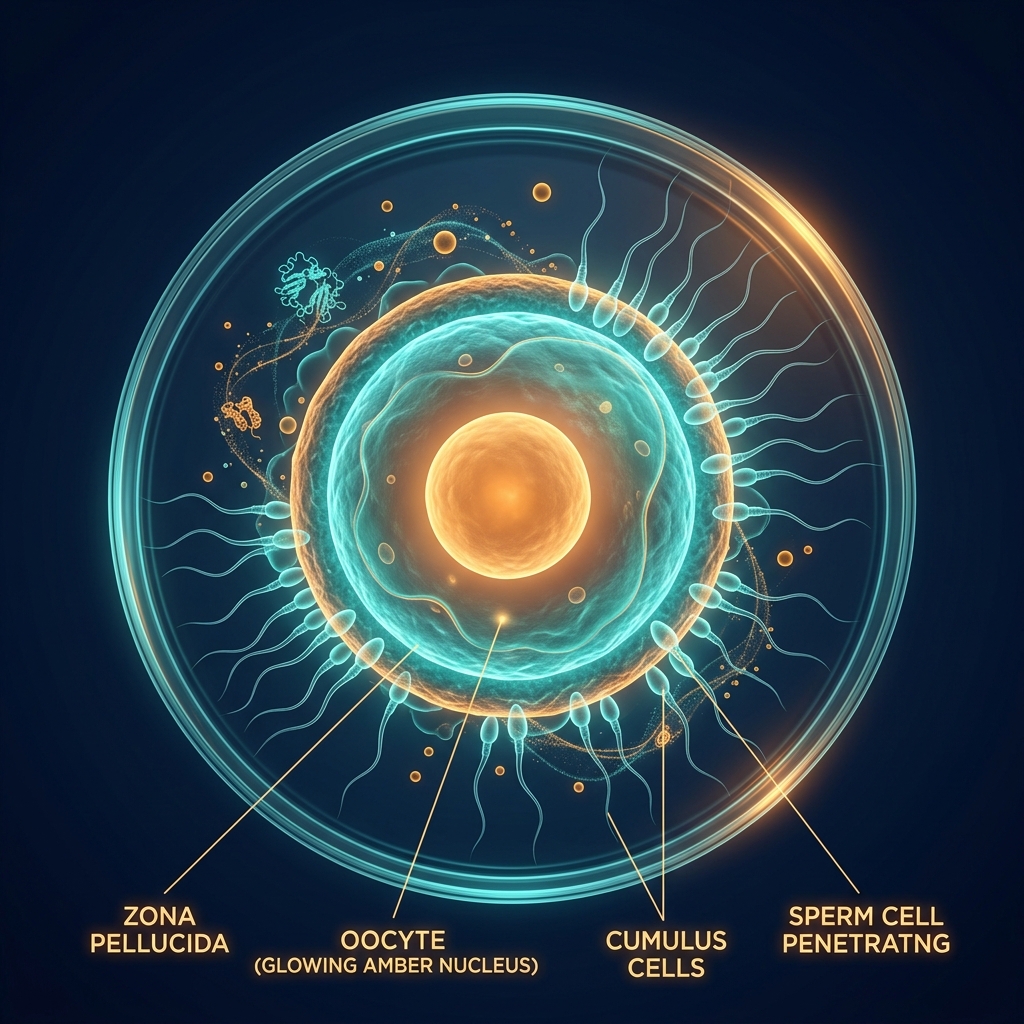
Standard IVF

Conventional Insemination

Prepared sperm suspension (50,000–100,000 motile sperm) is added to the dish containing the oocyte. Natural sperm selection and penetration occurs over 16–18 hours.

Indication: Normal/mild male factor, unexplained infertility

  • + Natural selection process, less technically demanding
  • Requires sufficient motile sperm
Standard IVF Illustration
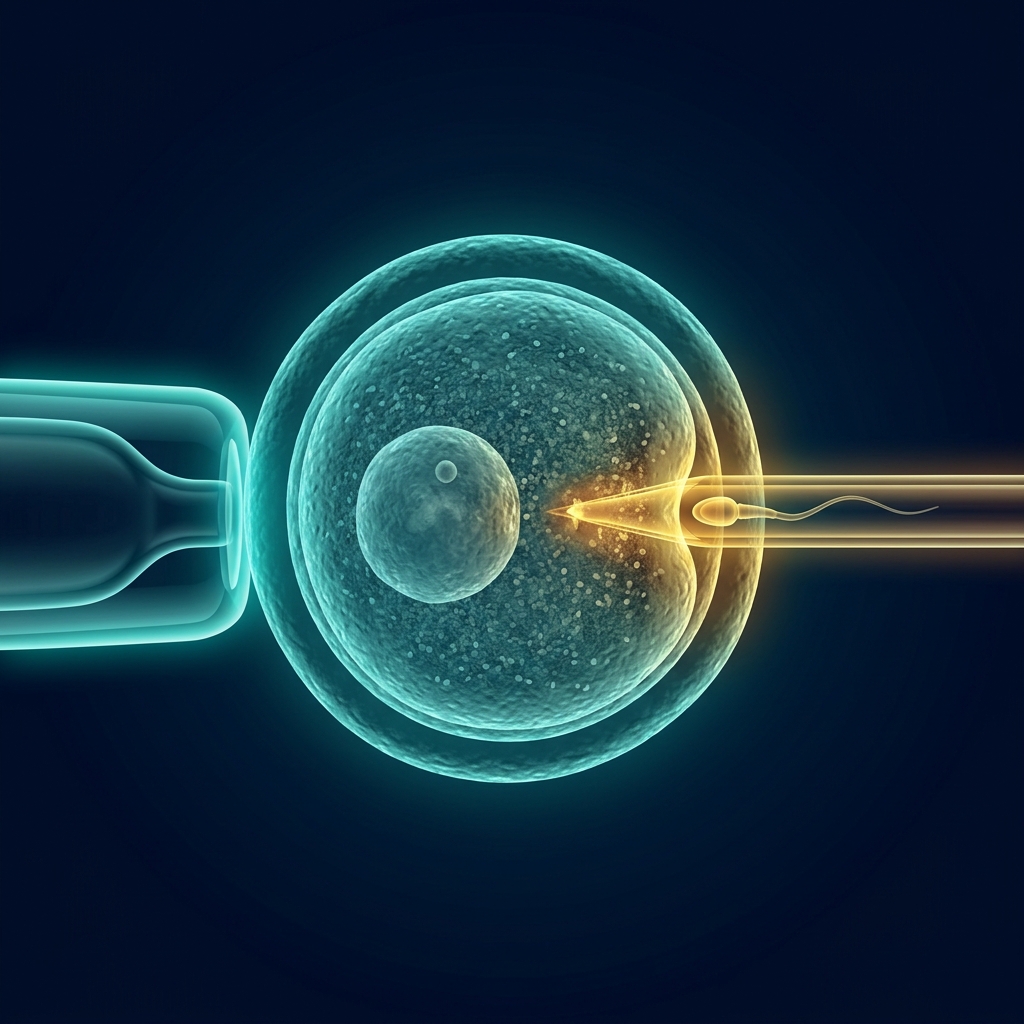
ICSI

Intracytoplasmic Sperm Injection

A single morphologically normal sperm is immobilized and injected directly into the cytoplasm of a mature MII oocyte using a fine glass micropipette under high-power microscopy.

Indication: Severe male factor, azoospermia, previous fertilization failure

  • + Overcomes most sperm barriers; highest fertilization rates
  • Now used in ~70% of IVF cycles globally
ICSI Illustration

Both methods: fertilization confirmed 16–18h later by presence of two pronuclei (2PN)

Made byBobr AI

03 — Step-by-Step IVF Procedure

Steps 4 & 5: Embryo Culture & Transfer

Embryo Culture & Development

Day 1

Zygote (2PN)

Day 2

4-cell Stage

Day 3

8-cell stage

Day 5

Blastocyst

Embryos cultured in specialized CO₂ incubators at 37°C in sequential culture media

Blastocyst transfer (Day 5) preferred — higher implantation rates vs. Day 3 cleavage transfer

Embryo grading: morphological assessment of ICM quality and trophectoderm cell layer

Surplus viable embryos vitrified (cryopreserved) for future family building

Embryo Transfer Procedure

Ultrasound-guided procedure using a highly specialized, soft transfer catheter through the cervix

Quick and non-invasive: Usually painless; takes 5–10 minutes; no anesthesia required

Luteal phase support: Progesterone supplementation (vaginal/IM) administered for 2 weeks post-transfer to prepare the uterine lining

Uterine cavity
Soft transfer catheter
Embryo deposited 1–2 cm from fundus
Made byBobr AI

04 — Success Rates & Influencing Factors

Live Birth Rate per IVF Cycle by Age

40% 30% 20% 10% 0%
32%
<35
25%
35–37
19%
38–39
11%
40–42
5%
43–44
2%
>44

Age is the single strongest predictor of IVF success

Source: HFEA National Statistics (2022)

🥚

Embryo Quality

Blastocyst morphology grade, euploidy status (PGT-A)

⚗️

Ovarian Reserve

AMH levels, antral follicle count (AFC)

🔬

Sperm Parameters

Count, motility, morphology, DNA fragmentation index

🏃

Lifestyle Factors

BMI, smoking, alcohol, stress — all independently affect outcomes

🏥

Clinical Variables

Endometrial thickness ≥7mm, uterine pathology, protocol choice

Made byBobr AI

05 — Risks & Limitations

Risks & Limitations of IVF

Medical Risks

  • Ovarian Hyperstimulation Syndrome (OHSS): excessive follicular response → ascites, electrolyte imbalance; occurs in ~1–2% severe cases

  • Egg retrieval complications: bleeding, infection, organ injury (<1%)

  • Ectopic pregnancy risk slightly elevated

  • Increased risk of premature birth with multiple embryo transfer

  • Long-term cancer risk: currently no established link (reassuring data)

Multiple Pregnancies

  • Historically: multiple embryo transfer → twin/triplet rates up to 30%

  • Twins: higher risk of preterm birth, low birthweight, maternal complications

  • Modern trend: elective single embryo transfer (eSET) policy reduces this

  • UK (HFEA): multiple birth rate reduced to ~10% with eSET guidelines

  • Vanishing twin syndrome in early pregnancy

Emotional & Financial Burden

  • Significant psychological stress: anxiety, depression reported in 30–40% of patients

  • Emotional toll of failed cycles

  • Average cost per cycle:
    £3,000–£5,000 (UK)
    $12,000–$15,000 (US)

  • Limited NHS funding: often 1–3 cycles only, with age/BMI restrictions

  • Relationship strain and social isolation

Made byBobr AI
bg

06 — Ethical & Societal Considerations

Embryo Status & Selection

Moral and legal status of the human embryo. Pre-implantation genetic testing (PGT) raises debates around "designer babies" and disability discrimination.

Surplus Embryo Storage

Unused embryos may be frozen for years. Decisions around donation, destruction, or research use are emotionally and ethically complex.

Accessibility & Equity

IVF remains financially inaccessible to many. Significant disparities exist by income, geography, ethnicity, and marital status in access to treatment.

Legal Frameworks

Legislation varies globally. UK: HFEA 1990 regulates IVF. Some countries ban embryo donation, surrogacy, or genetic screening entirely.

Gamete Donation

Donor sperm/egg raises questions of donor anonymity (now removed in UK since 2005), donor-conceived identity, and family structure definition.

Cultural & Religious Perspectives

IVF is prohibited or restricted in some religious traditions (e.g., certain Catholic teachings). Cultural attitudes to infertility and ART vary significantly worldwide.

"Science provides the tools; society must decide how to use them responsibly."

Made byBobr AI

07 — Future Developments

Future Developments in IVF

Advanced Embryo Screening

  • Preimplantation Genetic Testing for Aneuploidies (PGT-A): selects euploid embryos → higher implantation, lower miscarriage
  • Non-invasive PGT (niPGT): analysis of spent culture media instead of embryo biopsy — preserves embryo integrity
  • AI-powered embryo morphokinetic grading using time-lapse imaging (EmbryoScope)
  • Mitochondrial DNA copy number as viability marker

Cryopreservation Advances

  • Vitrification (ultra-rapid freezing) now standard: >95% embryo survival vs. ~75% slow freezing
  • Ovarian tissue cryopreservation: restore fertility in cancer survivors
  • Oocyte banking for social fertility preservation
  • Freeze-all cycles: improved endometrial receptivity in fresh-cycle OHSS risk patients
  • Artificial intelligence predicting optimal warming protocols

Emerging Technologies

  • In vitro gametogenesis (IVG): deriving eggs/sperm from induced pluripotent stem cells (iPSCs) — could revolutionize infertility treatment
  • Uterine microbiome analysis for implantation optimization
  • Mitochondrial replacement therapy (MRT) for prevention of mitochondrial disease
  • Automated microfluidic ICSI systems
  • Womb-on-a-chip technology for embryo culture optimization

The future of IVF lies at the intersection of genetics, AI, and stem cell biology.

Made byBobr AI

Conclusion

Key Take-Home Messages

1
IVF is a multi-step ART procedure that bypasses natural fertilization to help individuals and couples with infertility achieve pregnancy.
2
The procedure is underpinned by reproductive endocrinology — gonadotropin stimulation, oocyte maturation, and precise embryological techniques.
3
Success rates are strongly age-dependent and influenced by embryo quality, ovarian reserve, and lifestyle — live birth rates decline sharply after age 38.
4
IVF carries real medical, psychological, and financial risks — responsible clinical practice and informed consent are essential.
5
Rapid advances in PGT, AI-assisted selection, vitrification, and stem cell biology will continue to transform the field — but ethical frameworks must evolve alongside the science.

References

• Gardner, D.K. et al. (2018). Textbook of Assisted Reproductive Techniques. CRC Press.
• HFEA (2022). Fertility Treatment 2022: Trends and Figures. Human Fertilisation & Embryology Authority.
• Zegers-Hochschild, F. et al. (2017). ART Terminology. Human Reproduction, 32(9), 1786–1801.
• WHO (2023). Infertility Prevalence Estimates. World Health Organization.

Thank you | Questions Welcome

Made byBobr AI
Bobr AI

DESIGNER-MADE
PRESENTATION,
GENERATED FROM
YOUR PROMPT

Create your own professional slide deck with real images, data charts, and unique design in under a minute.

Generate For Free

In Vitro Fertilization: Biology, Procedure & Ethics

A comprehensive introduction to IVF for biomedical students, covering clinical procedures, success rates, hormonal regulation, and future AI technologies.

A Scientific Introduction for First-Year Biomedical Sciences Students

Department of Biomedical Sciences | 2026

Presentation Overview

Definition & Purpose of IVF

Understanding the core concepts and primary clinical goals

Reproductive Biology Background

Key biological mechanics underlying human reproduction

Step-by-Step IVF Procedure

Detailed progression through clinical and laboratory steps

Success Rates & Influencing Factors

Analysis of clinical outcomes and critical demographic variables

Risks & Limitations

Potential medical complications and procedural boundaries

Ethical & Societal Considerations

Examining the moral implications and broader social impact

Future Developments in IVF

Emerging technologies and innovations shaping tomorrow's treatments

10–15 min presentation

What is IVF?

In Vitro Fertilization (IVF) is an assisted reproductive technology (ART) in which oocytes are fertilized by sperm outside the body, in a controlled laboratory environment, before the resulting embryo is transferred to the uterus.

01 — Definition & Purpose

Why is IVF Used?

Common Causes of Infertility

Female Factor

Male Factor

Other Indications

<li style="margin-bottom: 16px; padding-left: 8px;">Blocked or damaged fallopian tubes</li><li style="margin-bottom: 16px; padding-left: 8px;">Endometriosis</li><li style="margin-bottom: 16px; padding-left: 8px;">Polycystic Ovary Syndrome (PCOS)</li><li style="margin-bottom: 16px; padding-left: 8px;">Diminished ovarian reserve</li><li style="margin-bottom: 16px; padding-left: 8px;">Unexplained ovulatory dysfunction</li>

<li style="margin-bottom: 16px; padding-left: 8px;">Low sperm count (oligospermia)</li><li style="margin-bottom: 16px; padding-left: 8px;">Poor sperm motility (asthenospermia)</li><li style="margin-bottom: 16px; padding-left: 8px;">Abnormal morphology (teratospermia)</li><li style="margin-bottom: 16px; padding-left: 8px;">Azoospermia (no sperm in ejaculate)</li>

<li style="margin-bottom: 16px; padding-left: 8px;">Unexplained infertility</li><li style="margin-bottom: 16px; padding-left: 8px;">Genetic disease screening (PGT)</li><li style="margin-bottom: 16px; padding-left: 8px;">Same-sex couples / single parents</li><li style="margin-bottom: 16px; padding-left: 8px;">Fertility preservation (cancer patients)</li>

<span style="color: #00C9B8; font-weight: 700; font-size: 30px; margin-right: 8px;">1 in 6</span> couples worldwide experience infertility <span style="font-size: 20px; color: #A0B0C0; margin-left: 10px; opacity: 0.8;">(WHO, 2023)</span>

02 — REPRODUCTIVE BIOLOGY BACKGROUND

The Natural Fertilization Process

Hormonal Regulation of the Menstrual Cycle

Stimulates follicular development in the ovary

Triggers ovulation; targets the dominant follicle

Promotes endometrial proliferation; triggers LH surge

Maintains endometrium for implantation

IVF protocols use exogenous gonadotropins (FSH/LH) to stimulate multiple follicle development.

Ovarian Stimulation

Gonadotropin injections stimulate multiple follicle growth

Oocyte Retrieval

Transvaginal ultrasound-guided follicular aspiration

Fertilization

Standard IVF or ICSI in laboratory

Embryo Culture

Embryos cultured 3–5 days to blastocyst stage

Embryo Transfer

Selected embryo placed into the uterus

Pregnancy Testing

βhCG blood test 10–14 days post-transfer

Department of Biomedical Sciences | Core Procedure Overview

03 — Step-by-Step IVF Procedure

03 — Step-by-Step IVF Procedure

Step 3: Fertilization —

Standard IVF vs. ICSI

Both methods: fertilization confirmed 16–18h later by presence of two pronuclei (2PN)

03 — Step-by-Step IVF Procedure

Steps 4 & 5: Embryo Culture & Transfer

<div style="display: flex; align-items: flex-start; gap: 15px;"><div style="width: 8px; height: 8px; border-radius: 50%; background-color: #00C9B8; margin-top: 8px; flex-shrink: 0; box-shadow: 0 0 8px rgba(0,201,184,0.6);"></div><p style="color: #E2E8F0; font-size: 19px; line-height: 1.5; margin: 0;">Embryos cultured in specialized <strong style="color: #FFFFFF;">CO₂ incubators at 37°C</strong> in sequential culture media</p></div><div style="display: flex; align-items: flex-start; gap: 15px;"><div style="width: 8px; height: 8px; border-radius: 50%; background-color: #00C9B8; margin-top: 8px; flex-shrink: 0; box-shadow: 0 0 8px rgba(0,201,184,0.6);"></div><p style="color: #E2E8F0; font-size: 19px; line-height: 1.5; margin: 0;"><strong style="color: #FFFFFF;">Blastocyst transfer (Day 5) preferred</strong> &#8212; higher implantation rates vs. Day 3 cleavage transfer</p></div><div style="display: flex; align-items: flex-start; gap: 15px;"><div style="width: 8px; height: 8px; border-radius: 50%; background-color: #00C9B8; margin-top: 8px; flex-shrink: 0; box-shadow: 0 0 8px rgba(0,201,184,0.6);"></div><p style="color: #E2E8F0; font-size: 19px; line-height: 1.5; margin: 0;"><strong style="color: #FFFFFF;">Embryo grading:</strong> morphological assessment of ICM quality and trophectoderm cell layer</p></div><div style="display: flex; align-items: flex-start; gap: 15px;"><div style="width: 8px; height: 8px; border-radius: 50%; background-color: #00C9B8; margin-top: 8px; flex-shrink: 0; box-shadow: 0 0 8px rgba(0,201,184,0.6);"></div><p style="color: #E2E8F0; font-size: 19px; line-height: 1.5; margin: 0;">Surplus viable embryos <strong style="color: #FFFFFF;">vitrified (cryopreserved)</strong> for future family building</p></div>

<div style="display: flex; align-items: flex-start; gap: 15px;"><div style="width: 8px; height: 8px; border-radius: 50%; background-color: #00C9B8; margin-top: 9px; flex-shrink: 0; box-shadow: 0 0 8px rgba(0,201,184,0.6);"></div><p style="color: #E2E8F0; font-size: 20px; line-height: 1.5; margin: 0;">Ultrasound-guided procedure using a highly specialized, <strong style="color: #FFFFFF;">soft transfer catheter</strong> through the cervix</p></div><div style="display: flex; align-items: flex-start; gap: 15px;"><div style="width: 8px; height: 8px; border-radius: 50%; background-color: #00C9B8; margin-top: 9px; flex-shrink: 0; box-shadow: 0 0 8px rgba(0,201,184,0.6);"></div><p style="color: #E2E8F0; font-size: 20px; line-height: 1.5; margin: 0;"><strong style="color: #FFFFFF;">Quick and non-invasive:</strong> Usually painless; takes 5&#8211;10 minutes; no anesthesia required</p></div><div style="display: flex; align-items: flex-start; gap: 15px;"><div style="width: 8px; height: 8px; border-radius: 50%; background-color: #00C9B8; margin-top: 9px; flex-shrink: 0; box-shadow: 0 0 8px rgba(0,201,184,0.6);"></div><p style="color: #E2E8F0; font-size: 20px; line-height: 1.5; margin: 0;"><strong style="color: #FFFFFF;">Luteal phase support:</strong> Progesterone supplementation (vaginal/IM) administered for 2 weeks post-transfer to prepare the uterine lining</p></div>

04 — Success Rates & Influencing Factors

Live Birth Rate per IVF Cycle by Age

Age is the single strongest predictor of IVF success

Source: HFEA National Statistics (2022)

Embryo Quality

Blastocyst morphology grade, euploidy status (PGT-A)

Ovarian Reserve

AMH levels, antral follicle count (AFC)

Sperm Parameters

Count, motility, morphology, DNA fragmentation index

Lifestyle Factors

BMI, smoking, alcohol, stress — all independently affect outcomes

Clinical Variables

Endometrial thickness ≥7mm, uterine pathology, protocol choice

05 — Risks & Limitations

Risks & Limitations of IVF

Embryo Status & Selection

Moral and legal status of the human embryo. Pre-implantation genetic testing (PGT) raises debates around "designer babies" and disability discrimination.

Surplus Embryo Storage

Unused embryos may be frozen for years. Decisions around donation, destruction, or research use are emotionally and ethically complex.

Accessibility & Equity

IVF remains financially inaccessible to many. Significant disparities exist by income, geography, ethnicity, and marital status in access to treatment.

Legal Frameworks

Legislation varies globally. UK: HFEA 1990 regulates IVF. Some countries ban embryo donation, surrogacy, or genetic screening entirely.

Gamete Donation

Donor sperm/egg raises questions of donor anonymity (now removed in UK since 2005), donor-conceived identity, and family structure definition.

Cultural & Religious Perspectives

IVF is prohibited or restricted in some religious traditions (e.g., certain Catholic teachings). Cultural attitudes to infertility and ART vary significantly worldwide.

"Science provides the tools; society must decide how to use them responsibly."

07 — Future Developments

Future Developments in IVF

Advanced Embryo Screening

Preimplantation Genetic Testing for Aneuploidies (PGT-A): selects euploid embryos → higher implantation, lower miscarriage

Non-invasive PGT (niPGT): analysis of spent culture media instead of embryo biopsy — preserves embryo integrity

AI-powered embryo morphokinetic grading using time-lapse imaging (EmbryoScope)

Mitochondrial DNA copy number as viability marker

Cryopreservation Advances

Vitrification (ultra-rapid freezing) now standard: >95% embryo survival vs. ~75% slow freezing

Ovarian tissue cryopreservation: restore fertility in cancer survivors

Oocyte banking for social fertility preservation

Freeze-all cycles: improved endometrial receptivity in fresh-cycle OHSS risk patients

Artificial intelligence predicting optimal warming protocols

Emerging Technologies

In vitro gametogenesis (IVG): deriving eggs/sperm from induced pluripotent stem cells (iPSCs) — could revolutionize infertility treatment

Uterine microbiome analysis for implantation optimization

Mitochondrial replacement therapy (MRT) for prevention of mitochondrial disease

Automated microfluidic ICSI systems

Womb-on-a-chip technology for embryo culture optimization

The future of IVF lies at the intersection of genetics, AI, and stem cell biology.

Conclusion

Key Take-Home Messages

IVF is a multi-step ART procedure that bypasses natural fertilization to help individuals and couples with infertility achieve pregnancy.

The procedure is underpinned by reproductive endocrinology — gonadotropin stimulation, oocyte maturation, and precise embryological techniques.

Success rates are strongly age-dependent and influenced by embryo quality, ovarian reserve, and lifestyle — live birth rates decline sharply after age 38.

IVF carries real medical, psychological, and financial risks — responsible clinical practice and informed consent are essential.

Rapid advances in PGT, AI-assisted selection, vitrification, and stem cell biology will continue to transform the field — but ethical frameworks must evolve alongside the science.

Gardner, D.K. et al. (2018). Textbook of Assisted Reproductive Techniques. CRC Press.

HFEA (2022). Fertility Treatment 2022: Trends and Figures. Human Fertilisation & Embryology Authority.

Zegers-Hochschild, F. et al. (2017). ART Terminology. Human Reproduction, 32(9), 1786–1801.

WHO (2023). Infertility Prevalence Estimates. World Health Organization.

Thank you | Questions Welcome

  • ivf
  • reproductive-biology
  • assisted-reproductive-technology
  • biomedical-science
  • embryology
  • fertility-treatment