















Made byBobr AI

Pediatric UTI: Diagnosis, Management & Prevention

Learn how to recognize, diagnose, and treat urinary tract infections in children. Comprehensive guide for parents and healthcare providers on pediatric UTI.

#pediatric-uti#urinary-tract-infection#child-health#pediatric-nephrology#medical-education#parenting-tips#urology
Watch
Pitch
Kidney Icon

Pediatric Nephrology

Clinical Education Series

Urinary Tract Infections
in Children

Pediatric UTI: Recognition, Diagnosis & Management

Core Clinical Module

Made byBobr AI

Pediatric Nephrology

Clinical Education Series

What is a Pediatric UTI?

UTIs are common bacterial infections affecting the urinary system in children, requiring prompt recognition.

Nature of Infection: Common bacterial infections targeting the pediatric urinary system.

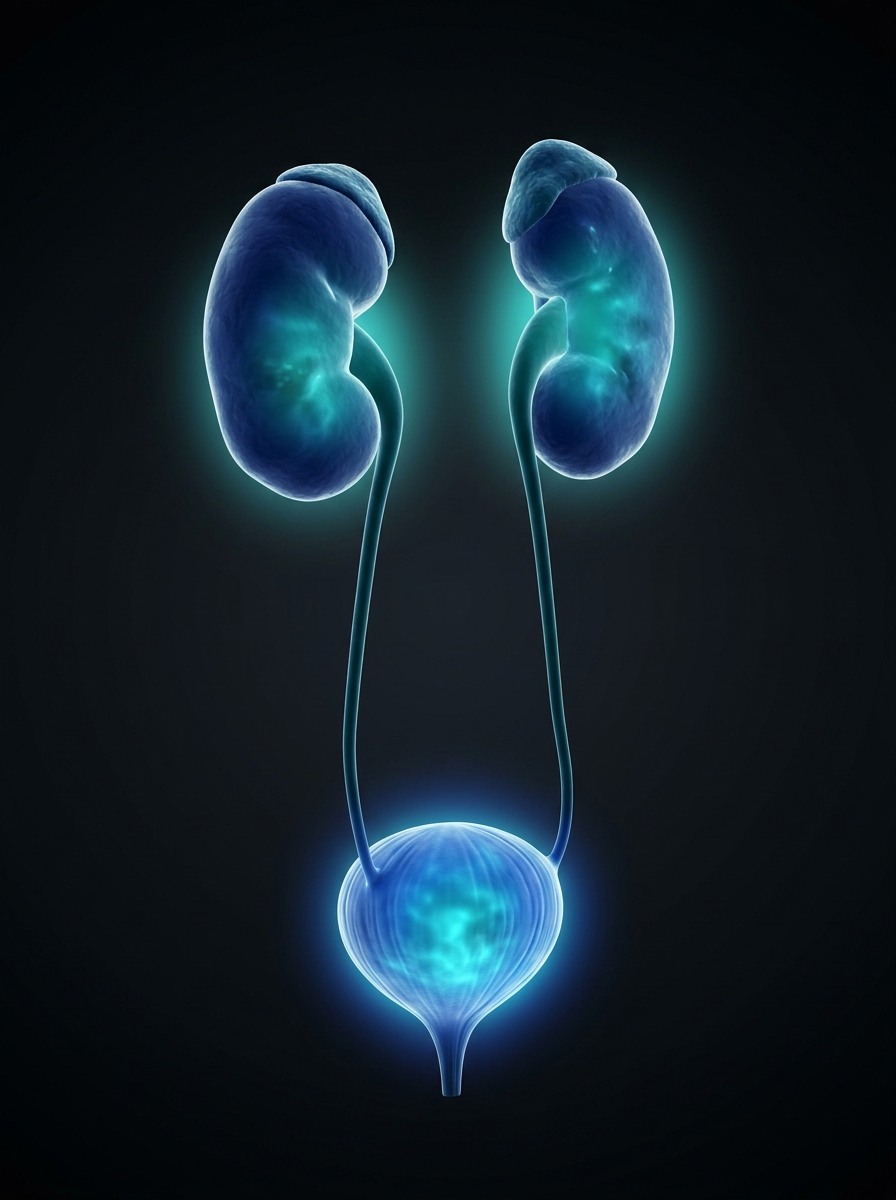
Affected Areas: Includes inflammation of the bladder (cystitis) and the kidneys (pyelonephritis).

Primary Etiology: Most frequently caused by E. coli bacteria originating from the gastrointestinal tract.

Highlighted infection areas

Made byBobr AI
Kidney Icon

Pediatric Nephrology

Clinical Education Series

Risk Factors in Children

Recognizing physical and developmental vulnerabilities

Immature Immune Systems
Improper Hygiene
Urinary Stasis
Female Anatomy
Shorter urethra increases risk
Uncircumcised Males
Constipation
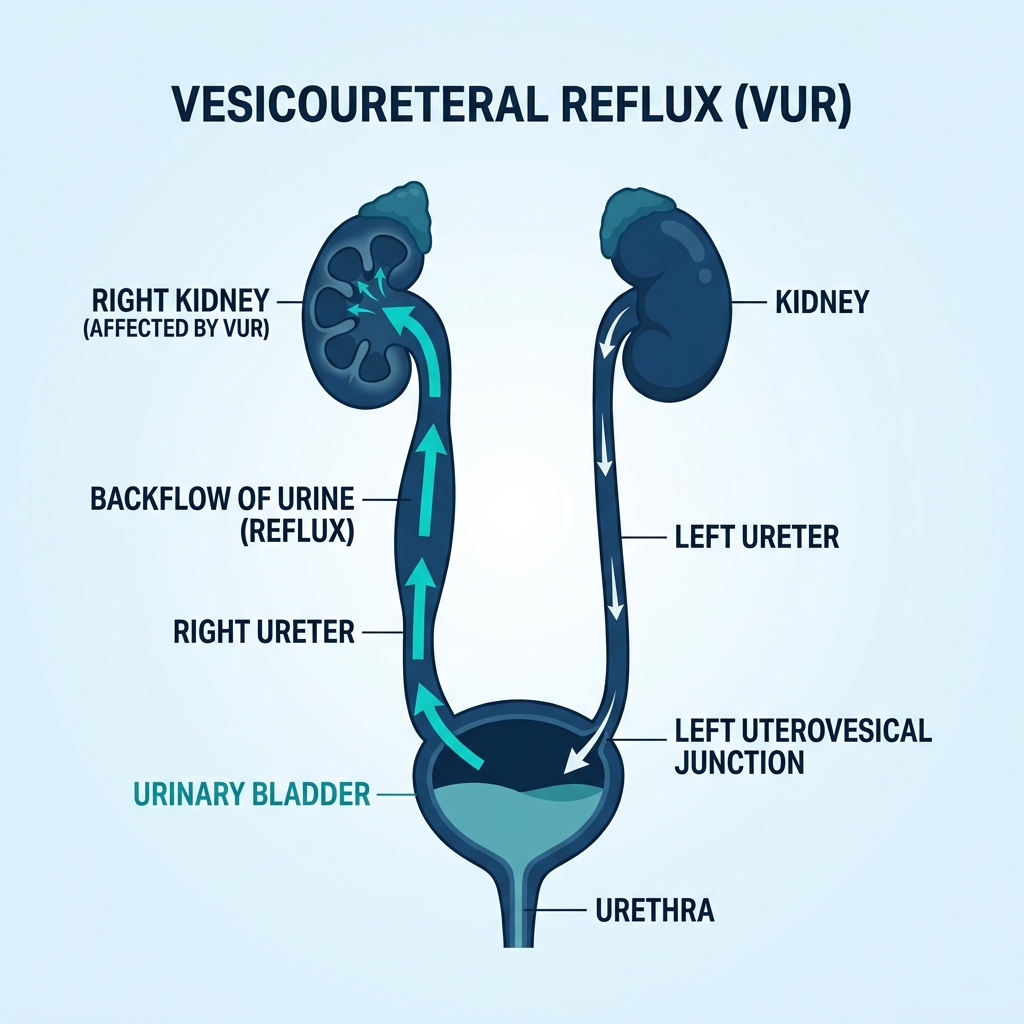
Anatomical Abnormalities (e.g., VUR)
Vesicoureteral Reflux causes retrograde backflow of urine from the bladder to the kidneys, significantly increasing the likelihood of infection.
VUR Diagram
Made byBobr AI

Clinical Manifestations by Age

Symptom presentation varies significantly across age groups

Important: Symptoms can be very vague and non-specific in younger patients.

Infant

Infants

(< 1 year)

  • Fever
  • Irritability
  • Poor feeding
  • Vomiting
  • Failure to thrive
Toddler

Toddlers

(1 - 3 years)

  • Dysuria
  • Urinary frequency
  • Urgency
  • Abdominal pain
  • Flank pain
Older Child

Children

(> 3 years)

  • Foul-smelling urine
  • Enuresis (bedwetting)
  • Classic UTI symptoms
Made byBobr AI
Kidney

Pediatric Nephrology

Diagnosis of Pediatric UTI

Standard Diagnostic Process & Evaluation Framework

💧

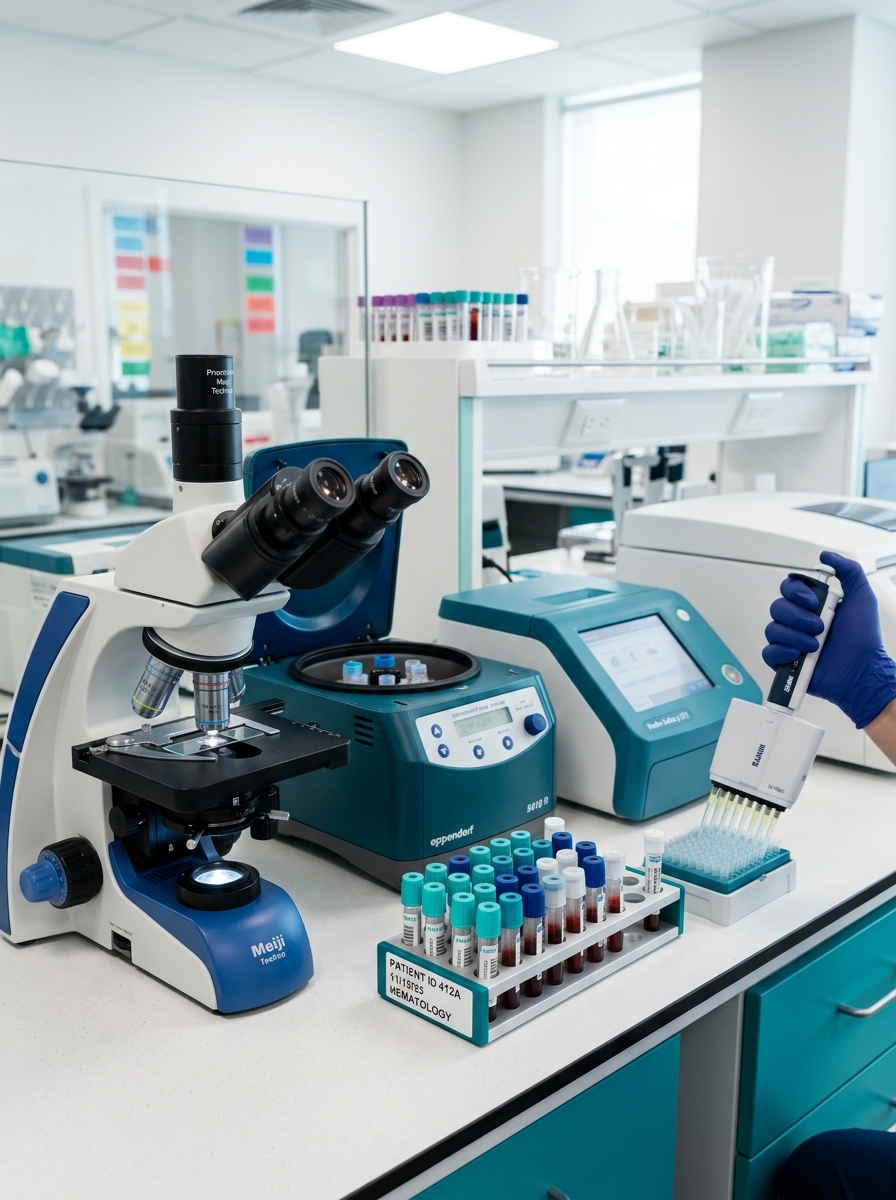
1. Sample Collection

Obtain clean urine sample. In infants, catheterization or suprapubic aspiration is required to avoid contamination.

🔬

2. Urinalysis Fast Screen

Rapid screening testing for elevated levels of leukocytes, nitrites, and bacteria indicating probable infection.

🧫

3. Urine Culture

The standard test to confirm diagnosis and precisely identify the causative organism.

Ultrasound

4. Additional Studies

Renal ultrasound or VCUG are indicated for recurrent cases to assess anatomy.

Made byBobr AI

Treatment & Management

Pediatric Urinary Tract Infections

Antibiotic Therapy

  • Targeted antibiotics based on urine culture results
  • Oral antibiotics for uncomplicated UTIs
  • IV antibiotics for severe cases or pyelonephritis
  • Complete full course to prevent recurrence

Supportive Care

  • Increased fluid intake to flush the urinary tract
  • Effective pain and fever management
  • Monitoring for symptom improvement within 48 hours

For Recurrent UTIs

Prophylactic low-dose antibiotics for prevention

Further evaluation: Ultrasound, VCUG

Made byBobr AI
Kidney Icon

Pediatric Nephrology

Clinical Education Series

Parent & Caregiver Education

Key teaching points for pediatric UTI prevention and care

Proper perineal hygiene (wipe front to back)

Encourage regular voiding

Adequate hydration

Recognize early warning signs

Seek timely medical care

Complete the full course of antibiotics

Attend follow-up appointments

Made byBobr AI
Kidney Icon

Pediatric Nephrology

Clinical Education Series

Prevention Strategies

Essential daily practices for pediatric UTI prevention

💧

Good Hydration & Toileting

Flush bacteria with adequate fluids and ensure bathroom breaks every 2-3 hours.

🛁

Avoid Irritants & Tight Clothing

Skip bubble baths and harsh soaps. Choose breathable, loose-fitting bottoms.

🚼

Proper Infant Care

Maintain frequent and prompt diaper changes to prevent bacterial growth.

🧼

Hygiene Education

Enforce proper hand hygiene and perineal care. Teach age-appropriate habits.

Child drinking water
Made byBobr AI
Warning Icon

Important Notice

Pediatric Nephrology & Urology

Complications of
Untreated UTIs

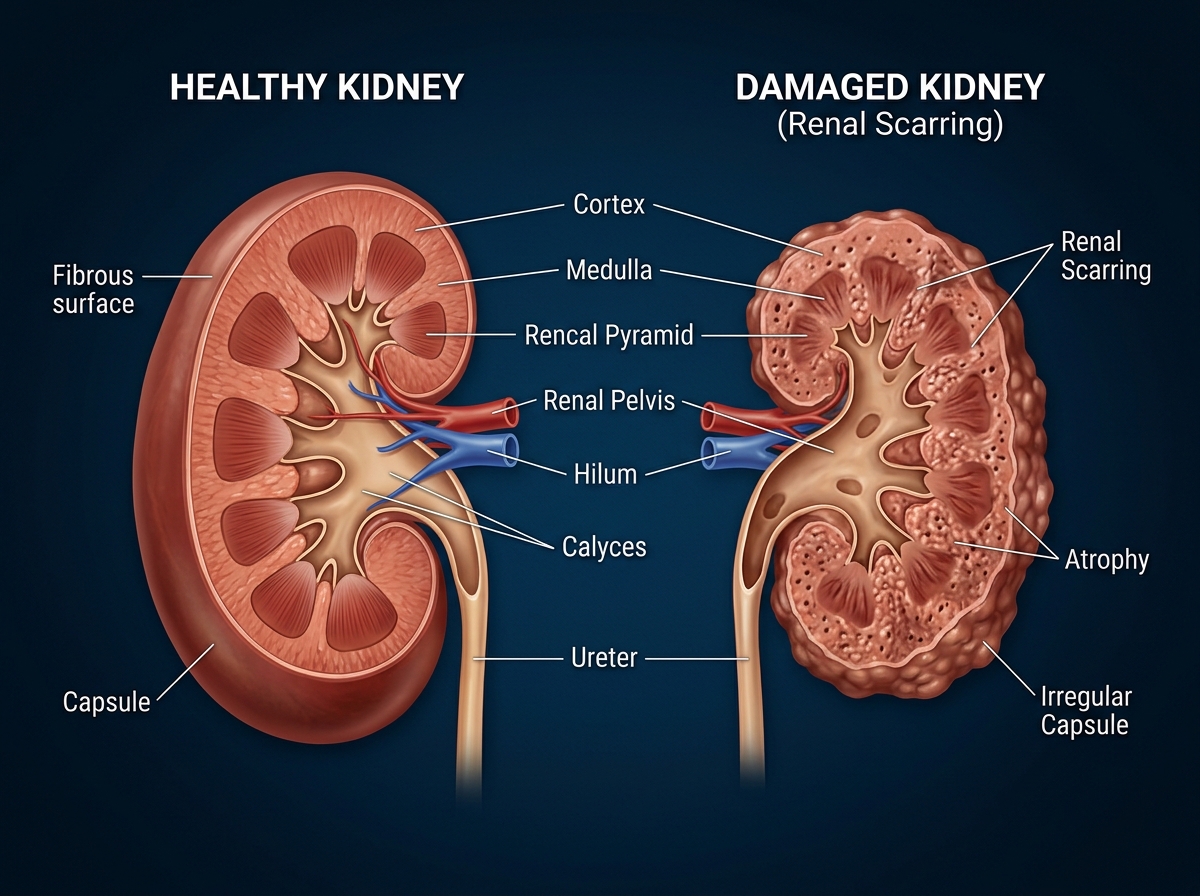
  • Kidney Damage (Renal Scarring)
  • Recurrent Infections
  • Pyelonephritis (Severe Kidney Infection)
  • Hypertension
  • Chronic Kidney Disease (in severe cases)

Key Takeaway Early recognition and treatment are key to preventing long-term complications.

Risk Factor

Made byBobr AI
Kidney Icon

Pediatric Nephrology

Clinical Education Series

Key Takeaways & Summary

01

UTIs are common in children, mainly caused by E. coli

02

Symptoms vary widely by age — be extra vigilant with infants

03

Prompt diagnosis with urinalysis and urine culture is essential

04

Antibiotic therapy and supportive care are the standard approach

05

Caregiver education on proper hygiene and prevention is critical

06

Professional follow-up ensures complete recovery and prevents recurrence

Protecting pediatric urinary health today for a healthier tomorrow.

Made byBobr AI
Bobr AI

DESIGNER-MADE
PRESENTATION,
GENERATED FROM
YOUR PROMPT

Create your own professional slide deck with real images, data charts, and unique design in under a minute.

Generate For Free

Pediatric UTI: Diagnosis, Management & Prevention

Learn how to recognize, diagnose, and treat urinary tract infections in children. Comprehensive guide for parents and healthcare providers on pediatric UTI.

Urinary Tract Infections<br>in Children

Pediatric UTI: Recognition, Diagnosis & Management

What is a Pediatric UTI?

UTIs are common bacterial infections affecting the urinary system in children, requiring prompt recognition.

Common bacterial infections targeting the pediatric urinary system.

Includes inflammation of the bladder (<strong>cystitis</strong>) and the kidneys (<strong>pyelonephritis</strong>).

Most frequently caused by <strong>E. coli</strong> bacteria originating from the gastrointestinal tract.

Clinical Manifestations by Age

Symptom presentation varies significantly across age groups

Important: Symptoms can be very vague and non-specific in younger patients.

Infants

Toddlers

Children

Diagnosis of Pediatric UTI

Standard Diagnostic Process & Evaluation Framework

Treatment & Management

Parent & Caregiver Education

Key teaching points for pediatric UTI prevention and care

Proper perineal hygiene (wipe front to back)

Encourage regular voiding

Adequate hydration

Recognize early warning signs

Seek timely medical care

Complete the full course of antibiotics

Attend follow-up appointments

Prevention Strategies

Essential daily practices for pediatric UTI prevention

Complications of<br>Untreated UTIs

Key Takeaways & Summary

UTIs are common in children, mainly caused by <strong style="color: #FFFFFF; font-weight: 600;">E. coli</strong>

Symptoms vary widely by age — be extra vigilant with <strong style="color: #FFFFFF; font-weight: 600;">infants</strong>

Prompt diagnosis with <strong style="color: #FFFFFF; font-weight: 600;">urinalysis and urine culture</strong> is essential

<strong style="color: #FFFFFF; font-weight: 600;">Antibiotic therapy</strong> and supportive care are the standard approach

Caregiver education on proper hygiene and <strong style="color: #FFFFFF; font-weight: 600;">prevention</strong> is critical

Professional follow-up ensures <strong style="color: #FFFFFF; font-weight: 600;">complete recovery</strong> and prevents recurrence

Protecting pediatric urinary health today for a healthier tomorrow.

  • pediatric-uti
  • urinary-tract-infection
  • child-health
  • pediatric-nephrology
  • medical-education
  • parenting-tips
  • urology