

Social Learning Theory & Aggression: Bandura's Psychology
Explore Albert Bandura's Social Learning Theory and the Bobo Doll experiment. Learn how observation and imitation drive aggressive behavior in children.
Social Learning Theory & Aggression
How we learn aggressive behaviour through observation and imitation
Based on the work of Albert Bandura
What is Social Learning Theory?
Bandura (1977) proposed that aggression is learned by <strong style="color: #38bdf8; font-weight: 700;">OBSERVING</strong> others (called models) and <strong style="color: #38bdf8; font-weight: 700;">IMITATING</strong> their behaviour.
1. Observation
Watching someone else behave aggressively.
2. Retention
Remembering what was seen in the observation.
3. Reproduction
Copying and performing the aggressive behaviour.
4. Motivation
Being reinforced or rewarded encourages repetition <span style="color: #7dd3fc; font-style: italic; opacity: 0.9;">(vicarious reinforcement)</span>.
The Bobo Doll Experiment
Bandura, 1961 — Key evidence for Social Learning Theory
Aim
To see if children would imitate aggressive behaviour modelled by an adult.
Procedure
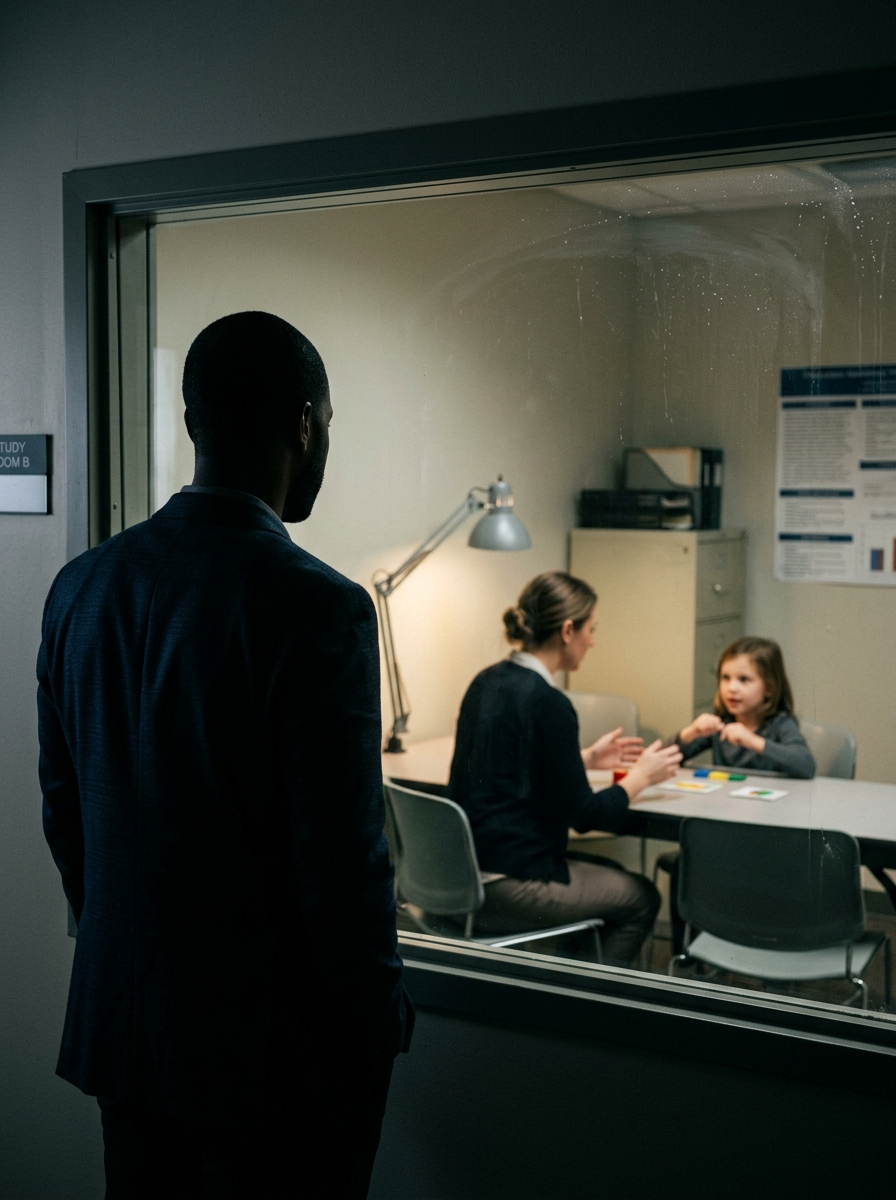
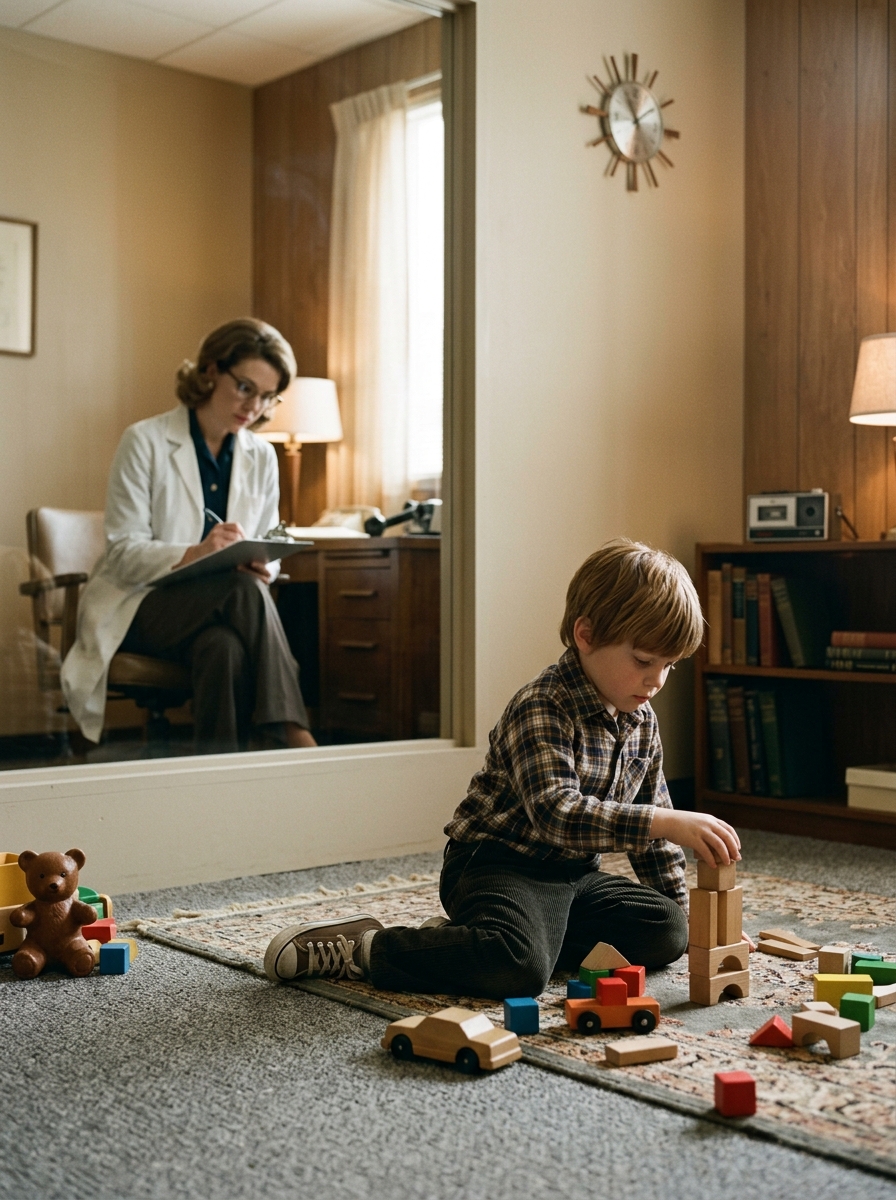
Children watched an adult physically and verbally attack an inflatable Bobo doll.
Results
Children who observed the aggressive model were significantly more likely to copy the aggression.
Conclusion
Aggression can be learned through observation, supporting Social Learning Theory.
- social-learning-theory
- albert-bandura
- psychology
- bobo-doll-experiment
- behavioral-psychology
- child-development