


Made byBobr AI

Food Waste: Causes, Impacts, and Sustainable Solutions

Explore the causes of global food waste from farm to fork and discover actionable solutions for businesses, governments, and individuals to build a sustainable future.

#food-waste#sustainability#supply-chain#corporate-responsibility#environmental-policy#hunger-relief#agriculture
Watch
Pitch

Food Waste

From Farm to Fork — Understanding the Problem and Taking Action

Reducing Waste. Feeding the Future.

Made byBobr AI

Becoming Enlightened

Facts & Causes

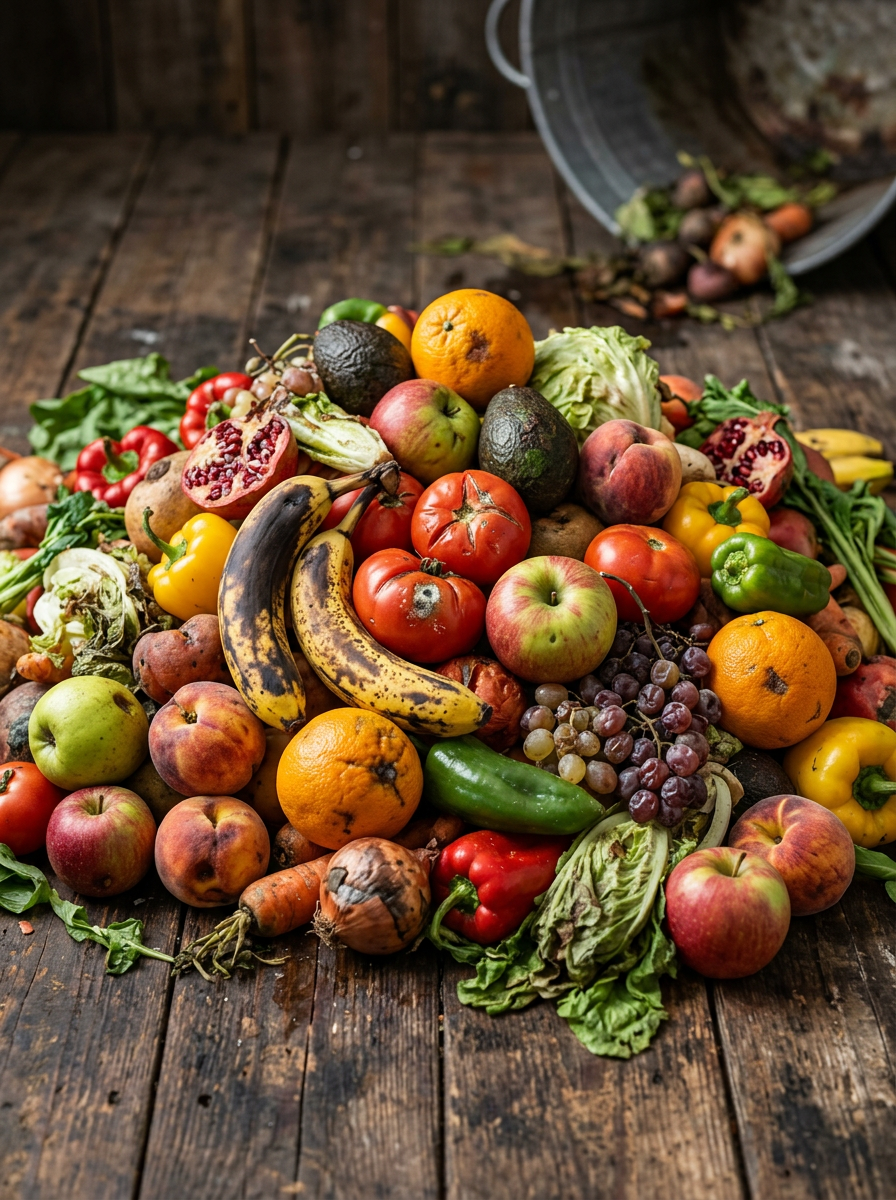
Food waste is edible food discarded at any stage — from farms to stores to our homes, affecting every part of the supply chain.

In wealthier nations, most waste happens at homes and stores. In developing countries, food is lost earlier due to poor storage.

Cosmetic standards, expiration label confusion, oversized portions, and poor meal planning are key reasons why so much food gets thrown away.

Industrial agriculture, consumer culture, global supply chains, and urbanization have disconnected people from how food is produced and valued over time.

Made byBobr AI

Becoming Empowered

Power & Stakeholders

Large corporations — retailers and manufacturers — hold significant power by controlling food standards and supply chains that affect everyone.

Governments can create laws, improve food labeling, and encourage food donations, giving them strong influence over food waste policy.

Small farmers and low-income communities have the least power, yet face the greatest consequences from food loss and food insecurity.

Power is gained through public demand for change and new laws. It is lost when companies hide information or people feel helpless.

Made byBobr AI

Becoming Empathetic

Stakeholders & Perspectives

1

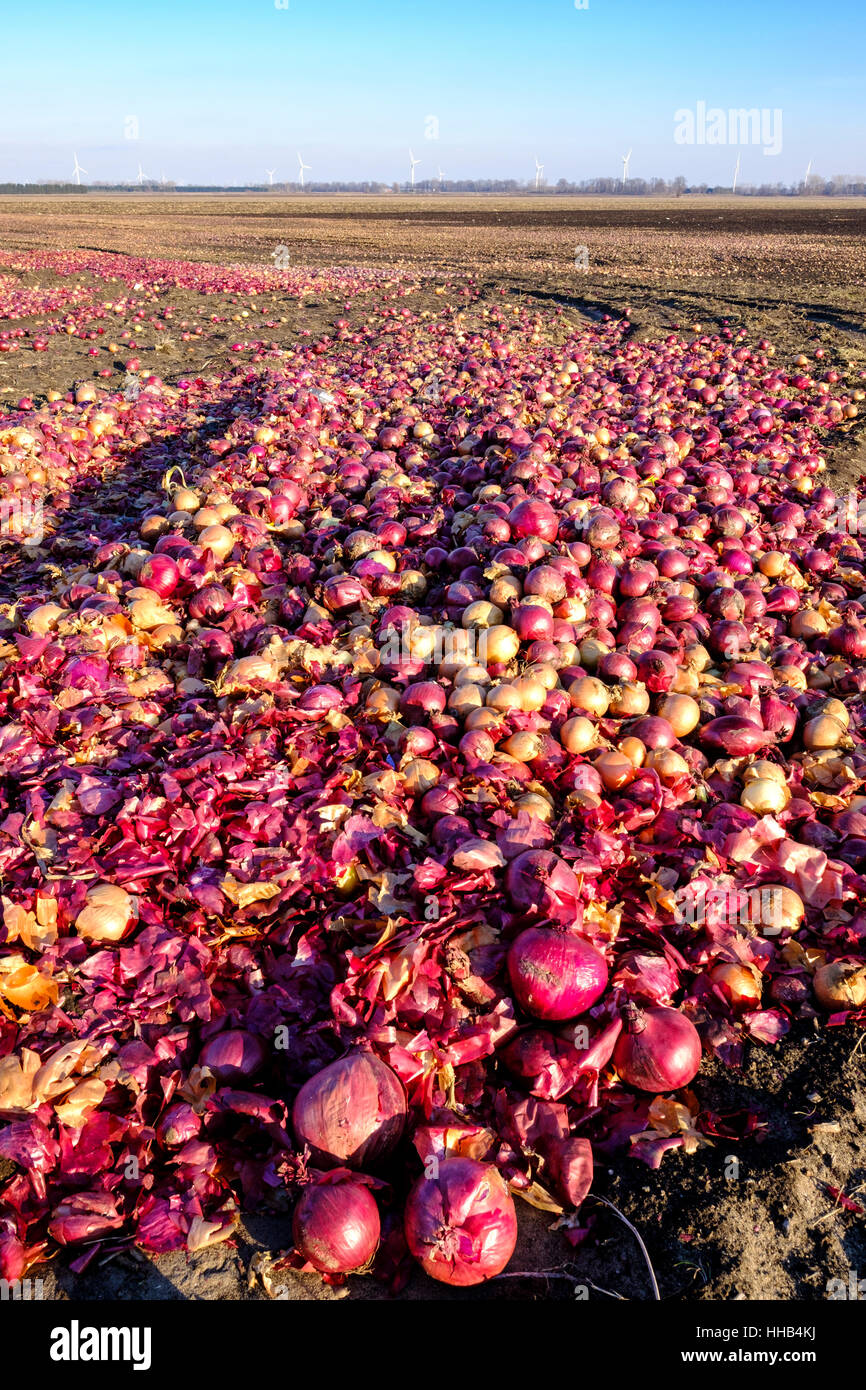
Farmers want stable income but often lose crops to strict retailer standards that reject imperfect or cosmetically flawed produce.

2

Grocery stores prioritize attractive products for customers, which leads to large amounts of edible but imperfect food being rejected and discarded.

3

Restaurants focus on large portions to satisfy customers, increasing waste. Consumers value convenience and safety, often leading to overbuying and disposal.

4

Governments must reduce waste and protect the environment. Food-insecure communities simply need reliable, consistent access to nutritious and affordable food.

Made byBobr AI

Becoming Ethical

Rights & Responsibilities

The United Nations recognizes the right to food — everyone deserves access to enough safe, nutritious food to live a healthy life.

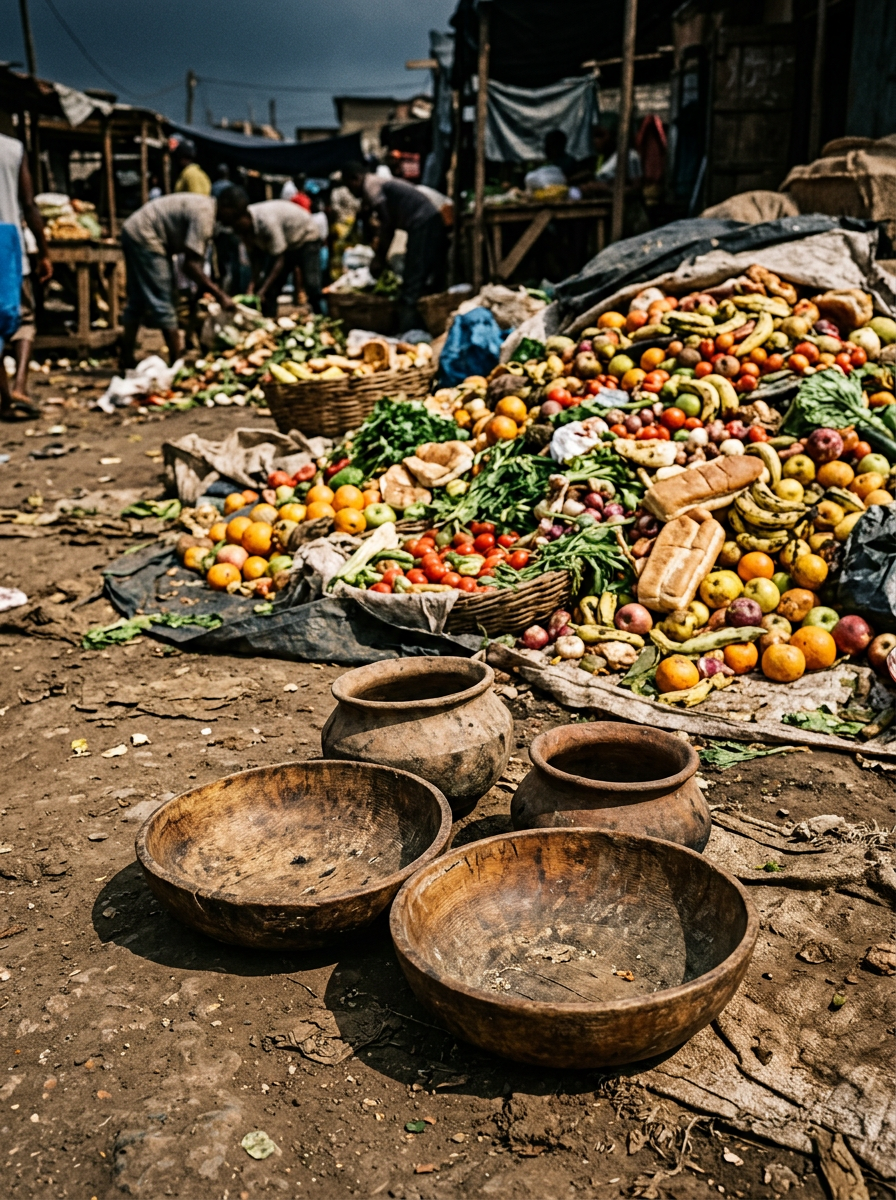
While billions of pounds of food are wasted annually, hundreds of millions of people still suffer from hunger and food insecurity.

Governments must create policies to reduce food waste and ensure fair food distribution. Businesses should donate excess food and cut operational waste.

Individuals share responsibility too — planning meals, avoiding overbuying, and reducing household waste all contribute to a more just food system.

Made byBobr AI

Becoming Engaged

Solutions & Actions

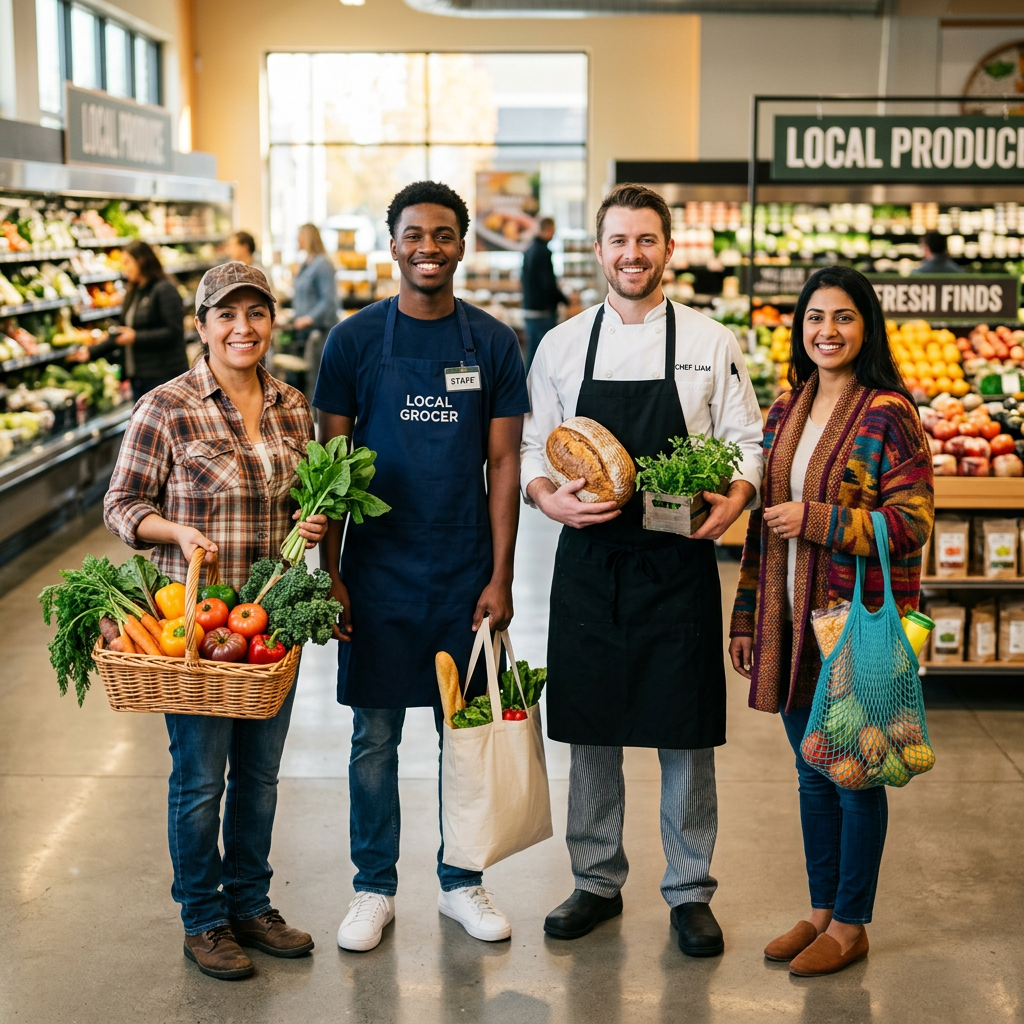
Individuals can reduce waste by planning meals, storing food properly, using leftovers creatively, and buying only what they truly need.

Businesses can donate unsold food to shelters, sell imperfect produce at reduced prices, and redesign operations to minimize unnecessary food waste.

Governments can strengthen labeling laws, fund food recovery programs, and build infrastructure to redistribute surplus food to communities in need.

Solving food waste requires changing how people think about food, improving distribution systems, and creating stronger, enforceable policies at every level.

Made byBobr AI

Citations

Food and Agriculture Organization of the United Nations. (2019). The State of Food and Agriculture: Moving Forward on Food Loss and Waste Reduction. FAO.

United Nations. (1948). Universal Declaration of Human Rights, Article 25. UN General Assembly.

ReFED. (2021). Roadmap to 2030: Reducing U.S. Food Waste by 50%. ReFED.

World Resources Institute. (2019). Creating a Sustainable Food Future. WRI.

USDA Economic Research Service. (2020). Food Loss and Waste. United States Department of Agriculture.

Food Waste Awareness Presentation | 2026

Made byBobr AI
Bobr AI

DESIGNER-MADE
PRESENTATION,
GENERATED FROM
YOUR PROMPT

Create your own professional slide deck with real images, data charts, and unique design in under a minute.

Generate For Free

Food Waste: Causes, Impacts, and Sustainable Solutions

Explore the causes of global food waste from farm to fork and discover actionable solutions for businesses, governments, and individuals to build a sustainable future.

Food Waste

From Farm to Fork — Understanding the Problem and Taking Action

Reducing Waste. Feeding the Future.

Becoming Enlightened

Facts & Causes

Food waste is edible food discarded at any stage — from farms to stores to our homes, affecting every part of the supply chain.

In wealthier nations, most waste happens at homes and stores. In developing countries, food is lost earlier due to poor storage.

Cosmetic standards, expiration label confusion, oversized portions, and poor meal planning are key reasons why so much food gets thrown away.

Industrial agriculture, consumer culture, global supply chains, and urbanization have disconnected people from how food is produced and valued over time.

Becoming Empowered

Power & Stakeholders

Large corporations — retailers and manufacturers — hold significant power by controlling food standards and supply chains that affect everyone.

Governments can create laws, improve food labeling, and encourage food donations, giving them strong influence over food waste policy.

Small farmers and low-income communities have the least power, yet face the greatest consequences from food loss and food insecurity.

Power is gained through public demand for change and new laws. It is lost when companies hide information or people feel helpless.

Becoming Empathetic

Stakeholders & Perspectives

Farmers want stable income but often lose crops to strict retailer standards that reject imperfect or cosmetically flawed produce.

Grocery stores prioritize attractive products for customers, which leads to large amounts of edible but imperfect food being rejected and discarded.

Restaurants focus on large portions to satisfy customers, increasing waste. Consumers value convenience and safety, often leading to overbuying and disposal.

Governments must reduce waste and protect the environment. Food-insecure communities simply need reliable, consistent access to nutritious and affordable food.

Becoming Ethical

Rights & Responsibilities

The United Nations recognizes the right to food — everyone deserves access to enough safe, nutritious food to live a healthy life.

While billions of pounds of food are wasted annually, hundreds of millions of people still suffer from hunger and food insecurity.

Governments must create policies to reduce food waste and ensure fair food distribution. Businesses should donate excess food and cut operational waste.

Individuals share responsibility too — planning meals, avoiding overbuying, and reducing household waste all contribute to a more just food system.

Becoming Engaged

Solutions & Actions

Individuals can reduce waste by planning meals, storing food properly, using leftovers creatively, and buying only what they truly need.

Businesses can donate unsold food to shelters, sell imperfect produce at reduced prices, and redesign operations to minimize unnecessary food waste.

Governments can strengthen labeling laws, fund food recovery programs, and build infrastructure to redistribute surplus food to communities in need.

Solving food waste requires changing how people think about food, improving distribution systems, and creating stronger, enforceable policies at every level.

Citations

Food and Agriculture Organization of the United Nations. (2019). The State of Food and Agriculture: Moving Forward on Food Loss and Waste Reduction. FAO.

United Nations. (1948). Universal Declaration of Human Rights, Article 25. UN General Assembly.

ReFED. (2021). Roadmap to 2030: Reducing U.S. Food Waste by 50%. ReFED.

World Resources Institute. (2019). Creating a Sustainable Food Future. WRI.

USDA Economic Research Service. (2020). Food Loss and Waste. United States Department of Agriculture.

Food Waste Awareness Presentation | 2026

  • food-waste
  • sustainability
  • supply-chain
  • corporate-responsibility
  • environmental-policy
  • hunger-relief
  • agriculture