
Turkic Civilisation and the Great Steppe: History & Legacy
Explore the history of Turkic Khaganates, nomadic culture, and the Silk Road. Learn about the Oghuz tribes, Orkhon-Yenisei script, and Eurasian legacy.
Turkic Civilisation and the Great Steppe
Aidoskyzy Akmerey
Kuanyshbay Kamila
DPA-2502
Introduction
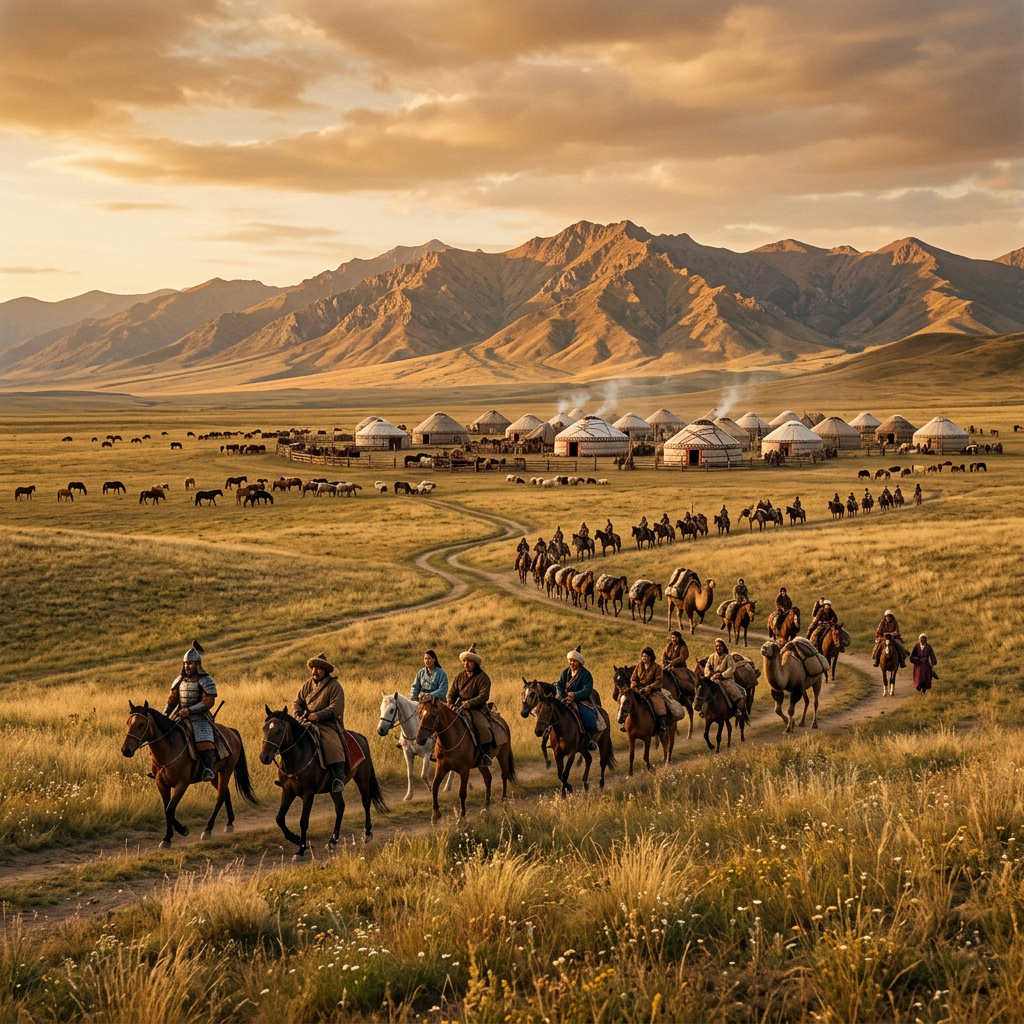
The Turkic civilisation developed in the Great Steppe of Eurasia
Nomadic lifestyle played a key role
The steppe connected East and West
Тюркская цивилизация сформировалась в условиях степи, где кочевой образ жизни определял культуру, политику и экономику.
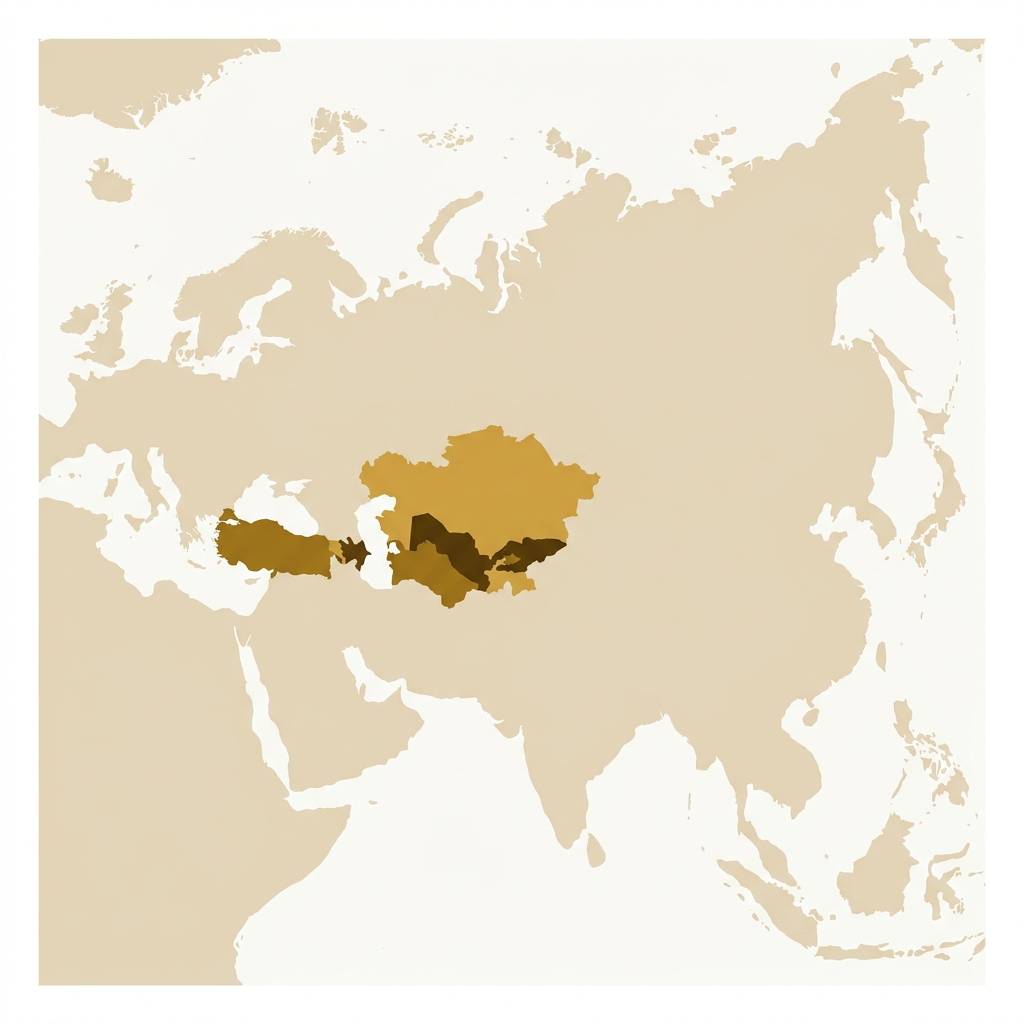
Origins of the Turks
Central Asia
United under strong leaders
Created powerful states
The Turkic Khaganates
First Turkic Khaganate (6th century)
Strong military and political system
Divided into Eastern and Western parts
Khaganate
— a state headed by a Khagan (supreme ruler)
Turgesh and Karluks
Turgesh played a role in regional power struggles
Karluks contributed to political and economic development
Strengthened trade and cities
The Oghuz Tribes
Oghuz tribes formed important ethnic groups
Influenced modern Turkic peoples
Played a role in history of Eurasia
Nomadic & Sedentary Cultures
Nomadic and sedentary cultures interacted
Trade and cultural exchange developed
Cities grew along trade routes
🏺 Silk Road — the great connector of civilisations
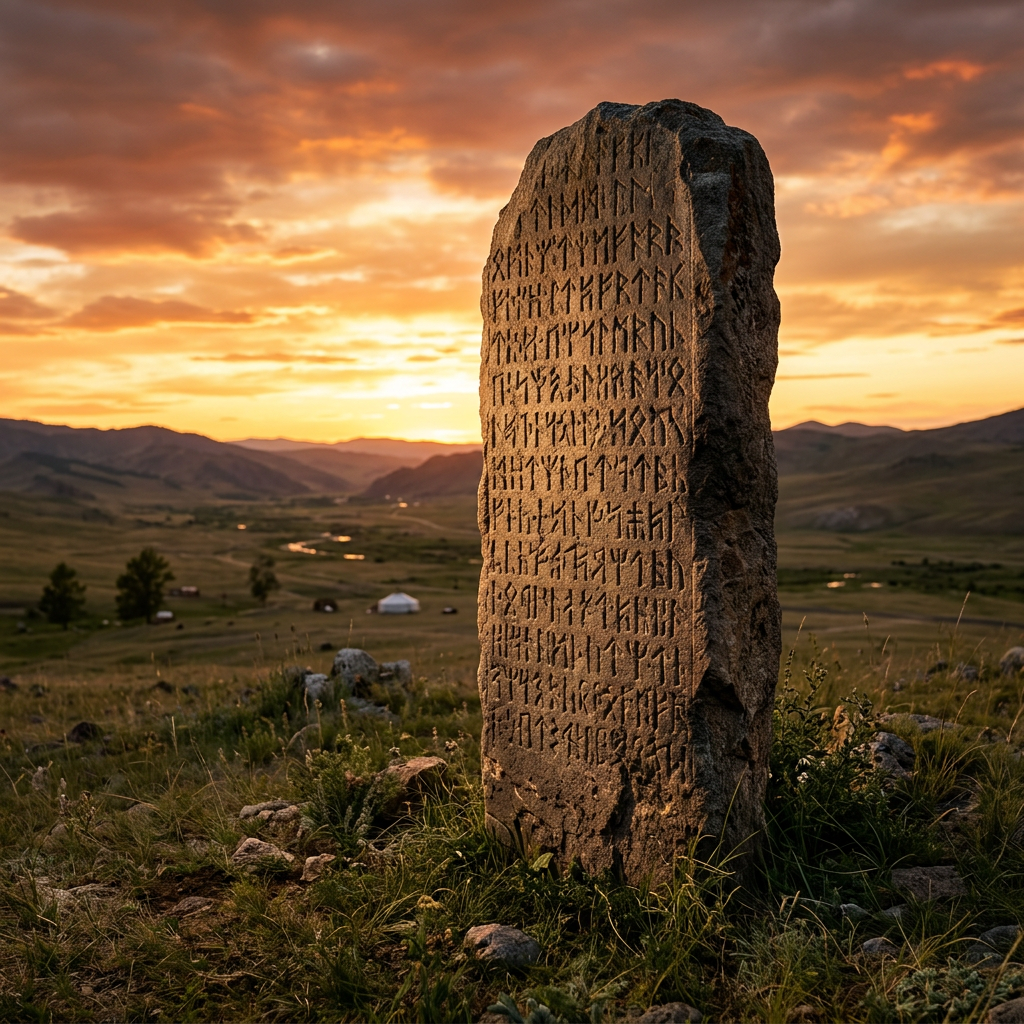
Orkhon-Yenisei Script
First written Turkic language
Used in monuments and inscriptions
Important cultural marker
Orkhon Valley, Mongolia — UNESCO World Heritage Site
Legacy of Turkic Civilisation
Connected different regions of Eurasia
Influenced culture, language, and politics
Legacy still exists today
Conclusion
Turkic civilisation was important for world history
The Great Steppe shaped its development
Its influence continues today
Aidoskyzy Akmerey • Kuanyshbay Kamila • DPA-2502
- turkic-history
- central-asia
- nomadic-culture
- silk-road
- eurasia
- khaganate
- steppes
- ancient-civilizations