
Environmental Degradation: Causes, Consequences & Solutions
Learn about the environmental crisis, its impact on society, and actionable solutions for a sustainable future in this comprehensive educational project.
Social Issues — Topic 4
Environment
In Danger
Causes • Consequences • Solutions
A Student Project Presentation
INDEX
What is a Social Problem?
Major Social Problems in the World
Introduction to Environment in Danger
Causes of Environmental Degradation
Present Status of the Environment
Consequences / Effects
Preventive Measures
Role of Government & Laws
What Can We Do? (Individual Action)
Conclusion
Environment in Danger — Social Issue Project
01
What is a<br>Social Problem?
A social problem is an issue that influences many citizens within a society. It is a common problem in present-day society and one that many people strive to solve.
Affects a large number of people
Recognized as harmful by society
Requires collective action to resolve
Has societal, economic & cultural impact
MAJOR SOCIAL PROBLEMS IN THE WORLD
Issues that affect millions across the globe
Environmental Degradation
Deforestation, pollution, climate change
Gender Discrimination
Unequal rights and opportunities
Female Feticide
Elimination of female children
Racial Discrimination
Prejudice based on race/ethnicity
Poverty & Hunger
Millions without basic needs
Lack of Education
Illiteracy and school dropouts
03
Environment<br>In Danger
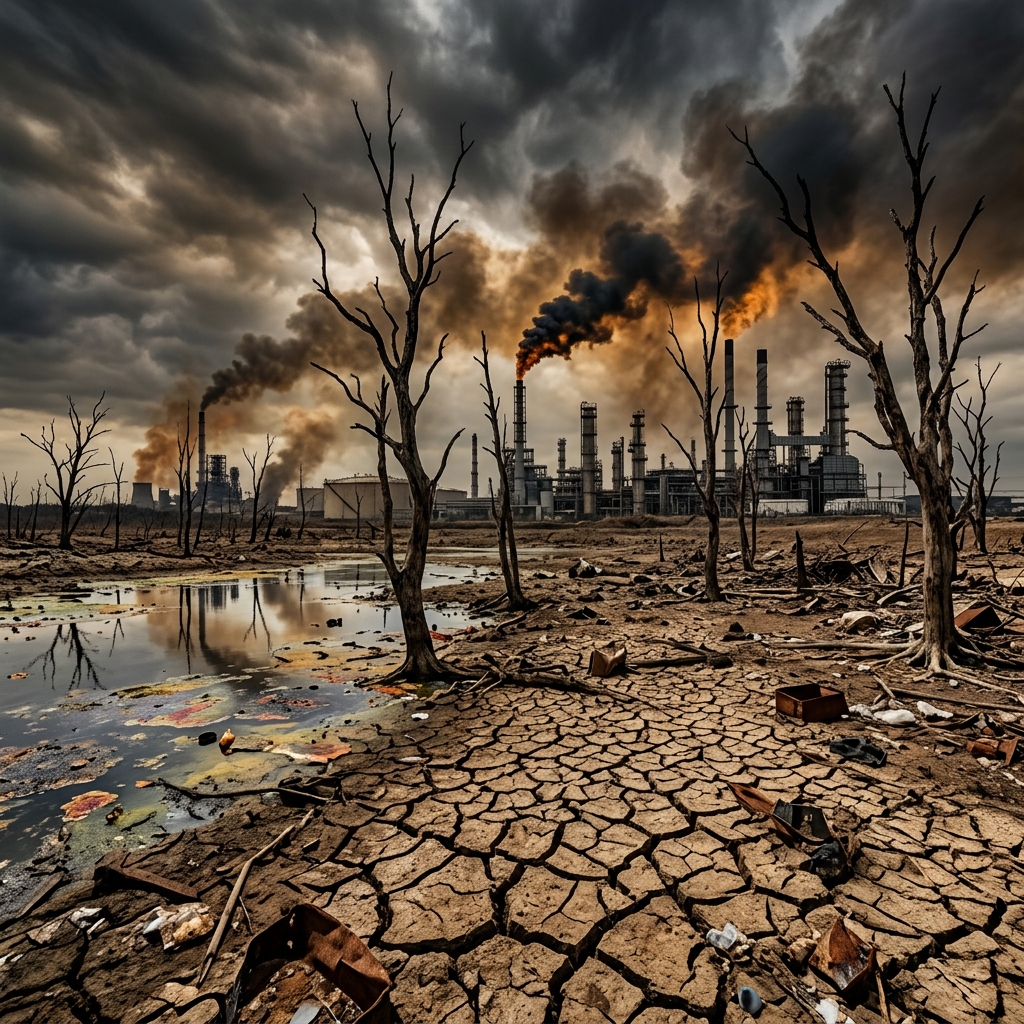
The environment is the foundation of all life on Earth. However, rapid industrialization, deforestation, pollution, and human negligence have pushed our planet to a critical tipping point. Environmental degradation is now one of the most pressing social problems of the 21st century.
🌡️
+1.2°C global temperature rise since pre-industrial era
🌲
15 billion trees cut down every year
🗑️
8 million tonnes of plastic enter oceans annually
04
Causes of Environmental Degradation
🏭
Industrialization & Pollution
Factories release toxic gases, chemicals and waste into air, water and soil, causing severe damage to ecosystems.
🌲
Deforestation
Millions of acres of forests are cleared every year for agriculture, urban development and logging, destroying biodiversity.
🚗
Burning of Fossil Fuels
Cars, planes and power plants burn coal and oil, releasing CO2 and greenhouse gases that drive climate change.
🗑️
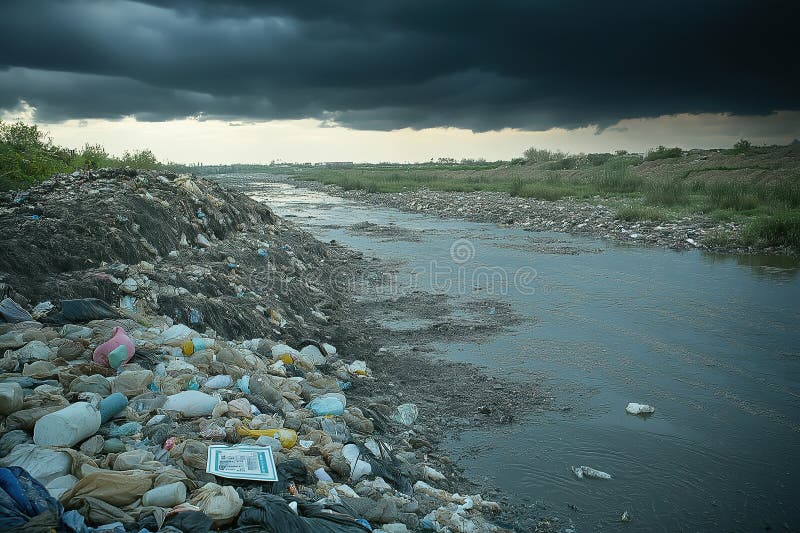
Improper Waste Disposal
Dumping of plastic, e-waste and chemicals in landfills and water bodies contaminates the environment.
05
Present Status of the Environment
Climate Crisis
1.5°C
Warming threshold we're close to breaching
Biodiversity Loss
1 Million
Species threatened with extinction
Ocean Pollution
30%
Ocean acidification increase since industrial revolution
Air Quality
7 Million
Deaths per year due to air pollution (WHO)
Sources: WHO, IPCC, WWF, UNEP
06
CONSEQUENCES
Effects of Environmental Degradation
Climate Change & Global Warming
rising sea levels, extreme weather events
Loss of Biodiversity
extinction of plants and animal species
Health Problems
respiratory diseases, waterborne illnesses, cancer
Food & Water Scarcity
failing crops, droughts, groundwater depletion
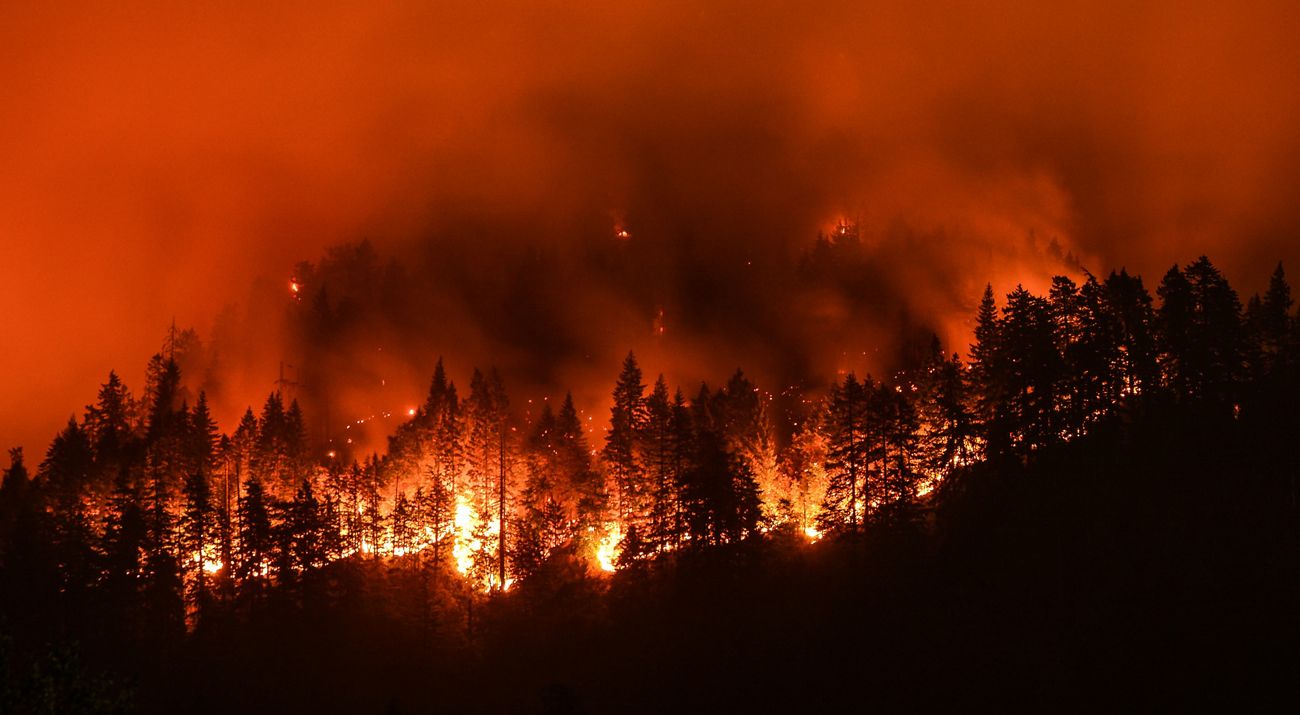
Natural Disasters
increased frequency of floods, cyclones, wildfires
Economic Losses
billions in damage to agriculture, infrastructure, tourism
Forced Migration
millions displaced due to sea-level rise and extreme weather
A Student Project Presentation
07
PREVENTIVE MEASURES
🌱
Plant More Trees
Afforestation and reforestation programs to restore green cover.
♻️
Reduce, Reuse, Recycle
Minimize waste generation; recycle plastic, paper, metal and glass.
🌞
Switch to Renewable Energy
Replace coal and oil with solar, wind and hydro power sources.
🚲
Sustainable Transport
Use public transport, bicycles or electric vehicles to cut emissions.
📚
Spread Awareness
Educate communities about environmental protection and conservation.
🏛️
Strict Environmental Laws
Governments must enforce anti-pollution regulations and penalize violators.
A Student Project Presentation
08
ROLE OF GOVERNMENT & ORGANIZATIONS
GOVERNMENT ACTIONS
National environmental policies
Pollution control boards
Wildlife protection acts
Banning of single-use plastics
Carbon tax and emission limits
INTERNATIONAL AGREEMENTS
Paris Climate Agreement (2015)
Kyoto Protocol
United Nations Environment Programme (UNEP)
Convention on Biological Diversity
Sustainable Development Goals (SDGs)
NGOs & CIVIL SOCIETY
Greenpeace campaigns
WWF wildlife conservation
Local clean-up drives
Environmental education programs
Community tree plantation drives
09
WHAT CAN WE DO?
Every individual can make a difference
Save Water
Fix leaks, take shorter showers
Save Electricity
Switch off lights, use LEDs
Say NO to Plastic
Carry cloth bags, avoid single-use
Grow Plants
Plant trees in your home or community
Public Transport
Reduce your carbon footprint
Avoid Food Waste
Only take what you can eat
Spread Awareness
Talk to family and friends
Support Brands
Choose eco-friendly products
Conclusion
The Earth does not belong to us — WE belong to the Earth.
Environmental degradation is not just a scientific problem — it is a deeply human social issue. It threatens our health, food, water, livelihoods, and future. Every generation has a responsibility to protect and preserve the natural world. Small actions, collective awareness, and strong policies can together reverse the damage and build a sustainable future.
ACT NOW. BEFORE IT'S TOO LATE.
Presented by: [Student Name] | Class: _____ | School: _____
10
REFERENCES
BOOKS & REPORTS
IPCC Assessment Report on Climate Change, 2023
WWF Living Planet Report, 2022
UNEP Global Environment Outlook, 2021
WEBSITES
www.un.org/environment
www.who.int (Air Pollution Data)
www.greenpeace.org
www.iucnredlist.org (Species Data)
www.nationalgeographic.com
STATISTICS SOURCES
World Health Organization (WHO)
World Wildlife Fund (WWF)
United Nations Environment Programme (UNEP)
Intergovernmental Panel on Climate Change (IPCC)
Thank You for Watching
- environment
- climate-change
- sustainability
- pollution
- environmental-degradation
- social-issues
- green-energy
- conservation