Made byBobr AI

History & Evolution of the English Dictionary

Explore the linguistic journey of dictionaries, from Sumerian word lists to Samuel Johnson and the modern digital revolution of language.

#linguistics#etymology#dictionary-history#english-language#education#literature#oed#philology
Watch
Pitch
A LINGUISTIC JOURNEY
The Secrets
of the English
Dictionary
Unraveling the Hidden History, Curiosities & Evolution of Words
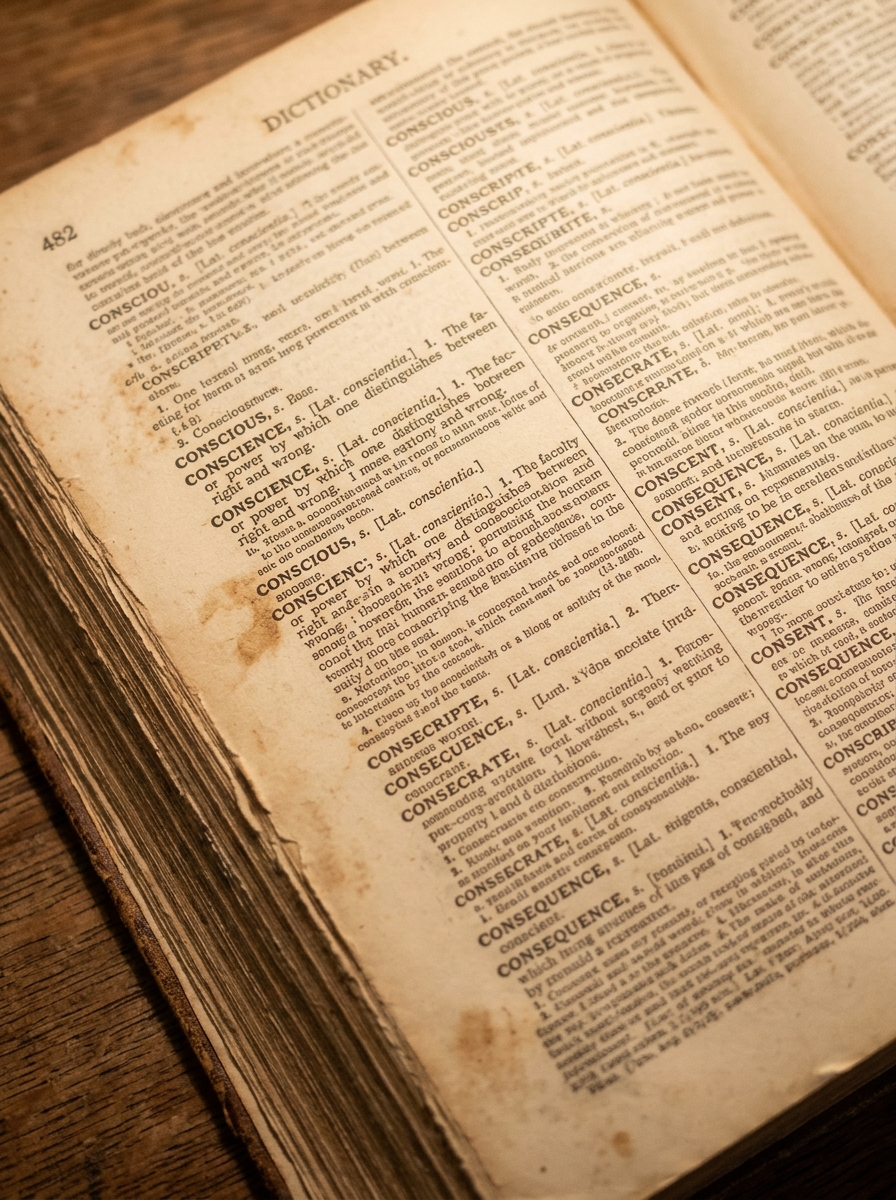
Vintage Dictionary
Made byBobr AI
INTRODUCTION
What Is a Dictionary?
1.
A dictionary is a reference book listing words, their meanings, pronunciations, and origins.
2.
Derived from the Latin "dictionarium" — a manual of words.
3.
Serves as the official record of a living, evolving language.
4.
Far more than definitions — a cultural and historical artifact.
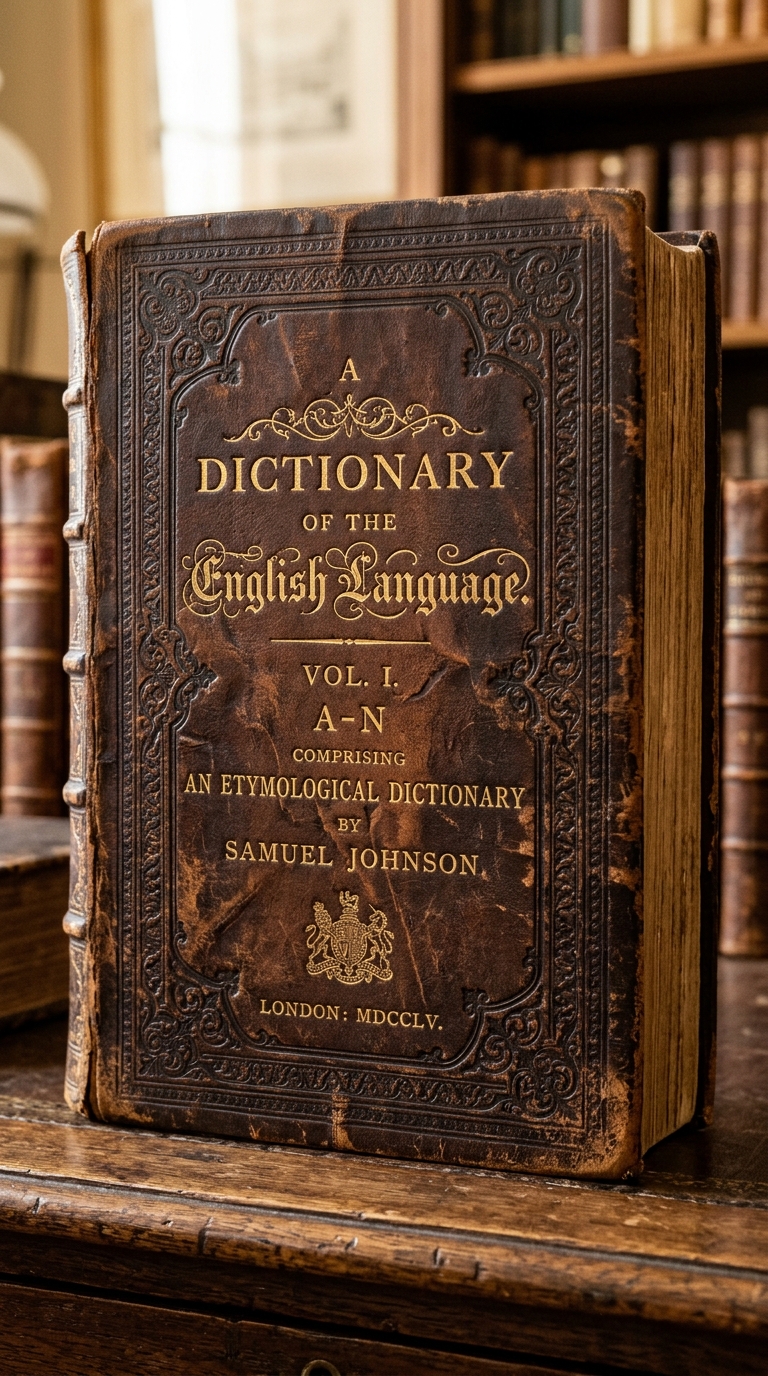
"A dictionary is a frozen picture of a language in motion."
Vintage Dictionary
Made byBobr AI
HISTORY
A Brief History
of Dictionaries
~2300 BC
Sumerian cuneiform word lists, the earliest known dictionaries
1604
Robert Cawdrey publishes the first English dictionary “Table Alphabeticall”
1755
Samuel Johnson's landmark “Dictionary of the English Language”
1884
Oxford English Dictionary begins publication (completed 1928)
2000s
Digital dictionaries and online platforms like Merriam-Webster go live
Vintage Quill and Inkwell
Made byBobr AI
MILESTONE
Samuel Johnson
& the First Great Dictionary
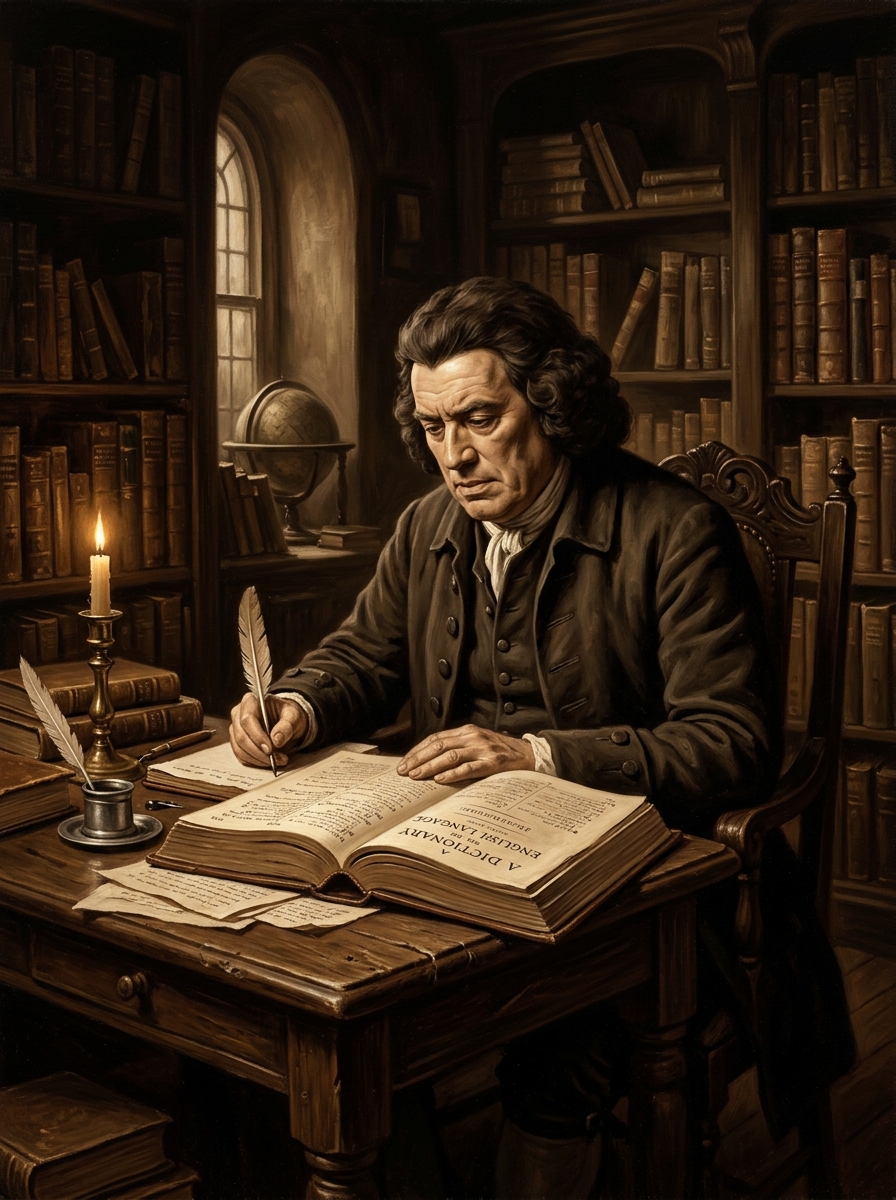
Took 9 years to complete (1746–1755)
Contained 42,773 words with definitions
Included literary quotations to illustrate usage — a first!
Shaped English spelling and grammar for generations
Written almost entirely by Johnson himself with 6 assistants
Words are the daughters of earth, and things are the sons of heaven.
— Samuel Johnson
Samuel Johnson Scholar
Made byBobr AI
THE OED
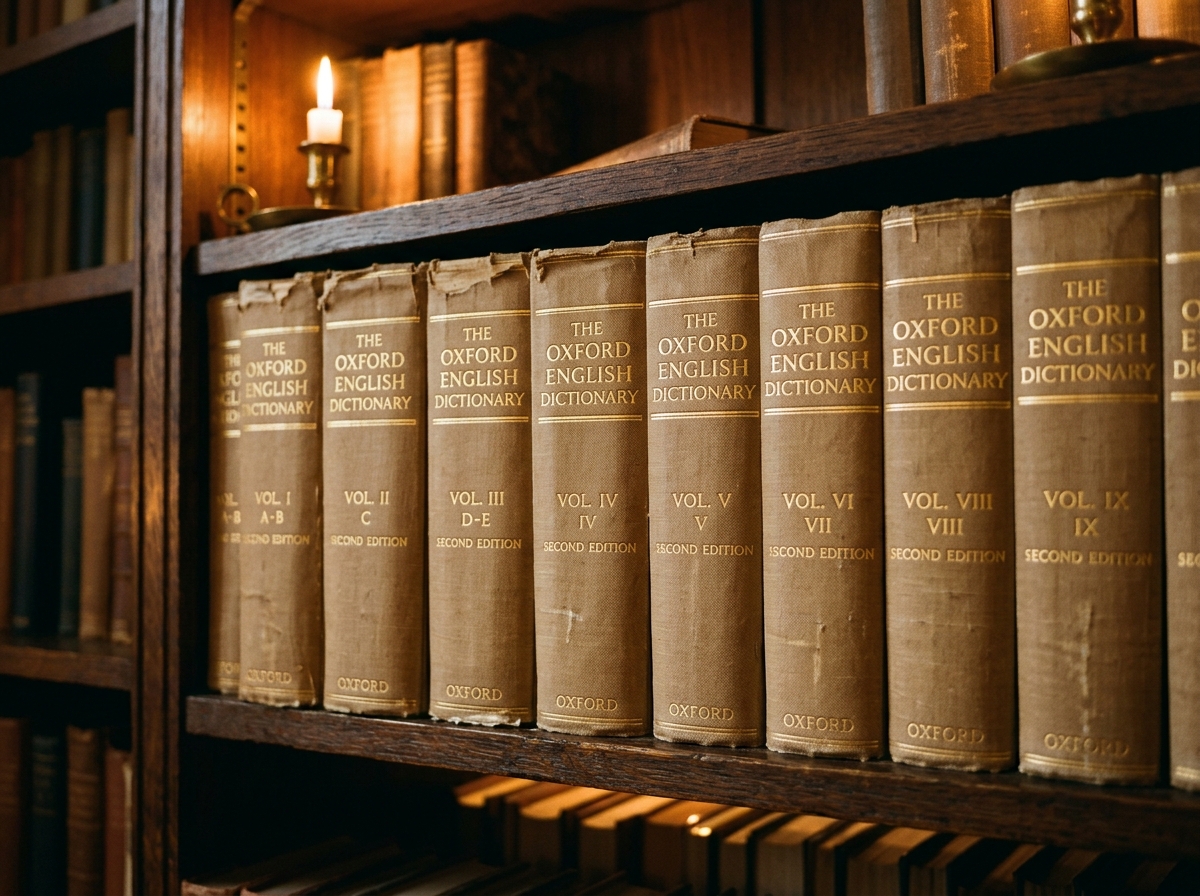
The Oxford English Dictionary
The definitive record of the English language
•
Work began in 1857 by the Philological Society of London
•
First full edition published 1884–1928 (44 years in the making!)
•
Contains over 600,000 words and 3 million quotations
•
Tracks every word's history from its first recorded use
•
The word "set" has the longest entry — over 60,000 words of definitions
•
Second edition (1989): 20 volumes, 21,730 pages
📖 It took one volunteer 17 years just to compile words beginning with 'W'!
OED Volumes
Made byBobr AI
THE PROCESS
How Words
Enter the
Dictionary
A word doesn't just appear overnight — it must earn its place.
Vintage Paper Texture
1
Evidence
The word must appear in print/media repeatedly
2
Frequency
Must be used by a wide variety of speakers/writers
3
Duration
Must persist over time (typically 5–10 years)
4
Editorial Review
Lexicographers review and write the definition
5
Publication
The word is officially added to the dictionary
Made byBobr AI
DID YOU KNOW?
Surprising Secrets of the Dictionary
Ghost Words
Words accidentally invented by typesetters or editors (e.g. "dord" in Merriam-Webster, 1934)
The Longest Word
Pneumono­ultra­microscopic­silico­volcano­coniosis (45 letters) is in the dictionary
Most Looked-Up Word
"Serenity" consistently tops annual search lists
Words Removed
Dictionaries delete words too: "cassette tape", "aerodrome" have been cut
Shakespeare's Influence
Over 1,700 English words were coined by Shakespeare
Newest Word
Recent additions include "rizz", "situationship", and "AI" as a noun
Made byBobr AI
LANGUAGE EVOLUTION
Words That Changed
Their Meaning
English words often start out meaning something very different. Here are a few remarkable transformations.
Awful
inspiring awe
terrible
Silly
blessed, happy
foolish
Girl
young person of either sex
young female
Meat
any food
animal flesh
Nice
foolish, ignorant
pleasant
Made byBobr AI
MODERN ERA
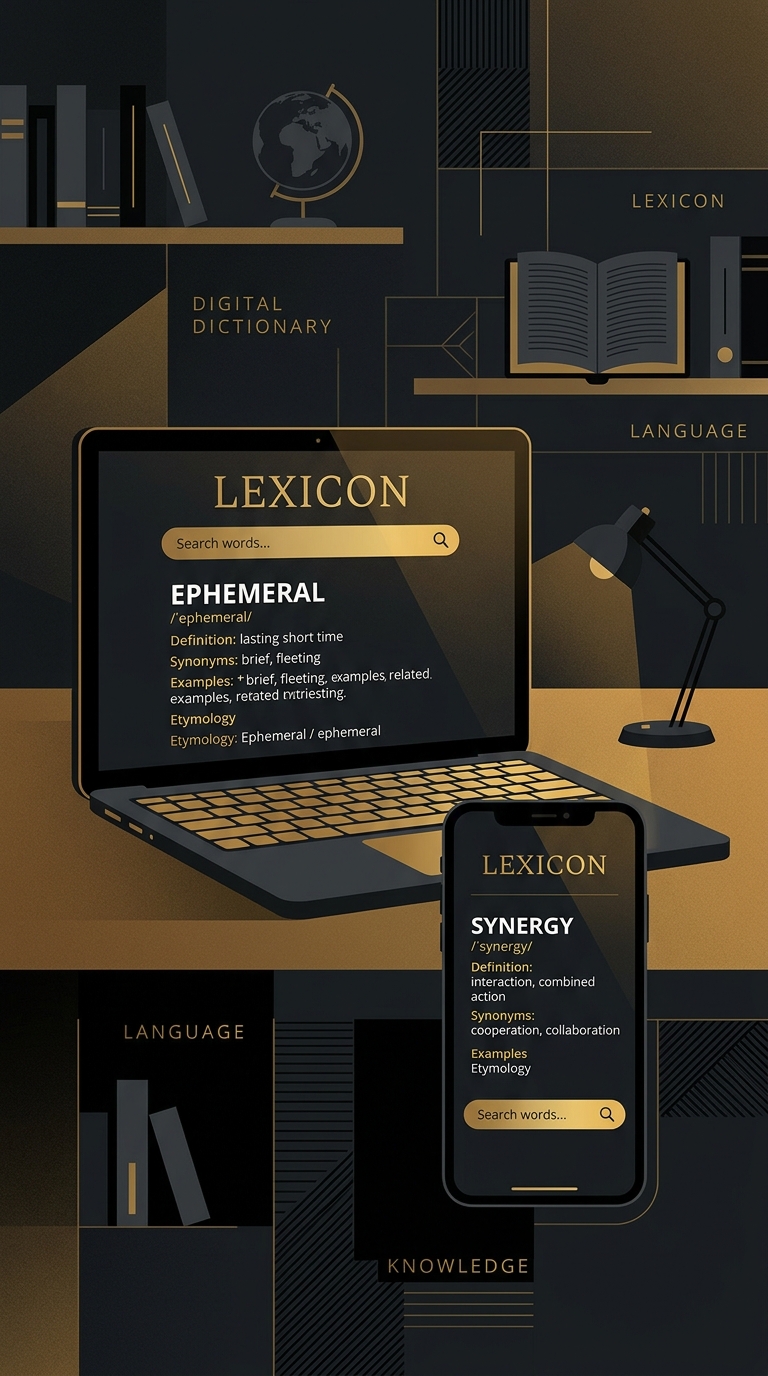
The Digital
Dictionary
Revolution
•
Merriam-Webster.com receives over 100 million visits per month
•
Real-time updates — new words can be added instantly
•
Search data reveals what words confuse or fascinate people most
•
Crowdsourced dictionaries like Wiktionary offer millions of entries
•
AI and NLP are now used to help define emerging terms
•
Dictionary apps track trending words and spike in lookups during news events
🔍 'Pandemic' lookups spiked 115,000% on March 11, 2020 — the day WHO declared COVID-19 a pandemic.
Digital Dictionary App
Made byBobr AI
FINAL THOUGHT
The Dictionary Is Never
Truly Finished
Language is alive. Every day, new words are born, old words evolve, and some quietly fade away. The dictionary doesn't define language — it follows it.
“In the beginning was the Word.”
Thank you for exploring the secrets of the English Dictionary.
✦
Made byBobr AI
Bobr AI

DESIGNER-MADE
PRESENTATION,
GENERATED FROM
YOUR PROMPT

Create your own professional slide deck with real images, data charts, and unique design in under a minute.

Generate For Free

History & Evolution of the English Dictionary

Explore the linguistic journey of dictionaries, from Sumerian word lists to Samuel Johnson and the modern digital revolution of language.

A LINGUISTIC JOURNEY

The Secrets

of the English

Dictionary

Unraveling the Hidden History, Curiosities & Evolution of Words

INTRODUCTION

What Is a Dictionary?

A dictionary is a reference book listing words, their meanings, pronunciations, and origins.

Derived from the Latin "dictionarium" — a manual of words.

Serves as the official record of a living, evolving language.

Far more than definitions — a cultural and historical artifact.

"A dictionary is a frozen picture of a language in motion."

HISTORY

A Brief History

of Dictionaries

~2300 BC

Sumerian cuneiform word lists, the earliest known dictionaries

1604

Robert Cawdrey publishes the first English dictionary “Table Alphabeticall”

1755

Samuel Johnson's landmark “Dictionary of the English Language”

1884

Oxford English Dictionary begins publication (completed 1928)

2000s

Digital dictionaries and online platforms like Merriam-Webster go live

MILESTONE

Samuel Johnson

& the First Great Dictionary

Took 9 years to complete (1746–1755)

Contained 42,773 words with definitions

Included literary quotations to illustrate usage — a first!

Shaped English spelling and grammar for generations

Written almost entirely by Johnson himself with 6 assistants

Words are the daughters of earth, and things are the sons of heaven.

— Samuel Johnson

THE OED

The Oxford English Dictionary

The definitive record of the English language

Work began in 1857 by the Philological Society of London

First full edition published 1884–1928 (44 years in the making!)

Contains over 600,000 words and 3 million quotations

Tracks every word's history from its first recorded use

The word "set" has the longest entry — over 60,000 words of definitions

Second edition (1989): 20 volumes, 21,730 pages

📖 It took one volunteer 17 years just to compile words beginning with 'W'!

THE PROCESS

How Words

Enter the

Dictionary

A word doesn't just appear overnight — it must earn its place.

1

Evidence

The word must appear in print/media repeatedly

2

Frequency

Must be used by a wide variety of speakers/writers

3

Duration

Must persist over time (typically 5–10 years)

4

Editorial Review

Lexicographers review and write the definition

5

Publication

The word is officially added to the dictionary

DID YOU KNOW?

Surprising Secrets of the Dictionary

Ghost Words

Words accidentally invented by typesetters or editors (e.g. "dord" in Merriam-Webster, 1934)

The Longest Word

Pneumono­ultra­microscopic­silico­volcano­coniosis (45 letters) is in the dictionary

Most Looked-Up Word

"Serenity" consistently tops annual search lists

Words Removed

Dictionaries delete words too: "cassette tape", "aerodrome" have been cut

Shakespeare's Influence

Over 1,700 English words were coined by Shakespeare

Newest Word

Recent additions include "rizz", "situationship", and "AI" as a noun

LANGUAGE EVOLUTION

Words That Changed

Their Meaning

English words often start out meaning something very different. Here are a few remarkable transformations.

Awful

inspiring awe

terrible

Silly

blessed, happy

foolish

Girl

young person of either sex

young female

Meat

any food

animal flesh

Nice

foolish, ignorant

pleasant

MODERN ERA

The Digital

Dictionary

Revolution

Merriam-Webster.com receives over 100 million visits per month

Real-time updates — new words can be added instantly

Search data reveals what words confuse or fascinate people most

Crowdsourced dictionaries like Wiktionary offer millions of entries

AI and NLP are now used to help define emerging terms

Dictionary apps track trending words and spike in lookups during news events

🔍 'Pandemic' lookups spiked 115,000% on March 11, 2020 — the day WHO declared COVID-19 a pandemic.

FINAL THOUGHT

The Dictionary Is Never

Truly Finished

Language is alive. Every day, new words are born, old words evolve, and some quietly fade away. The dictionary doesn't define language — it follows it.

“In the beginning was the Word.”

Thank you for exploring the secrets of the English Dictionary.