





WV Early Learning Social-Emotional Standards Guide (Ages 3-5)
Explore the WV social-emotional domain standards for preschoolers covering self-concept, social relationships, and community knowledge with teacher activities.
WV Early Learning Standards
Social/Emotional Domain
Ages 3–5
A Visual Representation of Foundations & Building Blocks
Foundation 1: Self-Concept
SE.PK.1–6 | Ages 3–5
Children develop a positive sense of self — recognizing their traits, expressing emotions, building confidence, and responding to social cues.
Building Blocks
SE.PK.1 – Describes own physical characteristics
SE.PK.2 – Demonstrates confidence and independence
SE.PK.3 – Shows initiative and self-direction
SE.PK.4 – Expresses needs and emotions appropriately
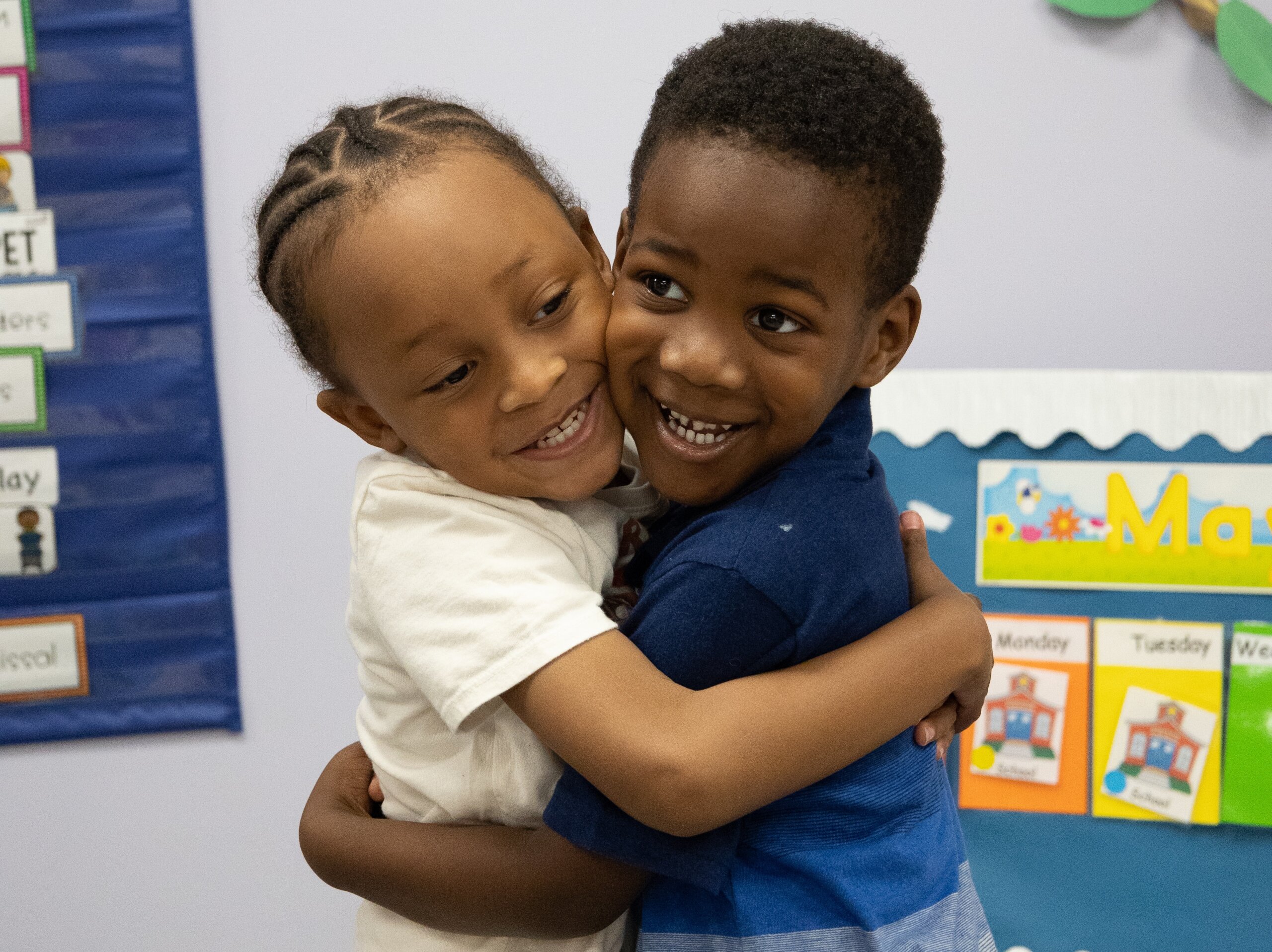
SE.PK.5 – Recognizes and responds to others' emotions
SE.PK.6 – Regulates own behavior and emotions
Supporting Activities
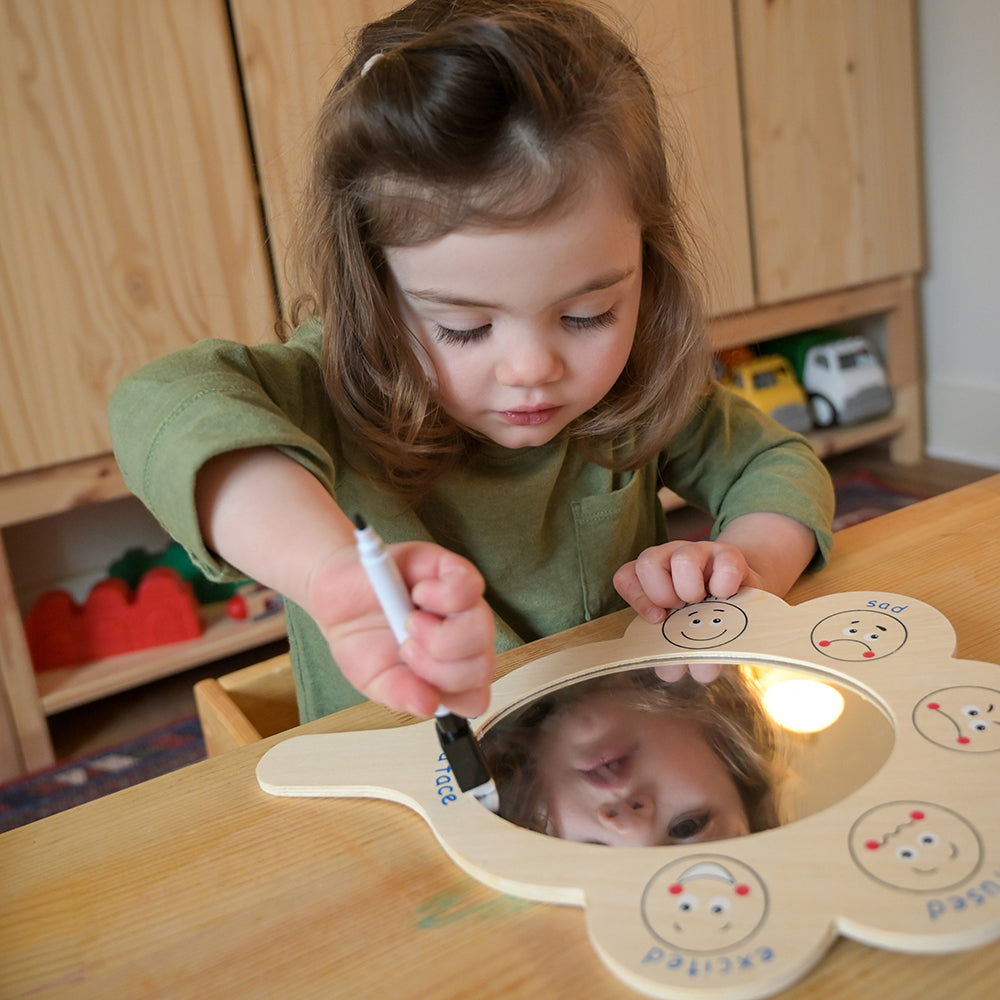
🪞 Using a 'Feelings Mirror' to identify and name emotions (SE.PK.4)
🌟 Praising children's efforts to build confidence & independence (SE.PK.2–3)
Foundation 2: Social Relationships
SE.PK.7–18 | Ages 3–5
Children build meaningful friendships, develop empathy, learn to cooperate, follow classroom rules, manage transitions, and resolve conflicts.
SE.PK.7
Forms positive relationships with adults
SE.PK.8
Demonstrates empathy and caring
SE.PK.9
Follows classroom rules and routines
SE.PK.10
Manages transitions between activities
SE.PK.11
Sustains friendships with peers
SE.PK.12
Initiates and joins in play with others
SE.PK.13
Cooperates with peers in group activities
SE.PK.14
Negotiates and resolves conflicts
SE.PK.15–18
Participates cooperatively in group settings
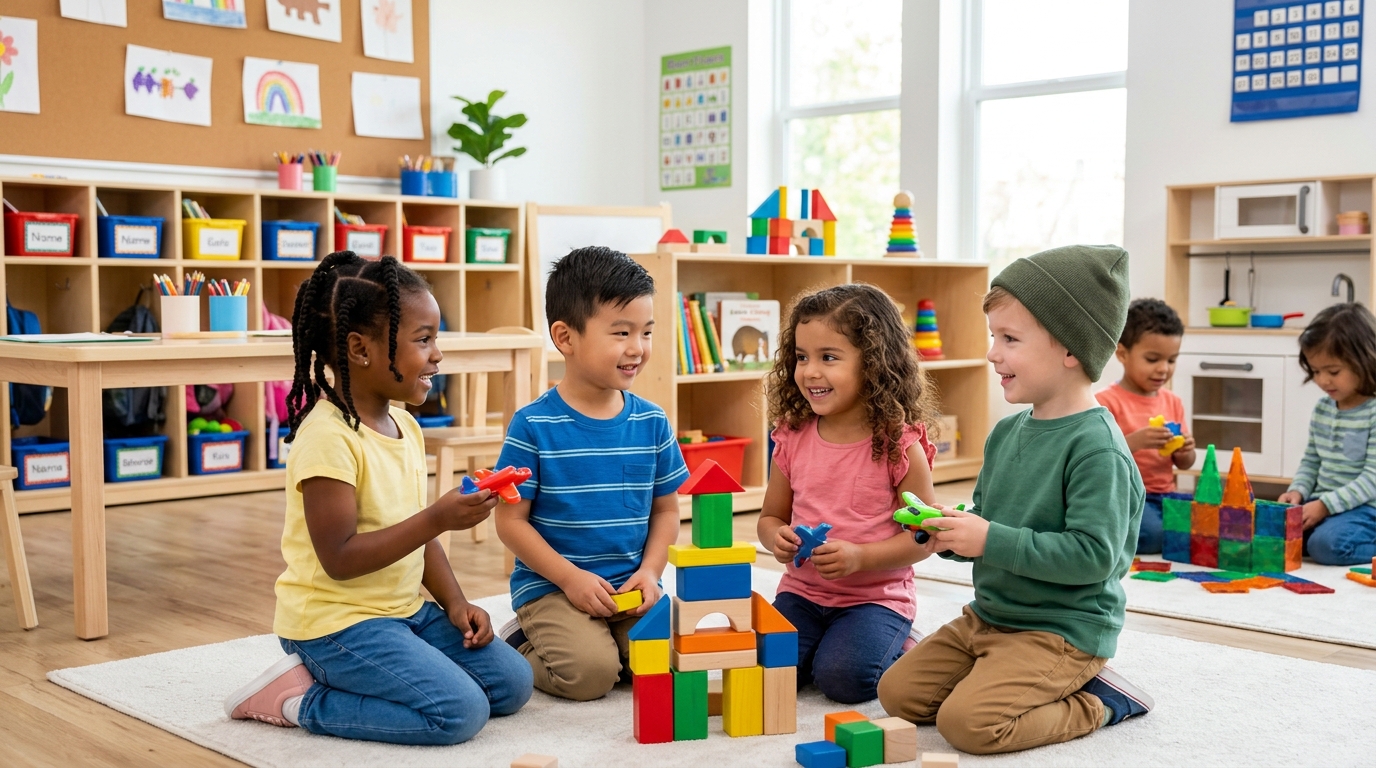
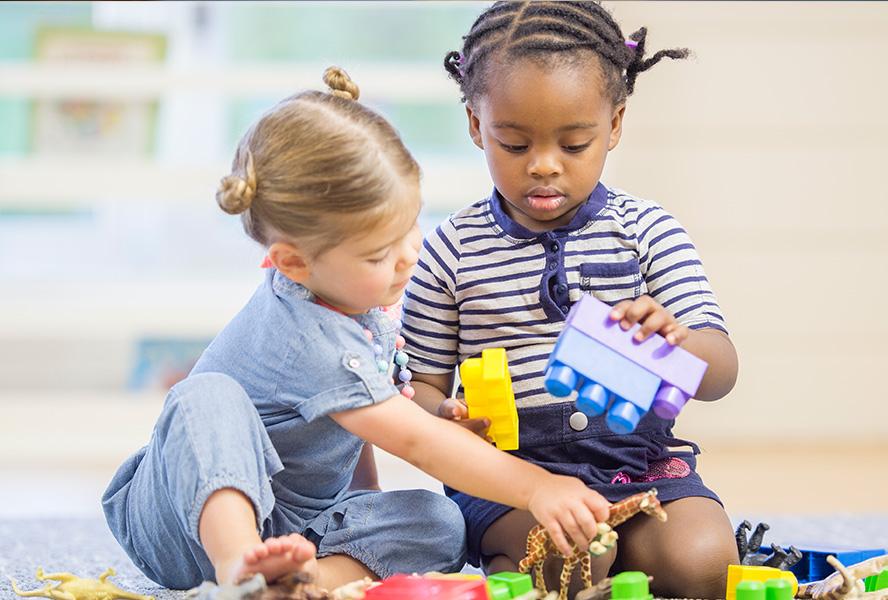
🤝 Cooperative play builds empathy and lasting friendships (SE.PK.8, SE.PK.11)
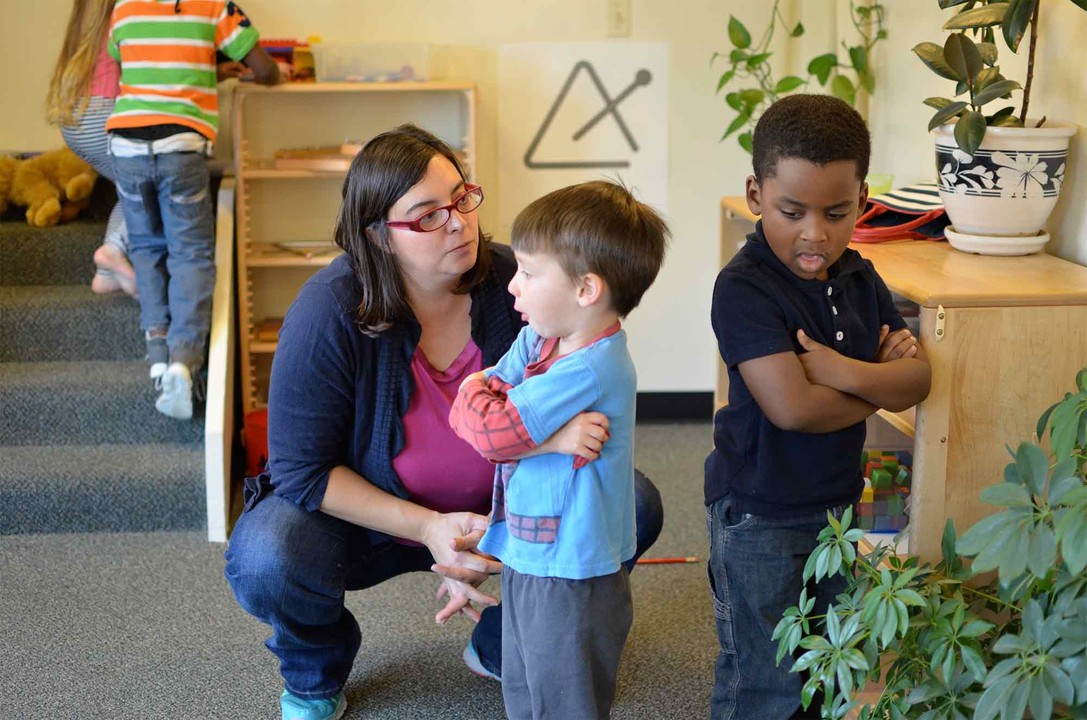
🗣️ Teacher guides children to use words to solve conflicts (SE.PK.14)
Foundation 3: Knowledge of Family & Community
SE.PK.19–23 | Ages 3–5
Children learn about family roles, identify community helpers, recognize similarities and differences, and understand where they belong.
Describes roles and relationships within the family
Identifies community helpers and their roles
Recognizes similarities and differences among people
Identifies as a member of various groups
Identifies the location of home and community
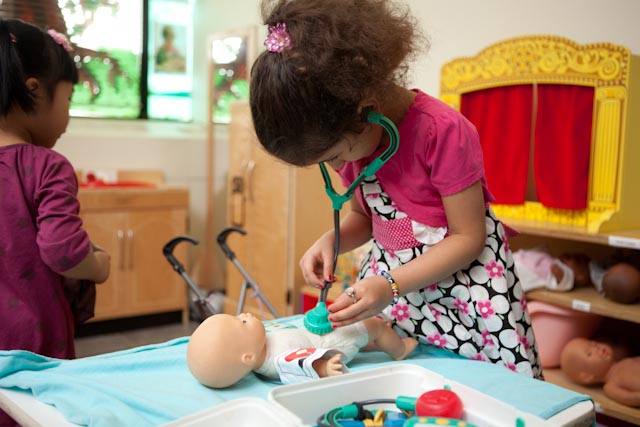
👨⚕️ Dramatic play with community helper costumes supports role awareness (SE.PK.20)
🏠 'All About My Family' drawing activity builds family role knowledge (SE.PK.19)
Why Social/Emotional Development Matters
Ages 3–5 | WV Early Learning Standards
When children develop strong social and emotional skills, they are better prepared to learn, form relationships, and succeed in school and in life.
Self-Concept
builds confidence & identity
Social Relationships
foster empathy & cooperation
Family & Community
creates belonging & civic awareness
West Virginia Early Learning Standards | Social/Emotional Domain | WVBE Policy 2520.15
- early-childhood-education
- wv-learning-standards
- social-emotional-learning
- preschool-curriculum
- teacher-resources
- child-development