

















Made byBobr AI

Digital Government in Kazakhstan: Global Lessons & Roadmap

Explore how Kazakhstan can adapt digital governance models from Estonia, Singapore, and South Korea to achieve a paperless, mobile-first public sector by 2031.

#kazakhstan#digital-governance#e-government#estonia-xroad#smart-nation#public-administration#digital-transformation#it-strategy
Watch
Pitch
Digital Globe Icon

Digital Public Administration in Kazakhstan: International Experience and Adaptation

Assignment 2 | Samatova Rushana | DPA-2501 | Astana IT University

2026
Made byBobr AI

Introduction

Digital governance is fundamentally transforming how governments interact with and serve their citizens.

Expectation of Speed

Citizens expect fast, simple, and accessible public services, much like modern online banking.

Deeper Transformation

Digital governance is more than implementing new tech; it requires deep structural transformation.

Core Impacts

Significantly impacts transparency, overall accountability, and national competitiveness globally.

Kazakhstan's Context

Progress made with e-gov and UN rankings, but challenged by digital divides and lack of system integration.

Made byBobr AI
🇪🇪 Estonia

Estonia: Digital Pioneer

Estonia Digital Map
X-Road

X-Road Platform

Decentralized architecture connecting government & private databases securely.

Once Only

"Once Only" Principle

Citizens submit data once; all authorized agencies share and utilize it efficiently.

Digital ID

Digital ID Cards

Enabling seamless e-signatures, secure access, and reliable internet voting.

Blockchain

Blockchain Security

Leveraging blockchain for an immutable, secure layer across digital infrastructure.

Made byBobr AI
Digital Governance

Singapore: Smart Nation

Smart Nation Initiative | Government as a Platform (GaaP) transforming national digital infrastructure.
Singpass Integration | Unified identity system providing single login for all public and private services.
Data-Driven Decisions | Leveraging AI and Big Data analytics for proactive urban planning and policymaking.
Digital Inclusion | Targeted programs empowering elderly and non-tech residents to navigate the digital world.
Smart Nation 2.0 | The next phase focusing on deeply human-centric and people-oriented digital services.
Singapore Skyline
Made byBobr AI
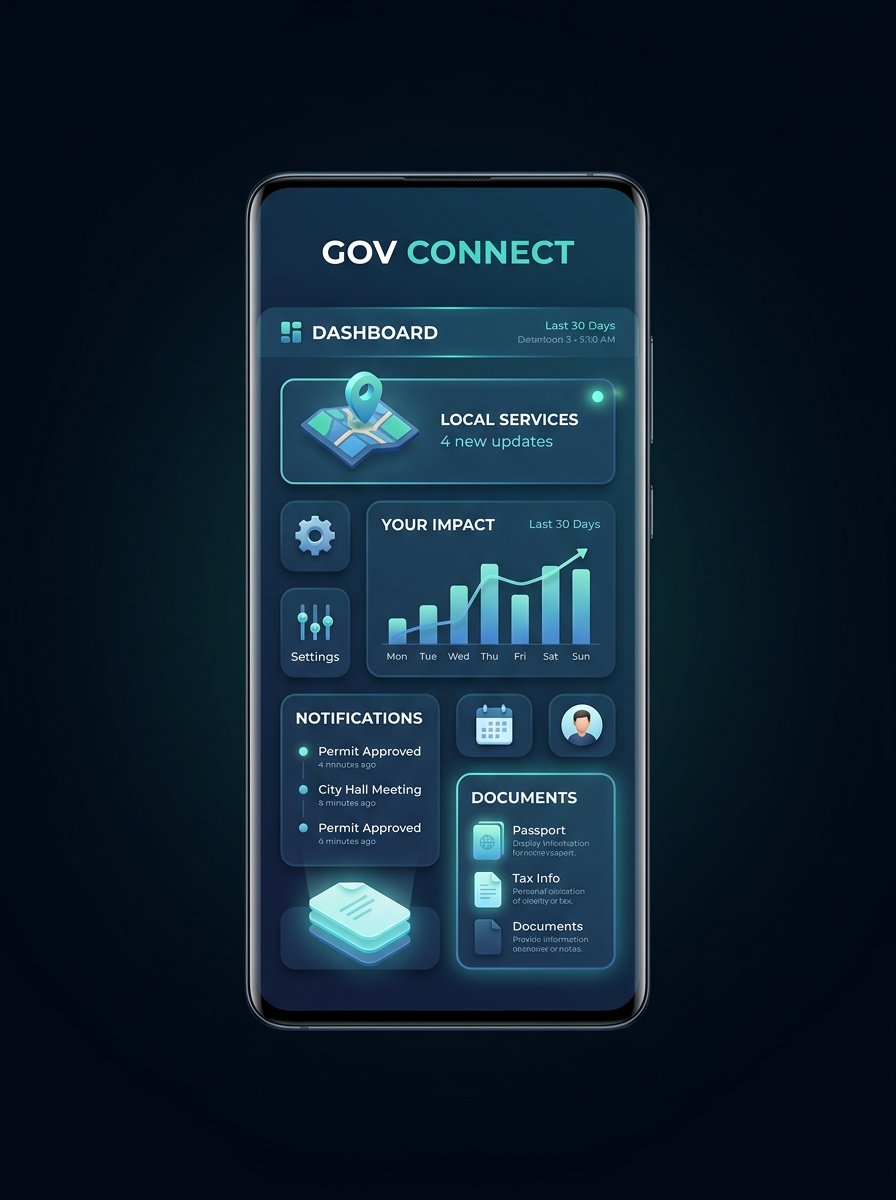
Mobile App Dashboard
Secured Network
South Korea

Mobile-First Governance

Speed Icon

90%+ Internet Penetration

World's fastest internet speeds enabling real-time connectivity and digital access seamlessly.

m-Gov (Mobile Government)

All essential administrative services reformatted natively for smartphones.

ID Icon

Unified Digital Platform

One integrated system granting a single verified digital identity per citizen.

Open Data via APIs

Government data safely shared to enable robust private sector innovation.

Made byBobr AI

Adaptation to Kazakhstan

Estonia Icon

From Estonia

X-Road integration to connect ministries, share data efficiently, and reduce procedural bureaucracy.

Singapore Icon

From Singapore

Platform-based model for integrated citizen service access and unified digital identity.

South Korea Icon

From South Korea

Mobile-first approach to bridge the urban/rural divide, supported by robust open data APIs.

KEY CHALLENGES: Infrastructure gaps in rural areas, legal reforms needed, institutional resistance, and low digital literacy in certain demographics.

Made byBobr AI

Implementation Roadmap 2026–2031

2026–2027

Phase 1: Foundation

  • Infrastructure upgrade
  • Legal reforms
  • Basic integration
2028–2029

Phase 2: Integration

  • X-Road style data exchange
  • Mobile platform launch
  • AI pilots
2030–2031

Phase 3: Proactive Governance

  • Full paperless government
  • AI-driven services
  • 100% mobile access
Made byBobr AI

Forecasted Strategic Changes

Governance

Transition to Paperless Republic

Complete phase-out of physical documents and migration to distributed cloud storage.

Service Delivery

Mobile-First Ubiquity

100% of public services available via unified mobile platform with 24/7 AI assistants.

Efficiency

Administrative Optimization

35% reduction in routine processing time across administrative functions.

Made byBobr AI

Risk Analysis Overview

💻

Internal Risks

Server failures
Data breaches
Outdated systems
🌐

Cross-Border Risks

Cyberattacks
Foreign tech dependency
Data sovereignty
⚖️

Political Risks

Digital divide
Surveillance abuse
Lack of transparency
⚙️

Administrative Risks

Employee resistance
Digital bureaucracy
Poor coordination
🏛️

Institutional Risks

Outdated legislation
Unclear AI accountability
Weak governance bodies
📢

Media Risks

Misinformation
Fake news about leaks
Poor communication
Made byBobr AI

Alternative Scenarios

Optimistic Icon

Optimistic Scenario 🟢

Proactive Governance achieved
Full digital integration & mobile-first
AI services & paperless state
⚖️

Realistic Scenario 🟡

Uneven progress across the country
Faster in cities, slower in rural areas
Partial system integration
📉

Pessimistic Scenario 🔴

Lack of critical funding down the road
Major cybersecurity incidents
Institutional resistance slows everything down
Made byBobr AI

Key Success Factors

Success
1

Strong Political Will
& Leadership

2

Infrastructure Investment

(Especially Rural Regions)

3

Legal & Regulatory
Reforms

4

Public Trust &
Transparent Communication

5

Inter-Agency
Collaboration

Made byBobr AI

Conclusion

1

Digital transformation is not optional — it's essential for Kazakhstan's future

2

No single model fits all — combine best practices from Estonia, Singapore, South Korea

3

Risk management and public trust are critical success factors

4

The next 3–5 years are decisive — Kazakhstan can become a regional digital leader

"Digital governance is not a destination — it's a continuous journey."

Made byBobr AI
Bobr AI

DESIGNER-MADE
PRESENTATION,
GENERATED FROM
YOUR PROMPT

Create your own professional slide deck with real images, data charts, and unique design in under a minute.

Generate For Free

Digital Government in Kazakhstan: Global Lessons & Roadmap

Explore how Kazakhstan can adapt digital governance models from Estonia, Singapore, and South Korea to achieve a paperless, mobile-first public sector by 2031.

Digital Public Administration in Kazakhstan: International Experience and Adaptation

Assignment 2 | Samatova Rushana | DPA-2501 | Astana IT University

2026

Introduction

Digital governance is fundamentally transforming how governments interact with and serve their citizens.

Expectation of Speed

Citizens expect fast, simple, and accessible public services, much like modern online banking.

Deeper Transformation

Digital governance is more than implementing new tech; it requires deep structural transformation.

Core Impacts

Significantly impacts transparency, overall accountability, and national competitiveness globally.

Kazakhstan's Context

Progress made with e-gov and UN rankings, but challenged by digital divides and lack of system integration.

🇪🇪 Estonia

Estonia: Digital Pioneer

X-Road Platform

Decentralized architecture connecting government & private databases securely.

"Once Only" Principle

Citizens submit data once; all authorized agencies share and utilize it efficiently.

Digital ID Cards

Enabling seamless e-signatures, secure access, and reliable internet voting.

Blockchain Security

Leveraging blockchain for an immutable, secure layer across digital infrastructure.

Singapore: Smart Nation

Smart Nation Initiative

Government as a Platform (GaaP) transforming national digital infrastructure.

Singpass Integration

Unified identity system providing single login for all public and private services.

Data-Driven Decisions

Leveraging AI and Big Data analytics for proactive urban planning and policymaking.

Digital Inclusion

Targeted programs empowering elderly and non-tech residents to navigate the digital world.

Smart Nation 2.0

The next phase focusing on deeply human-centric and people-oriented digital services.

South Korea

Mobile-First Governance

90%+ Internet Penetration

World's fastest internet speeds enabling real-time connectivity and digital access seamlessly.

m-Gov (Mobile Government)

All essential administrative services reformatted natively for smartphones.

Unified Digital Platform

One integrated system granting a single verified digital identity per citizen.

Open Data via APIs

Government data safely shared to enable robust private sector innovation.

Adaptation to Kazakhstan

From Estonia

X-Road integration to connect ministries, share data efficiently, and reduce procedural bureaucracy.

From Singapore

Platform-based model for integrated citizen service access and unified digital identity.

From South Korea

Mobile-first approach to bridge the urban/rural divide, supported by robust open data APIs.

Infrastructure gaps in rural areas, legal reforms needed, institutional resistance, and low digital literacy in certain demographics.

Implementation Roadmap 2026–2031

2026–2027

Phase 1: Foundation

Infrastructure upgrade

Legal reforms

Basic integration

2028–2029

Phase 2: Integration

X-Road style data exchange

Mobile platform launch

AI pilots

2030–2031

Phase 3: Proactive Governance

Full paperless government

AI-driven services

100% mobile access

Forecasted Strategic Changes

Governance

Transition to Paperless Republic

Complete phase-out of physical documents and migration to distributed cloud storage.

Service Delivery

Mobile-First Ubiquity

100% of public services available via unified mobile platform with 24/7 AI assistants.

Efficiency

Administrative Optimization

35% reduction in routine processing time across administrative functions.

Risk Analysis Overview

💻

Internal Risks

Server failures

Data breaches

Outdated systems

🌐

Cross-Border Risks

Cyberattacks

Foreign tech dependency

Data sovereignty

⚖️

Political Risks

Digital divide

Surveillance abuse

Lack of transparency

⚙️

Administrative Risks

Employee resistance

Digital bureaucracy

Poor coordination

🏛️

Institutional Risks

Outdated legislation

Unclear AI accountability

Weak governance bodies

📢

Media Risks

Misinformation

Fake news about leaks

Poor communication

Alternative Scenarios

Optimistic Scenario

Proactive Governance achieved

Full digital integration & mobile-first

AI services & paperless state

Realistic Scenario

Uneven progress across the country

Faster in cities, slower in rural areas

Partial system integration

Pessimistic Scenario

Lack of critical funding down the road

Major cybersecurity incidents

Institutional resistance slows everything down

Key Success Factors

Conclusion

Digital transformation is not optional — it's essential for Kazakhstan's future

No single model fits all — combine best practices from Estonia, Singapore, South Korea

Risk management and public trust are critical success factors

The next 3–5 years are decisive — Kazakhstan can become a regional digital leader

"Digital governance is not a destination — it's a continuous journey."

  • kazakhstan
  • digital-governance
  • e-government
  • estonia-xroad
  • smart-nation
  • public-administration
  • digital-transformation
  • it-strategy