
Made byBobr AI

Marine Algae: Bioactive Compounds & Pharmaceutical Potential

Explore the science of marine algae, bioactive molecules like fucoidan, and extraction methods for pharmaceuticals, nutraceuticals, and functional foods.

#marine-algae#bioactive-compounds#biotechnology#pharmaceuticals#nutraceuticals#green-extraction#fucoidan#marine-science
Watch
Pitch
SCIENTIFIC STUDY
Marine Algae
as a Source of
Bioactive Compounds
Exploring the Ocean's Pharmaceutical Potential
Research Presentation · 2026
Made byBobr AI
CONTENTS
What We'll
Cover
01
Introduction
Marine algae overview & classification
02
Types of Algae
Green, brown, red & microalgae
03
Bioactive Compounds
Key molecules & chemical classes
04
Biological Activities
Antioxidant, antimicrobial & more
05
Extraction Methods
MAE, UAE & supercritical techniques
06
Applications & Future
Pharma, nutraceuticals & outlook
Made byBobr AI
01 — INTRODUCTION
The Ocean's Hidden Treasure
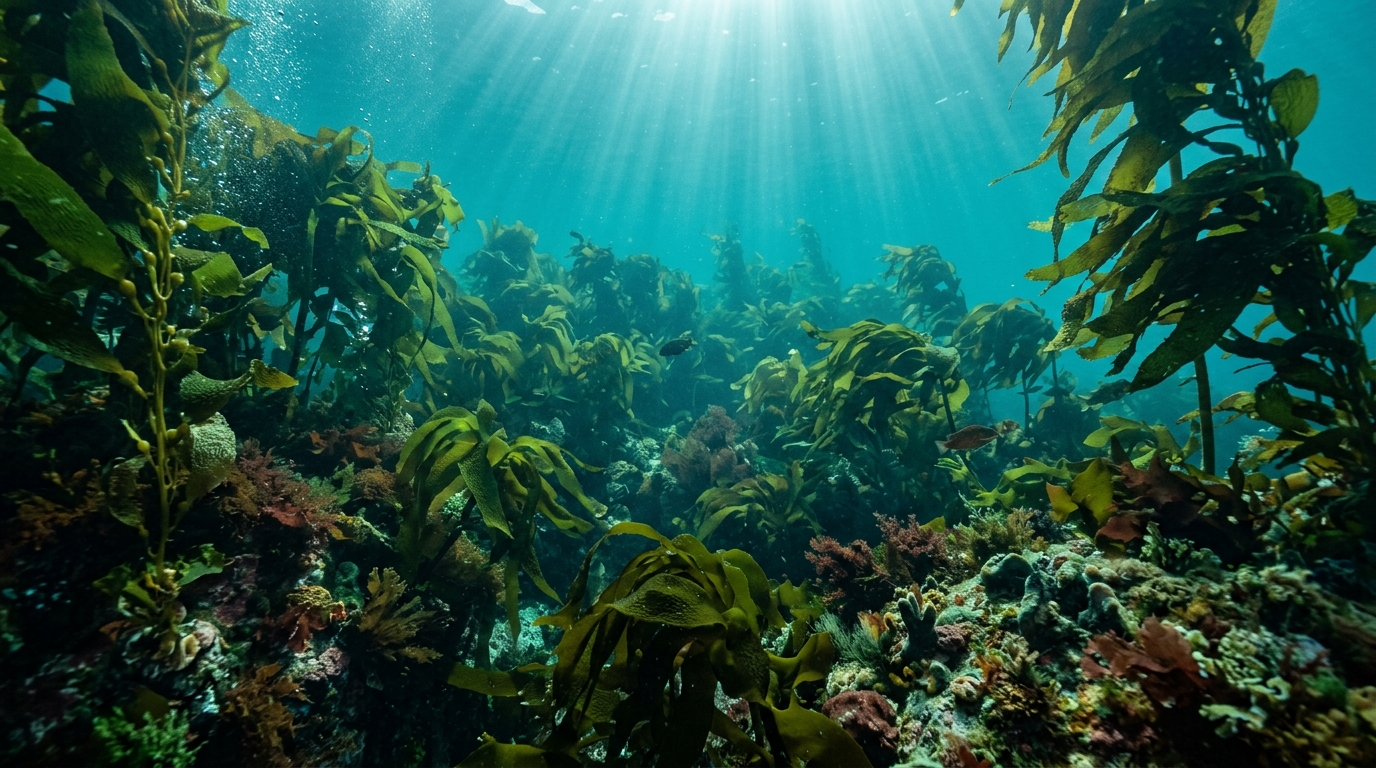
Marine algae are among Earth's most productive organisms, covering 71% of our planet. They represent a largely untapped reservoir of bioactive molecules with immense pharmaceutical potential.
~30,000
Species of algae known globally
>1,000
Bioactive compounds identified
$12B+
Global seaweed market value
Made byBobr AI
02 — TYPES OF ALGAE
Classification of Marine Algae
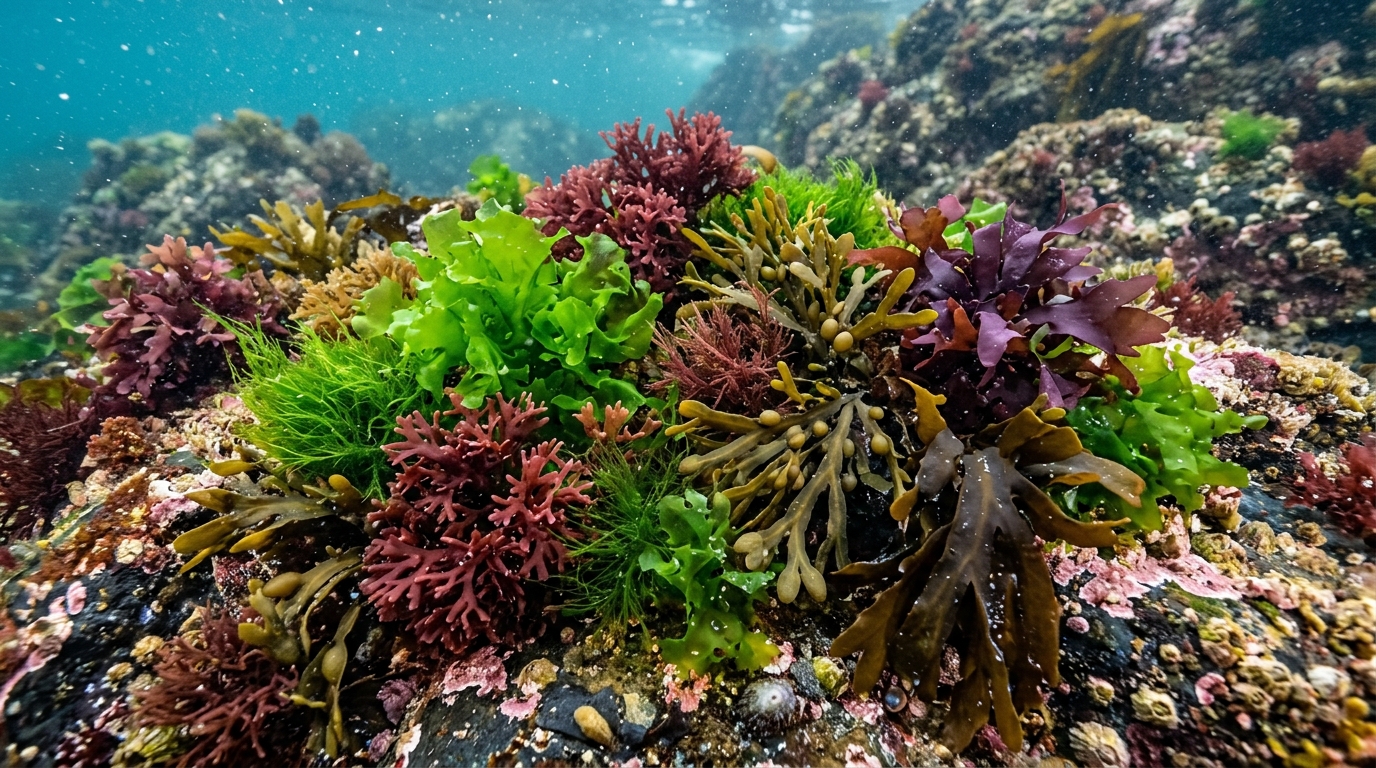
Green Algae
(Chlorophyta)
Rich in polysaccharides and pigments
Key Compounds
Chlorophylls, Ulvan, Carotenoids
Examples
Ulva lactuca, Caulerpa sp.
Brown Algae
(Phaeophyta)
Most bioactive, highest fucoidan content
Key Compounds
Fucoidan, Alginic acid, Phlorotannins, Laminarin
Examples
Laminaria, Sargassum, Fucus
Red Algae
(Rhodophyta)
Key source of gelling agents & pigments
Key Compounds
Carrageenan, Agar, Phycoerythrin
Examples
Gracilaria, Porphyra, Chondrus
Microalgae
(Various Phyla)
Microscopic powerhouses of nutraceuticals
Key Compounds
EPA, DHA (omega-3s), Astaxanthin, Spirulina
Examples
Spirulina, Chlorella, Haematococcus
Made byBobr AI
03 — BIOACTIVE COMPOUNDS
Key Molecules & Chemical Classes
Marine algae synthesize a diverse array of secondary metabolites in response to environmental stress, predation, and competition — many of which exhibit remarkable pharmaceutical properties.
PolysaccharidesFucoidan, carrageenan, agar; anti-inflammatory & anticoagulant
PolyphenolsPhlorotannins; potent antioxidant & antimicrobial activity
PigmentsFucoxanthin, astaxanthin; antioxidant & anticancer properties
Fatty AcidsEPA, DHA; essential omega-3s with cardioprotective effects
Proteins & PeptidesPhycobiliproteins; bioactive peptides with ACE-inhibitory activity
Marine
Algae
Polysaccharides
Polyphenols
Pigments
Fatty Acids
Proteins &
Peptides
Made byBobr AI
04 — BIOLOGICAL ACTIVITIES
Pharmacological Properties
Antioxidant Activity
Algal polyphenols and carotenoids (fucoxanthin, astaxanthin) neutralize free radicals, reducing oxidative stress linked to aging and chronic disease.
Key Compound:
Fucoxanthin, Phlorotannins
Antimicrobial Activity
Phlorotannins and halogenated compounds show broad-spectrum activity against Gram-positive and Gram-negative bacteria, fungi, and viruses.
Key Compound:
Phlorotannins, Halogenated terpenes
Anti-inflammatory Activity
Fucoidan and sulfated polysaccharides suppress NF-κB pathways, reducing pro-inflammatory cytokine production.
Key Compound:
Fucoidan, Laminarin
Anticoagulant Activity
Sulfated polysaccharides from red and brown algae show heparin-like anticoagulant activity, reducing thrombosis risk.
Key Compound:
Carrageenan, Fucoidan
Anticancer Activity
Several algal compounds induce apoptosis in cancer cell lines (breast, colon, lung), with fucoidan showing tumor-suppressive properties.
Key Compound:
Fucoidan, Fucoxanthin
Antiviral Activity
Sulfated polysaccharides interfere with viral attachment and replication, showing activity against HIV, herpes, and influenza viruses.
Key Compound:
Carrageenan, Ulvan
Made byBobr AI
05 — EXTRACTION METHODS
Isolating Bioactive Compounds
The efficiency and selectivity of extraction methods directly determine the yield and quality of bioactive compounds recovered from marine algae. Modern techniques prioritize green chemistry principles.
MAE yields ~70 mg bioactives/g biomass — outperforming conventional methods
Microwave-Assisted Extraction (MAE)
Efficiency ★★★★★
Key advantage: ~70 mg/g yield, fast, energy-efficient
Ultrasound-Assisted Extraction (UAE)
Efficiency ★★★★☆
Key advantage: Cell disruption via cavitation, gentle conditions
Enzyme-Assisted Extraction (EAE)
Efficiency ★★★☆☆
Key advantage: Selective, preserves bioactivity, eco-friendly
Supercritical Fluid Extraction (SFE)
Efficiency ★★★★☆
Key advantage: CO₂ solvent, no residues, high purity
Made byBobr AI
06 — APPLICATIONS
From Ocean to Industry
Pharmaceuticals
Anti-cancer drug candidates (fucoidan-based)
Anticoagulant agents (carrageenan analogs)
Anti-inflammatory therapeutics
Antiviral compounds (against HIV, HSV, influenza)
Wound-healing and tissue-repair biomaterials
Nutraceuticals & Food
Omega-3 supplements (EPA, DHA from microalgae)
Antioxidant-rich functional foods
Prebiotic dietary fiber (alginate, agar)
Natural food colorants (phycocyanin, astaxanthin)
Protein-rich health supplements (Spirulina, Chlorella)
Cosmetics
Anti-aging, UV-protection creams with algal extracts
Agriculture
Biostimulants and natural fertilizers
Biofuels
Microalgae as sustainable bioenergy feedstocks
Made byBobr AI
CHALLENGES & FUTURE
Obstacles and Opportunities
Despite immense potential, several bottlenecks slow the translation of marine algal bioactive compounds from bench to market.
Scalability of extraction at industrial level
Variability in compound concentration by season/geography
Regulatory hurdles for novel marine ingredients
High purification and standardization costs
Future Directions
AI-assisted screening of algal compound libraries
Sustainable aquaculture-based algae farming
Nanotechnology-enhanced bioavailability delivery systems
Genomics & metabolomics for strain optimization
Research Milestones
2020
Major fucoidan anti-cancer trials
2022
Microalgae omega-3 FDA approvals
2024
First algae-based antiviral clinical trials
2026
Expanded WHO interest in marine nutraceuticals
2030+
Mainstream pharmaceutical pipeline integration
Made byBobr AI
CONCLUSION
Key Takeaways
Marine algae are a vast, underexplored source of bioactive molecules
Brown algae (fucoidan, phlorotannins) show the broadest bioactivity
Microwave-assisted extraction achieves the highest compound yields
Applications span pharma, nutrition, cosmetics & agriculture
Sustainable harvesting and green extraction are critical priorities
"The ocean holds the next generation of life-saving medicines."
Thank You · Research Presentation 2026
Made byBobr AI
Bobr AI

DESIGNER-MADE
PRESENTATION,
GENERATED FROM
YOUR PROMPT

Create your own professional slide deck with real images, data charts, and unique design in under a minute.

Generate For Free

Marine Algae: Bioactive Compounds & Pharmaceutical Potential

Explore the science of marine algae, bioactive molecules like fucoidan, and extraction methods for pharmaceuticals, nutraceuticals, and functional foods.

SCIENTIFIC STUDY

Marine Algae

as a Source of

Bioactive Compounds

Exploring the Ocean's Pharmaceutical Potential

Research Presentation · 2026

CONTENTS

What We'll

Cover

01

Introduction

Marine algae overview & classification

02

Types of Algae

Green, brown, red & microalgae

03

Bioactive Compounds

Key molecules & chemical classes

04

Biological Activities

Antioxidant, antimicrobial & more

05

Extraction Methods

MAE, UAE & supercritical techniques

06

Applications & Future

Pharma, nutraceuticals & outlook

01 — INTRODUCTION

The Ocean's Hidden Treasure

Marine algae are among Earth's most productive organisms, covering 71% of our planet. They represent a largely untapped reservoir of bioactive molecules with immense pharmaceutical potential.

~30,000

Species of algae known globally

>1,000

Bioactive compounds identified

$12B+

Global seaweed market value

02 — TYPES OF ALGAE

Classification of Marine Algae

Green Algae

(Chlorophyta)

Rich in polysaccharides and pigments

Chlorophylls, Ulvan, Carotenoids

Ulva lactuca, Caulerpa sp.

Brown Algae

(Phaeophyta)

Most bioactive, highest fucoidan content

Fucoidan, Alginic acid, Phlorotannins, Laminarin

Laminaria, Sargassum, Fucus

Red Algae

(Rhodophyta)

Key source of gelling agents & pigments

Carrageenan, Agar, Phycoerythrin

Gracilaria, Porphyra, Chondrus

Microalgae

(Various Phyla)

Microscopic powerhouses of nutraceuticals

EPA, DHA (omega-3s), Astaxanthin, Spirulina

Spirulina, Chlorella, Haematococcus

03 — BIOACTIVE COMPOUNDS

Key Molecules & Chemical Classes

Marine algae synthesize a diverse array of secondary metabolites in response to environmental stress, predation, and competition — many of which exhibit remarkable pharmaceutical properties.

Fucoidan, carrageenan, agar; anti-inflammatory & anticoagulant

Phlorotannins; potent antioxidant & antimicrobial activity

Fucoxanthin, astaxanthin; antioxidant & anticancer properties

EPA, DHA; essential omega-3s with cardioprotective effects

Phycobiliproteins; bioactive peptides with ACE-inhibitory activity

04 — BIOLOGICAL ACTIVITIES

Pharmacological Properties

Antioxidant Activity

Algal polyphenols and carotenoids (fucoxanthin, astaxanthin) neutralize free radicals, reducing oxidative stress linked to aging and chronic disease.

Fucoxanthin, Phlorotannins

Antimicrobial Activity

Phlorotannins and halogenated compounds show broad-spectrum activity against Gram-positive and Gram-negative bacteria, fungi, and viruses.

Phlorotannins, Halogenated terpenes

Anti-inflammatory Activity

Fucoidan and sulfated polysaccharides suppress NF-κB pathways, reducing pro-inflammatory cytokine production.

Fucoidan, Laminarin

Anticoagulant Activity

Sulfated polysaccharides from red and brown algae show heparin-like anticoagulant activity, reducing thrombosis risk.

Carrageenan, Fucoidan

Anticancer Activity

Several algal compounds induce apoptosis in cancer cell lines (breast, colon, lung), with fucoidan showing tumor-suppressive properties.

Fucoidan, Fucoxanthin

Antiviral Activity

Sulfated polysaccharides interfere with viral attachment and replication, showing activity against HIV, herpes, and influenza viruses.

Carrageenan, Ulvan

05 — EXTRACTION METHODS

Isolating Bioactive Compounds

The efficiency and selectivity of extraction methods directly determine the yield and quality of bioactive compounds recovered from marine algae. Modern techniques prioritize green chemistry principles.

MAE yields ~70 mg bioactives/g biomass — outperforming conventional methods

Microwave-Assisted Extraction (MAE)

★★★★★

~70 mg/g yield, fast, energy-efficient

Ultrasound-Assisted Extraction (UAE)

★★★★☆

Cell disruption via cavitation, gentle conditions

Enzyme-Assisted Extraction (EAE)

★★★☆☆

Selective, preserves bioactivity, eco-friendly

Supercritical Fluid Extraction (SFE)

★★★★☆

CO₂ solvent, no residues, high purity

06 — APPLICATIONS

From Ocean to Industry

Pharmaceuticals

Nutraceuticals & Food

Anti-cancer drug candidates (fucoidan-based)

Anticoagulant agents (carrageenan analogs)

Anti-inflammatory therapeutics

Antiviral compounds (against HIV, HSV, influenza)

Wound-healing and tissue-repair biomaterials

Omega-3 supplements (EPA, DHA from microalgae)

Antioxidant-rich functional foods

Prebiotic dietary fiber (alginate, agar)

Natural food colorants (phycocyanin, astaxanthin)

Protein-rich health supplements (Spirulina, Chlorella)

Cosmetics

Anti-aging, UV-protection creams with algal extracts

Agriculture

Biostimulants and natural fertilizers

Biofuels

Microalgae as sustainable bioenergy feedstocks

CHALLENGES & FUTURE

Obstacles and Opportunities

Despite immense potential, several bottlenecks slow the translation of marine algal bioactive compounds from bench to market.

Scalability of extraction at industrial level

Variability in compound concentration by season/geography

Regulatory hurdles for novel marine ingredients

High purification and standardization costs

Future Directions

AI-assisted screening of algal compound libraries

Sustainable aquaculture-based algae farming

Nanotechnology-enhanced bioavailability delivery systems

Genomics & metabolomics for strain optimization

2020

Major fucoidan anti-cancer trials

2022

Microalgae omega-3 FDA approvals

2024

First algae-based antiviral clinical trials

2026

Expanded WHO interest in marine nutraceuticals

2030+

Mainstream pharmaceutical pipeline integration

CONCLUSION

Key Takeaways

Marine algae are a vast, underexplored source of bioactive molecules

Brown algae (fucoidan, phlorotannins) show the broadest bioactivity

Microwave-assisted extraction achieves the highest compound yields

Applications span pharma, nutrition, cosmetics & agriculture

Sustainable harvesting and green extraction are critical priorities

"The ocean holds the next generation of life-saving medicines."

Thank You · Research Presentation 2026