


H&M Sustainable Strategy & UN Global Compact Analysis
Explore H&M Group's sustainability roadmap, including circular fashion, science-based climate targets, and supply chain social responsibility goals.
CSCR in Practice: H&M Group
An Analysis of Sustainable Policy & Strategic Implementation
The Context: Fashion Industry Challenges
The global fashion industry faces significant scrutiny regarding waste, carbon emissions, and labor practices. As a fast-fashion leader, H&M Group occupies a critical position where Corporate Sustainability (CSCR) must transition from optional initiatives to core operational strategy. The focus is shifting towards transparency, circularity, and measurable impact.
Strategic Pillars: A Holistic Approach
Maximized Circularity: Moving from a linear take-make-waste model to a circular ecosystem.
Climate Action: Science-based targets aiming for net-zero by 2040.
Fair & Equal: Improving social sustainability and transparency within the supply chain.
SDG Mapping & UN Global Compact
SDG 12: Responsible Consumption & Production. Focus on recycled materials (89% in 2024) and circular business models.
SDG 13: Climate Action. Scope 1 & 2 emissions down 41%, aiming for full supply chain decarbonization.
SDG 8: Decent Work & Economic Growth. Supplier engagement programs and fair wage strategies.
Material Sourcing Progress
H&M has reached 89% recycled or sustainably sourced materials, nearing the 100% target ahead of the 2030 deadline.
Circularity: Extending Product Life
Sellpy & Resale Platforms
Majority stakeholder in Sellpy, enabling effortless second-hand sales. Expanded pre-owned collections to 26 markets via 38 stores.
Recycling Infrastructure
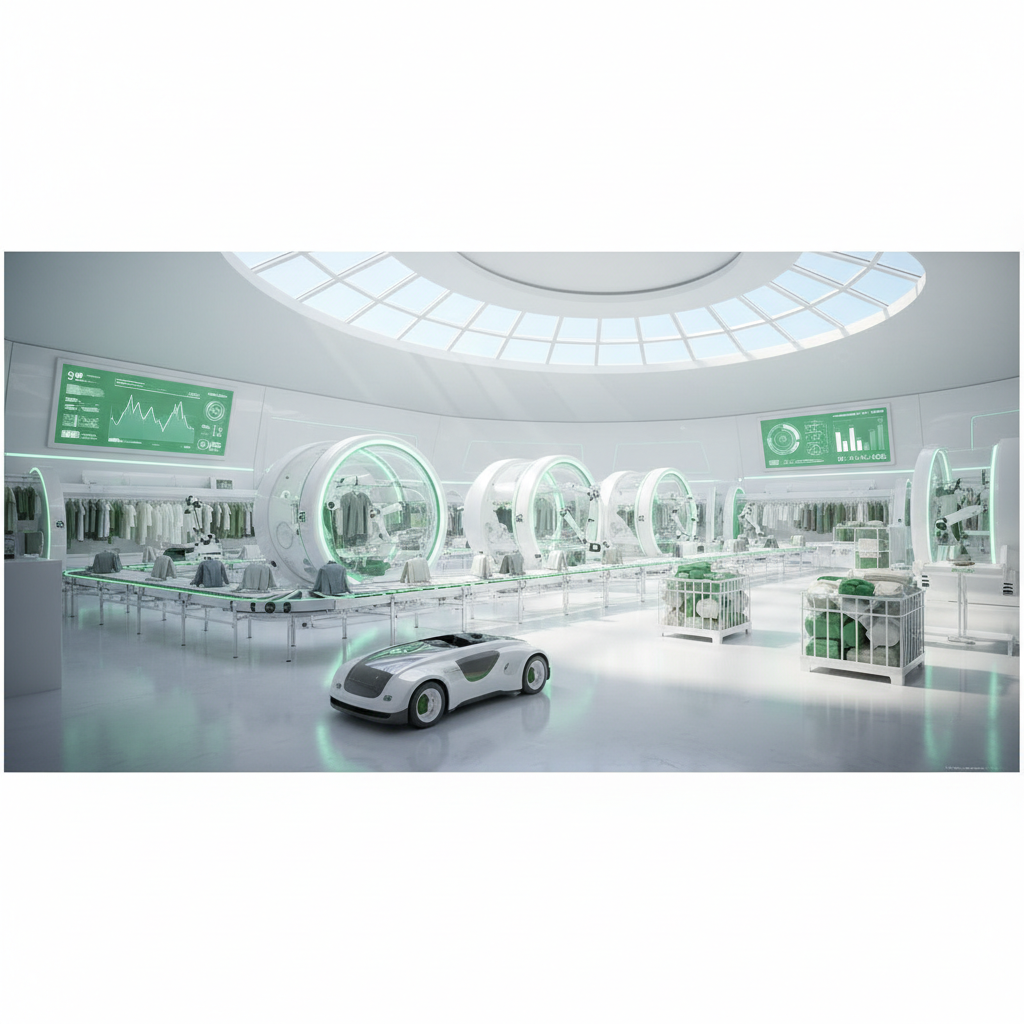
Investing in technologies to recycle blended textiles. Aiming to decouple growth from resource usage.
Climate Impact: Emission Reductions
Significant progress in Scope 1 & 2 (operations) with a 41% reduction. Challenge remains in Scope 3 (supply chain), which represents the majority of the footprint, currently down 24%.
Supply Chain Decarbonization
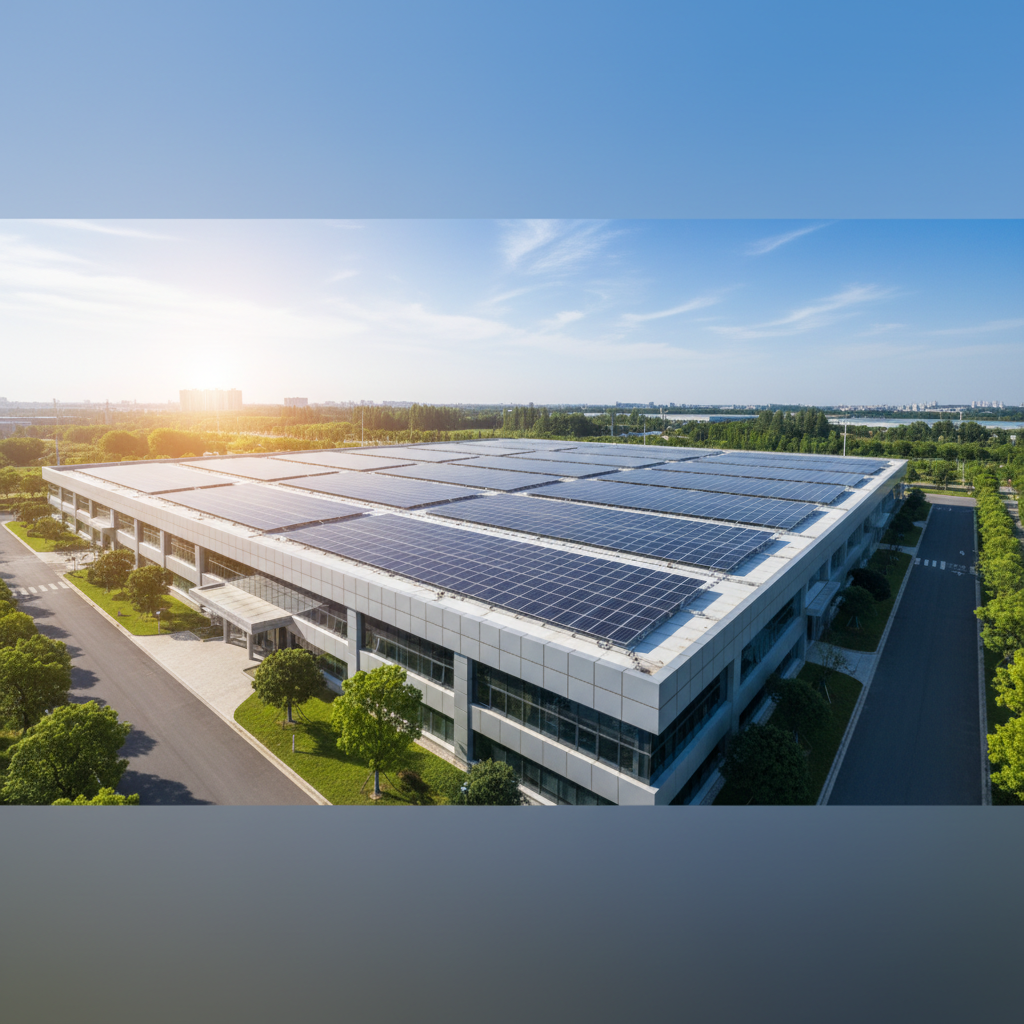
Addressing the largest impact area requires transitioning suppliers to clean energy.
96%
Renewable Electricity in Operations (2024)
100%
Target for Supplier Renewable Energy (Garment Prod) by 2030
Packaging & Waste Strategy
H&M has exceeded its plastic reduction goals significantly. By 2030, all packaging will be recycled or sustainably sourced.
Social Responsibility
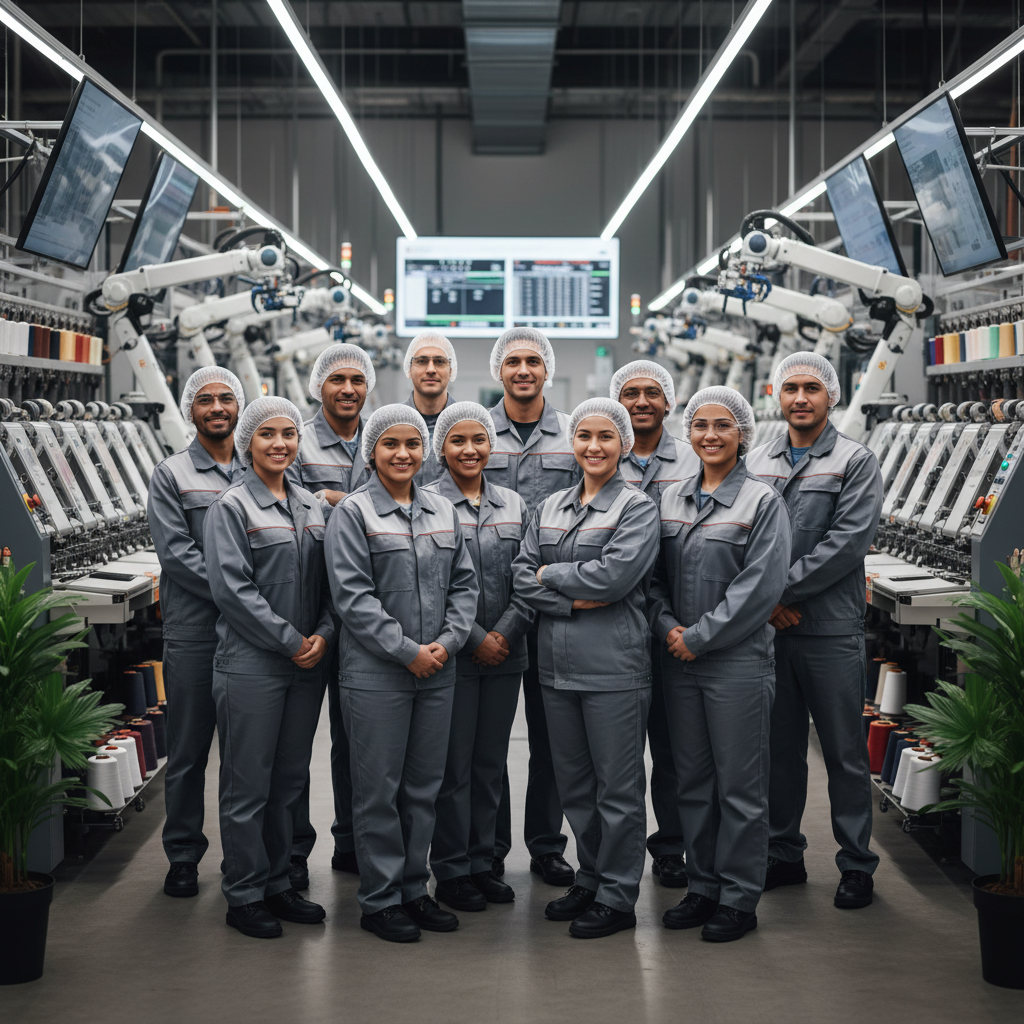
Improving livelihoods across the supply chain.
Supply Chain Transparency: Publishing supplier lists for tier 1 and tier 2 factories.
Fair Living Wages: Engagement through global framework agreements to support collective bargaining.
The Road Ahead
H&M Group is demonstrating that high-volume fashion can integrate rigorous sustainability standards. Through verified Science Based Targets and a shift to 100% sustainable materials, the company is actively decoupling growth from environmental impact.
2040
Net-Zero Emissions
- h&m
- sustainability-strategy
- circular-economy
- esg-report
- fashion-industry
- climate-action
- corporate-social-responsibility