
Made byBobr AI

The Charlottetown Conference: Birth of Canadian Confederation

Learn about the 1864 Charlottetown Conference, where delegates from British North American colonies first proposed a united federal union for Canada.

#canadian-history#confederation#john-a-macdonald#charlottetown-conference#maritimes-history#social-studies#british-north-america
Watch
Pitch

The Charlottetown Conference

September 1–9, 1864: The Birth of Canadian Confederation

Made byBobr AI

The Original Purpose: Maritime Union

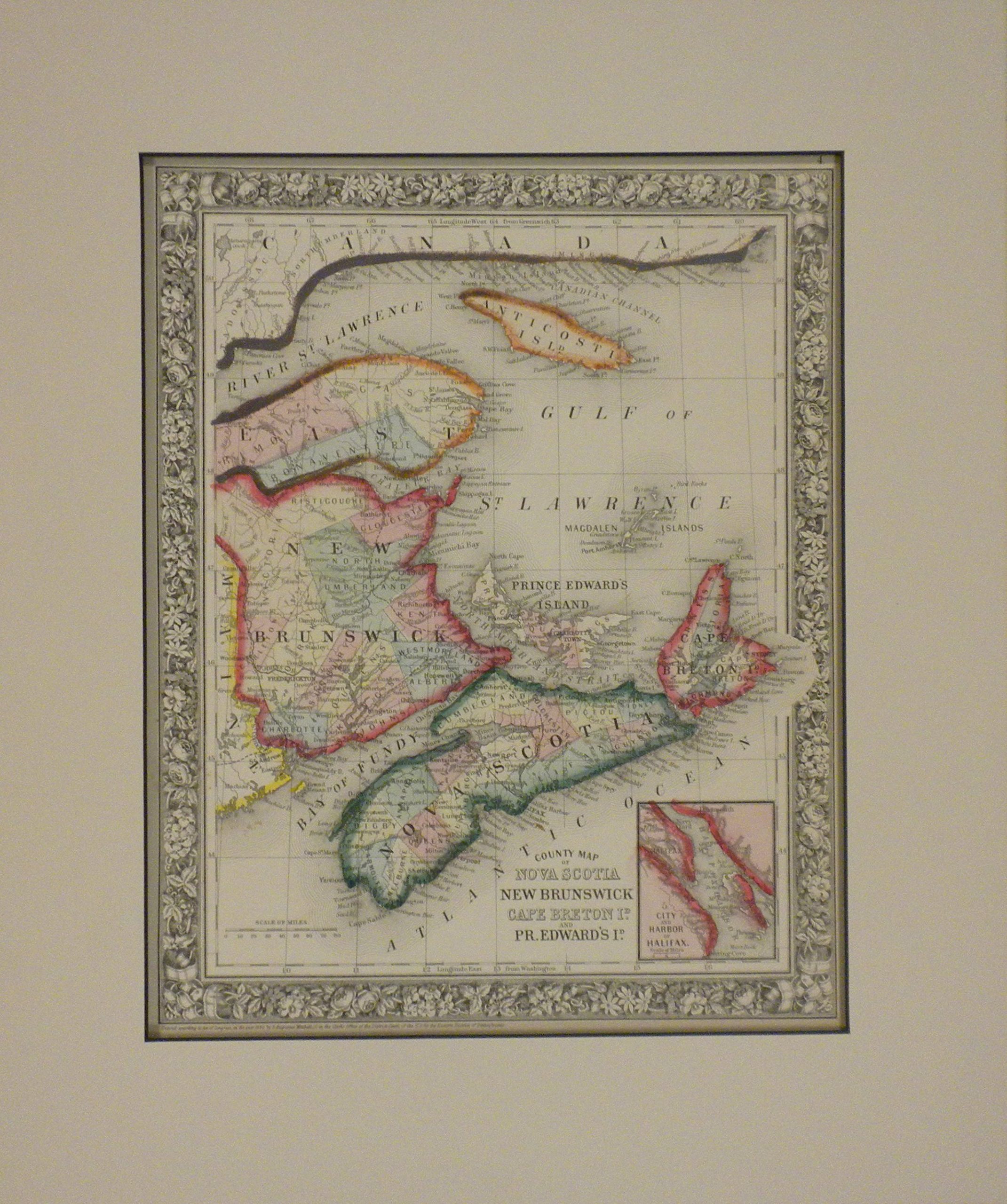
  • The conference was originally planned only for Nova Scotia, New Brunswick, and Prince Edward Island.
  • Britain encouraged a 'Maritime Union' to reduce colonial administration costs and improve economic efficiency.
  • There was little public enthusiasm for this smaller union, creating an opening for a broader idea.
Made byBobr AI

The Canadians Crash the pParty

The Province of Canada (present-day Ontario and Quebec) requested an invitation to propose a grander Federated Union. They arrived on the SS Queen Victoria with cases of champagne, eager to solve their own political deadlock.

Made byBobr AI

Context: The Population Imbalance (1861 Census)

The Province of Canada (West & East) dwarfed the Maritimes in population. This drove George Brown's demand for 'Rep by Pop' and the need for a Federal system.

Chart
Made byBobr AI

John A. Macdonald


Conservative leader from Canada West. He argued persuasively for a strong central government, fearing the states' rights issues that led to the American Civil War.

Made byBobr AI

George-Étienne Cartier


Leader from Canada East (Quebec). He supported Confederation only after ensuring it would be a federal system that protected French-Canadian language, religion, and civil law.

Made byBobr AI

George Brown


Reform leader and Macdonald's rival. He joined the Great Coalition to solve the political deadlock, championing 'Rep by Pop' (Representation by Population) and western expansion.

Made byBobr AI

Diplomacy by Champagne

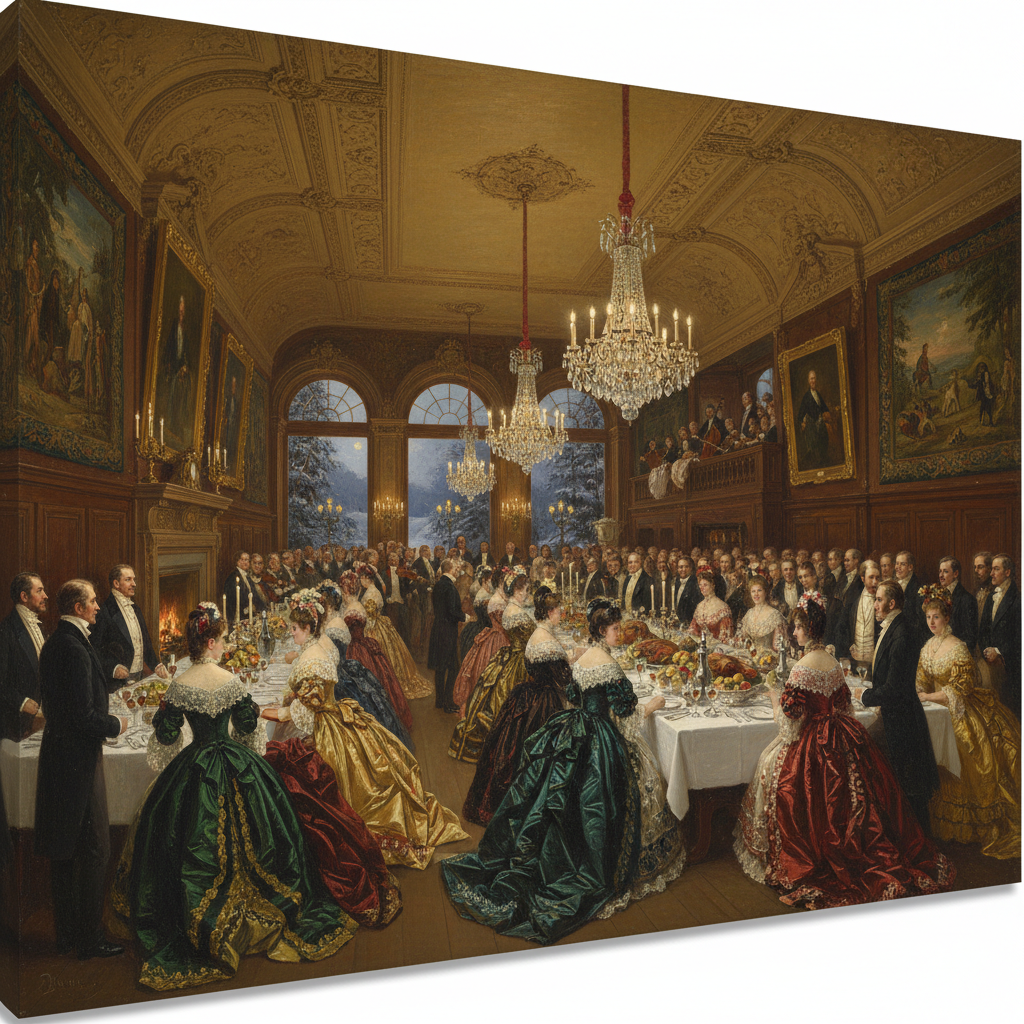
The conference was as much a social event as a political one. Banquets, balls, and excursions helped break down barriers between the Maritime delegates and the Canadians.

"Cartier and I went ashore... and were hospitably entertained." - John A. Macdonald

Made byBobr AI

The Outcome: A New Direction

  • The idea of a Maritime Union was set aside.
  • delegates agreed in principle to a federal union of all British North American colonies.
  • A follow-up conference was scheduled for Quebec City explicitly to finalize the plan.
Made byBobr AI

Significance: The Cradle of Confederation

Although no constitutional documents were signed at Charlottetown, the consensus reached here made Canada possible. It laid the foundation for the Quebec Resolutions and the eventual British North America Act of 1867.

Made byBobr AI
Bobr AI

DESIGNER-MADE
PRESENTATION,
GENERATED FROM
YOUR PROMPT

Create your own professional slide deck with real images, data charts, and unique design in under a minute.

Generate For Free

The Charlottetown Conference: Birth of Canadian Confederation

Learn about the 1864 Charlottetown Conference, where delegates from British North American colonies first proposed a united federal union for Canada.

The Charlottetown Conference

September 1–9, 1864: The Birth of Canadian Confederation

The Original Purpose: Maritime Union

The conference was originally planned only for Nova Scotia, New Brunswick, and Prince Edward Island.

Britain encouraged a 'Maritime Union' to reduce colonial administration costs and improve economic efficiency.

There was little public enthusiasm for this smaller union, creating an opening for a broader idea.

The Canadians Crash the pParty

The Province of Canada (present-day Ontario and Quebec) requested an invitation to propose a grander Federated Union. They arrived on the SS Queen Victoria with cases of champagne, eager to solve their own political deadlock.

Context: The Population Imbalance (1861 Census)

The Province of Canada (West & East) dwarfed the Maritimes in population. This drove George Brown's demand for 'Rep by Pop' and the need for a Federal system.

John A. Macdonald

Conservative leader from Canada West. He argued persuasively for a strong central government, fearing the states' rights issues that led to the American Civil War.

George-Étienne Cartier

Leader from Canada East (Quebec). He supported Confederation only after ensuring it would be a federal system that protected French-Canadian language, religion, and civil law.

George Brown

Reform leader and Macdonald's rival. He joined the Great Coalition to solve the political deadlock, championing 'Rep by Pop' (Representation by Population) and western expansion.

Diplomacy by Champagne

The conference was as much a social event as a political one. Banquets, balls, and excursions helped break down barriers between the Maritime delegates and the Canadians.

"Cartier and I went ashore... and were hospitably entertained." - John A. Macdonald

The Outcome: A New Direction

The idea of a Maritime Union was set aside.

delegates agreed in principle to a federal union of all British North American colonies.

A follow-up conference was scheduled for Quebec City explicitly to finalize the plan.

Significance: The Cradle of Confederation

Although no constitutional documents were signed at Charlottetown, the consensus reached here made Canada possible. It laid the foundation for the Quebec Resolutions and the eventual British North America Act of 1867.

  • canadian-history
  • confederation
  • john-a-macdonald
  • charlottetown-conference
  • maritimes-history
  • social-studies
  • british-north-america