



Made byBobr AI

Transgender History in the 1950s: Rights and Visibility

Explore the economic and social situation of transgender people in the 1950s, covering legal challenges, medical gatekeeping, and early visibility.

#transgender-history#lgbtq-rights#1950s-history#christine-jorgensen#social-history#civil-rights
Watch
Pitch

The Economic and Social Situation of Transgender People in the 1950s

A Historical Analysis of Identity, Law, and Public Perception in the Post-War Era

Made byBobr AI

The Post-WWII Socio-Political Context

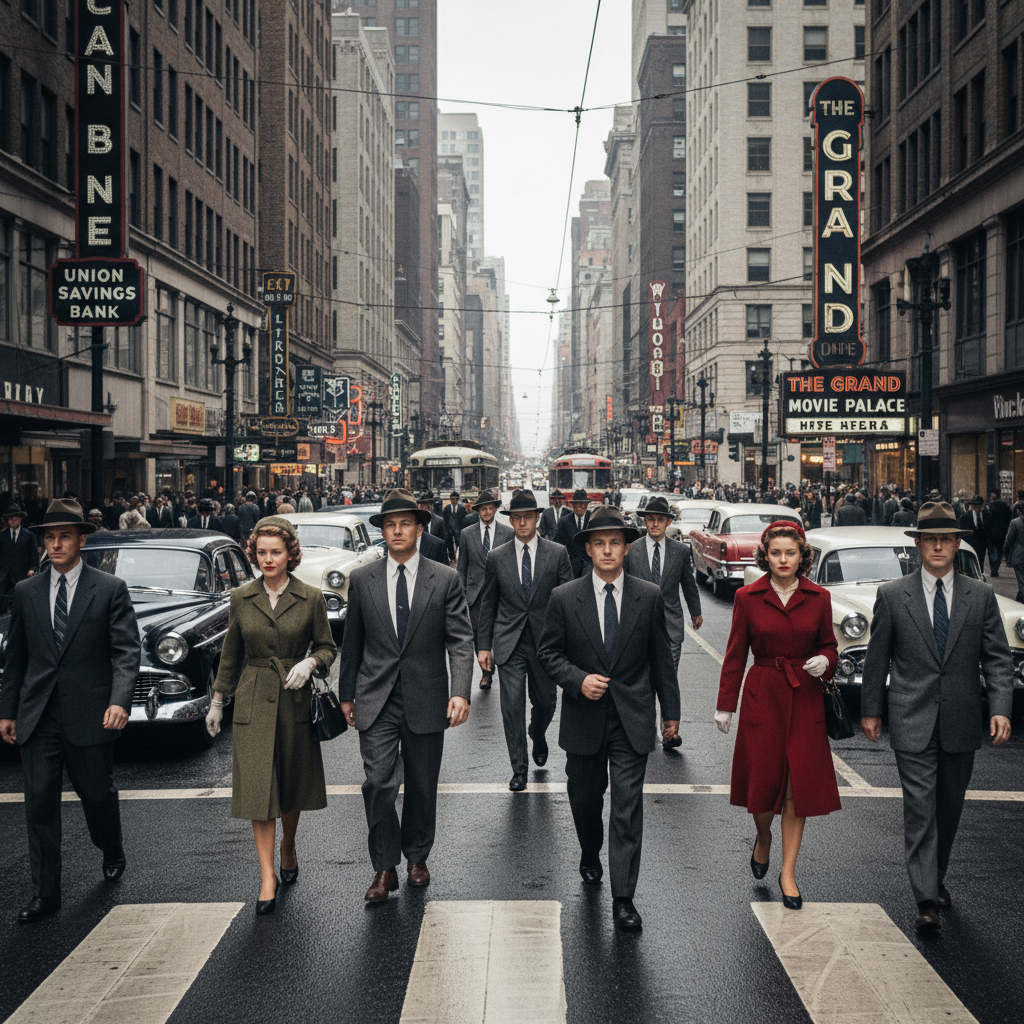
In the 1950s, the US and Western Europe emphasized a return to 'normality' after the war. This created a culture of extreme conformity.
  • The Nuclear Family: Strict reinforcement of traditional male and female roles.
  • Cold War Anxiety: Social deviance was often equated with political subversion.
  • Gender Policing: Gender variance was viewed not just as different, but as a threat to social order.
Made byBobr AI

Terminology of the Era

Transvestite

The dominant medical term in the 1950s (popularized earlier by Magnus Hirschfeld). It was used broadly to describe anyone cross-dressing, regardless of their internal gender identity.

Transsexual

Popularized by Dr. Harry Benjamin (1957 paper, 1966 book). It specifically distinguished individuals seeking physical alteration (hormones/surgery) from those who only cross-dressed.

Note: 'Transgender' is a modern umbrella term rarely used in the 1950s.

Made byBobr AI

Legal Hostility & Police Raids

'Masquerade Laws'
Many US cities had 19th-century laws prohibiting 'appearing in public in the dress of the opposite sex.' These were aggressively enforced in the 1950s to target trans women.
Police Harassment
Gay bars and gathering spots were frequently raided. Individuals found wearing 'at least three articles of clothing' not matching their assigned sex could be arrested for disorderly conduct.
Made byBobr AI

Economic Marginalization

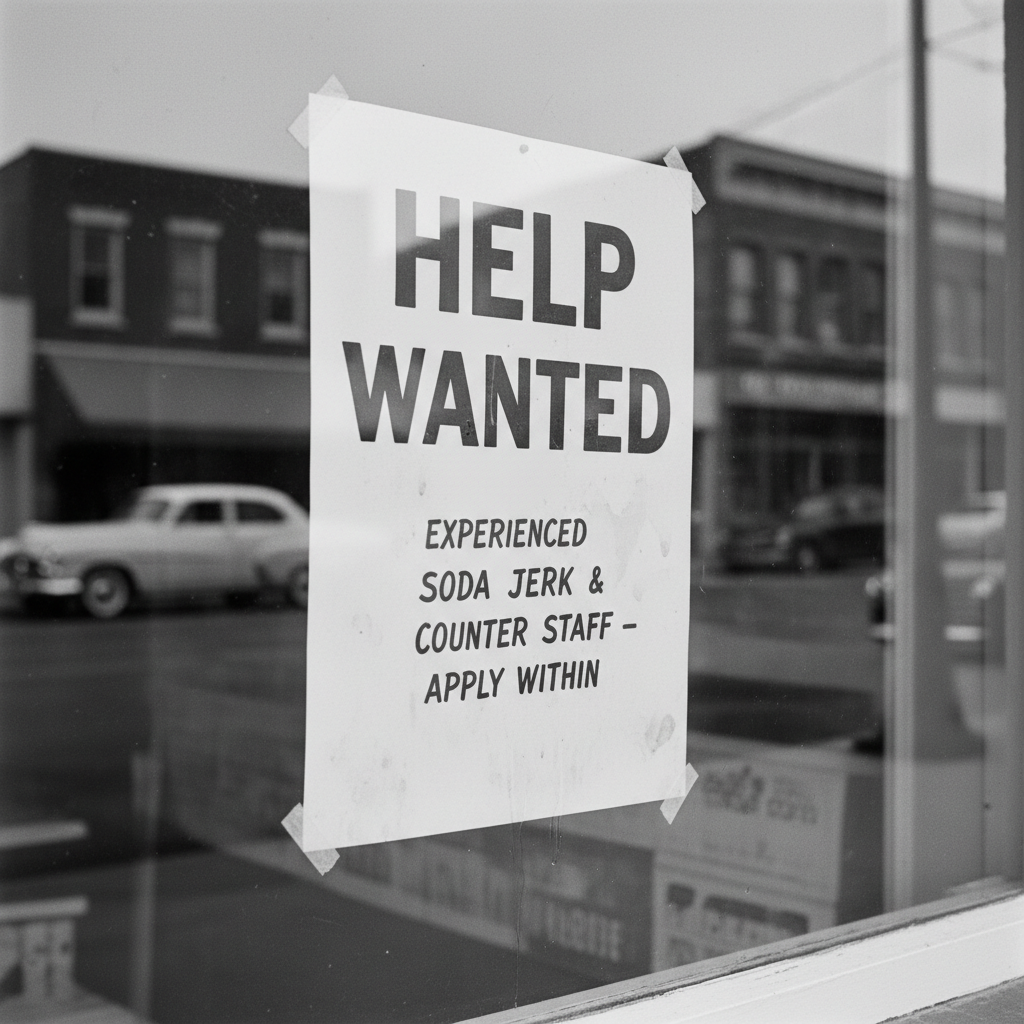
  • Employment Discrimination: No legal protections existed. Being 'outed' meant immediate termination.
  • Systemic Poverty: Many trans women were forced into low-wage, informal sectors or entertainment work (e.g., drag revues) due to exclusion from professional trades.
  • Loss of Status: Transitioning often meant losing veteran benefits, family inheritance, and social standing.
Made byBobr AI

Medical Gatekeeping: The DSM & Psychiatry

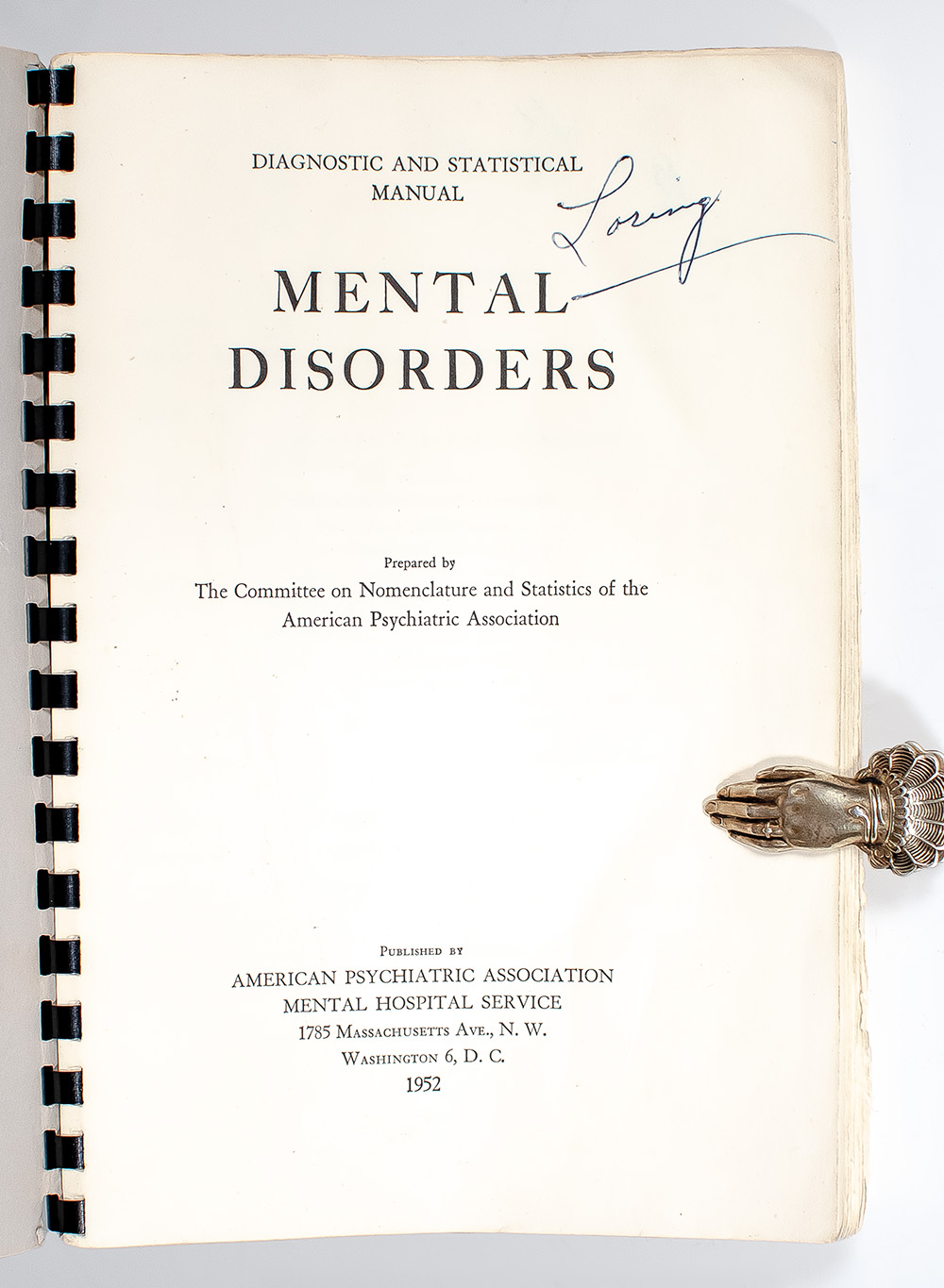
The 1952 publication of the DSM-I (Diagnostic and Statistical Manual of Mental Disorders) codified the medical view of gender variance.

Pathologization: Classified under 'Sexual Deviation' alongside sociopathic personality disturbances.
Gatekeeping: Hormones and surgery were extremely difficult to access legally in the US.
Therapy vs. Transition: Most psychiatrists attempted to 'cure' patients through conversion therapy rather than affirmative care.
Made byBobr AI

The Christine Jorgensen Phenomenon (1952)

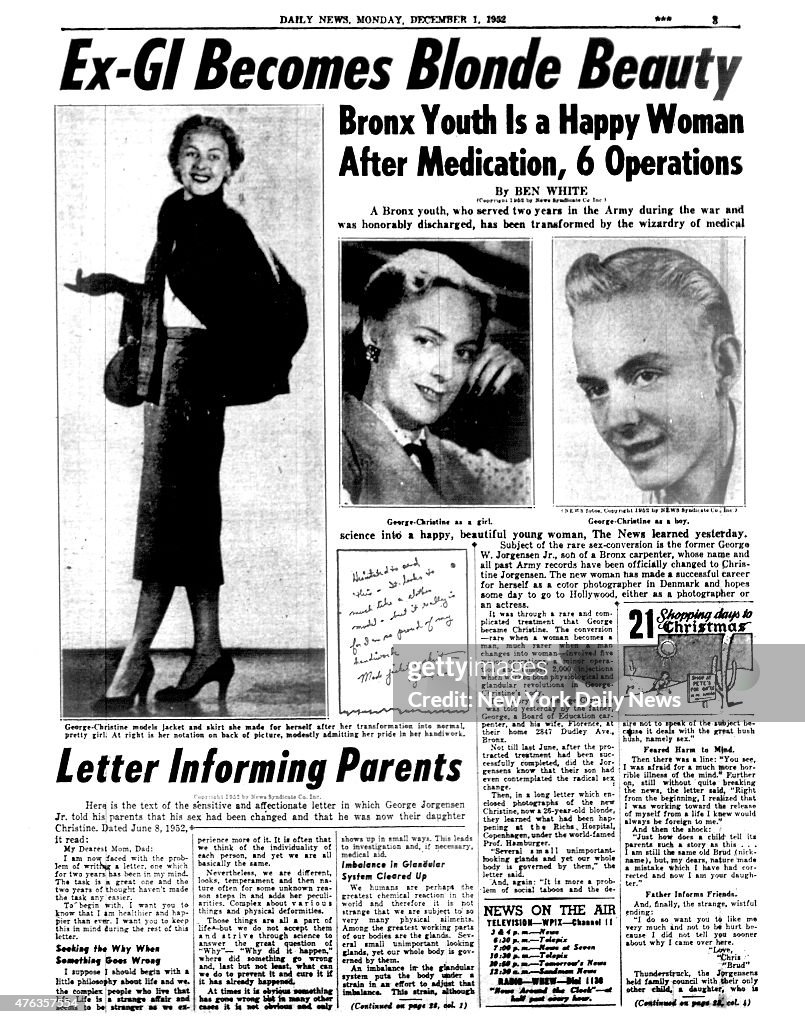
In December 1952, the New York Daily News ran the headline 'Ex-GI Becomes Blonde Beauty.' Christine Jorgensen's return from Denmark marked a turning point in visibility.

• First globally famous transgender celebrity.
• Shifted public conversation from 'scandal' to varying degrees of curiosity.
• Positioned Denmark as a medical haven for trans people.
Made byBobr AI

Global Response: Letters to Denmark (1953)

Following the media coverage of Christine Jorgensen, Dr. Christian Hamburger in Copenhagen received hundreds of letters from people seeking help. This data reveals a hidden population desperate for medical care.

Chart
Made byBobr AI

European Case Study: Roberta Cowell

Roberta Cowell was a British racing driver and WWII pilot who became the first known British trans woman to undergo vaginoplasty (1951).

Unlike the sensationalized American press, Cowell's story was initially kept quieter until a 1954 news exclusive. Her case highlights the varying degrees of privacy and medical access between the UK and US.

Made byBobr AI

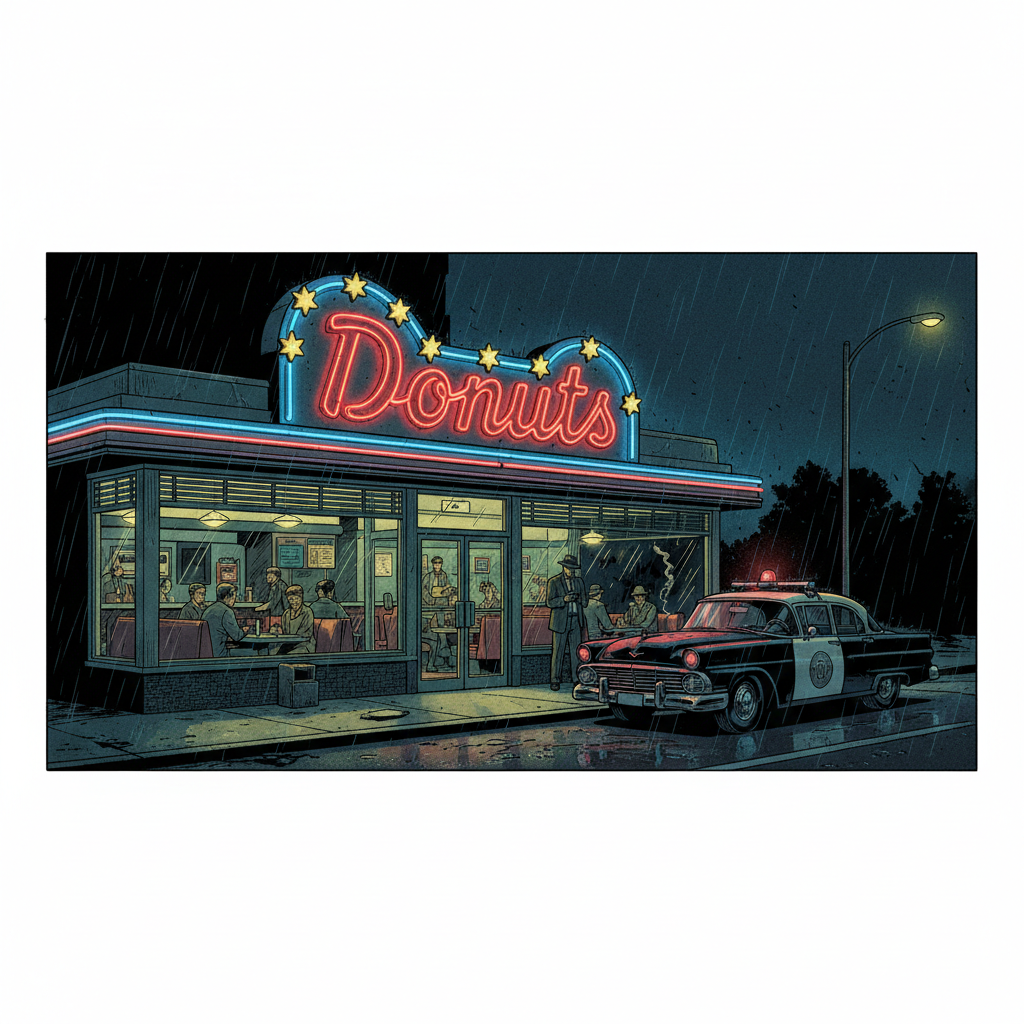
Resistance: Cooper's Donuts (1959)

A decade before Stonewall, transgender people fought back against police harassment. At Cooper's Donuts in Los Angeles, trans women, drag queens, and gay men pelted police with donuts and coffee during a raid, signaling the beginning of militant resistance against criminalization.

Made byBobr AI

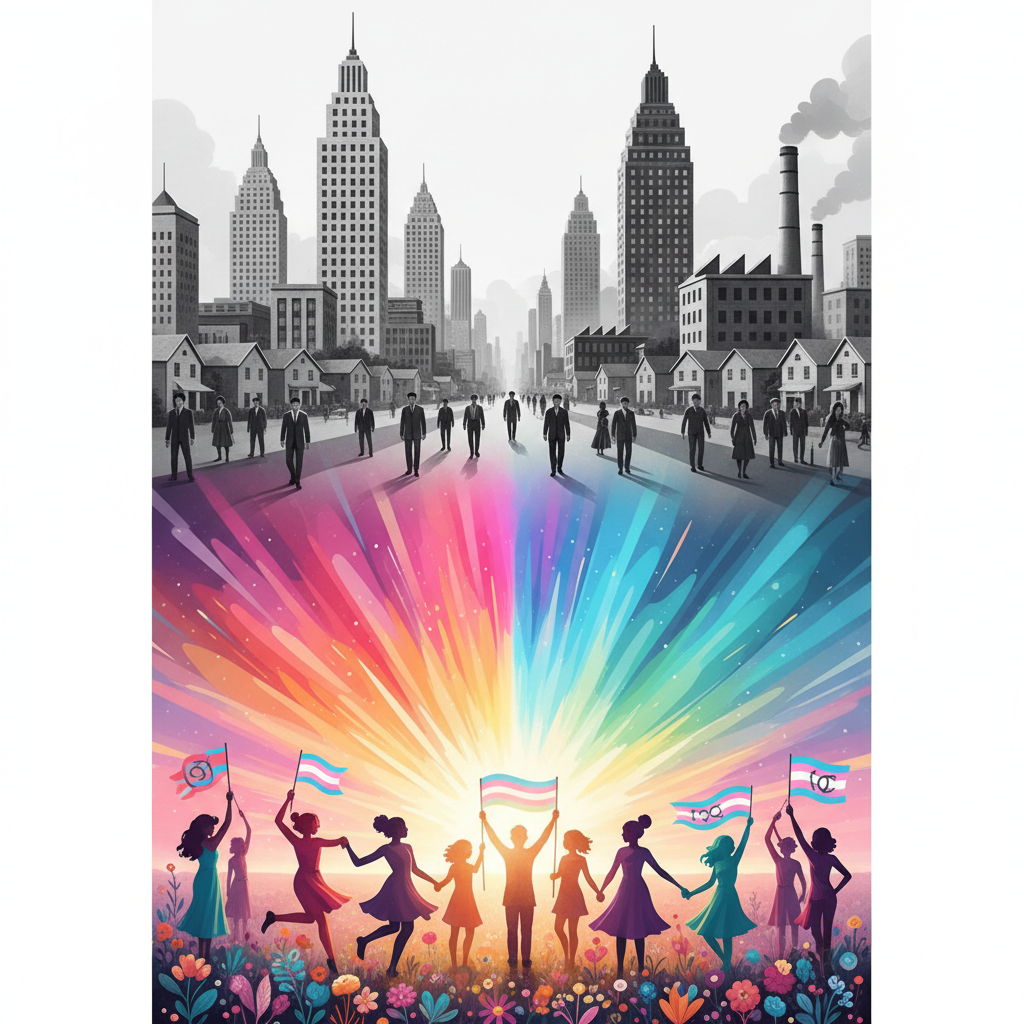
Legacy & Conclusion

The 1950s was a paradoxical decade for transgender people: it combined intense legal/social repression with the first flashes of global visibility. The struggles for employment, legal recognition, and medical access that began in this era laid the groundwork for the civil rights movements of the 1960s and beyond.

Made byBobr AI
Bobr AI

DESIGNER-MADE
PRESENTATION,
GENERATED FROM
YOUR PROMPT

Create your own professional slide deck with real images, data charts, and unique design in under a minute.

Generate For Free

Transgender History in the 1950s: Rights and Visibility

Explore the economic and social situation of transgender people in the 1950s, covering legal challenges, medical gatekeeping, and early visibility.

The Economic and Social Situation of Transgender People in the 1950s

A Historical Analysis of Identity, Law, and Public Perception in the Post-War Era

The Post-WWII Socio-Political Context

In the 1950s, the US and Western Europe emphasized a return to 'normality' after the war. This created a culture of extreme conformity.<ul><li><strong>The Nuclear Family:</strong> Strict reinforcement of traditional male and female roles.</li><li><strong>Cold War Anxiety:</strong> Social deviance was often equated with political subversion.</li><li><strong>Gender Policing:</strong> Gender variance was viewed not just as different, but as a threat to social order.</li></ul>

Terminology of the Era

Transvestite

The dominant medical term in the 1950s (popularized earlier by Magnus Hirschfeld). It was used broadly to describe anyone cross-dressing, regardless of their internal gender identity.

Transsexual

Popularized by Dr. Harry Benjamin (1957 paper, 1966 book). It specifically distinguished individuals seeking physical alteration (hormones/surgery) from those who only cross-dressed.

Note: 'Transgender' is a modern umbrella term rarely used in the 1950s.

Legal Hostility & Police Raids

<strong>'Masquerade Laws'</strong><br>Many US cities had 19th-century laws prohibiting 'appearing in public in the dress of the opposite sex.' These were aggressively enforced in the 1950s to target trans women.

<strong>Police Harassment</strong><br>Gay bars and gathering spots were frequently raided. Individuals found wearing 'at least three articles of clothing' not matching their assigned sex could be arrested for disorderly conduct.

Economic Marginalization

Employment Discrimination: No legal protections existed. Being 'outed' meant immediate termination.

Systemic Poverty: Many trans women were forced into low-wage, informal sectors or entertainment work (e.g., drag revues) due to exclusion from professional trades.

Loss of Status: Transitioning often meant losing veteran benefits, family inheritance, and social standing.

Medical Gatekeeping: The DSM & Psychiatry

The 1952 publication of the DSM-I (Diagnostic and Statistical Manual of Mental Disorders) codified the medical view of gender variance.<br><br>• <strong>Pathologization:</strong> Classified under 'Sexual Deviation' alongside sociopathic personality disturbances.<br>• <strong>Gatekeeping:</strong> Hormones and surgery were extremely difficult to access legally in the US.<br>• <strong>Therapy vs. Transition:</strong> Most psychiatrists attempted to 'cure' patients through conversion therapy rather than affirmative care.

The Christine Jorgensen Phenomenon (1952)

In December 1952, the New York Daily News ran the headline 'Ex-GI Becomes Blonde Beauty.' Christine Jorgensen's return from Denmark marked a turning point in visibility.

• First globally famous transgender celebrity.<br>• Shifted public conversation from 'scandal' to varying degrees of curiosity.<br>• Positioned Denmark as a medical haven for trans people.

Global Response: Letters to Denmark (1953)

Following the media coverage of Christine Jorgensen, Dr. Christian Hamburger in Copenhagen received hundreds of letters from people seeking help. This data reveals a hidden population desperate for medical care.

European Case Study: Roberta Cowell

Roberta Cowell was a British racing driver and WWII pilot who became the first known British trans woman to undergo vaginoplasty (1951).

Unlike the sensationalized American press, Cowell's story was initially kept quieter until a 1954 news exclusive. Her case highlights the varying degrees of privacy and medical access between the UK and US.

Resistance: Cooper's Donuts (1959)

A decade before Stonewall, transgender people fought back against police harassment. At Cooper's Donuts in Los Angeles, trans women, drag queens, and gay men pelted police with donuts and coffee during a raid, signaling the beginning of militant resistance against criminalization.

Legacy & Conclusion

The 1950s was a paradoxical decade for transgender people: it combined intense legal/social repression with the first flashes of global visibility. The struggles for employment, legal recognition, and medical access that began in this era laid the groundwork for the civil rights movements of the 1960s and beyond.

  • transgender-history
  • lgbtq-rights
  • 1950s-history
  • christine-jorgensen
  • social-history
  • civil-rights