
Unveiling Archaea: Biology, Extremophiles, and Biotech
Explore the Domain Archaea: from extremophiles in Yellowstone to their role in the human gut and their revolutionary impact on CRISPR and PCR biotechnology.
The Domain Archaea
Ancient Origins, Extremophiles, and the Third Branch of Life
What are Archaea?
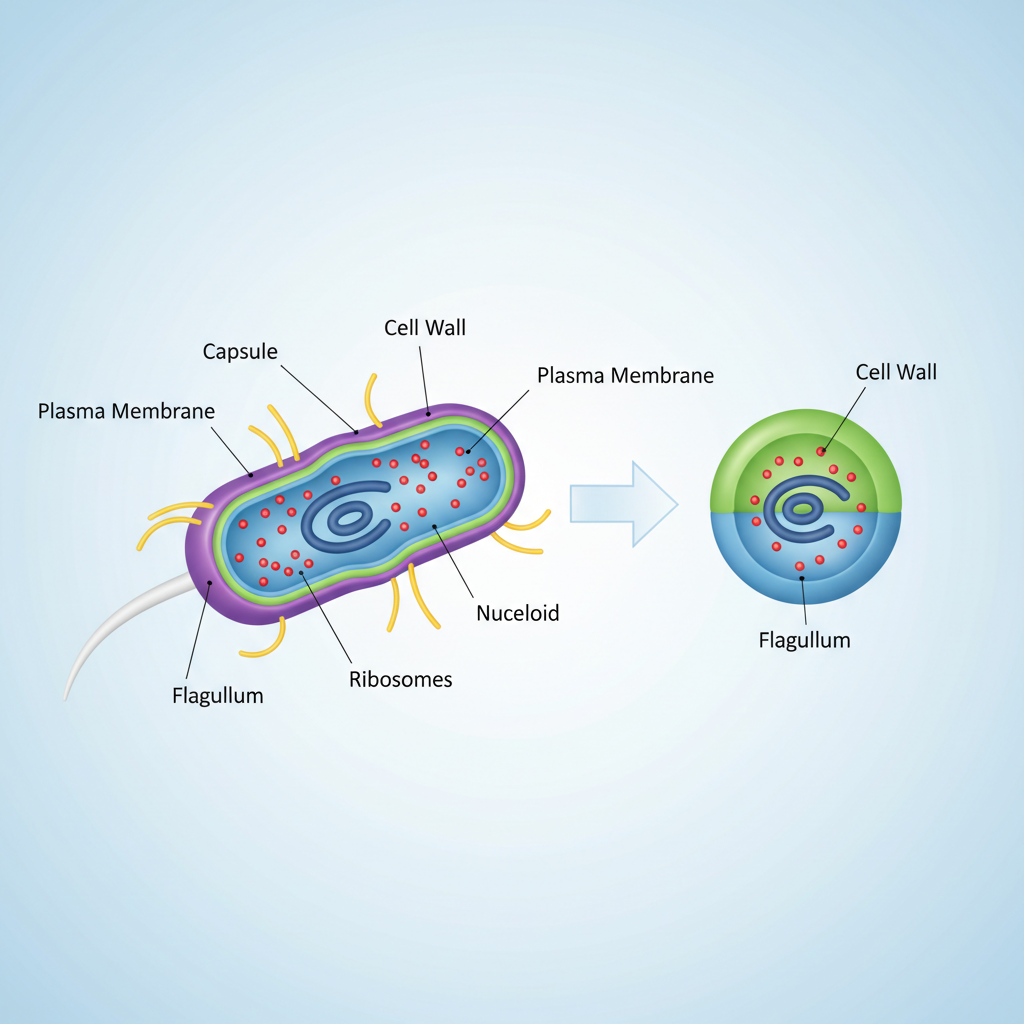
Prokaryotic organisms (single-celled, no nucleus).
Visually similar to bacteria, but genetically distinct.
Often found in extreme environments, but live everywhere.
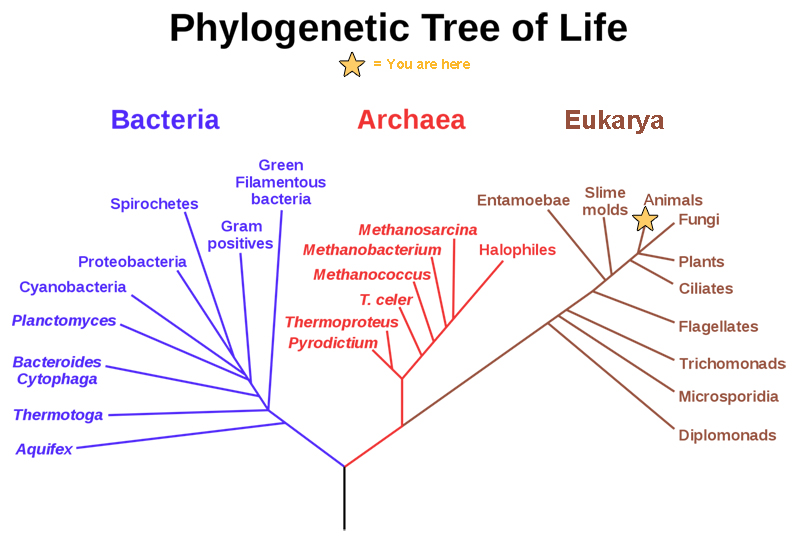
The Three-Domain System
In 1977, Carl Woese analyzed ribosomal RNA (16S rRNA) sequences and discovered that Archaea were not bacteria at all. This led to splitting the 'Prokaryote' group into Bacteria and Archaea, creating the 3-domain tree of life.
Unique Cellular Structure
Cell Membranes
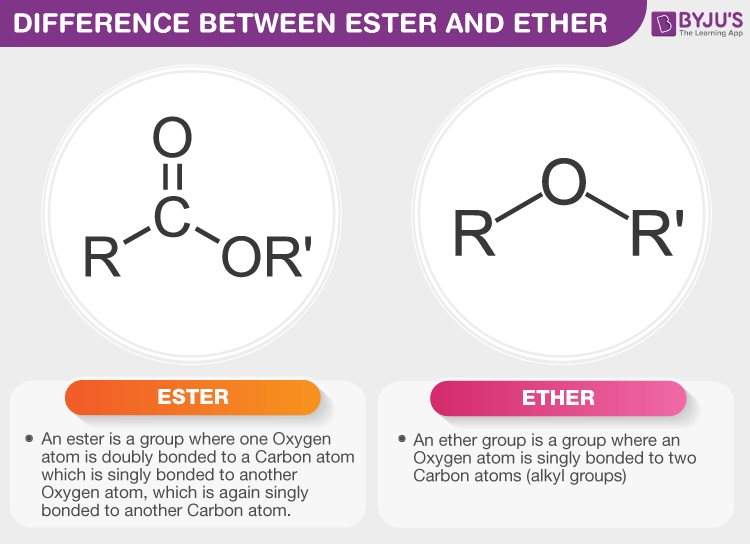
Archaea use ether-linked lipids (instead of ester). Some form monolayers, making them extremely resistant to heat and chemicals.
Cell Walls
Unlike bacteria, they lack peptidoglycan. Their walls are made of pseudo-peptidoglycan or S-layers composed of proteins.
Masters of Heat & Acid
Many archaea are Extremophiles. They thrive where other life dies.
Thermophiles: Thrive at 41–122 °C (106–252 °F). Example: Pyrolobus fumarii.
Grand Prismatic Spring, Yellowstone
Halophiles & Methanogens
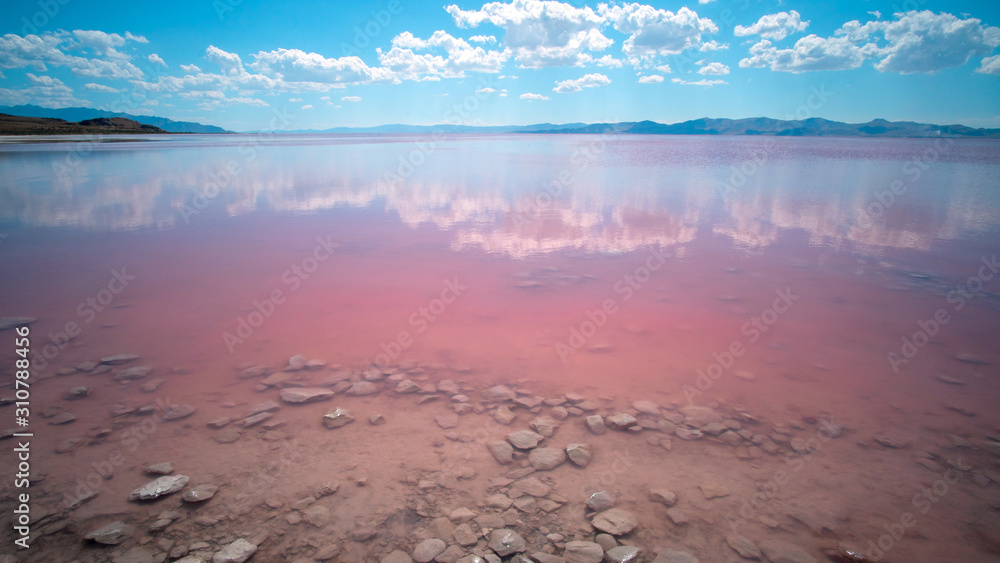
Halophiles ('salt-loving') require high salt concentrations to survive, often found in the Dead Sea or Great Salt Lake. They often stain water pink or red.
Methanogens are strictly anaerobic archaea that produce methane as a byproduct. They are crucial for carbon cycling and are found in wetlands and digestive tracts.
Not Just Extremophiles
Originally thought to live only in extreme environments, we now know Archaea are Everywhere. They constitute a massive portion of the Earth's biomass, particularly in the deep ocean.
Archaea in Humans
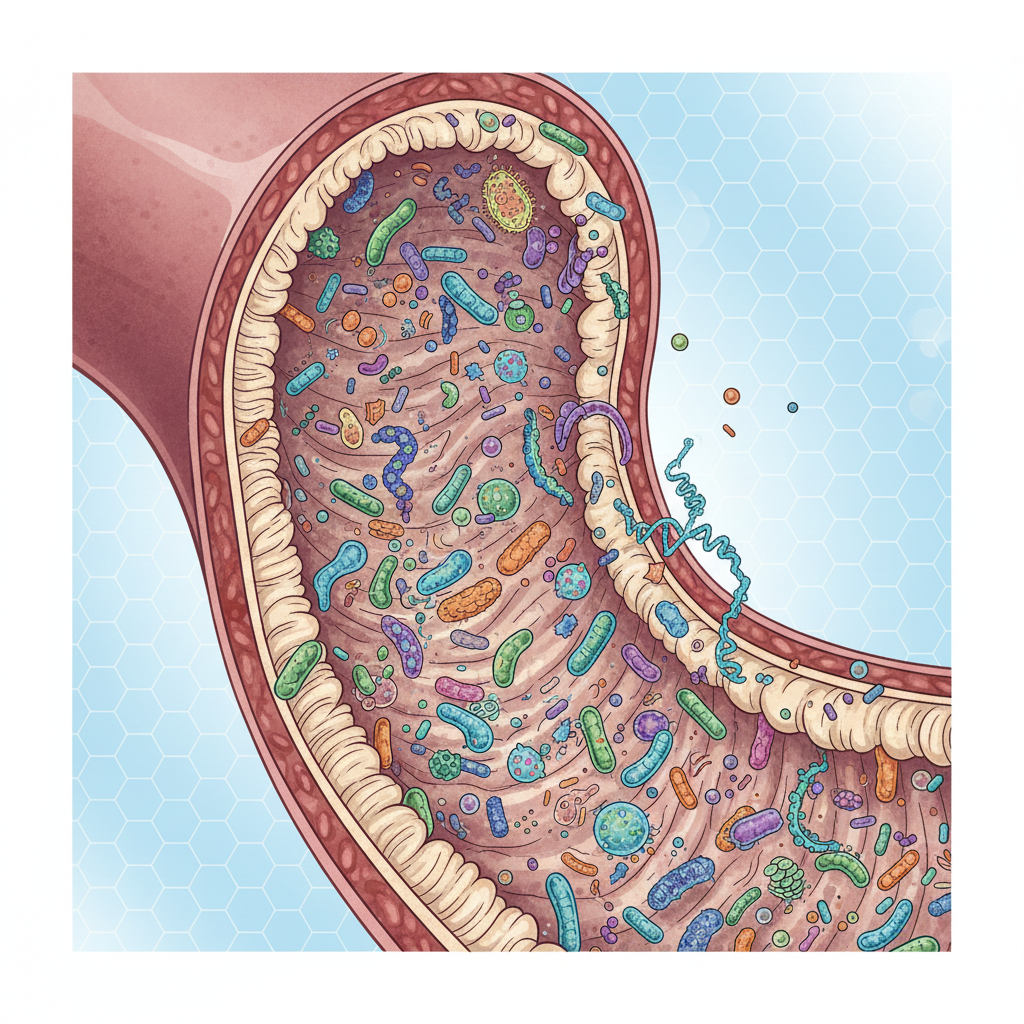
Archaea are stable residents of the human gut, mouth, and skin. Methanobrevibacter smithii is the most abundant archaeon in the human gut.
Surprising Fact: Unlike bacteria and viruses, there are currently NO known archaeal pathogens that cause disease in humans.
Biotechnology Revolution
Why do thermophiles matter?
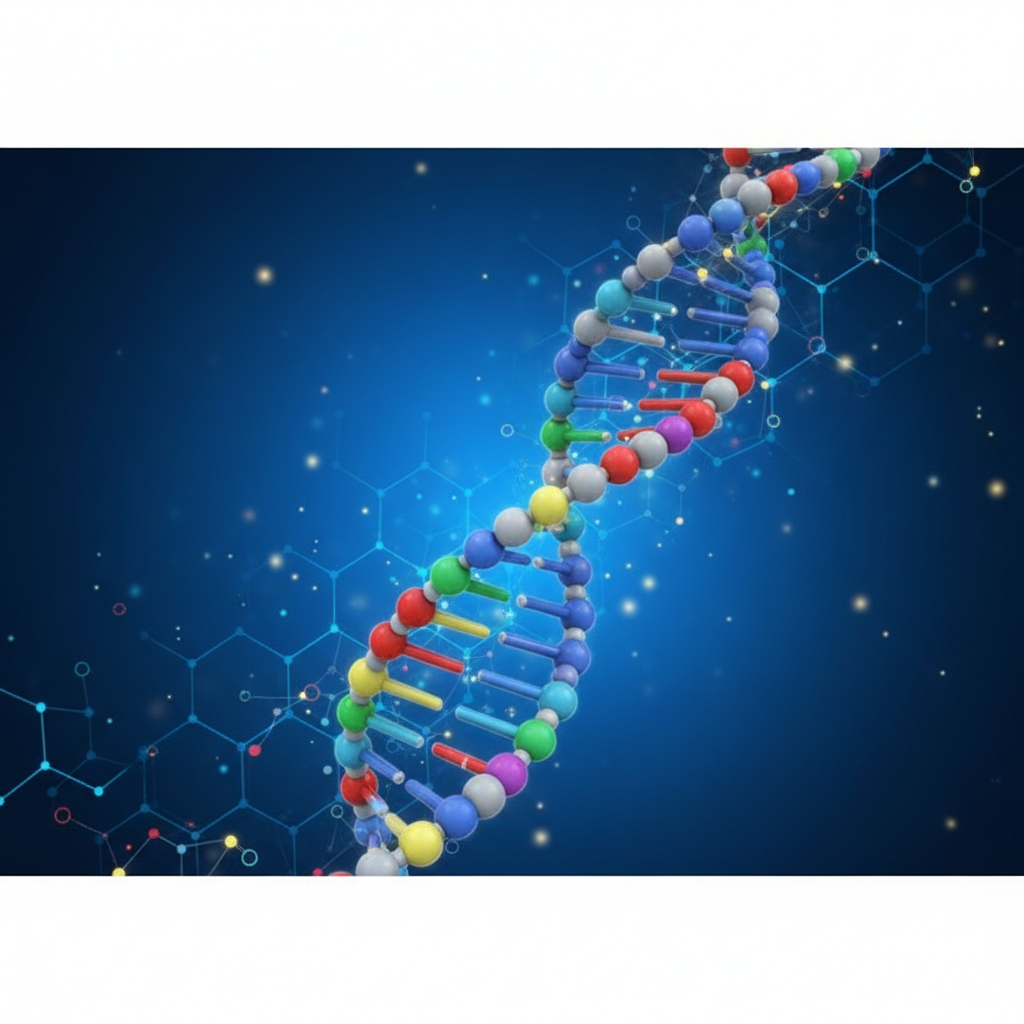
Enzymes from thermophilic archaea (like Pfu polymerase) are heat-stable. They drive PCR (Polymerase Chain Reaction), the method used for DNA fingerprinting, medical tests, and forensics.
The CRISPR Connection
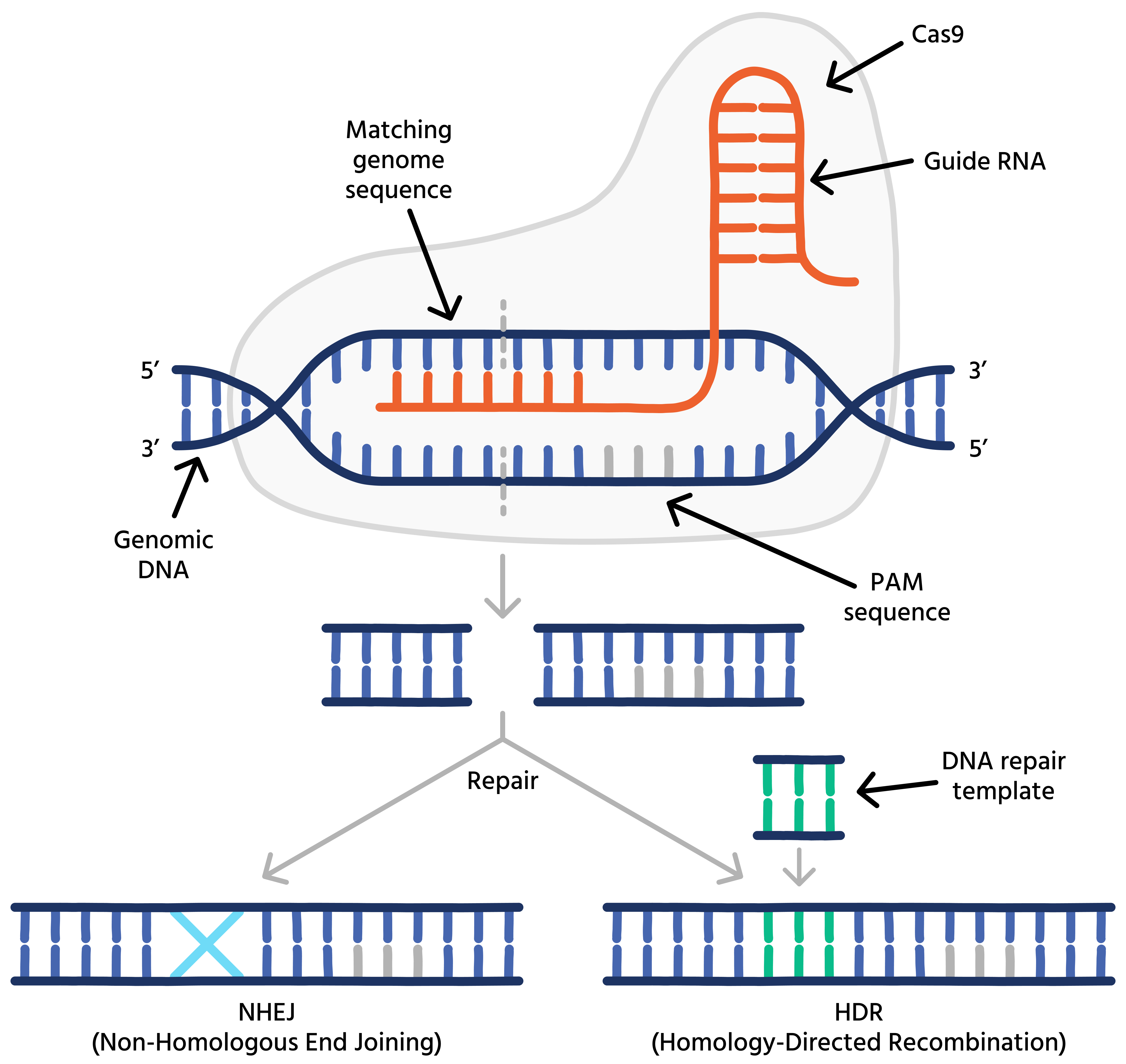
CRISPR (Clustered Regularly Interspaced Short Palindromic Repeats) was originally observed in Archaea and Bacteria as an immune defense against viruses.
Scientists adapted this archaeal/bacterial mechanism into a gene-editing tool that can rewrite DNA sequences in living organisms with high precision.
Domain Structure Recap
Kingdom: No Nucleus (Prokaryotic) but chemically unique.
Major Groups: Euryarchaeota (methanogens/halophiles), Crenarchaeota (thermophiles), and others.
Global Impact: Essential for carbon/nitrogen cycles, microbiome stability, and modern biotech.
- archaea
- biology
- extremophiles
- microbiology
- crispr
- biotechnology
- phylogeny
- prokaryotes