

Made byBobr AI

John Adams' Presidency: XYZ Affair, Alien & Sedition Acts

Learn about the challenges of the 2nd U.S. President, John Adams, including the XYZ Affair, the Quasi-War with France, and the controversial Sedition Act.

#john-adams#us-history#presidency#xyz-affair#sedition-act#federalist-party#american-revolution
Watch
Pitch

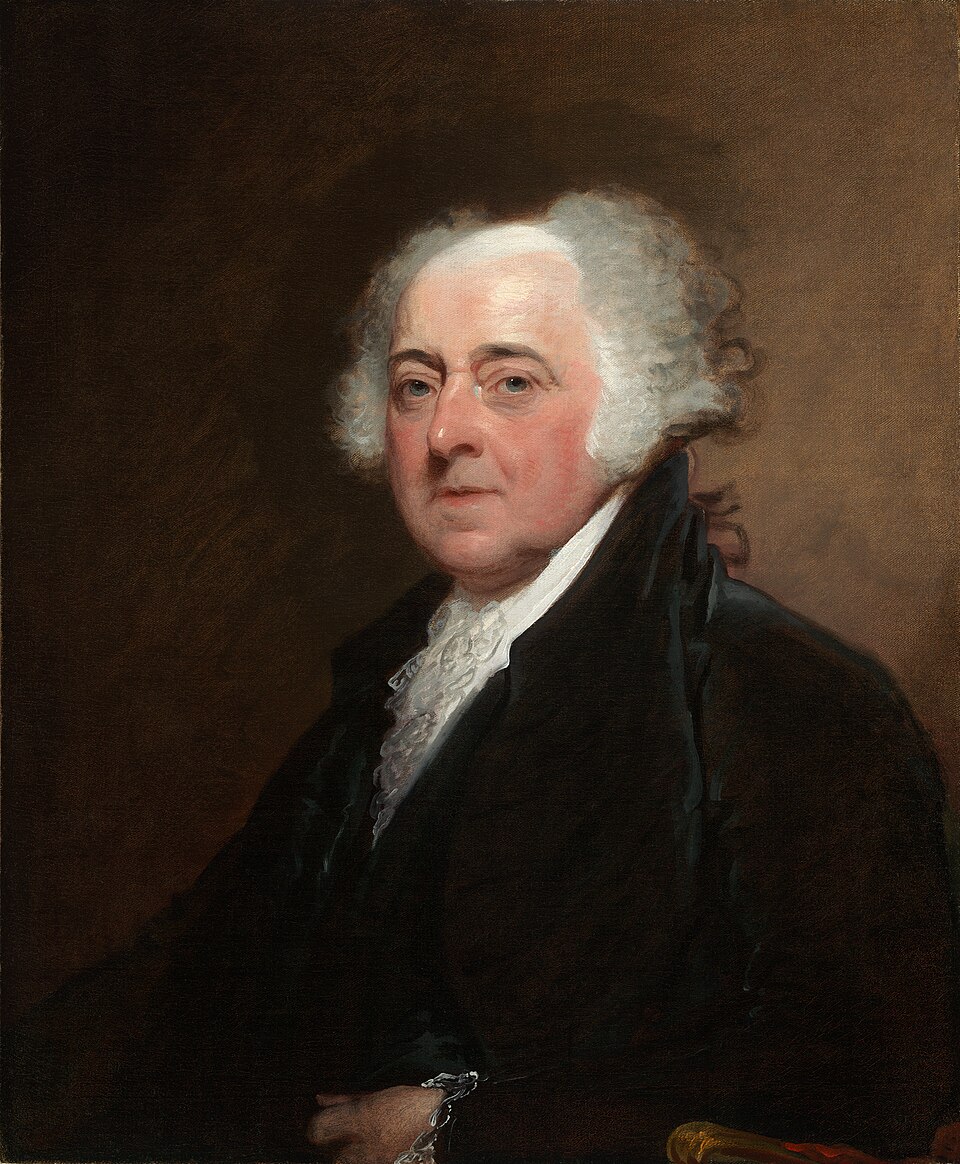
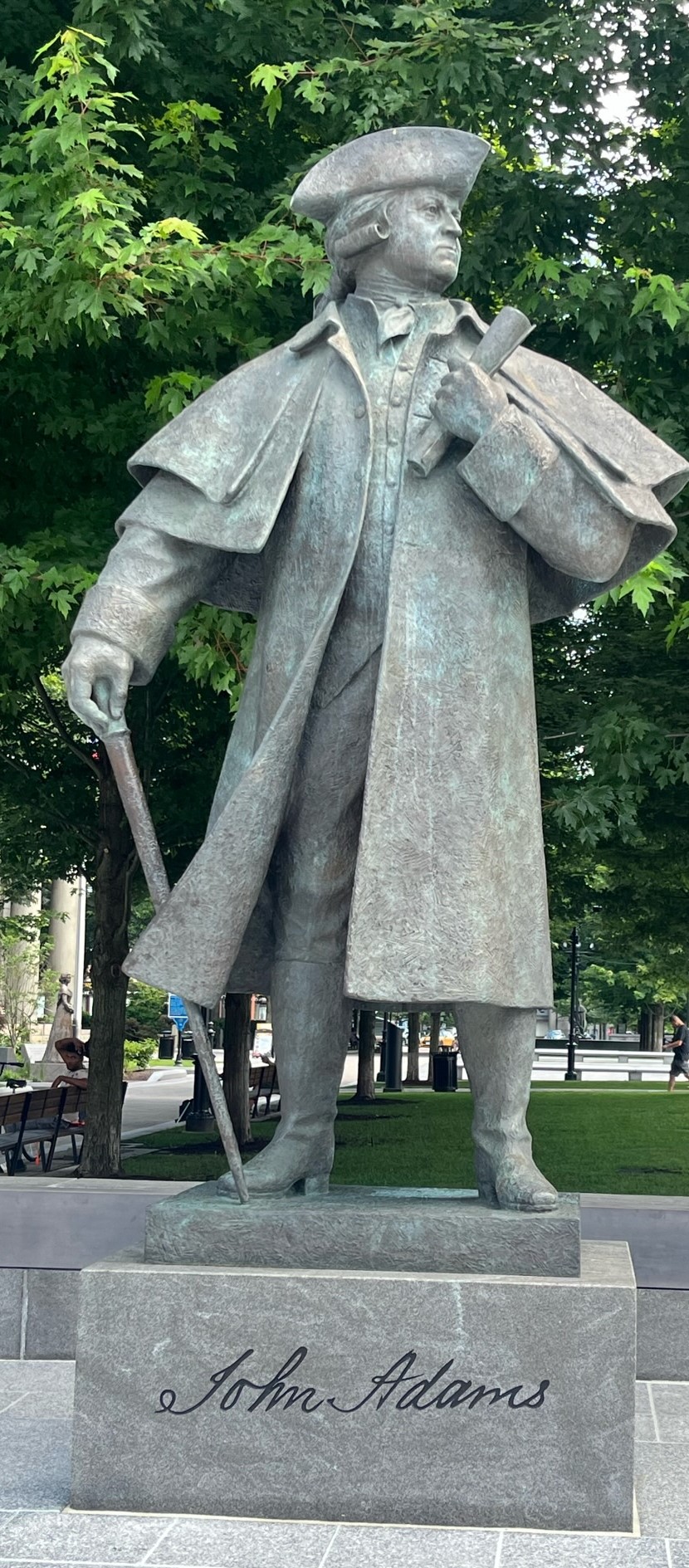
John Adams: A Presidency of Challenges

The 2nd President of the United States

By: ____________________
Class Period: ___________
Made byBobr AI

Becoming President (1797–1801)

  • Successor to Washington: Stepping into shoes of a legend was difficult.
  • Federalist Party Leader: Believed in a strong central government.
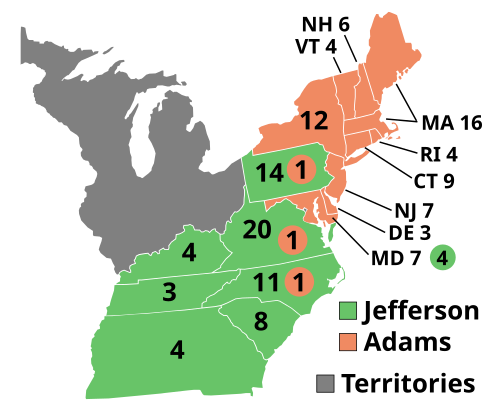
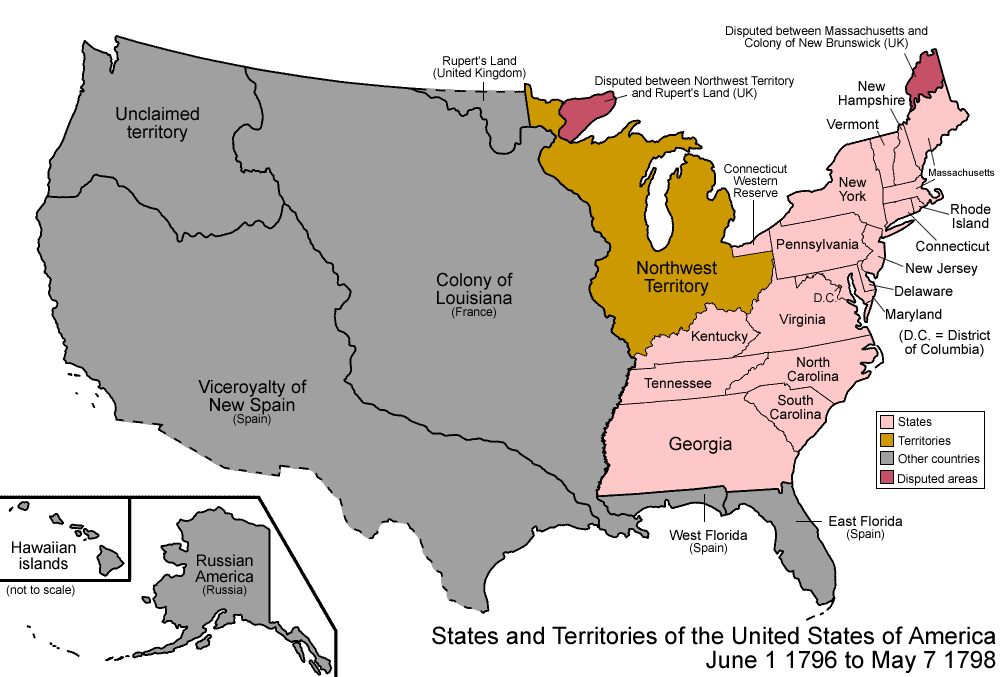
  • A Narrow Victory: Defeated Thomas Jefferson by only 3 electoral votes.
Election of 1796 Results
Made byBobr AI

Context: A Divided Nation

Federalists

The Federalists (Adams)
Wanted strong national power and supported Britain in foreign affairs.

Democratic-Republicans

Democratic-Republicans (Jefferson)
Wanted stronger states' rights and supported France's revolution.

Made byBobr AI

The XYZ Affair: An Insult to America

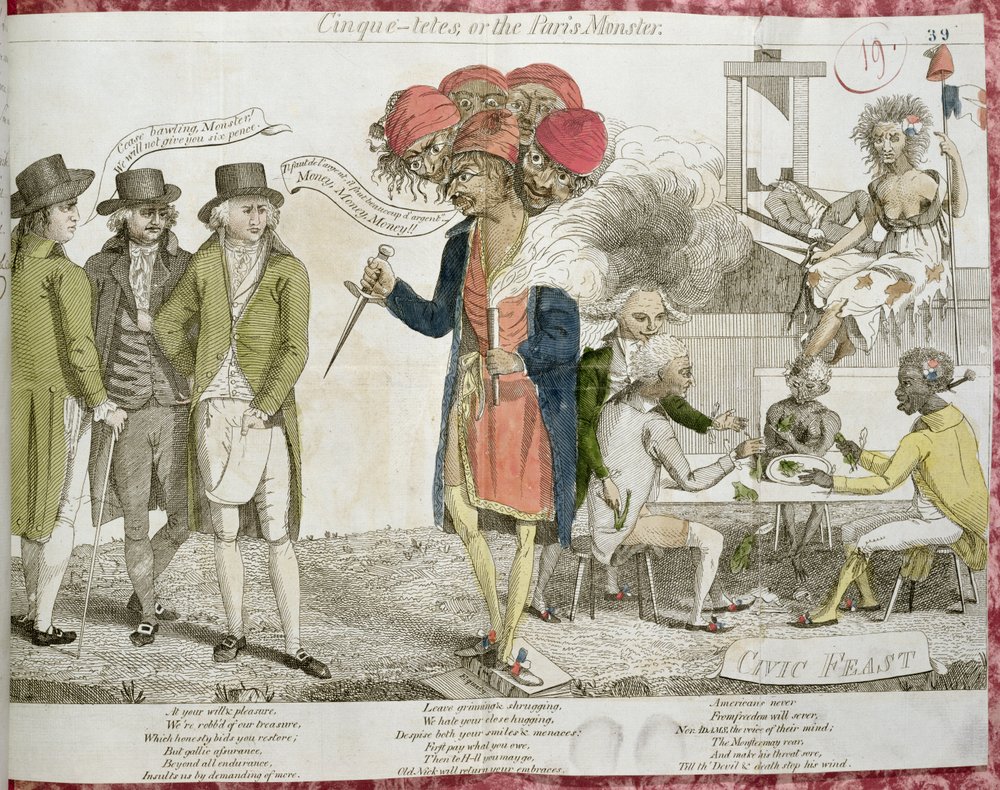
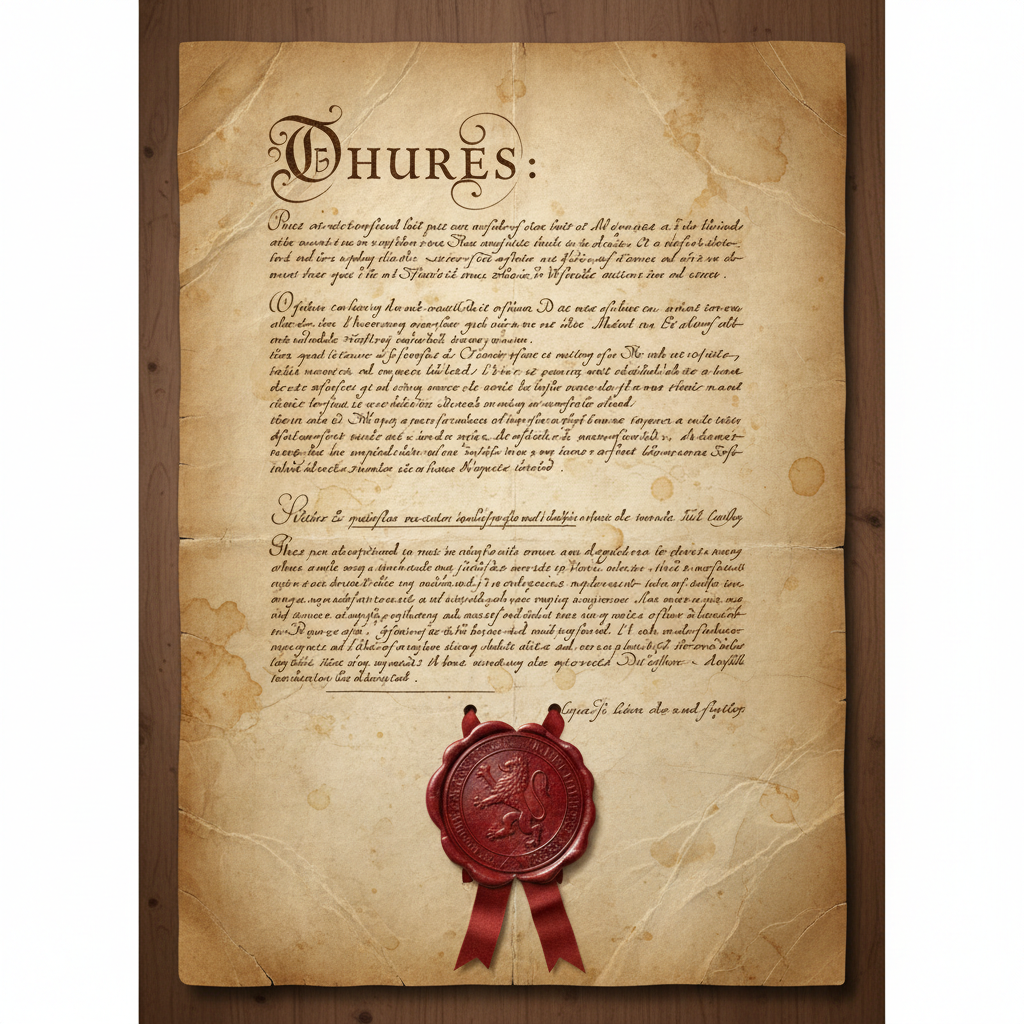
During wars in Europe, France began seizing American ships. President Adams sent diplomats to Paris to negotiate peace. Three French agents (known as X, Y, and Z) demanded a huge bribe ($250,000) and a $10 million loan before talks could even begin. The Americans refused.

Political Cartoon: 'The Paris Monster' representing the French demands.

Made byBobr AI

The Reaction: Quasi-War

  • Public Outrage: Americans chanted 'Millions for defense, but not one cent for tribute!'
  • Effect: Congress canceled treaties with France and authorized American ships to seize French vessels.
  • Naval Buildup: Adams created the Department of the Navy, earning him the title 'Father of the American Navy'.
Made byBobr AI

Alien Acts: Targeting Immigrants

Fear of French spies led Federalists to pass strict laws.

The Naturalization Act: dragging out the time an immigrant had to live in the U.S. to become a citizen from 5 to 14 years.

The Alien Enemies Act: Allowed the President to arrest and deport non-citizens considered dangerous.

Made byBobr AI

The Sedition Act: Silencing Critics

Sedition: Conduct or speech inciting people to rebel against the authority of a state.

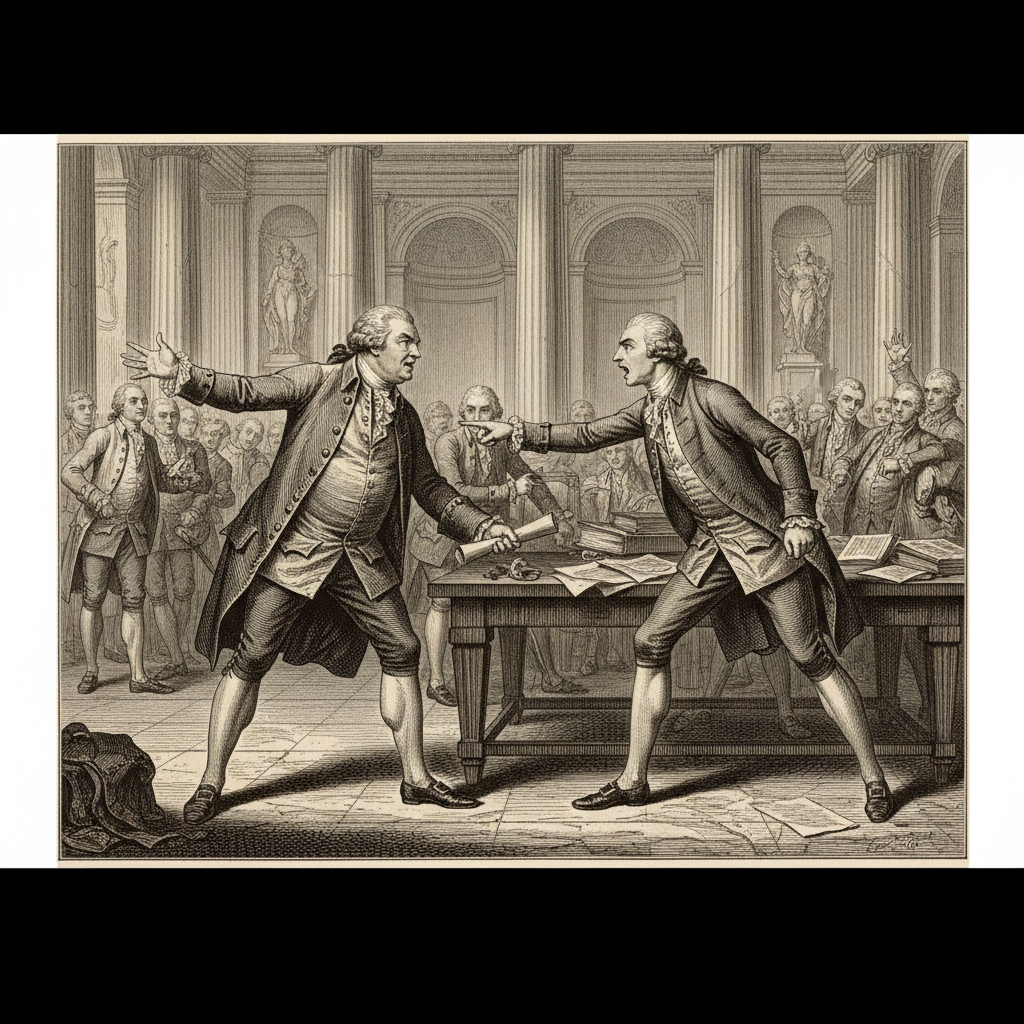
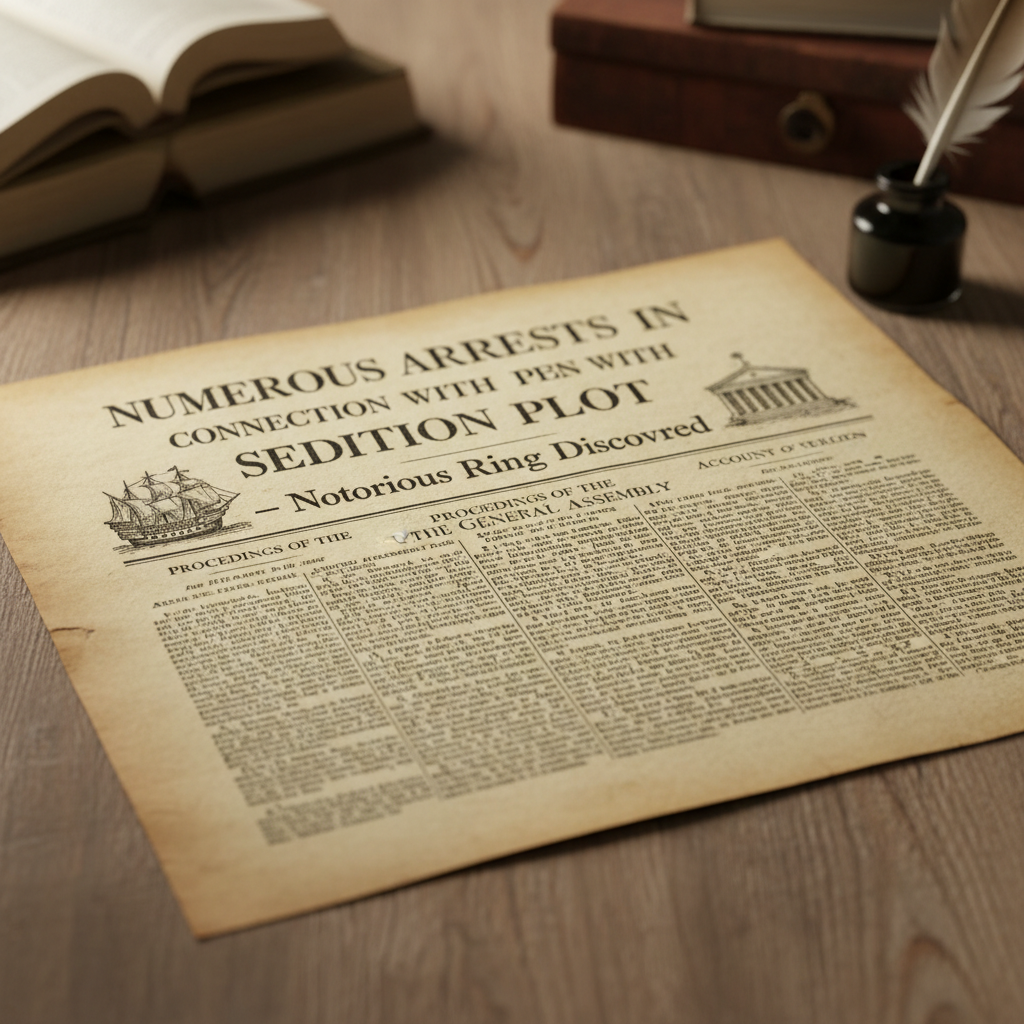
This law made it a crime to write or say anything 'false, scandalous, and malicious' about the government. Over 20 Republican newspaper editors were arrested. Many Americans felt this violated the First Amendment (Free Speech).

Made byBobr AI

Resistance: Kentucky & Virginia Resolutions

Thomas Jefferson and James Madison secretly wrote resolutions for Kentucky and Virginia. They argued that the Alien and Sedition Acts were unconstitutional.

They introduced the idea of nullification—that states could cancel federal laws they deemed invalid.

Made byBobr AI

Choosing Peace Over War

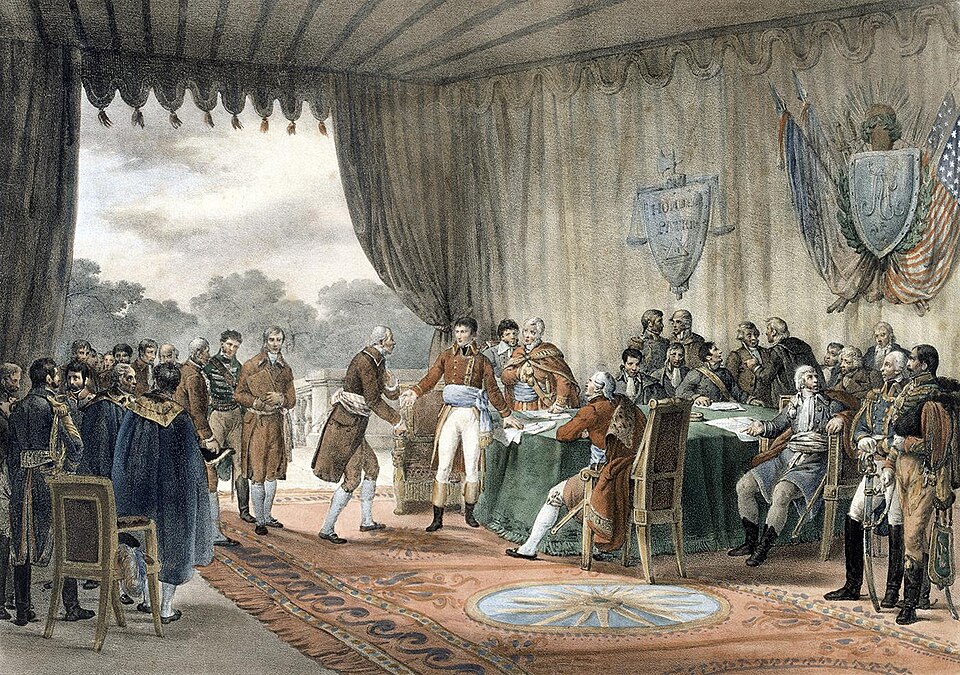
Despite pressure from his own party to declare war on France, Adams continued to seek peace. In 1800, he signed the Treaty of Mortefontaine, ending the Quasi-War.

"I desire no other inscription over my gravestone than: Here lies John Adams, who took upon himself the responsibility of the peace with France."
Made byBobr AI

Adams' Lasting Legacy

  • Election of 1800: Adams lost to Thomas Jefferson. For the first time, power transferred peacefully between opposing parties.
  • Peacekeeper: Avoided a devastating war with France.
  • Double-Edged Sword: Remembered for both his integrity and the unpopular Alien & Sedition Acts.
Made byBobr AI
Bobr AI

DESIGNER-MADE
PRESENTATION,
GENERATED FROM
YOUR PROMPT

Create your own professional slide deck with real images, data charts, and unique design in under a minute.

Generate For Free

John Adams' Presidency: XYZ Affair, Alien & Sedition Acts

Learn about the challenges of the 2nd U.S. President, John Adams, including the XYZ Affair, the Quasi-War with France, and the controversial Sedition Act.

John Adams: A Presidency of Challenges

By: ____________________<br>Class Period: ___________

The 2nd President of the United States

Becoming President (1797–1801)

<strong>Successor to Washington:</strong> Stepping into shoes of a legend was difficult.

<strong>Federalist Party Leader:</strong> Believed in a strong central government.

<strong>A Narrow Victory:</strong> Defeated Thomas Jefferson by only 3 electoral votes.

Context: A Divided Nation

<strong>The Federalists (Adams)</strong><br>Wanted strong national power and supported Britain in foreign affairs.

<strong>Democratic-Republicans (Jefferson)</strong><br>Wanted stronger states' rights and supported France's revolution.

The XYZ Affair: An Insult to America

During wars in Europe, France began seizing American ships. President Adams sent diplomats to Paris to negotiate peace. Three French agents (known as X, Y, and Z) demanded a <strong>huge bribe</strong> ($250,000) and a $10 million loan before talks could even begin. The Americans refused.

Political Cartoon: 'The Paris Monster' representing the French demands.

The Reaction: Quasi-War

<ul><li><strong>Public Outrage:</strong> Americans chanted 'Millions for defense, but not one cent for tribute!'</li><li><strong>Effect:</strong> Congress canceled treaties with France and authorized American ships to seize French vessels.</li><li><strong>Naval Buildup:</strong> Adams created the Department of the Navy, earning him the title 'Father of the American Navy'.</li></ul>

Alien Acts: Targeting Immigrants

Fear of French spies led Federalists to pass strict laws.

<strong>The Naturalization Act:</strong> dragging out the time an immigrant had to live in the U.S. to become a citizen from 5 to 14 years.<br><br><strong>The Alien Enemies Act:</strong> Allowed the President to arrest and deport non-citizens considered dangerous.

The Sedition Act: Silencing Critics

<strong>Sedition:</strong> Conduct or speech inciting people to rebel against the authority of a state.

This law made it a crime to write or say anything 'false, scandalous, and malicious' about the government. Over 20 Republican newspaper editors were arrested. Many Americans felt this violated the <strong>First Amendment</strong> (Free Speech).

Resistance: Kentucky & Virginia Resolutions

Thomas Jefferson and James Madison secretly wrote resolutions for Kentucky and Virginia. They argued that the Alien and Sedition Acts were <strong>unconstitutional</strong>.<br><br>They introduced the idea of <em>nullification</em>—that states could cancel federal laws they deemed invalid.

Choosing Peace Over War

Despite pressure from his own party to declare war on France, Adams continued to seek peace. In 1800, he signed the <strong>Treaty of Mortefontaine</strong>, ending the Quasi-War.

"I desire no other inscription over my gravestone than: Here lies John Adams, who took upon himself the responsibility of the peace with France."

Adams' Lasting Legacy

<ul><li><strong>Election of 1800:</strong> Adams lost to Thomas Jefferson. For the first time, power transferred peacefully between opposing parties.</li><li><strong>Peacekeeper:</strong> Avoided a devastating war with France.</li><li><strong>Double-Edged Sword:</strong> Remembered for both his integrity and the unpopular Alien & Sedition Acts.</li></ul>

  • john-adams
  • us-history
  • presidency
  • xyz-affair
  • sedition-act
  • federalist-party
  • american-revolution