


Made byBobr AI

Evolution of Communication: 2005 to 2025 Trends

Explore how communication changed from 2005 SMS to 2025 AI-driven visual media. Learn about the shift to mobile, social media's rise, and the attention economy.

#communication-trends#social-media-history#digital-transformation#technology-evolution#mobile-communication#internet-culture
Watch
Pitch

The Changing Communication Patterns

Communication has changed not just how we talk, but how we think and connect.

Made byBobr AI
2005 ERA

Communication Around 2005

  • SMS and phone calls were dominant.
  • Emails were mainly formal.
  • Online communication was limited to desktops.
  • Conversations were longer and more personal.

"Communication was slower, but often more thoughtful."
Made byBobr AI
2010–2015

2010–2015: Rise of Social Media

  • Smartphones made communication constant.
  • Social media platforms became central.
  • Short messages, emojis, likes replaced long conversations.
  • Communication became public and performance-based.

"We started communicating not just with people — but with audiences."
Made byBobr AI

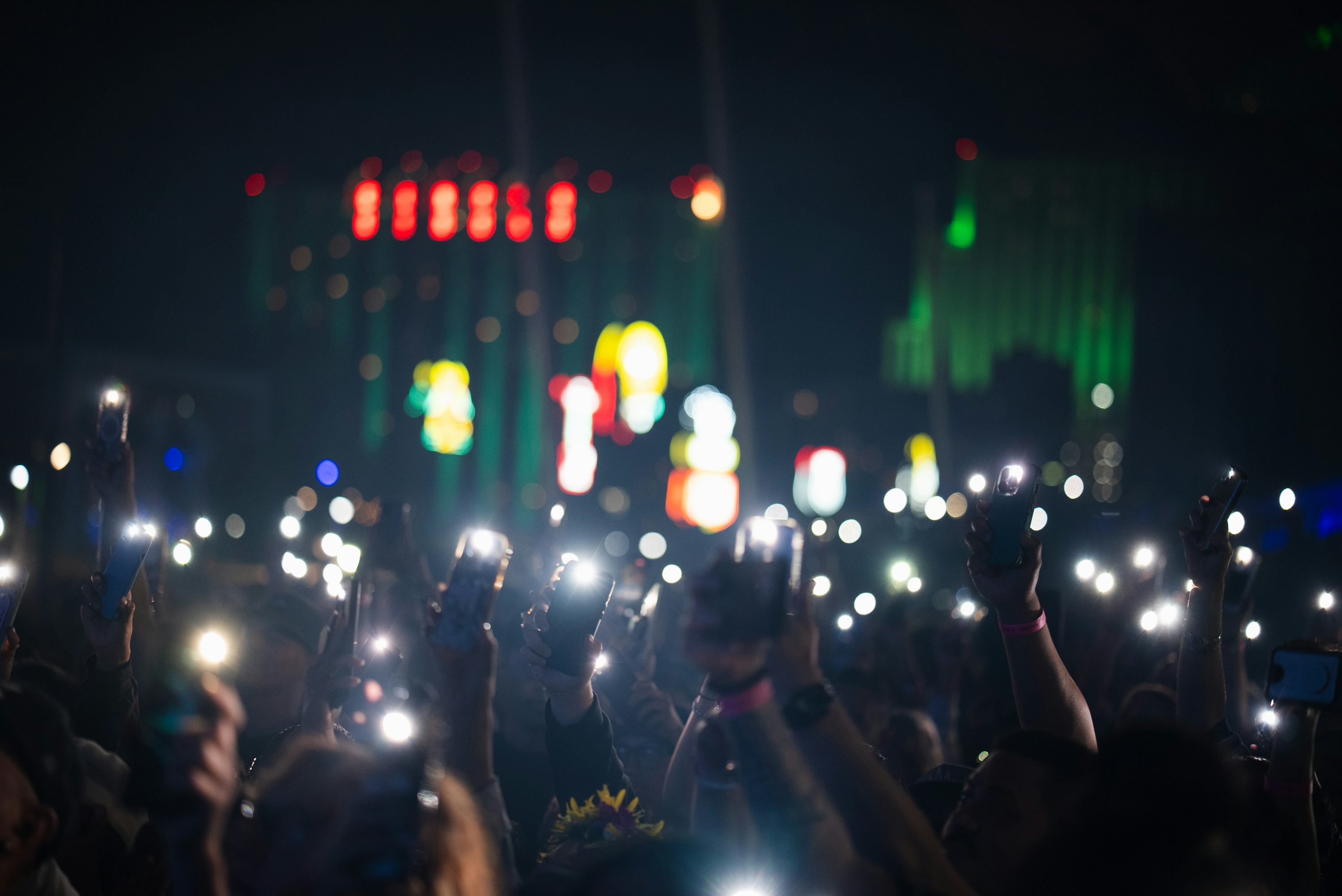
The Shift to Mobile

Communication became visual, faster, and mobile-first.

Chart
Made byBobr AI
2020–2025

2020–2025: Fast, Visual & Algorithm-Driven

Short videos (TikTok, Reels) replaced text updates.
Voice messages replaced calls; Video calls normalized.
Algorithms decide what we see and who we interact with.
Made byBobr AI

Positive Effects

  • Instant global connection.
  • Easier to maintain long-distance relationships.
  • More voices are heard (activism, self-expression).
  • New forms of creativity and identity.
Chart
Made byBobr AI

Negative Effects & Challenges

Attention Economy
Short attention spans and superficial interactions. Estabilishment of 'doom scrolling' habits.
Social Paradox
Misunderstandings due to lack of tone; Loneliness despite constant connection.
Made byBobr AI

Conclusion

The Shift

Communication has become faster, visual, and global.

The Behavior

Technology changed not only communication tools, but social behavior.

The Future

The challenge today is balancing speed with depth.

"The future of communication depends not on technology — but on how consciously we use it."

Made byBobr AI
Bobr AI

DESIGNER-MADE
PRESENTATION,
GENERATED FROM
YOUR PROMPT

Create your own professional slide deck with real images, data charts, and unique design in under a minute.

Generate For Free

Evolution of Communication: 2005 to 2025 Trends

Explore how communication changed from 2005 SMS to 2025 AI-driven visual media. Learn about the shift to mobile, social media's rise, and the attention economy.

The Changing Communication Patterns

Communication has changed not just how we talk, but how we think and connect.

Communication Around 2005

<ul><li>SMS and phone calls were dominant.</li><li>Emails were mainly formal.</li><li>Online communication was limited to desktops.</li><li>Conversations were longer and more personal.</li></ul><br><i>"Communication was slower, but often more thoughtful."</i>

2010–2015: Rise of Social Media

<ul><li>Smartphones made communication constant.</li><li>Social media platforms became central.</li><li>Short messages, emojis, likes replaced long conversations.</li><li>Communication became public and performance-based.</li></ul><br><i>"We started communicating not just with people — but with audiences."</i>

The Shift to Mobile

Communication became visual, faster, and mobile-first.

2020–2025: Fast, Visual & Algorithm-Driven

Short videos (TikTok, Reels) replaced text updates.

Voice messages replaced calls; Video calls normalized.

Algorithms decide what we see and who we interact with.

Positive Effects

<ul><li>Instant global connection.</li><li>Easier to maintain long-distance relationships.</li><li>More voices are heard (activism, self-expression).</li><li>New forms of creativity and identity.</li></ul>

Negative Effects & Challenges

Short attention spans and superficial interactions. Estabilishment of 'doom scrolling' habits.

Misunderstandings due to lack of tone; Loneliness despite constant connection.

Conclusion

We fear surveillance, yet we voluntarily track our own locations, biometrics, and habits.

2005: 'Don't put your real name on the internet.' 2025: 'Here is my fingerprint, face ID, and live location.'

Communication has become faster, visual, and global.

Technology changed not only communication tools, but social behavior.

The challenge today is balancing speed with depth.

The future of communication depends not on technology — but on how consciously we use it.

  • communication-trends
  • social-media-history
  • digital-transformation
  • technology-evolution
  • mobile-communication
  • internet-culture